
Sleep isn’t one-size-fits-all—it evolves as we do. From round-the-clock newborn naps to the early wakeups of old age, here’s how much sleep you actually need based on your age.
Newborns Need the Most
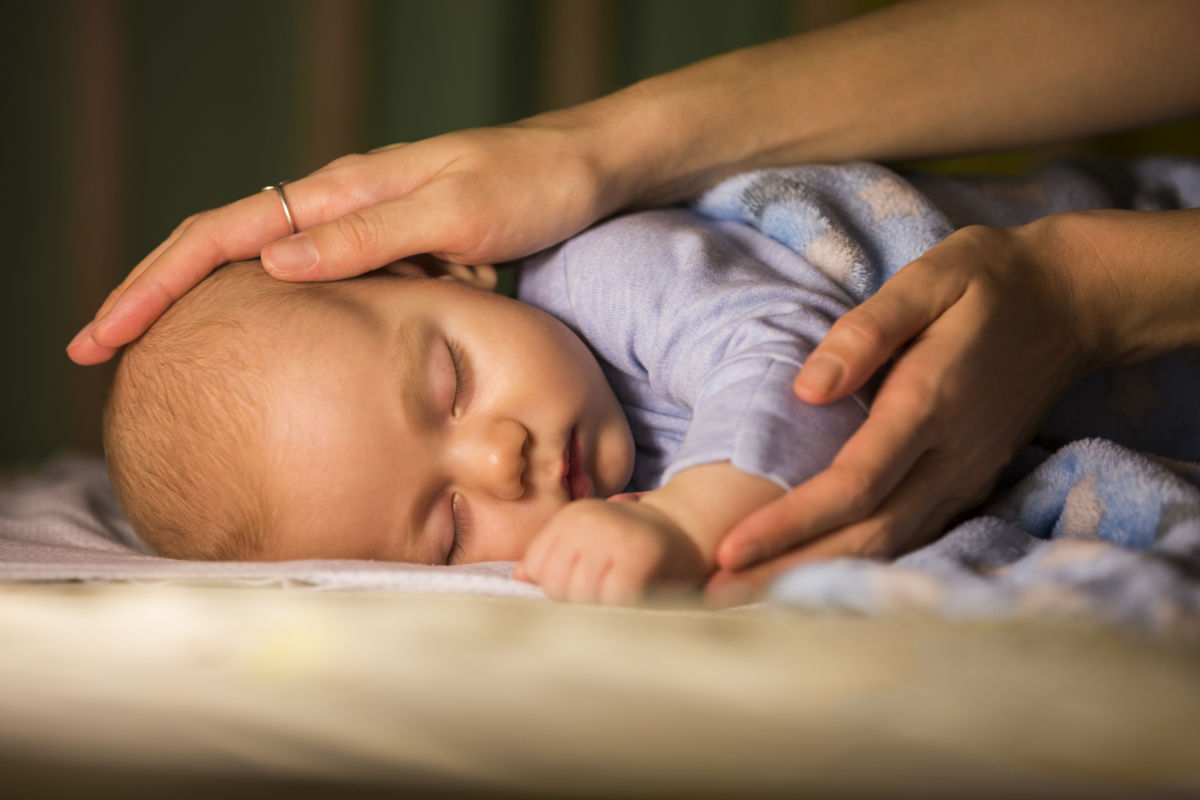
In their first three months, babies clock 14 to 17 hours of sleep daily. It’s all about growth—both physical and neural—as their bodies and brains adjust to life outside the womb.
Infants Begin to Sync with Day and Night
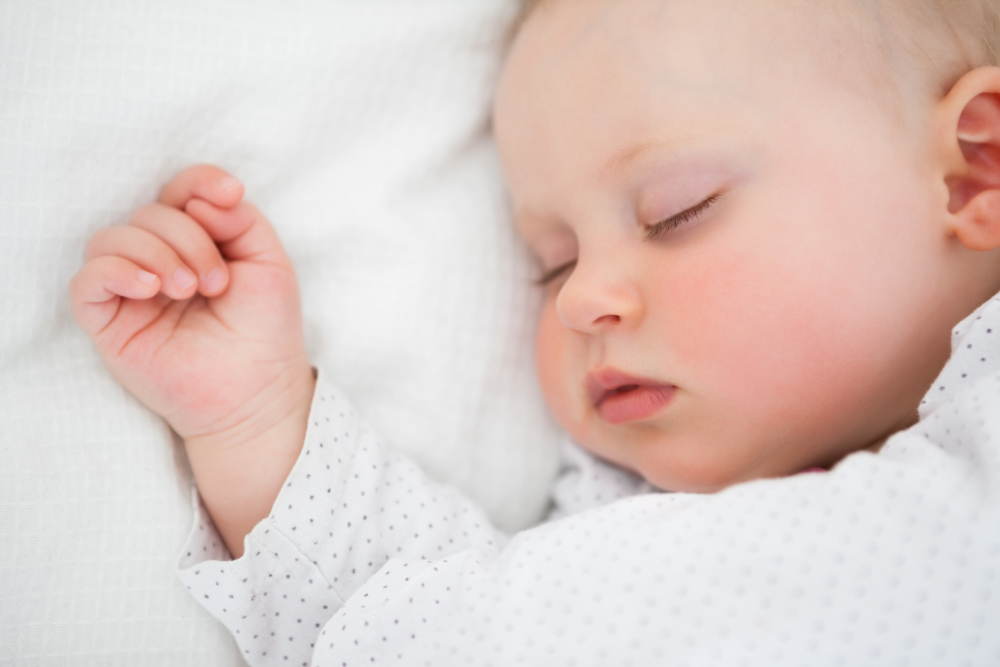
From four to 12 months, sleep needs slightly dip to 12 to 16 hours. Around this stage, circadian rhythms begin to form, linking sleep patterns with the natural light-dark cycle.
Toddlers Trim Down on Sleep
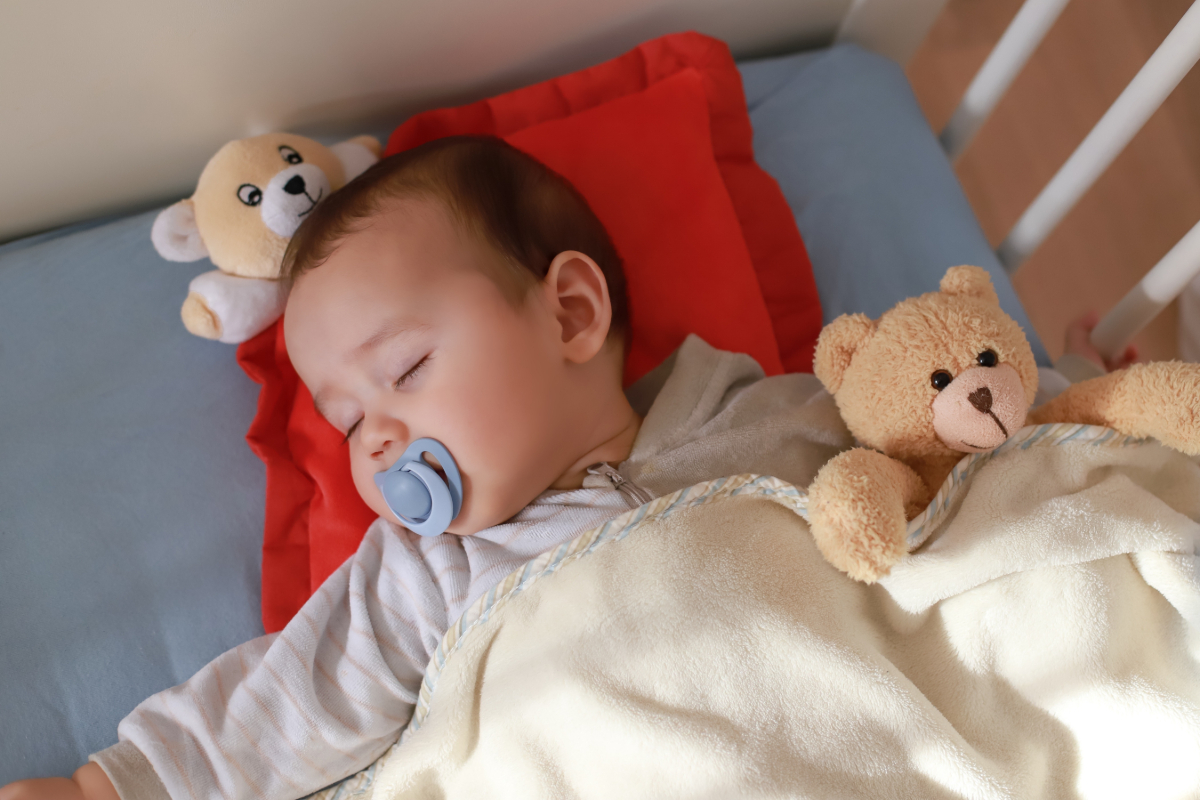
Between ages one and two, kids typically need 11 to 14 hours of rest. Growth slows, and naps become more structured—usually just one midday snooze.
Preschoolers Dream Big
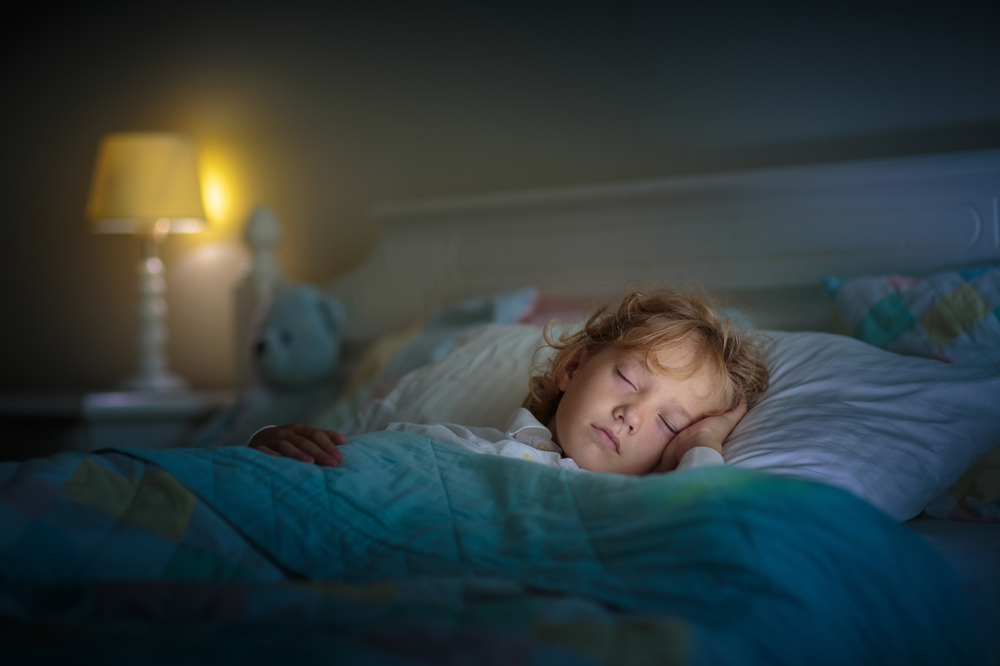
Children aged three to five thrive on 10 to 13 hours of sleep. Their imaginations bloom, sometimes causing nighttime fears or nightmares that can interrupt rest.
School-Age Kids Stay Steady

Six- to 12-year-olds generally require 9 to 12 hours per night. Sleep remains critical for learning and memory, but the need for daytime naps fades away.
Teens: Later Nights, Sleepier Mornings

Teenagers should get 8 to 10 hours a night—but their internal clocks shift. Melatonin is released later, making it harder to fall asleep early and wake up refreshed for school.
Sleep and the Teen Struggle

Early school times clash with teens’ biology. Many aren’t lazy—they’re sleep-deprived. Even diligent teens may struggle to get enough rest during the school week.
Adults Enter Maintenance Mode
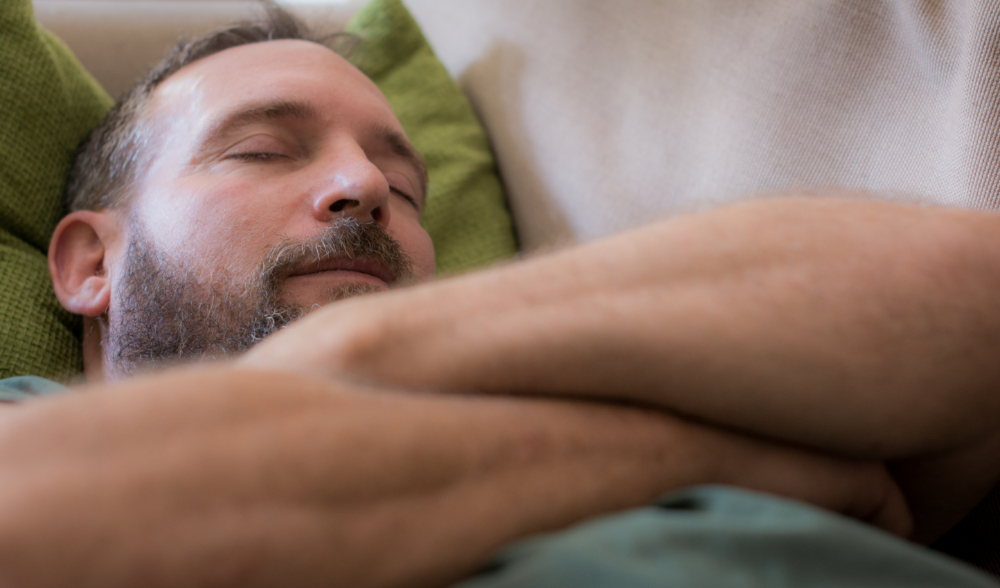
From age 18 onwards, most adults need 7 to 8 hours of sleep. With growth complete, sleep focuses more on repair and recovery than development.
Watch for Disrupted Sleep in Adulthood
Issues like sleep apnea or hypersomnia can distort normal sleep patterns. If you regularly sleep longer than eight hours and still feel tired, it may be time to see a sleep specialist.
Seniors Sleep Earlier—and Lighter
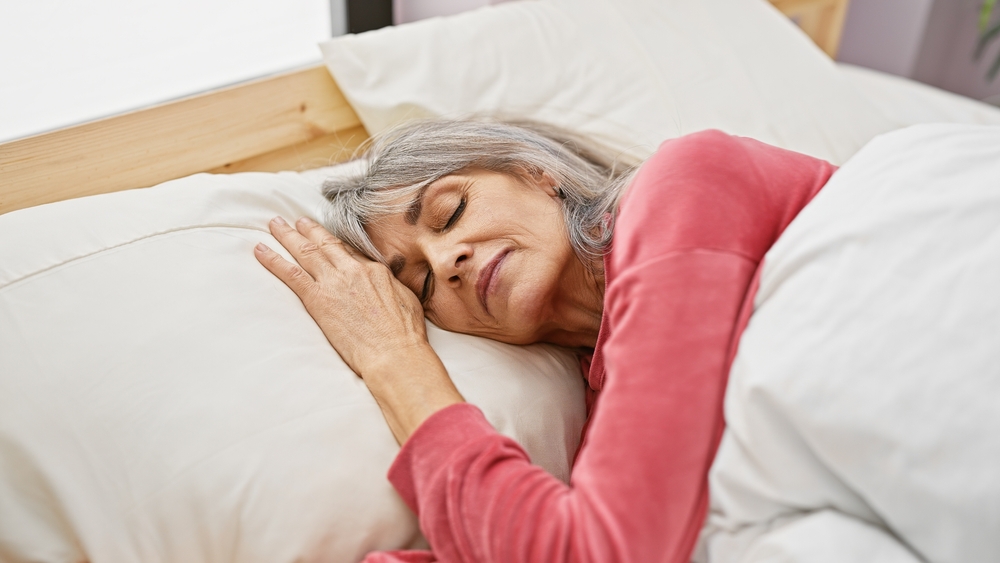
After age 65, people often sleep less and wake earlier. This is partly due to less melatonin production and age-related changes, such as more frequent nighttime bathroom visits.
Article is based on information from TIME
This article is made and published by Mie Hermansen, who may have used AI in the preparation.