
Many women notice major changes in their hair during their 50s. It often becomes drier, loses volume, and reacts differently to styling and haircare products. Hairstylists say many women are caught off guard by how much aging and hormones can affect their hair, reports Latest-Hairstyles.
Hair suddenly feels much drier
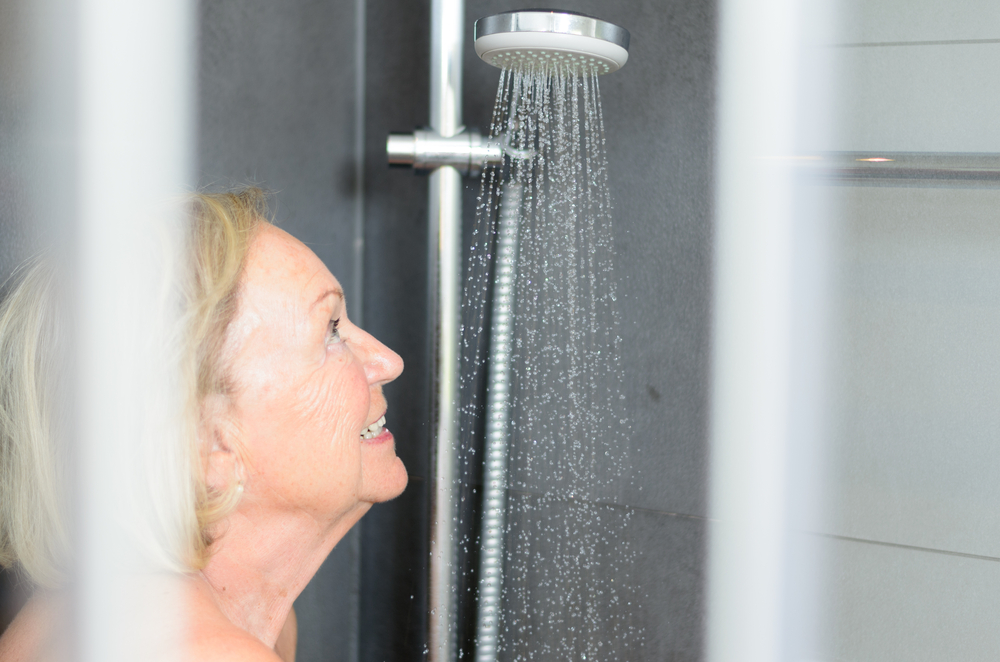
As hormone levels shift, the scalp produces less natural oil. This often leaves hair looking duller and feeling rougher than before.
Finer strands can make hair look thinner
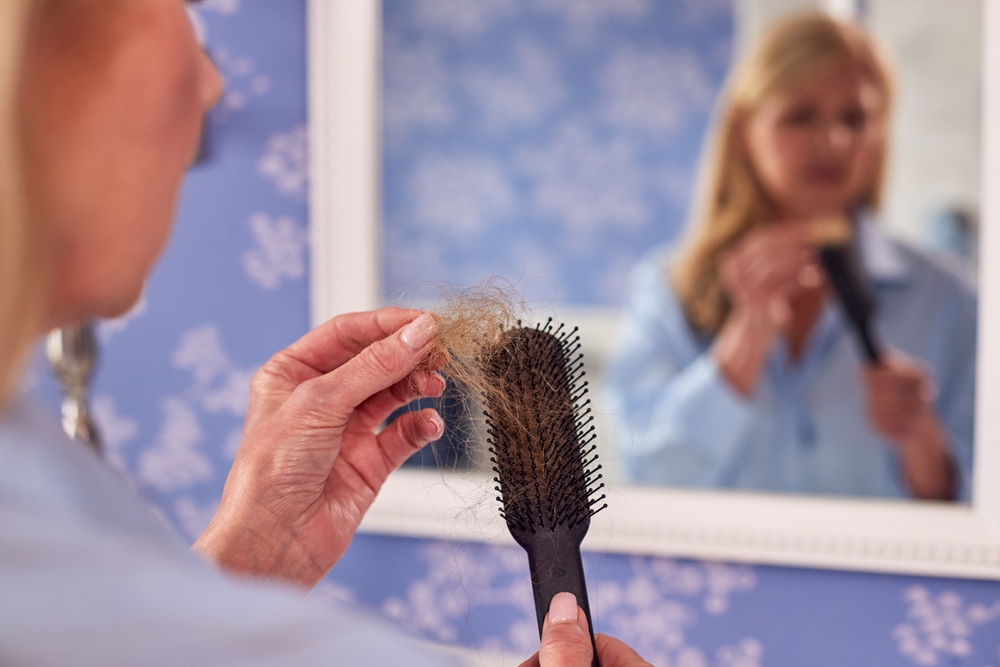
Even without major hair loss, many women notice less fullness because individual hair strands gradually become finer over time.
Gray hair develops a different texture
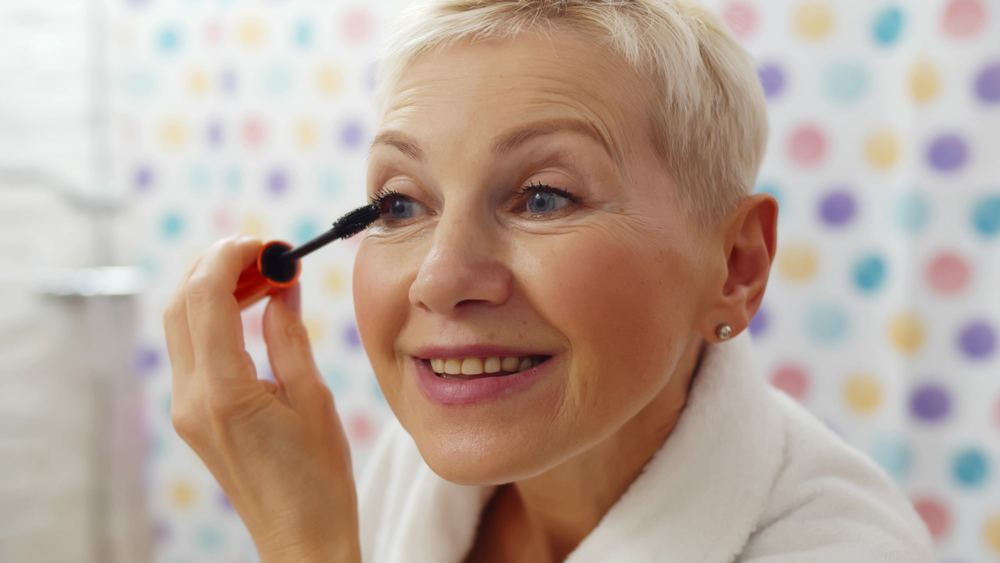
When hair loses pigment, the texture often changes too. Gray hair can become coarser, stiffer, and more prone to frizz.
Also read: Scientists discover unexpected link between kimchi and microplastics
Hair color may not last the same way
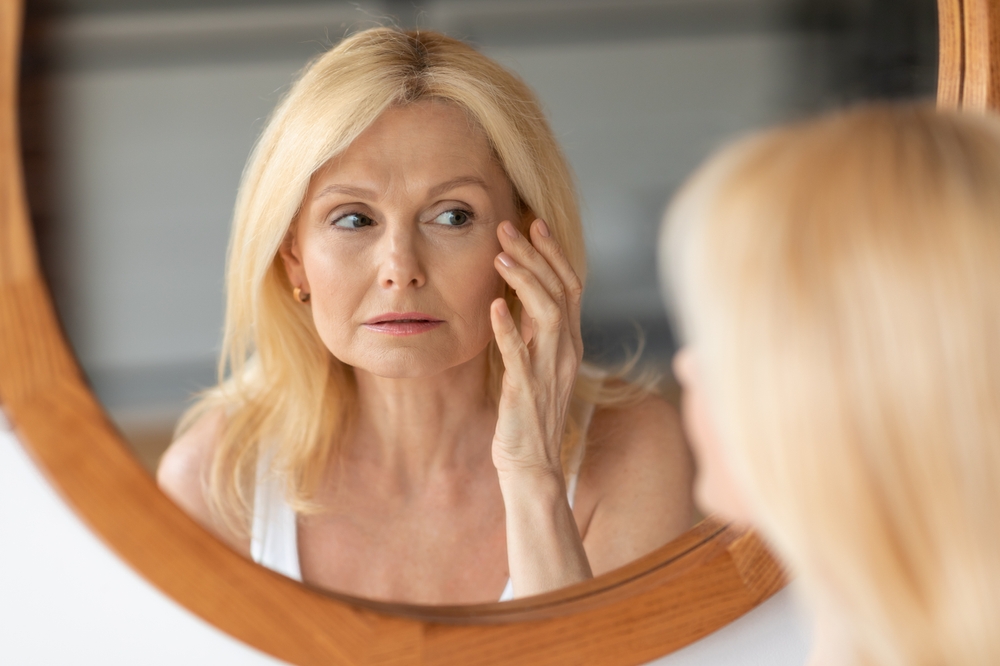
Color treatments can start fading faster or develop unevenly because aging hair absorbs and holds color differently.
Heat styling causes more damage
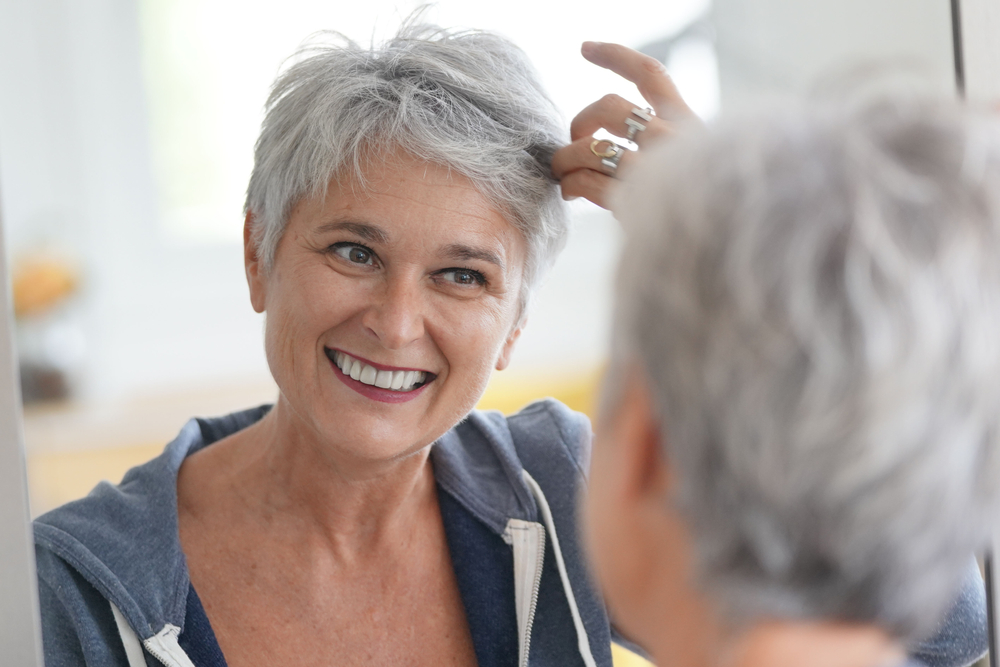
Flat irons and blow dryers can become harsher on aging hair. Over time, hair loses some of its elasticity and becomes more fragile.
Hair may develop new waves or lose curls
Hormonal changes can affect the shape of the hair follicle itself. Some women suddenly notice more wave, while others lose their natural curl pattern.
The same haircut may no longer work
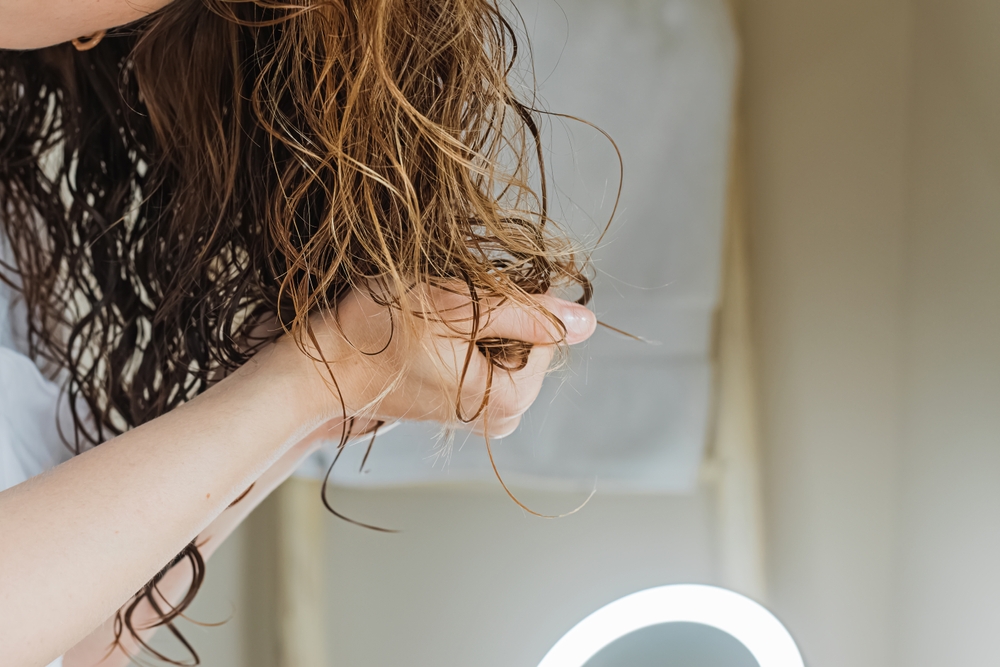
A hairstyle that looked great for years can start making hair appear flat or heavy as density and texture change with age.
Also read: How to reduce the risk of colon cancer in everyday life
Shorter styles can create more volume
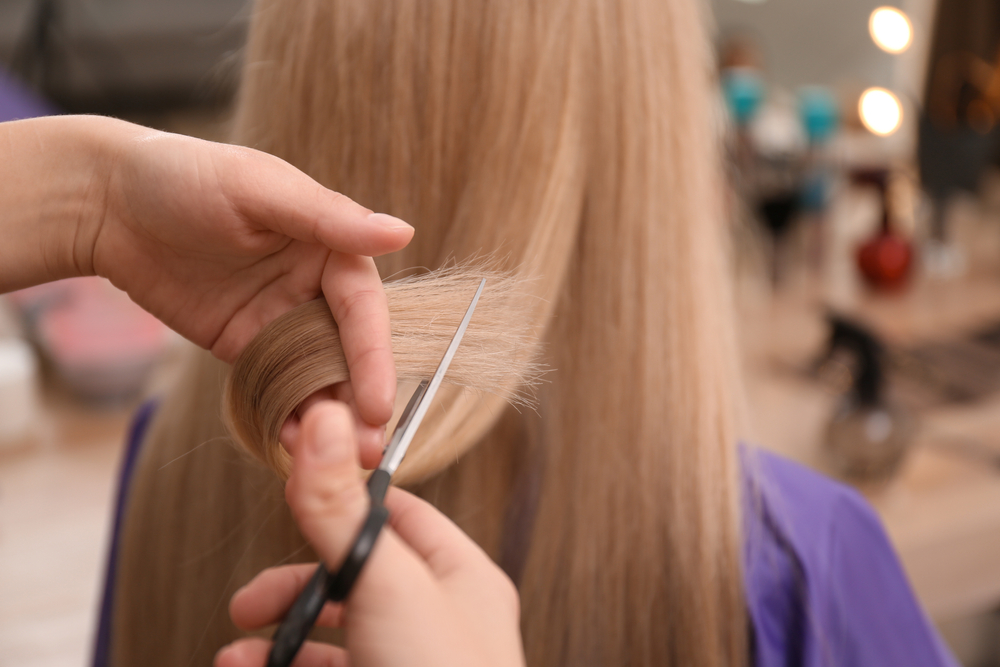
Many hairstylists find that shorter or more textured cuts help hair appear fuller and easier to manage.
Hair products often need to change
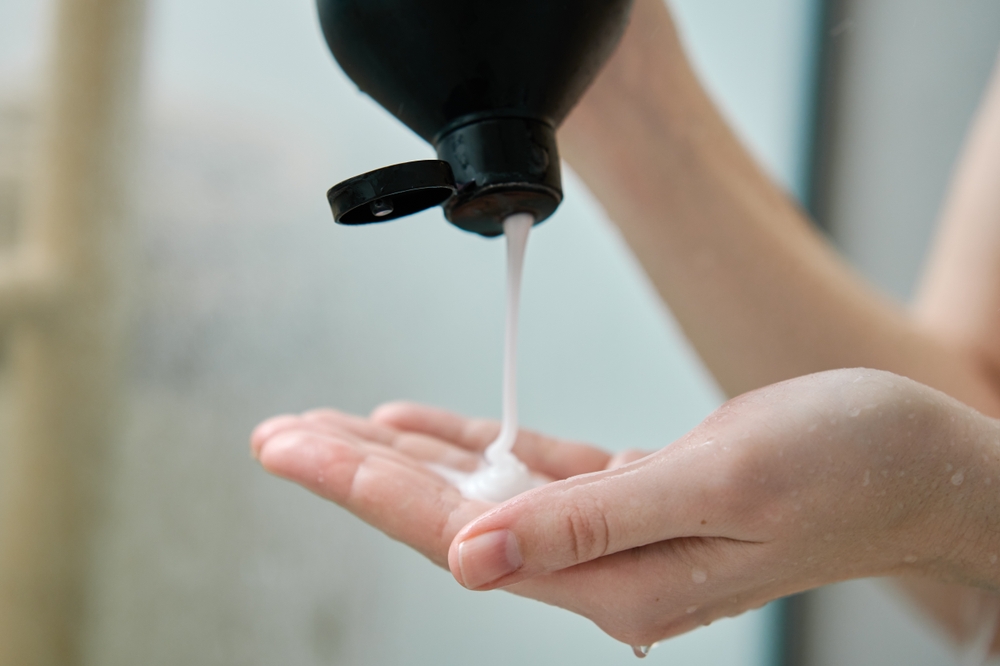
Shampoos and styling products that once worked well may suddenly feel too heavy or too drying for aging hair.
Hair becomes easier to damage
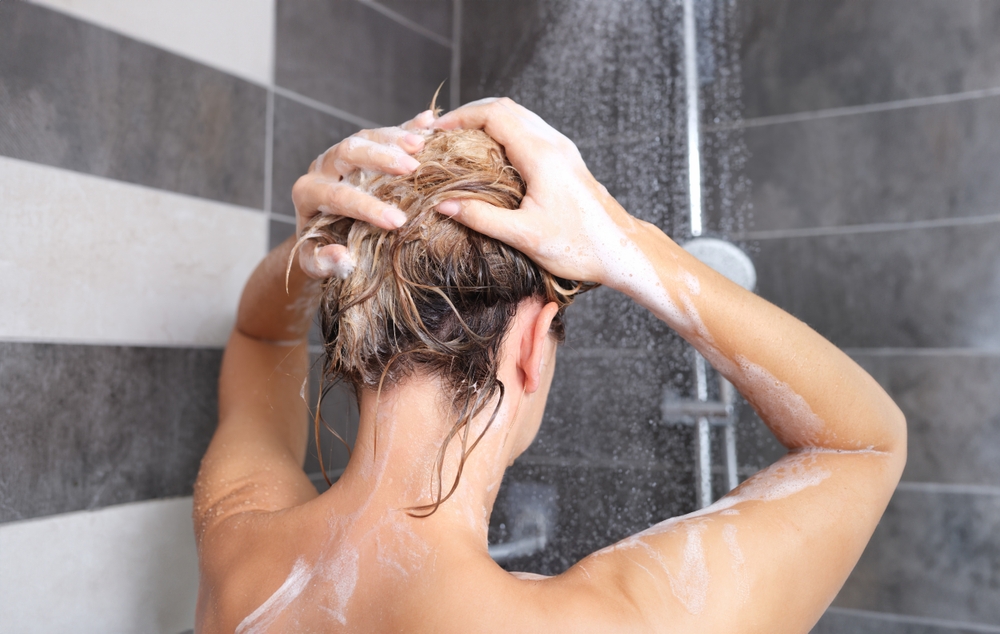
Years of coloring, heat styling, and general wear can leave hair more vulnerable to breakage and dry ends.
Thinning is often most visible around the part
Hormonal hair thinning commonly appears around the crown, temples, or part line where density gradually decreases.
Also read: How calcium and vitamin D can affect your bone health when taken together
Many women feel unprepared for the changes
According to hairstylists, one of the most common reactions is surprise at how dramatically hair can change during the 50s.
Also read: Why experts recommend eggs after GLP-1 medication
This article is made and published by Mie Hermansen, who may have used AI in the preparation.