
Oral cancer is often associated with older adults, but doctors are now seeing more cases among younger people. Many patients overlook the early warning signs, which can delay diagnosis and make treatment more extensive.
Oral cancer is no longer limited to older adults
Specialists are noticing a clear shift, with more patients in their 30s and early 40s being diagnosed with the disease.
Symptoms are often dismissed
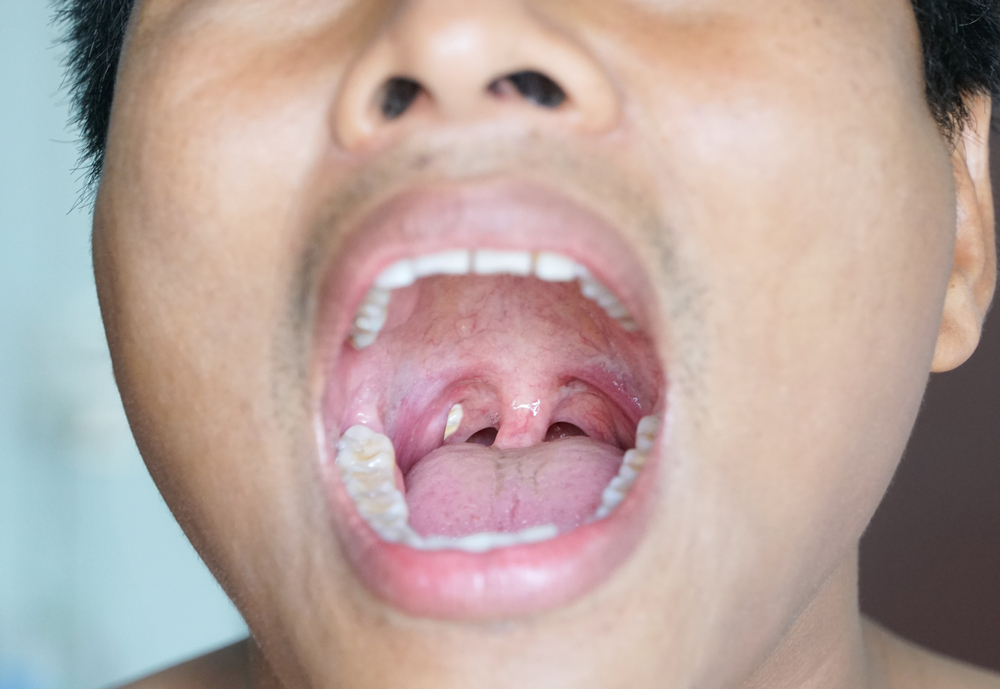
Many people do not associate persistent mouth problems with a serious illness and therefore delay seeking medical attention.
Early changes can be easy to miss
The first signs are often subtle and may not cause significant discomfort, making them easier to ignore.
Also read: New study: Ham, sausages and snacks linked to increased dementia risk
Mouth ulcers that do not heal deserve attention

Sores that remain for more than a couple of weeks should be evaluated by a healthcare professional.
Unusual patches inside the mouth can be a warning sign
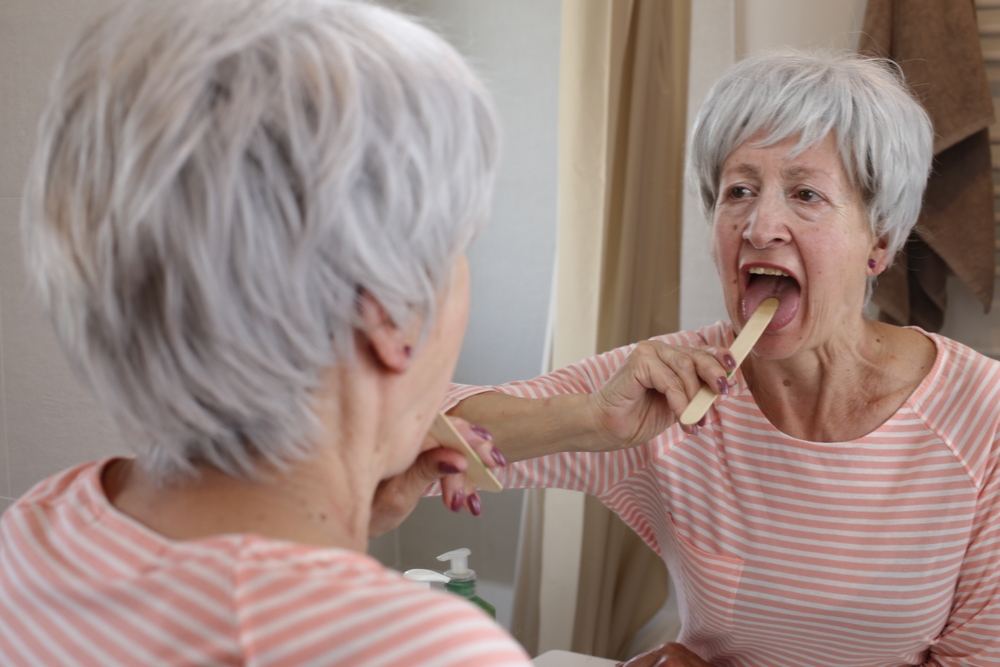
Red or white areas on the lining of the mouth are among the changes doctors advise people not to ignore.
A burning sensation while eating may signal a problem

Some patients experience discomfort or irritation when eating, particularly spicy foods.
Difficulty opening the mouth should not be overlooked

Reduced mouth mobility is one of the symptoms that may warrant further examination.
Also read: Researchers track men for 32 years and find health risks associated with snus
Unexplained bleeding requires attention
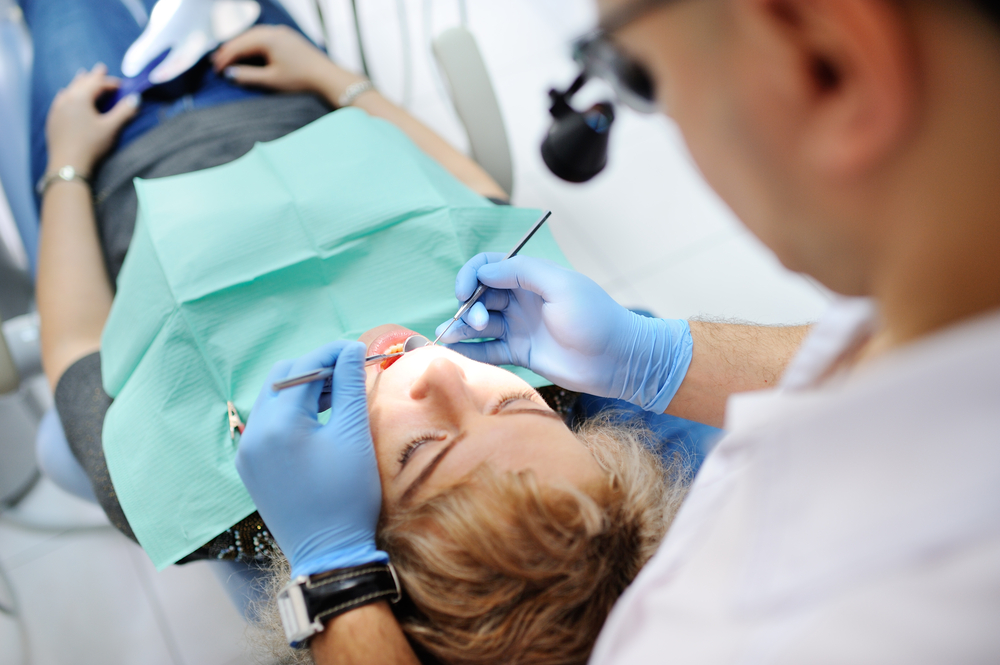
Bleeding from the gums or the inside of the cheek without an obvious cause can be an important warning sign.
Pain during chewing or swallowing can be a symptom

Discomfort while eating or swallowing may be linked to changes within the oral cavity.
Many young adults do not consider themselves tobacco users

People who use chewing tobacco or similar products often do not identify as tobacco users because they do not smoke.
Damage can develop gradually over time

Cancer-causing substances may remain in direct contact with the tissues of the mouth for extended periods, increasing the risk of long-term damage.
Also read: Trump’s trousers spark online speculation after memorial day ceremony
Late diagnosis can lead to more complex treatment
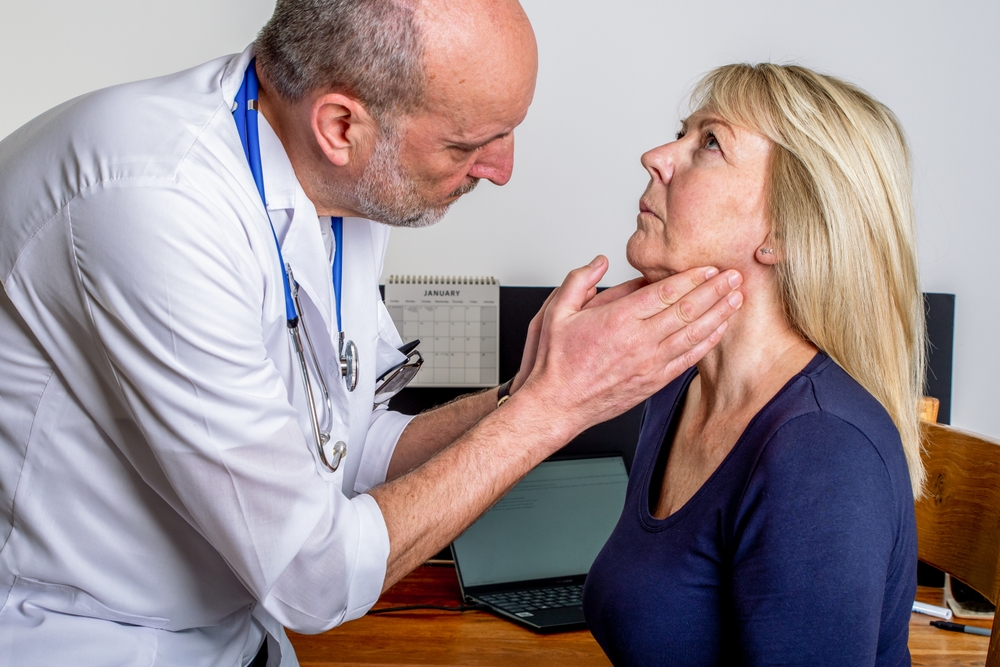
When oral cancer is detected at an advanced stage, treatment may involve surgery, radiation therapy, or chemotherapy, potentially affecting speech, eating, and daily life.
Also read: Trump faces renewed scrutiny after podcast appearance
This article is made and published by Mie Hermansen, who may have used AI in the preparation.