
Reheating leftovers seems harmless, but not all foods handle a second round of heat.
Some ingredients change their chemistry when reheated, and that can affect both taste and health.
Rice can hide dangerous bacteria
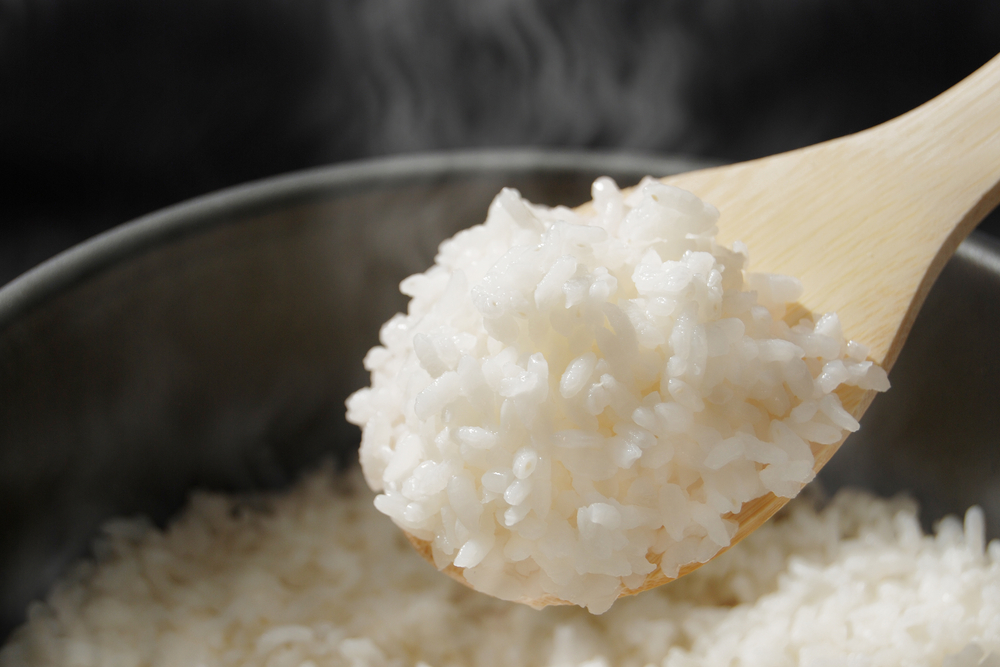
When rice sits too long at room temperature, bacteria can develop that survive reheating.
Even if it’s hot, toxins released by these bacteria remain and can upset your stomach. Eating freshly cooked rice is always the safer option.
Also read: Should You Take Magnesium? Only in These Two Situations, Says Expert
Bacteria in rice survive reheating
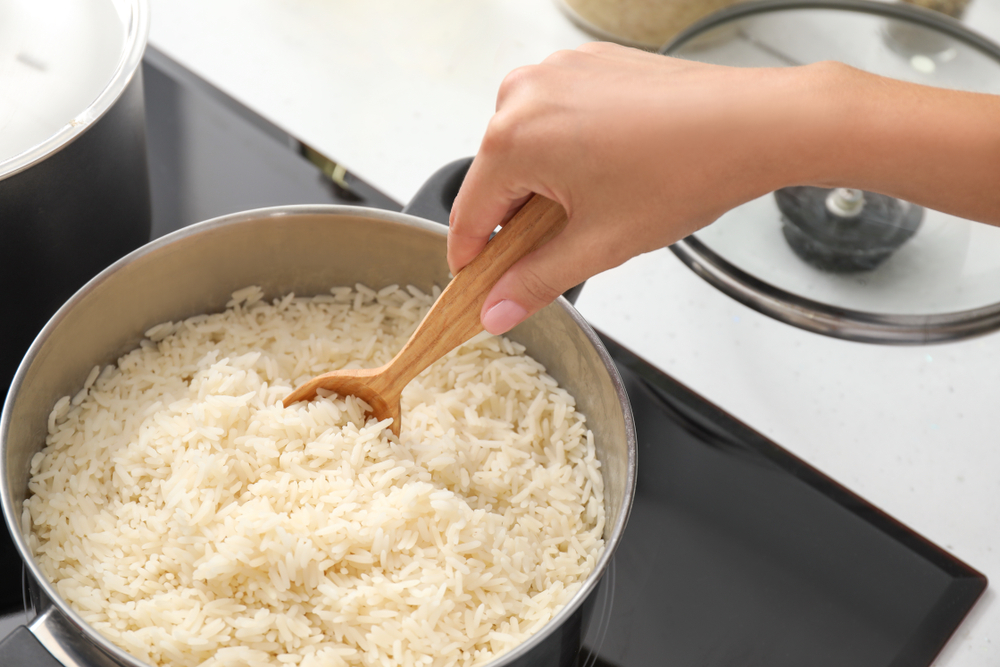
Even if microwaved thoroughly, rice toxins produced by bacteria don’t disappear.
This means even small amounts of reheated rice that have sat out too long can cause stomach issues.
Spinach nitrates can become risky
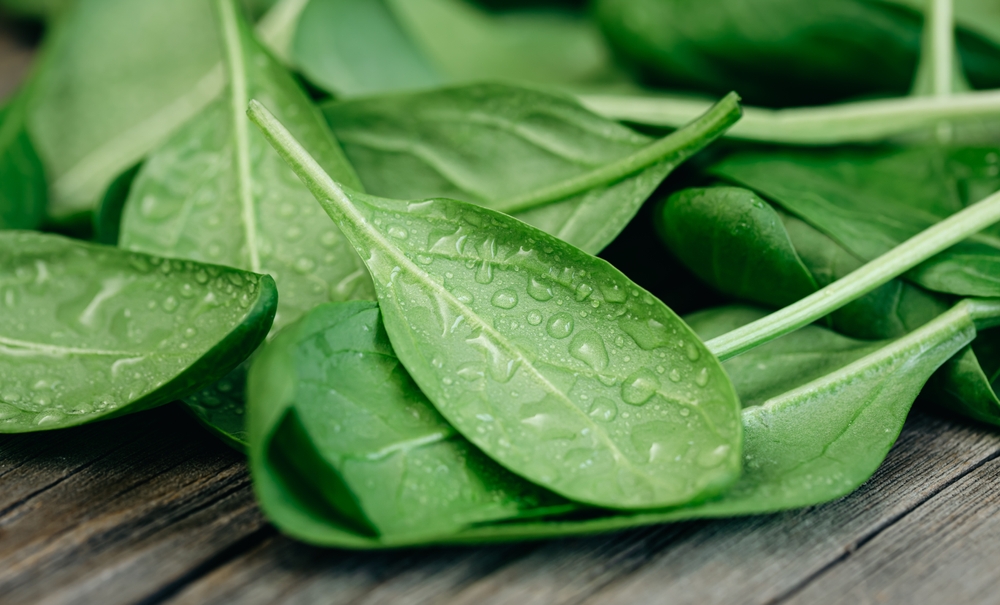
Spinach contains natural nitrates. Once cooked, reheating can convert these into nitrosamines, compounds linked to cancer risk.
It’s best to enjoy spinach freshly prepared rather than saving them for the next day.
Also read: How to Add Extra Protein to Your Diet With Simple Toppings
Spinach loses its vitamins
Besides the nitrate issue, reheated spinach can lose key nutrients.
Vitamins like Vitamin C and some minerals decrease with repeated heating, making it less nutritious.
Mushrooms lose protein quality
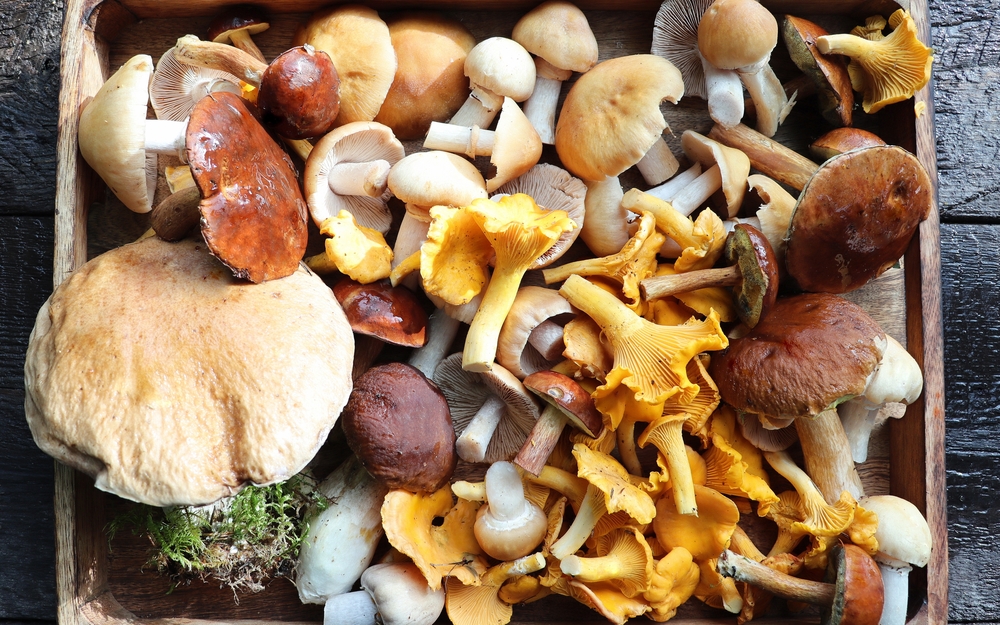
Mushrooms are packed with protein and antioxidants, but they are also delicate.
Leftover cooked mushrooms can develop bacteria, and reheating may alter proteins and reduce antioxidants.
Also read: This could happen to your body if you eat peanut butter every day
Mushrooms lose their flavor
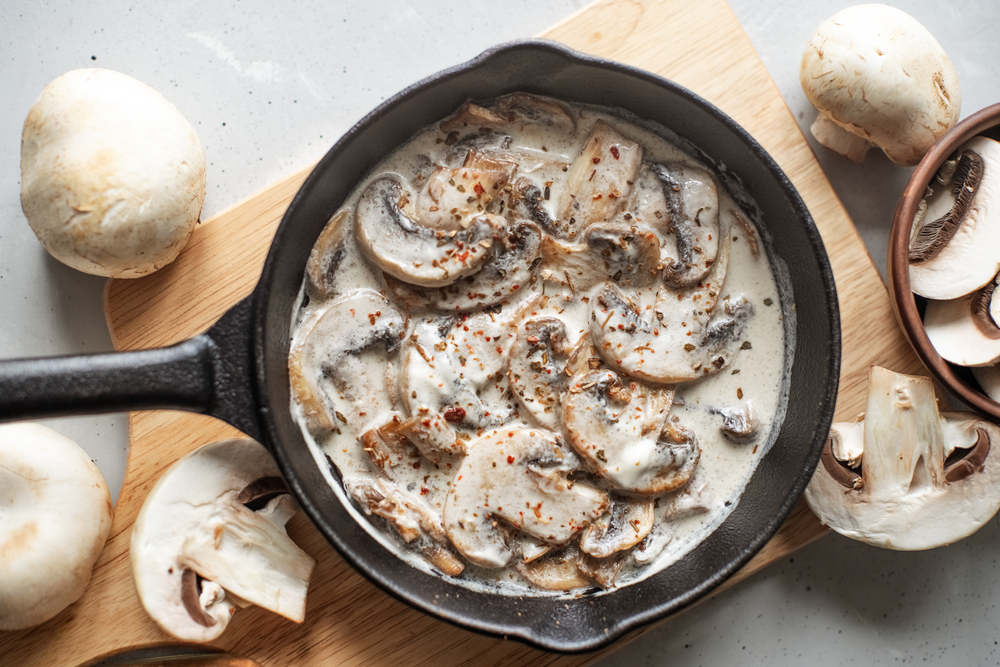
Beyond the health aspect, mushrooms simply don’t taste the same after being reheated. Their delicate flavor becomes flat, taking away the best part of your dish.
Potatoes turn harder to digest
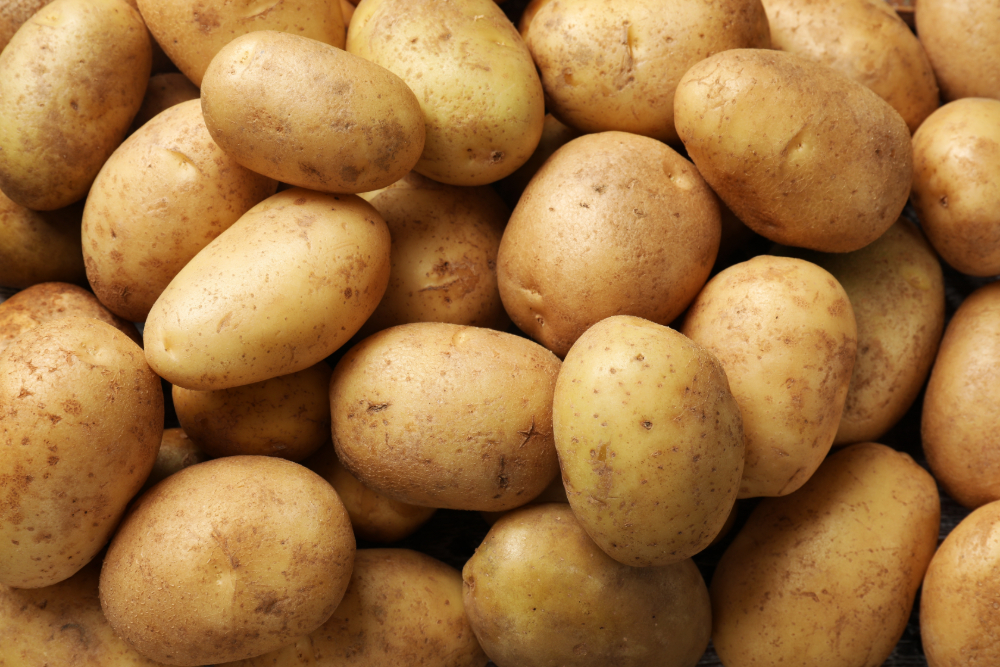
Boiled or roasted potatoes taste amazing when fresh, but if left out too long, they can attract bacteria.
Reheating doesn’t always eliminate the risk. In addition, their starch structure changes, making them heavier to digest and sometimes less healthy.
Potato-based dishes are risky
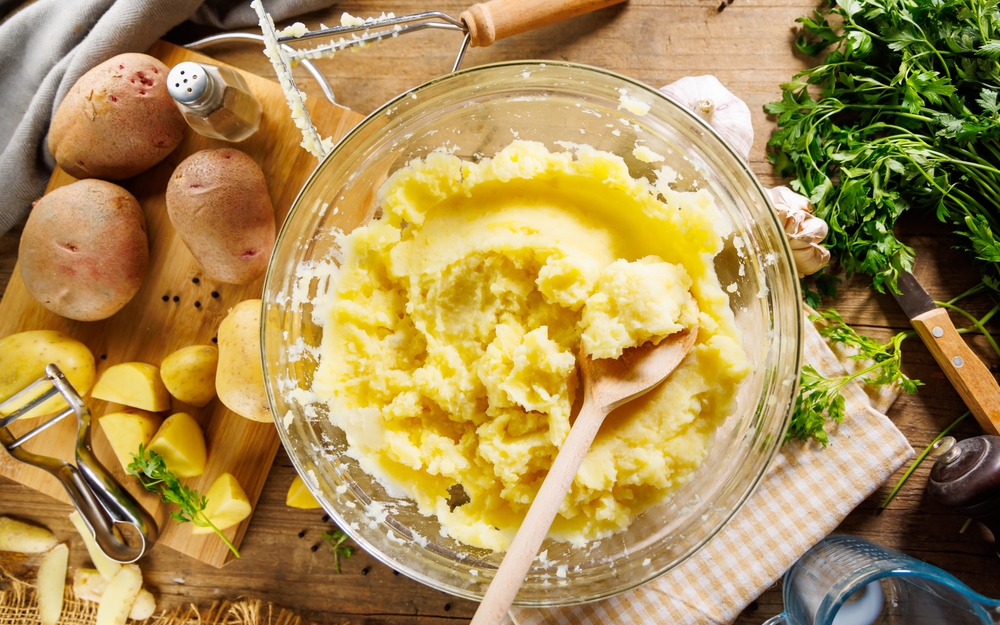
Mashed potatoes or creamy potato dishes are especially risky because they often sit out on the table longer.
Also read: New Research: This Home Upgrade Could Lower Your Blood Pressure
Bacteria can grow, and reheating won’t necessarily eliminate them.
Kale and celery fall into the same trap
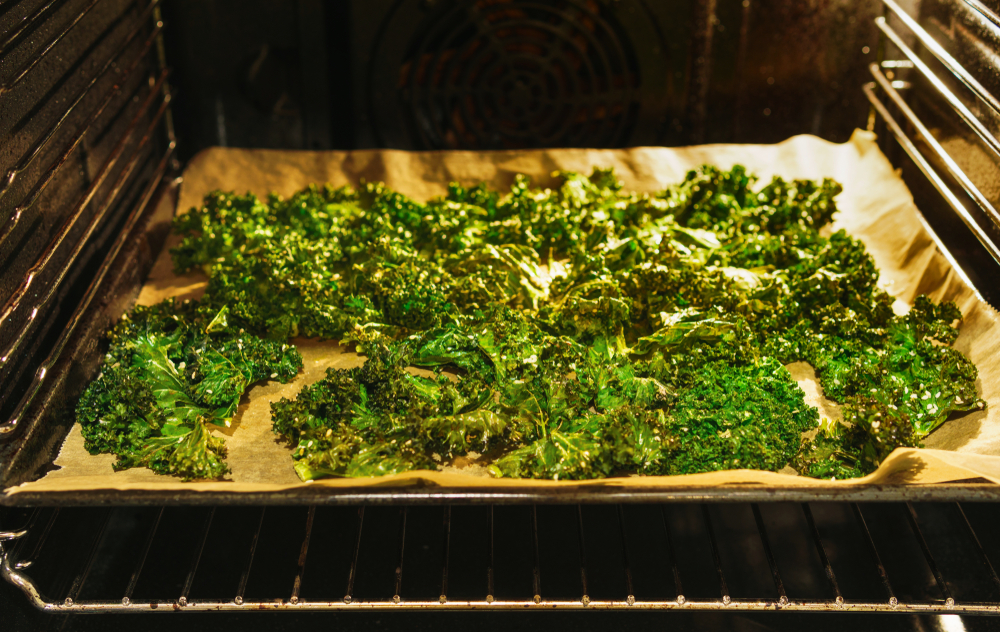
Like spinach, kale and celery are rich in nitrates. Once reheated after cooking, they can form harmful compounds. For maximum safety and nutrition, eat them fresh.
Fresh food is always best
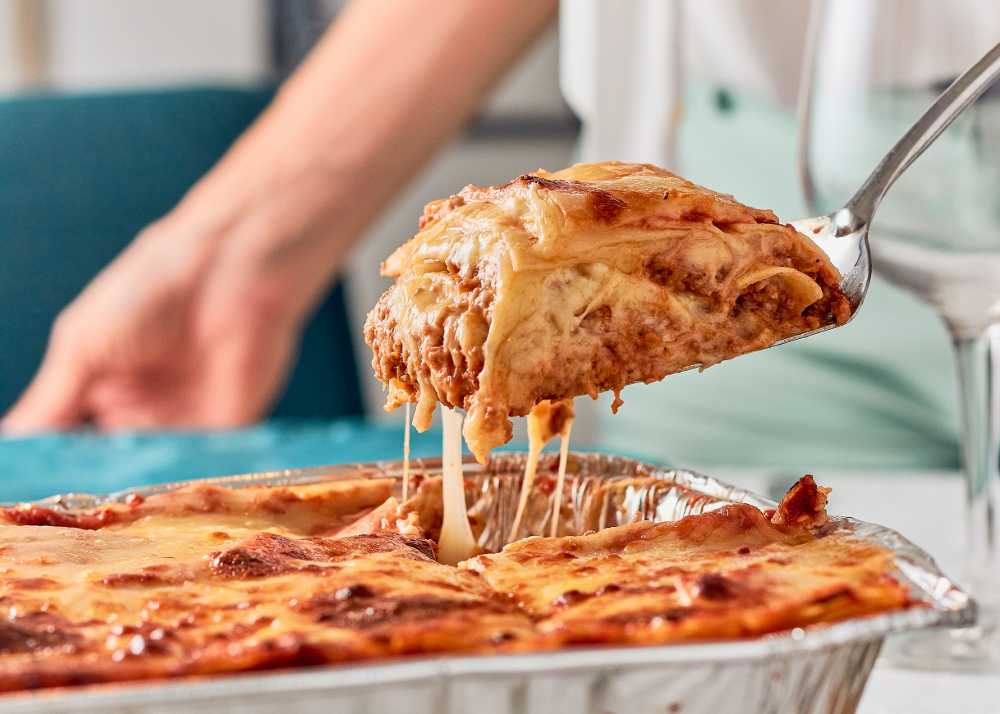
Whether it’s rice, spinach, mushrooms, or potatoes, the golden rule is simple: enjoy them freshly cooked.
That way, you keep the taste, the nutrition, and most importantly, the food safety.
Also read: Why Your Shoes Could Be the Cause of Your Chronic Pain
This article is based on information from Timesofindia.com.