
Fruit contains fiber, potassium, vitamins, antioxidants and various plant compounds that may play a role in heart health.
Here are some of the properties of these fruits that research suggests may be relevant to blood pressure, cholesterol and the risk of cardiovascular disease, according to Today.
Watermelon

Watermelon is high in the antioxidant lycopene.
According to the American Heart Association, watermelon contains about 40 percent more lycopene than raw tomatoes.
Also read: A sweet tooth during antibiotics may do far more gut damage than you expect
Watermelon also provides citrulline
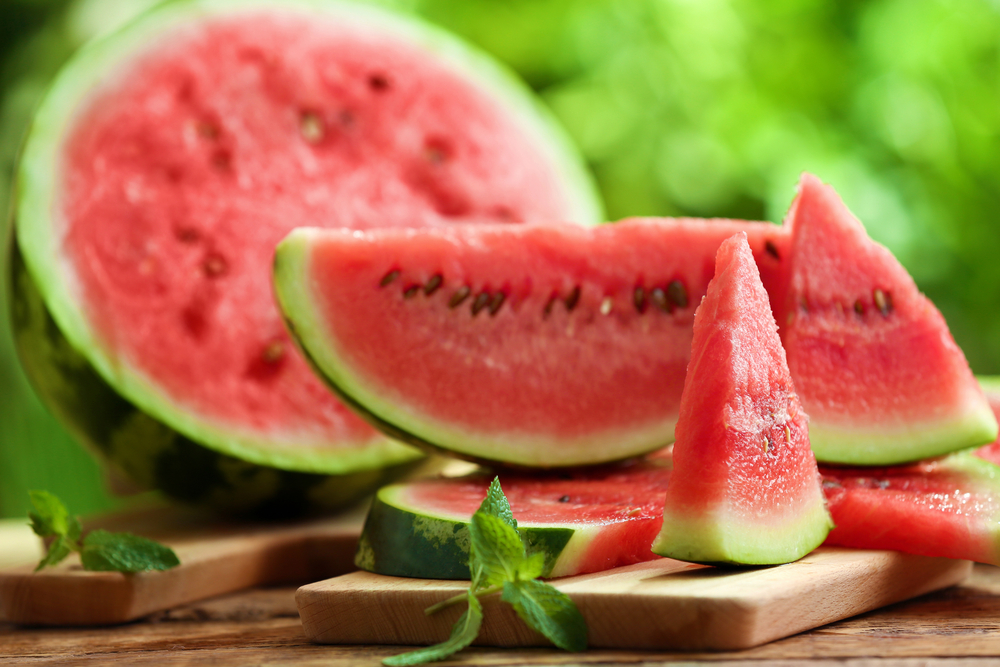
In addition to lycopene, watermelon contains high levels of citrulline.
It is an amino acid associated with the production of nitric oxide, which plays an important role in blood vessel health.
Pears
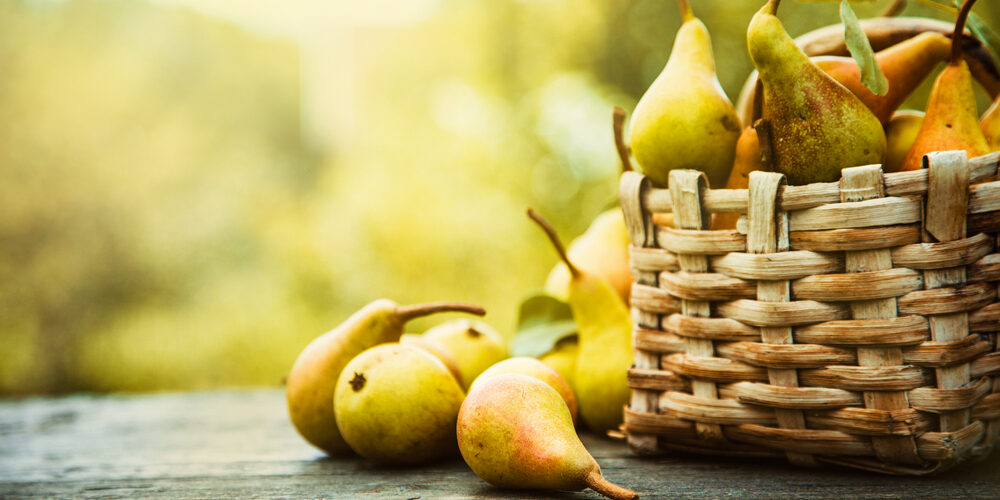
A medium-sized pear contains around 6 grams of fiber, equivalent to approximately 20 percent of the recommended daily intake.
A study published in Current Developments in Nutrition also linked the consumption of pears and apples to a lower risk of dying from cardiovascular disease.
Also read: One diet pattern may slow your brain's aging
Pomegranate
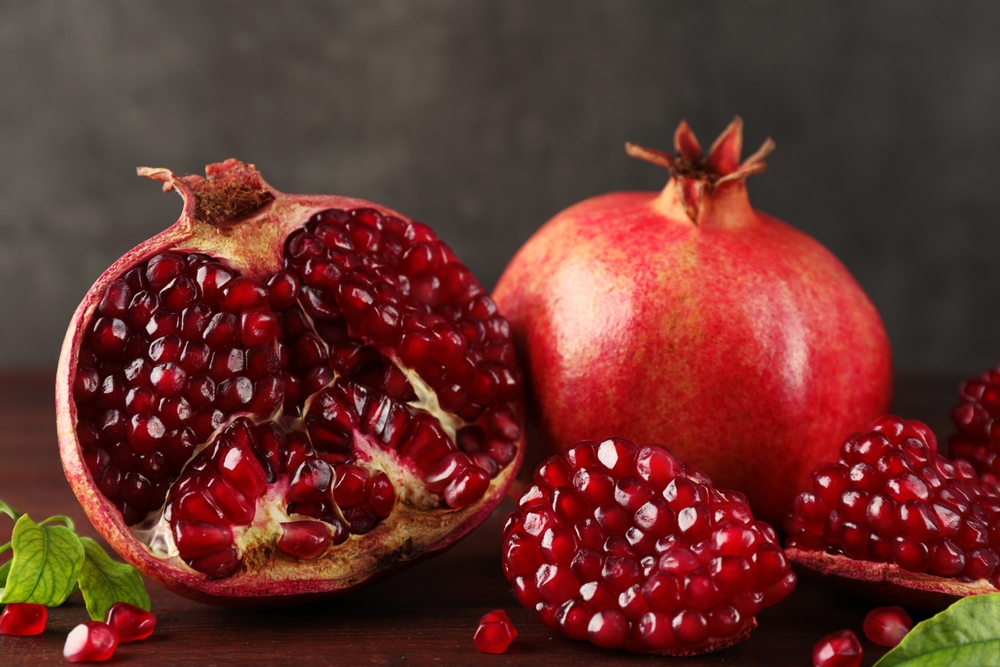
The red seeds of pomegranates contain high levels of antioxidants and anthocyanins.
A review of studies published in Pharmacological Research found that pomegranate juice may significantly lower both systolic and diastolic blood pressure.
Apples
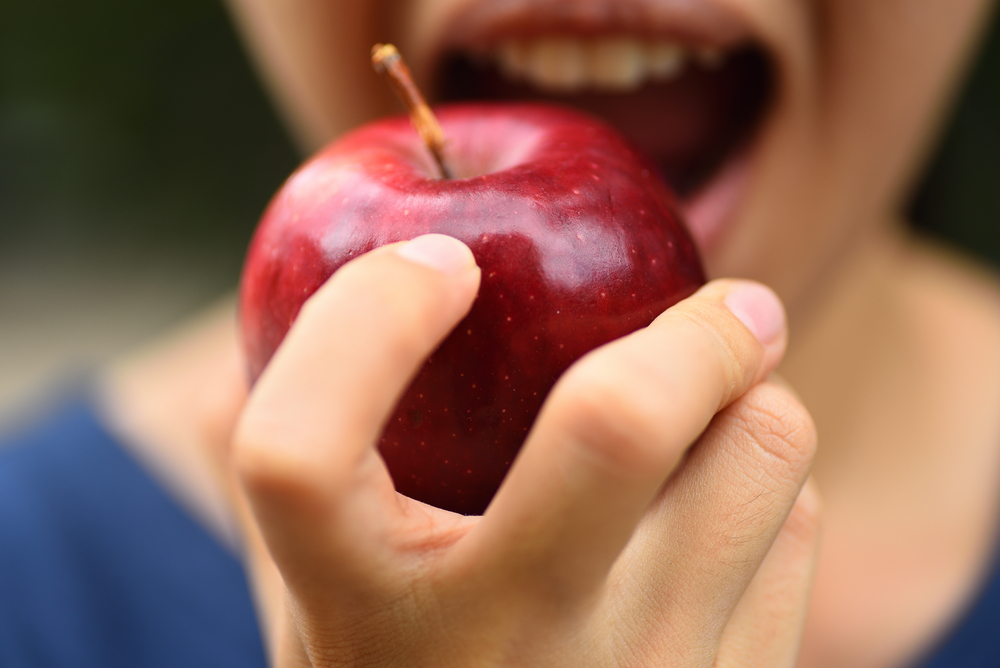
Apples are rich in pectin, a type of soluble fiber.
In a trial published in The American Journal of Clinical Nutrition, eating two apples a day was associated with lower cholesterol levels and improvements in markers of metabolic and heart health.
Also read: Home cardiac rehab could be just as effective as hospital programs
Keep the peel on the apple
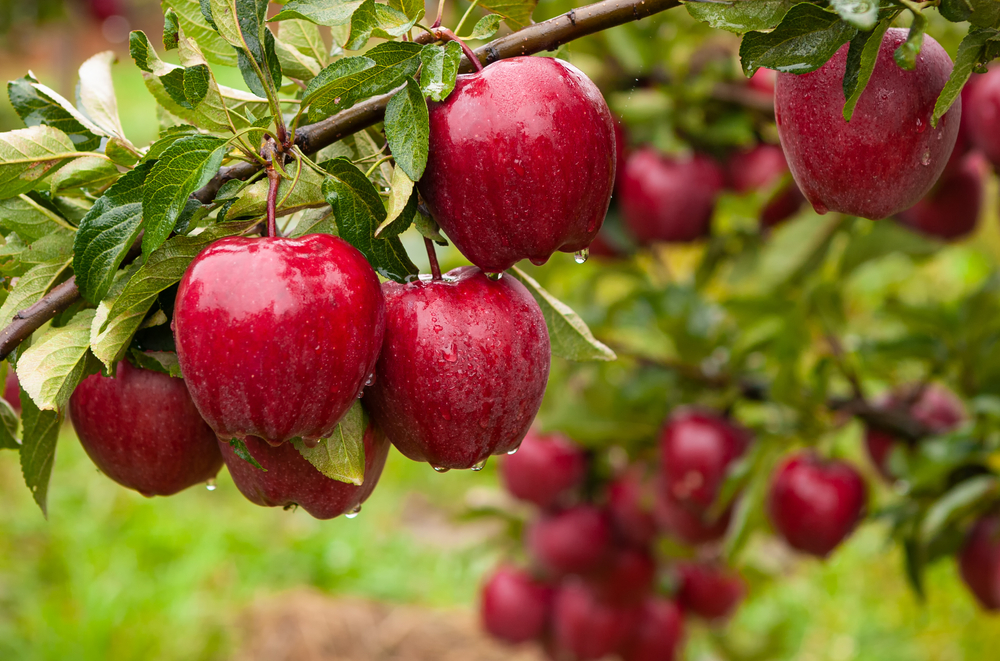
It may be beneficial to leave the peel on apples. Most of an apple's fiber and the plant compound quercetin are found in the peel.
Quercetin in apples may lower blood pressure
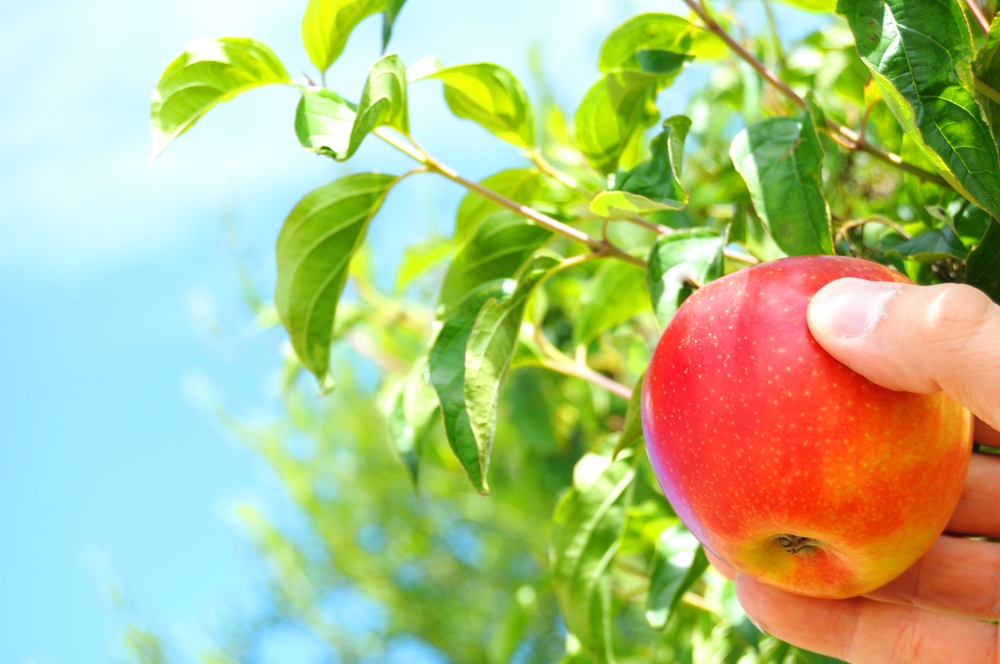
Apples contain the flavonoid quercetin, which has anti-inflammatory properties.
Research published in Hypertension has shown that the compound may reduce systolic blood pressure by around three points.
Cherries
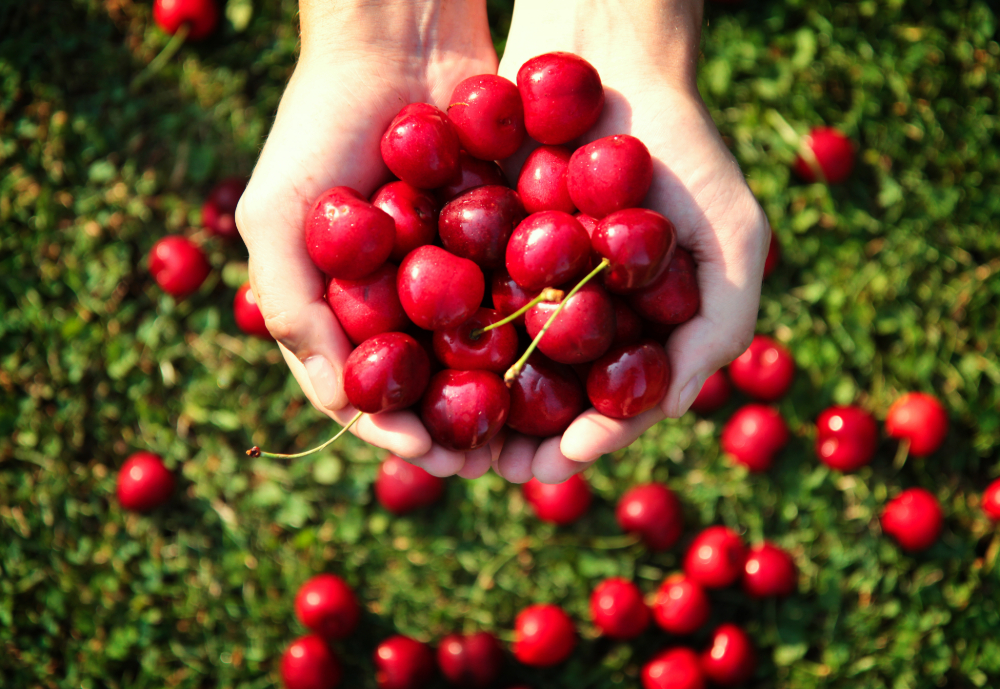
Cherries are rich in bioactive compounds, including flavonoids and anthocyanins.
Also read: 1 in 3 adults with new type 2 diabetes face heart or kidney failure within 5 years
These compounds may help reduce blood pressure and cholesterol levels.
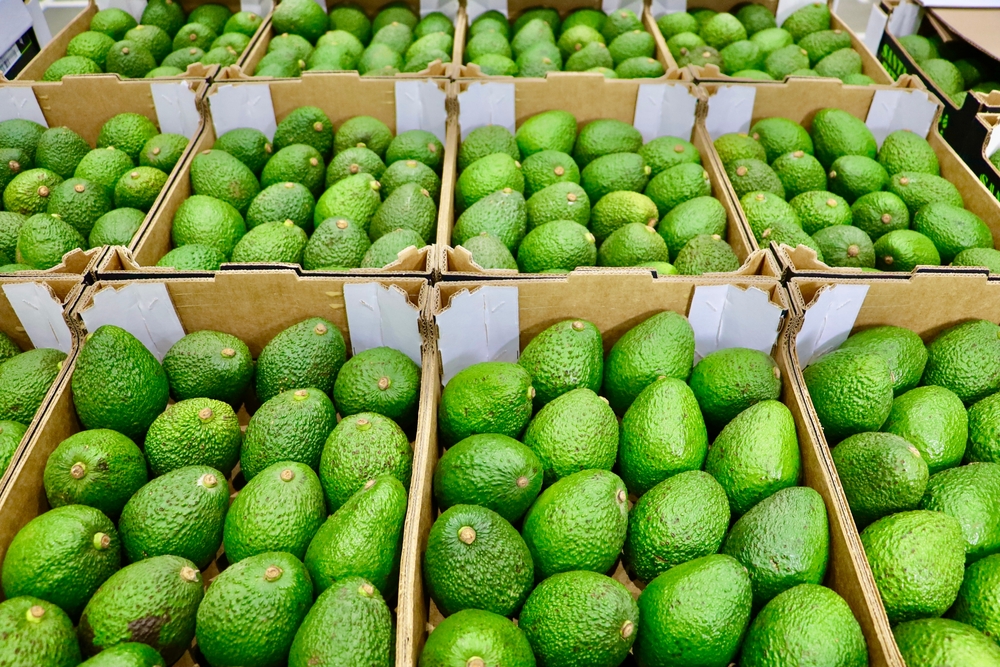
Avocado
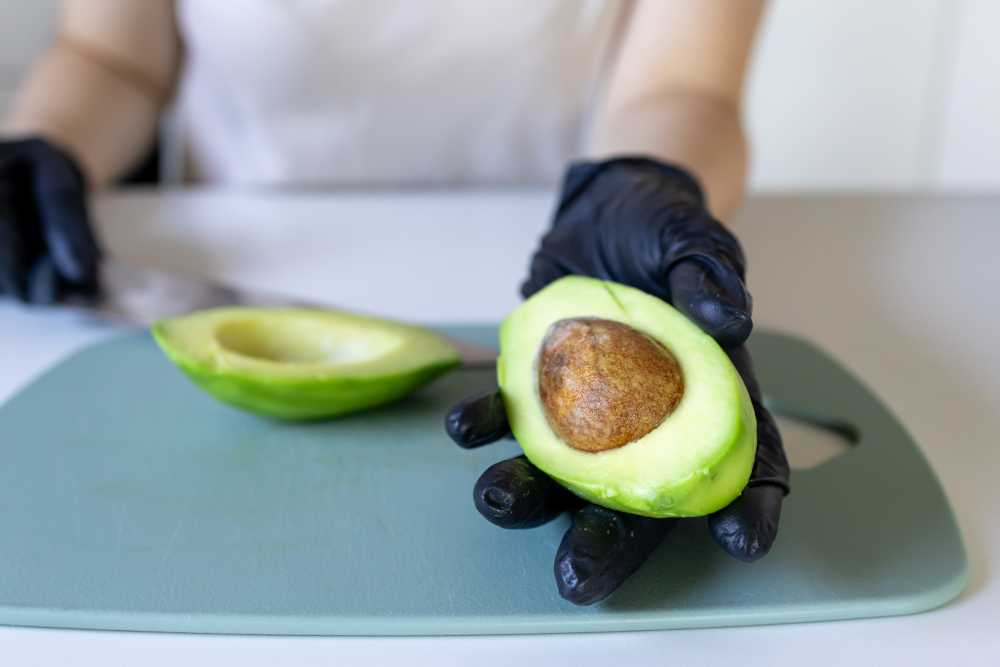
Avocado contains healthy fats and has been linked to heart health in research published in the Journal of the American Heart Association.
Studies published in Nutrition, Metabolism and Cardiovascular Diseases indicate, among other things, that avocado, as part of a diet low in saturated fat and cholesterol, may help lower total and LDL cholesterol levels.
Berries
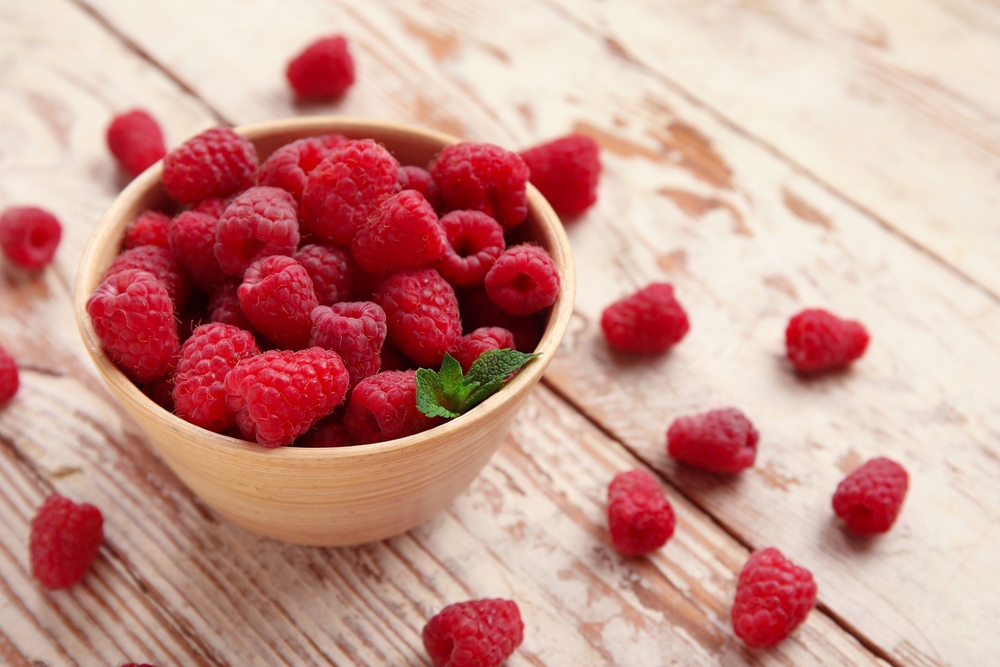
Berries are notable for their fiber content, with raspberries being particularly high in fiber.
Also read: How drinking dark soda every day can affect your kidneys
Blueberries also contain anthocyanins, which have been associated with improved blood flow in studies published in The Journals of Gerontology.
Citrus fruits
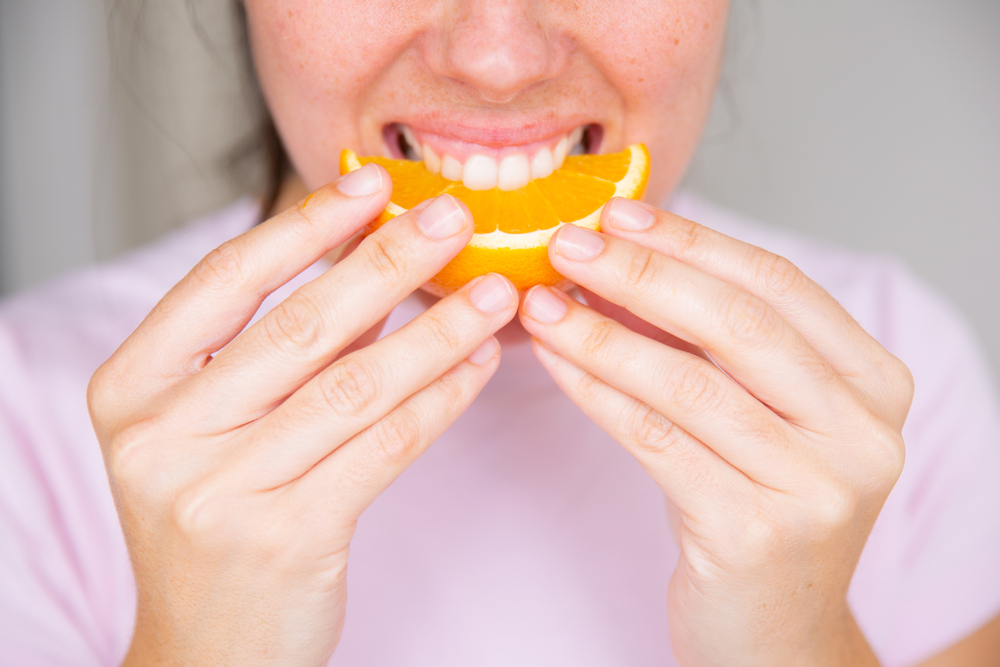
Oranges, lemons and grapefruit contain flavonoids.
According to research published in Oxidative Medicine and Cellular Longevity, these plant compounds may reduce inflammation, cholesterol levels and blood pressure.
The white parts of citrus fruits contain pectin
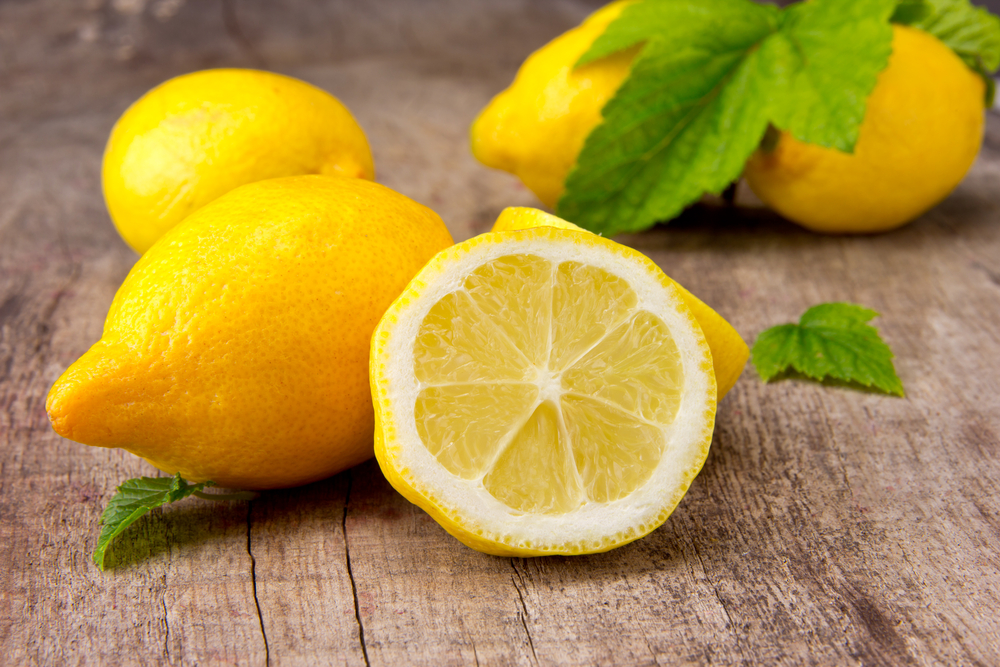
The white membranes and tissue in citrus fruits contain pectin. It is a soluble fiber that is also found in apples.
Grapes
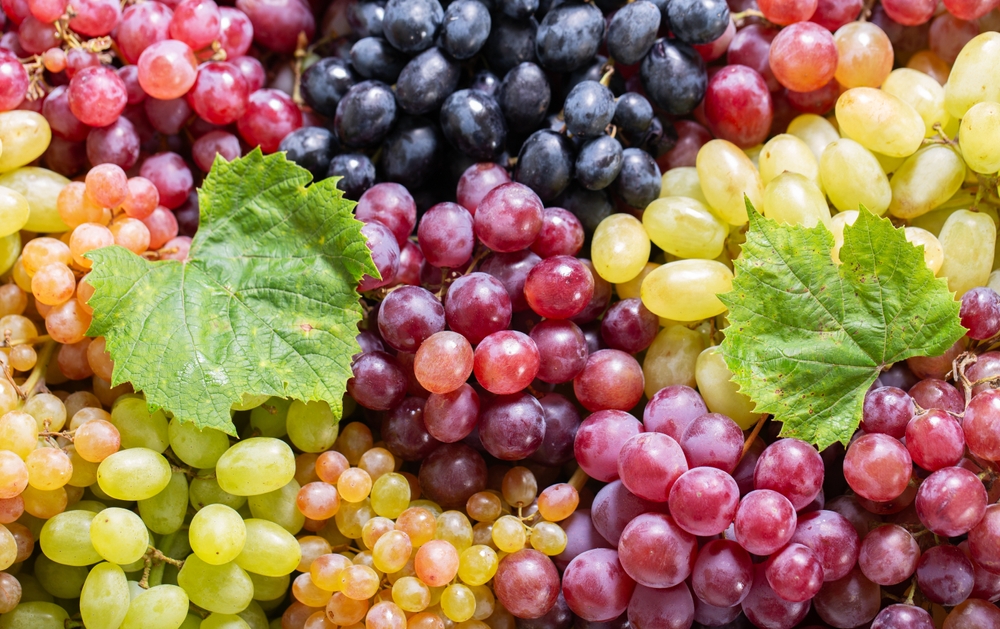
Grapes contain various phytonutrients, including resveratrol.
Many of these beneficial plant compounds are particularly concentrated in grape skins.
Grapes may affect blood pressure
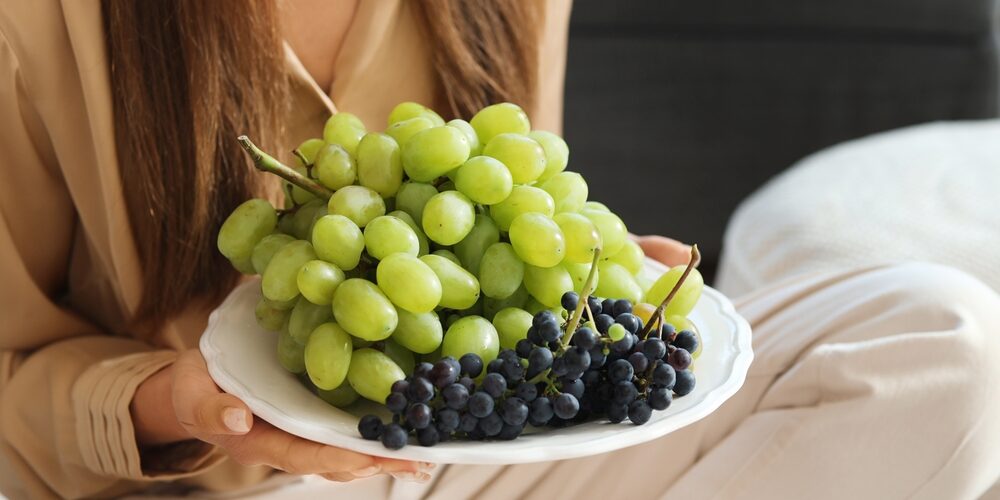
According to research, polyphenols in grapes may help lower blood pressure.
Grapes are among the fruits that have shown a significant protective effect on the cardiovascular system in research published in Nutrients.
Whole fruits are preferable
Eating a variety of whole fruits is recommended to obtain a wider range of nutrients.
Fresh fruit is preferable to cooked fruit, while fruit juice should be limited because it lacks the fiber found in whole fruit.
This article is made and published by Ida-Marie Palm Varbæk, who may have used AI in the preparation.