
It’s often when the body is at rest that the quietest symptoms speak the loudest. The night can reveal signs of illness that would otherwise go unnoticed – and some of them may be early indicators of cancer.
Here are 10 nighttime warning signs you should be aware of.
Soaked Sheets Without Explanation

Do you wake up drenched in sweat with soaked bed linen, even though you’re not ill or overheated? It could be a sign of an underlying condition your body is silently fighting.
Fatigue That Doesn’t Go Away

Do you wake up still feeling drained despite several hours of sleep? Persistent exhaustion that rest doesn’t relieve should be taken seriously.
Also read: Scarlet Fever in Children: Warning Signs You Should Never Ignore
Blood Where It Shouldn’t Be

Traces of blood in your urine, stool, or mouth after sleep can be alarming. The same applies to vaginal bleeding outside of your menstrual cycle.
Coughing That Disrupts the Night

Does your own cough wake you up – and is it accompanied by blood? It may be more than just a cold and should be checked out.
Sudden Weight Loss Without Cause
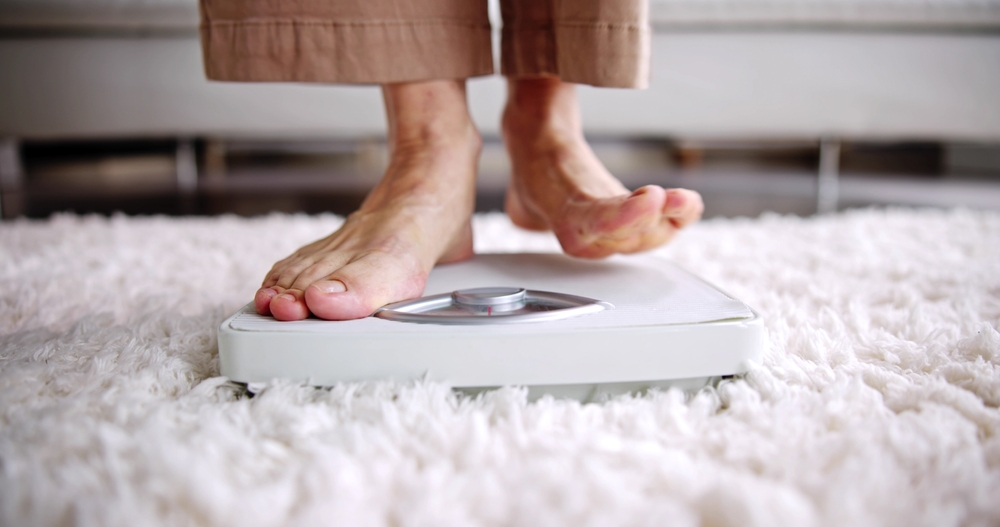
Are you losing weight rapidly without changing your diet or activity level? Nighttime is when your body restores itself – if energy is being used abnormally, it’s a red flag.
Swellings That Weren’t There Yesterday
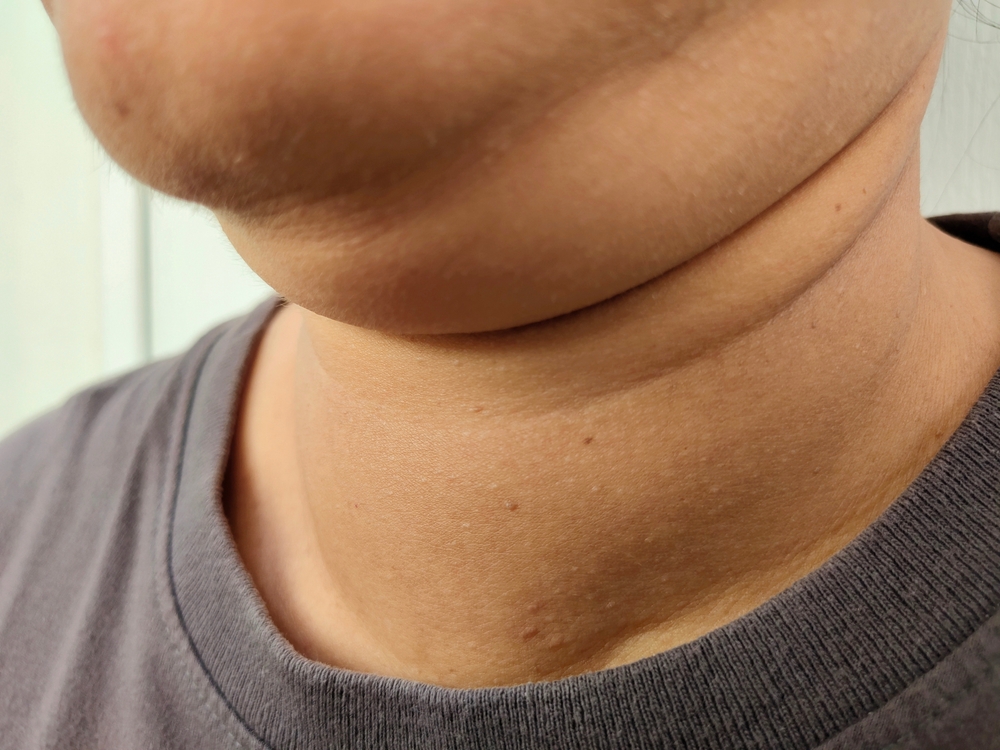
Do you feel lumps or unusual swelling in your body while lying in bed? This may signal something developing quietly beneath the surface.
Also read: Chefs Spill the Beans: How to Make a Tortilla Just Like in the Best Restaurants
Changes in Your Voice

Is your voice hoarse, deeper, or altered in the morning without having strained it the night before? Overnight voice changes can point to something more serious.
Feeling Less Connected to Your Body

A sense of weakness or reduced sensation in your limbs upon waking can be a sign of nerve disruption that shouldn’t be ignored.
Sleep That Never Feels Restful

Are you sleeping for hours yet never waking up refreshed? Constant tiredness despite uninterrupted sleep deserves attention.
Night Vision Changes or Visual Disturbances
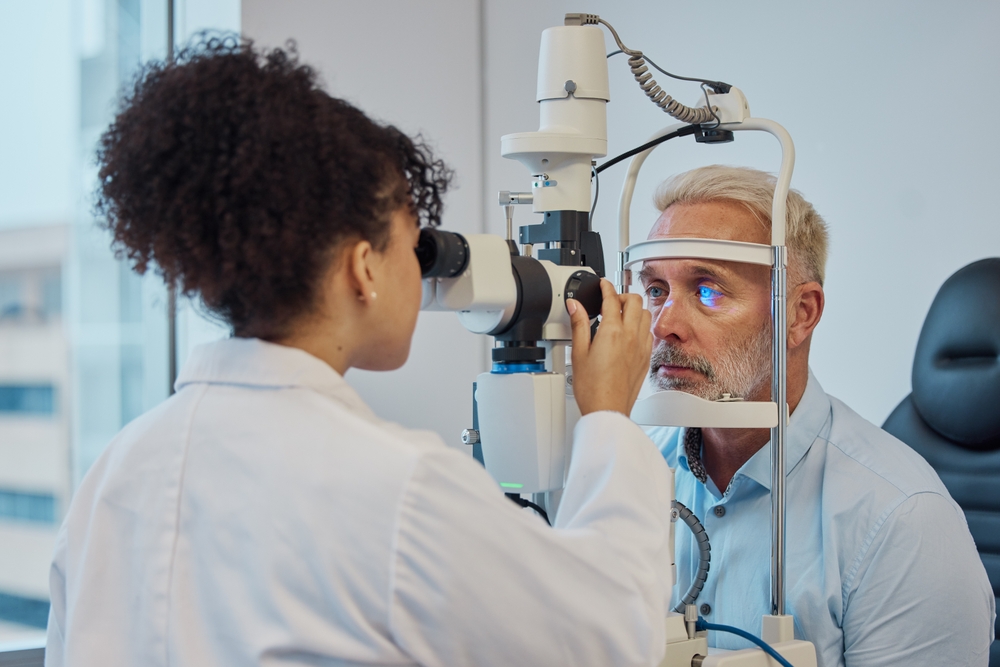
Do you struggle to see clearly at night or notice flickering and shadows upon waking? Your eyes can reveal a lot about what’s happening inside your body.
Also read: 10 Warning Signs Your Body Might Be Dehydrated
Article based on information from Futura-Sciences
Also read: Forget Air Conditioning! This Hack Works Even Better
This article is made and published by Mie Hermansen, who may have used AI in the preparation.