
Turkey is a popular food that not only tastes good but also provides a range of important nutrients.
Here is an overview of how the body is affected when you eat turkey, according to EatingWell.
Turkey is generally safe to eat

Turkey is considered a safe food for most people, unless you have an allergy to poultry.
Dark meat should be eaten in moderation
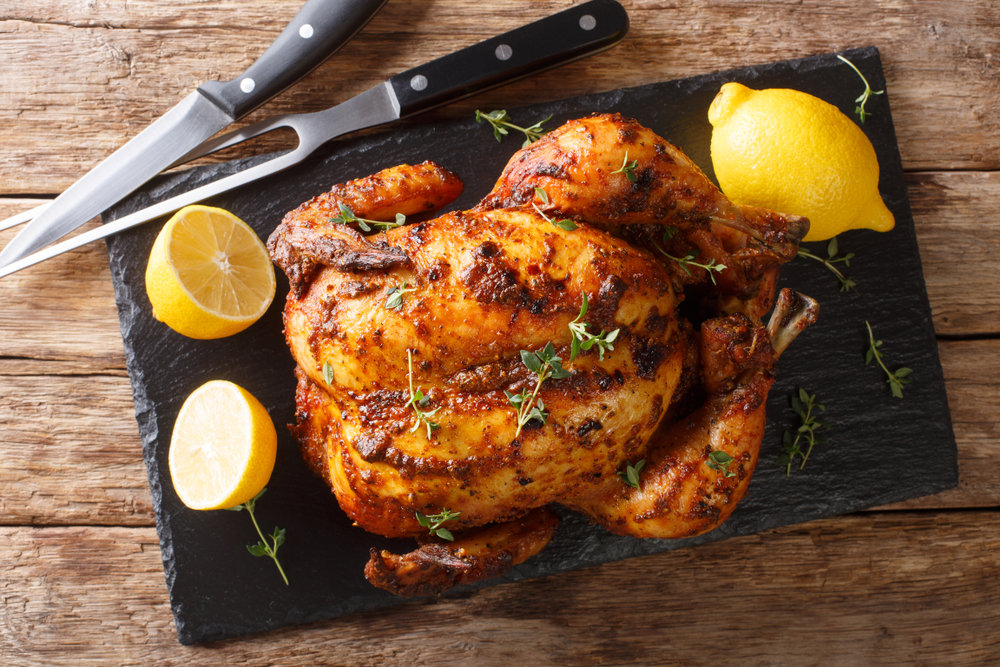
People with gout should limit their intake of dark turkey meat and skin, as it may increase uric acid levels in the body.
Also read: Why you should add olive oil to your coffee
Proper cooking is important

Turkey should be cooked to an internal temperature of 75 degrees Celsius, and good hygiene is essential when handling raw meat.
It is a versatile food

Turkey can be used in sandwiches, salads, and soups, making it easy to include in a wide variety of meals.
A good source of protein
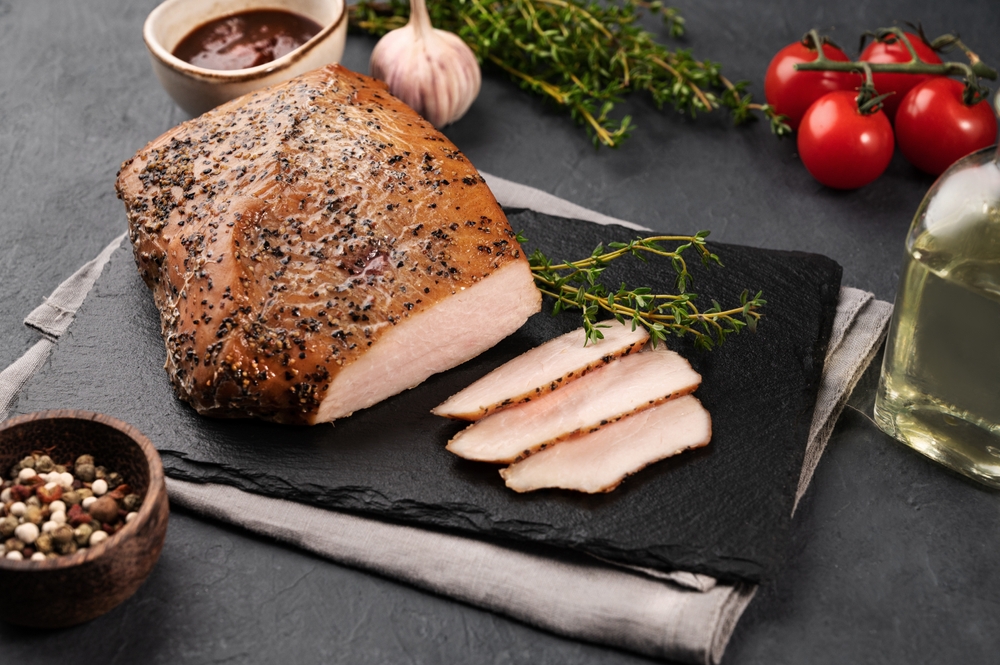
Turkey contains high-quality protein, which is important for maintaining and repairing muscles as well as supporting the body’s cells and functions.
Supports the body broadly
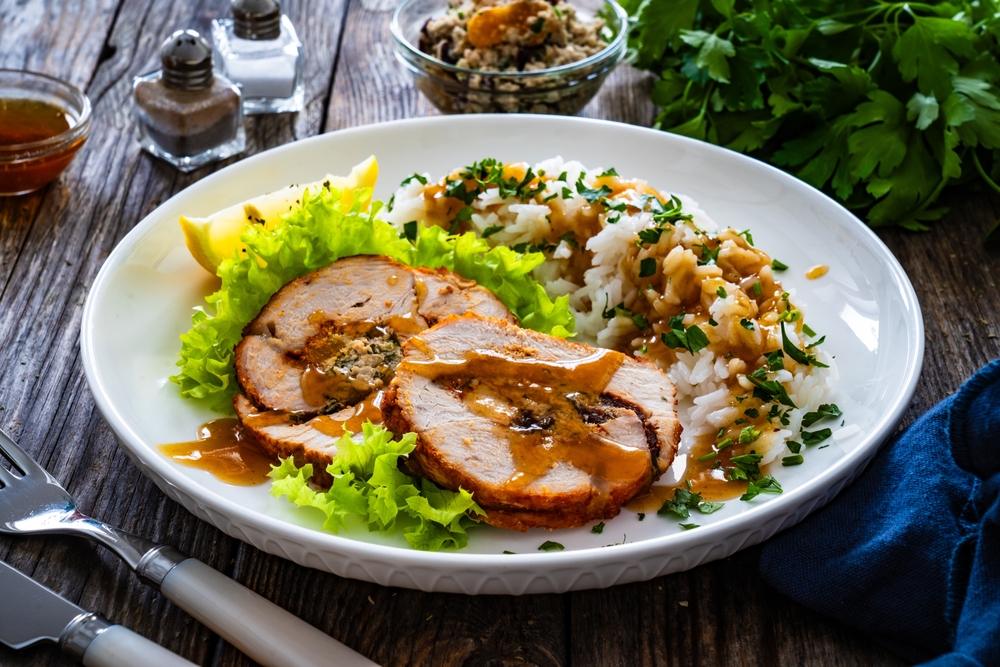
Protein also plays a central role in the immune system, hormone production, and cell repair, making it essential in a balanced diet.
Also read: New method removes up to 96 percent of pesticides and extends fruit shelf life
Daily protein intake

A serving of approximately 85 grams provides around 25 grams of protein, helping to cover a significant portion of the recommended daily intake.
Boost of B vitamins
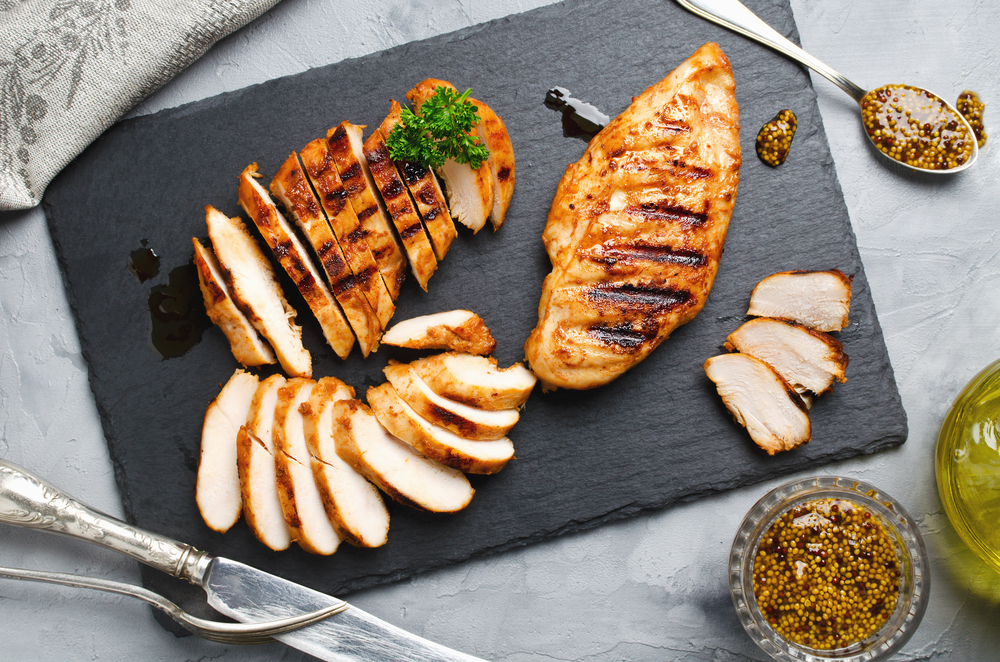
Turkey contains large amounts of vitamin B6 and B12, which are necessary for energy production and the body’s metabolism, according to a study published in The Permanente Journal.
B12 is important for DNA

Vitamin B12 plays a crucial role in the formation of DNA, which carries the body’s genetic information, according to a study published in Nutrients.
Lack of B12
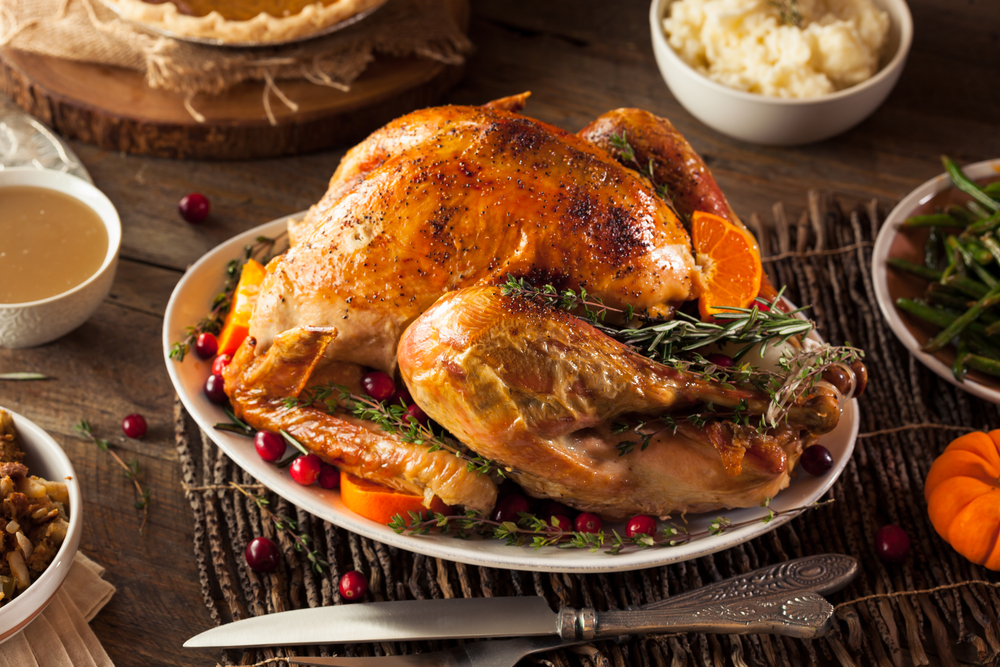
If you do not get enough B12, it can lead to anemia, fatigue, weight loss, and depression.
Also read: Should you throw out your cutting board? Here’s how to tell
Strengthens the immune system

Turkey contains iron and zinc, which help the body fight infections and support a healthy immune system.
Lack of minerals weakens the body
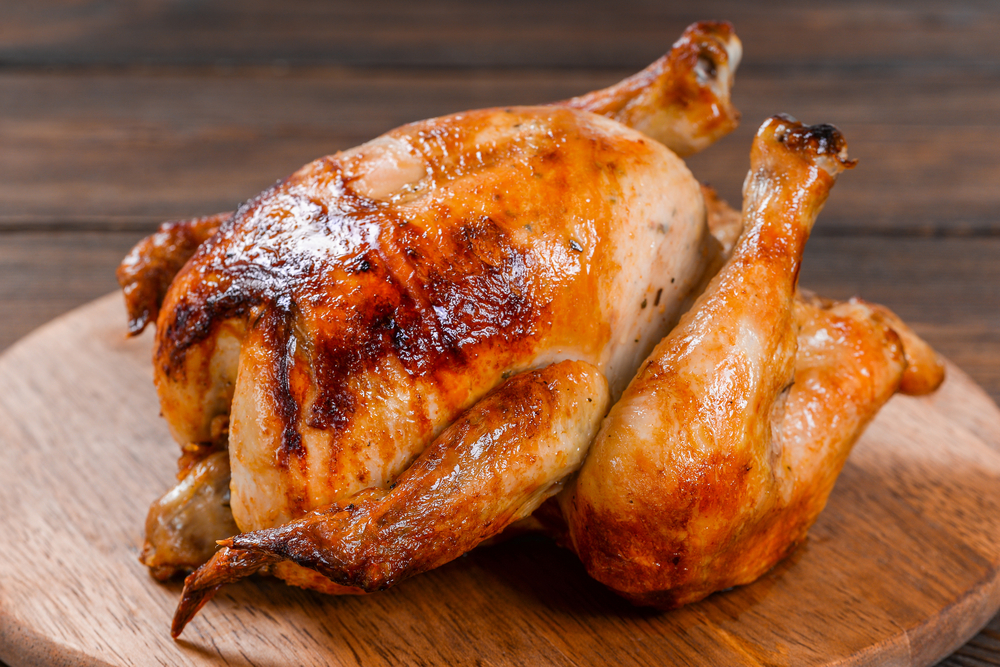
If the body lacks iron or zinc, it may become harder to resist diseases and infections, according to a study published in Journal of Immunology Research.
Benefits memory and mood

Turkey contains choline, which supports brain function and is important for cognitive abilities, according to a study published in The American Journal of Clinical Nutrition.
Affects the production of serotonin
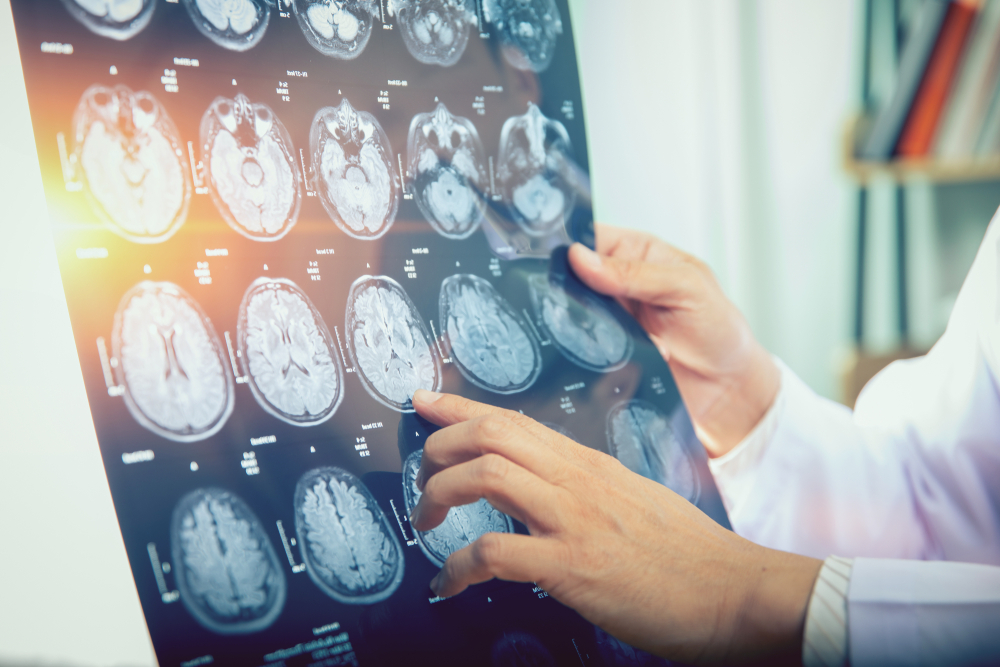
The amino acid tryptophan in turkey contributes to the production of serotonin, which can have a positive effect on mood.
Also read: How omega-3 affects your body if you take it every day for 30 days
Contains selenium with antioxidant effect
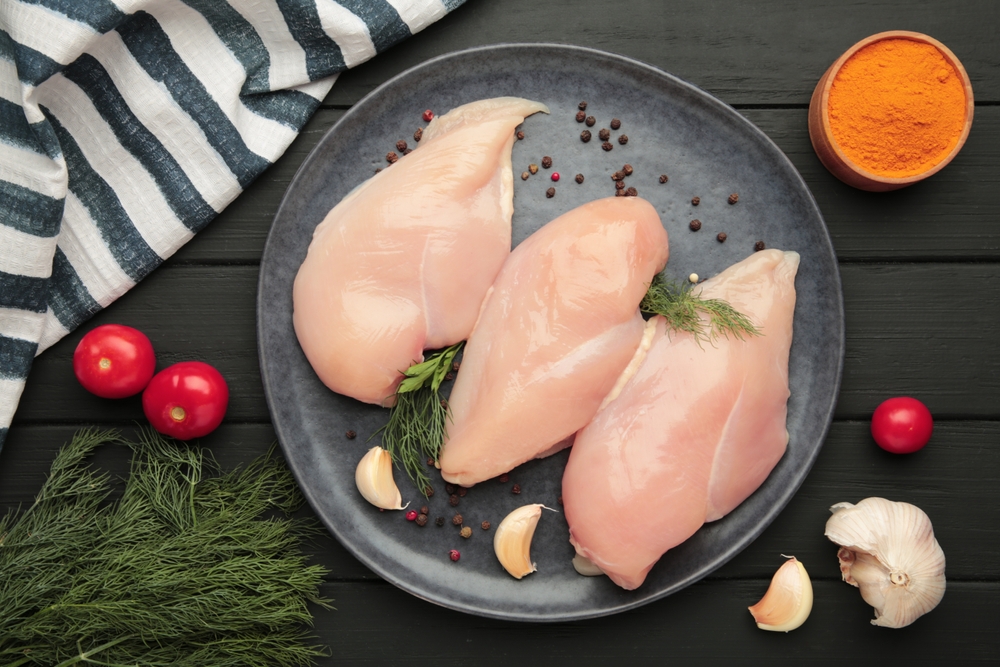
Selenium protects the body’s cells from damage caused by free radicals and plays a role in both metabolism and reproduction.
Selenium also supports the immune system

This mineral helps protect against infections and oxidative stress in the body.
Sources: EatingWell, The Permanente Journal, Nutrients, Journal of Immunology Research, and The American Journal of Clinical Nutrition.
Also read: Beef or chicken? New study suggests it may not matter for prediabetics
This article is made and published by Ida-Marie Palm Varbæk, who may have used AI in the preparation.