
Taking a break from alcohol can affect everything from sleep and weight to blood pressure, mood and testosterone within just a few weeks, reports Men's Fitness.
You may lose weight within weeks
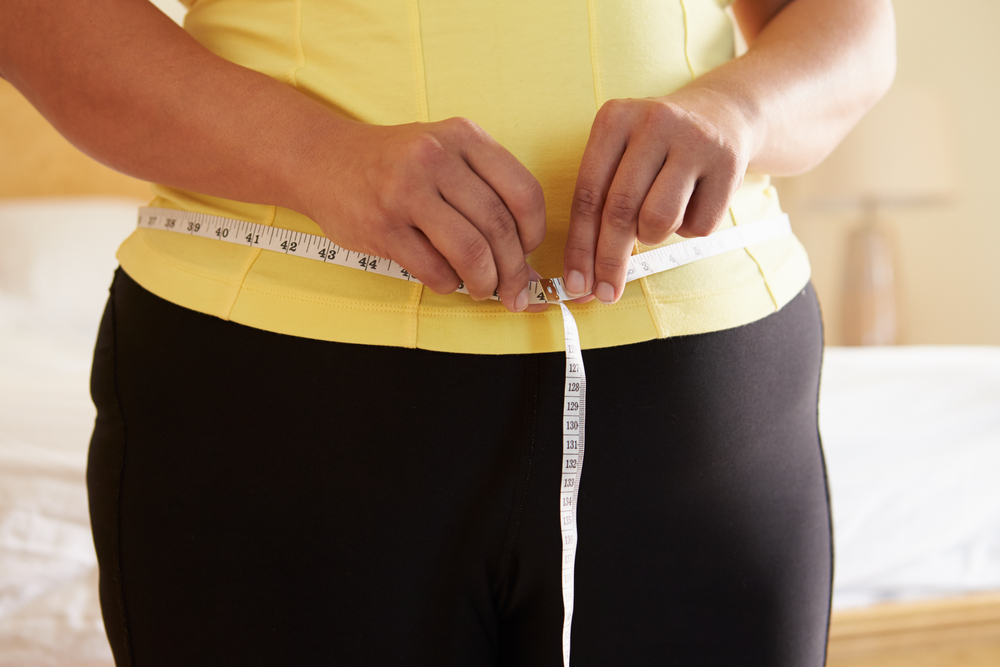
In a study from the Royal Free Hospital, participants lost an average of three kilograms during a month without alcohol. They made no changes to their diet or exercise habits during the study.
Alcohol contains a lot of calories
Alcohol provides seven calories per gram. That is more than both protein and carbohydrates and only slightly less than fat.
Blood sugar levels may fall

Participants in the Royal Free Hospital study also experienced a reduction in blood glucose after going without alcohol for 31 days.
Also read: On a low-carb diet? Your genes may be quietly raising your cholesterol
Cholesterol levels may decrease
The same study recorded a decline in participants’ cholesterol levels during the alcohol free period.
Your body may respond better to insulin
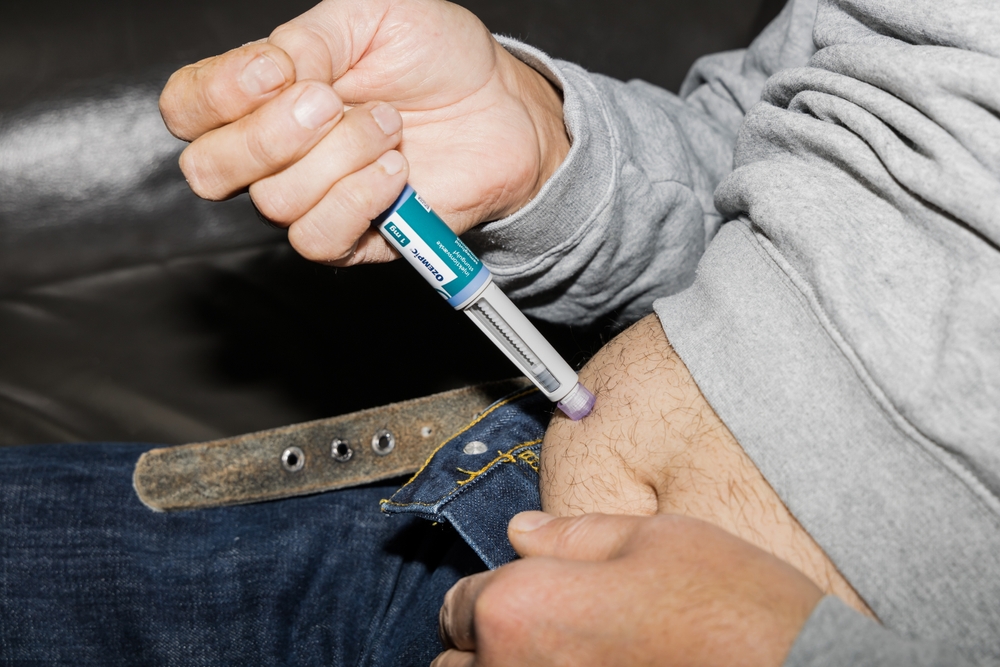
After 31 days without alcohol, insulin resistance among the participants had fallen by 25.9 percent. The study involved people with moderate to high levels of alcohol consumption.
Blood pressure may improve

Systolic blood pressure fell by 6.6 percent during the same month without alcohol, showing that measurable changes can occur within a relatively short period.
Two growth factors dropped significantly
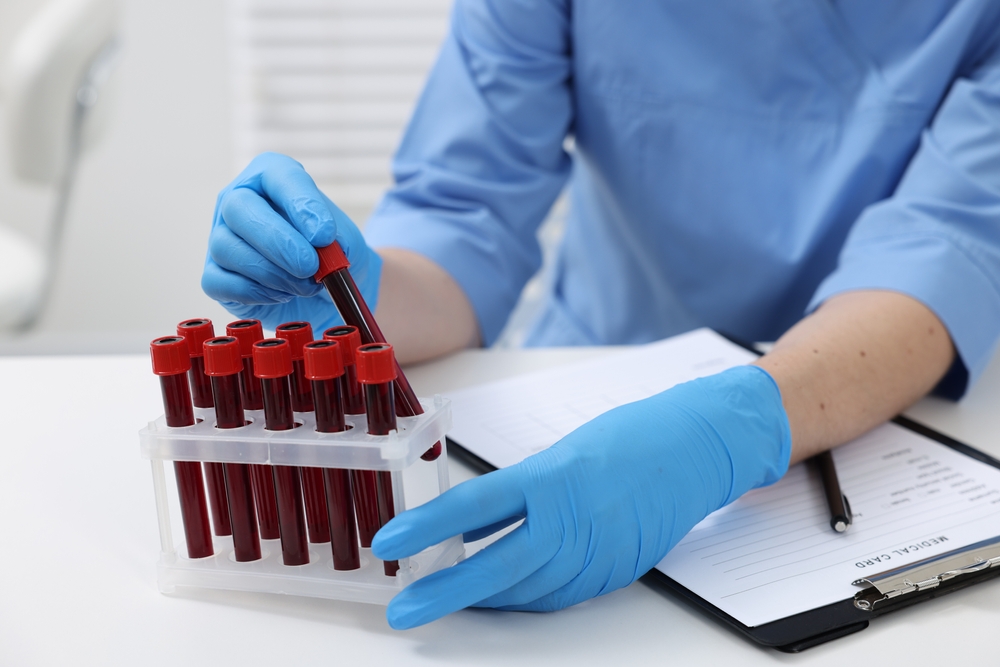
Researchers also measured VEGF and EGF, two growth factors that the original article links to cancer risk. Both fell by more than 40 percent after 31 days of abstinence.
Also read: The best time of day to exercise based on your sex
Your sleep quality may improve

Alcohol can make it easier to fall asleep, but it can also reduce the quality of your sleep. REM sleep in particular may be delayed and shortened after drinking.
Just a few drinks can affect your sleep

A 2024 systematic review of 27 studies found that alcohol can affect REM sleep after as little as two drinks.
Better sleep may come quickly

The University of Sussex tracked people taking part in Dry January, and 71 percent said their sleep improved during the month. Many noticed a difference within the first week.
Mood, energy and focus may improve

A Brown University review of 16 studies on Dry January found that people who avoided alcohol for a month scored higher on standard measures of wellbeing. They also reported better energy and sharper focus.
Also read: If you drink alcohol, the type you choose may affect your heart risk
Testosterone levels may rise over time

One study followed 51 alcohol dependent men during six weeks of detoxification. At the beginning, their testosterone levels were similar to those of healthy non drinkers, but after six weeks their levels were higher. The original article also notes that prolonged heavy drinking can interfere with signalling between the brain and testes that helps regulate testosterone production.
Also read: 8 in 10 young cancer patients found it themselves. Doctors missed the signs
This article is made and published by Mie Hermansen, who may have used AI in the preparation.