
Garlic has been used in traditional medicine for centuries, and research points to several potential health benefits associated with regular consumption, according to Real Simple.
The special plant compounds
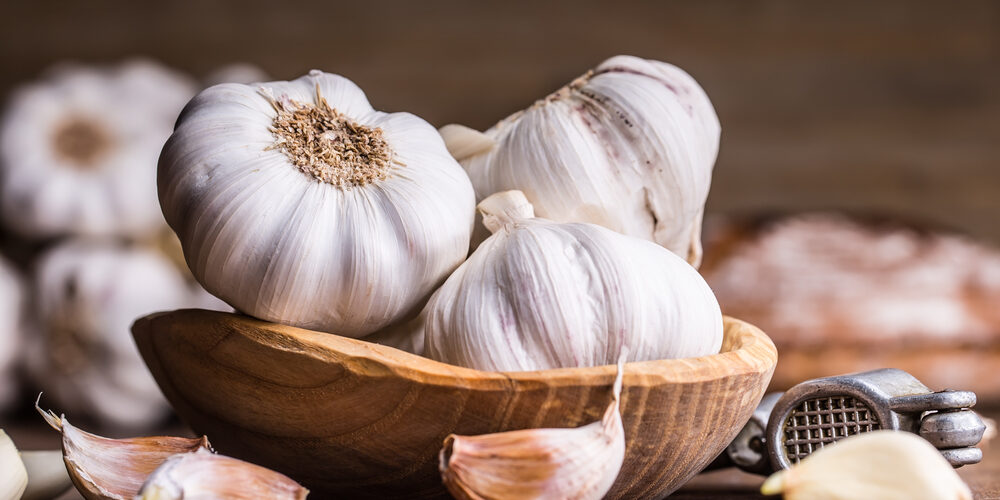
Although garlic contains only small amounts of vitamins and minerals, it is the bioactive plant compounds that make it particularly interesting from a nutritional perspective.
Allicin is formed
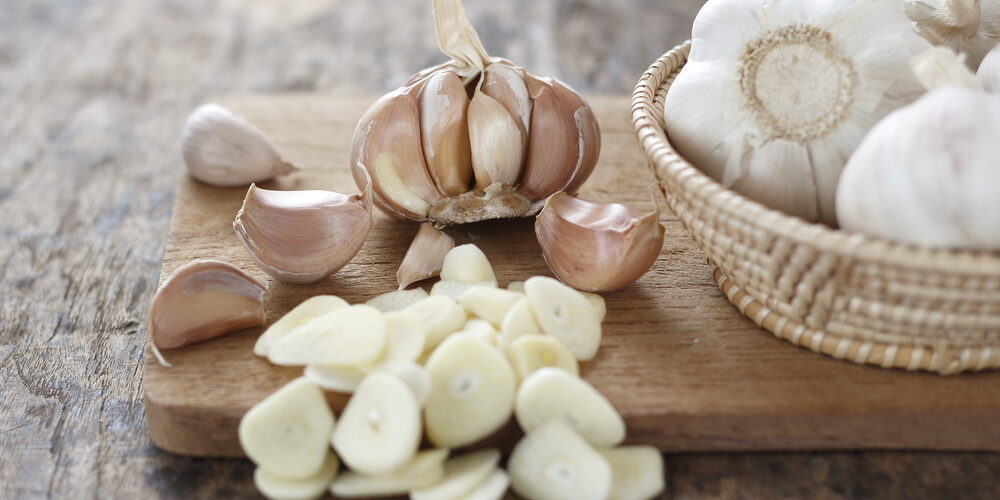
The most important process begins when garlic is prepared by chopping or crushing it.
This triggers the formation of allicin, which is then converted into other active sulfur-containing compounds.
Also read: Birth control pills may affect your appetite, new study suggests
May support heart and circulatory health

These sulfur compounds have been linked to positive effects on the cardiovascular system and are among the most extensively studied components of garlic.
Very few calories

A serving of approximately 5 grams of raw garlic contains around seven calories, along with small amounts of protein, carbohydrates, and fat.
The gut microbiome
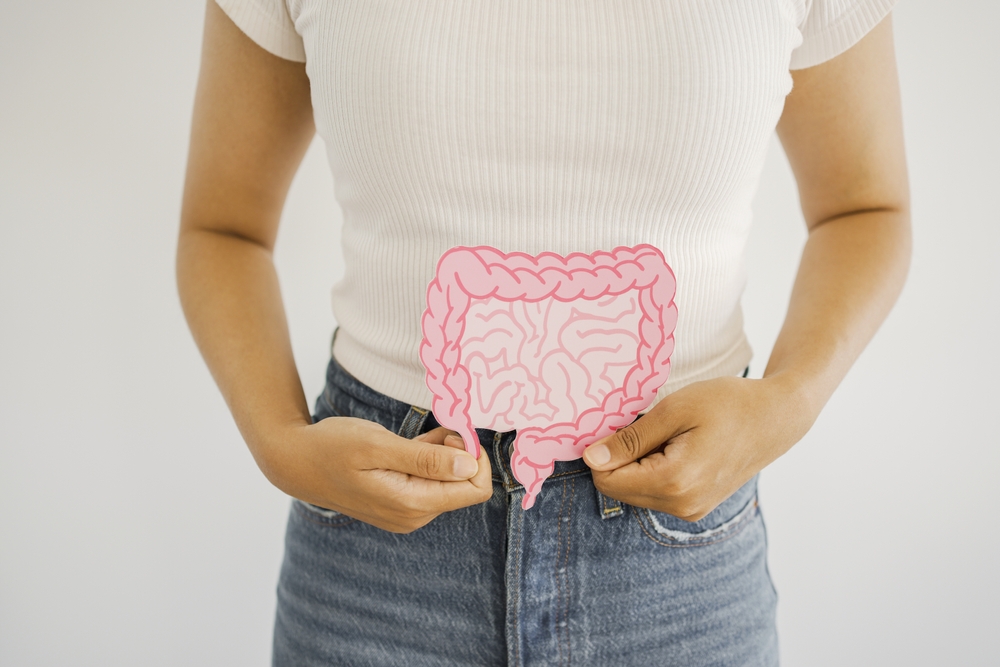
Garlic acts as a prebiotic and may promote the growth of beneficial gut bacteria such as Lactobacillus and Bifidobacteria.
The immune system

Even within the first few weeks, garlic may contribute to increased activity in immune cells and help the body maintain its natural balance.
Also read: Tired people face higher risk of high blood pressure
Bad breath and mild digestive discomfort

The most common drawback is odor from the breath and skin. Some people may also experience mild digestive discomfort.
Cholesterol levels may improve over time
After six to eight weeks of regular consumption, research published in Antioxidants suggests that garlic may help lower both total cholesterol and LDL cholesterol levels.
Blood pressure may be positively affected

The same study indicates that consistent garlic intake may be associated with lower blood pressure, particularly in individuals with mildly elevated levels.
May help combat oxidative stress
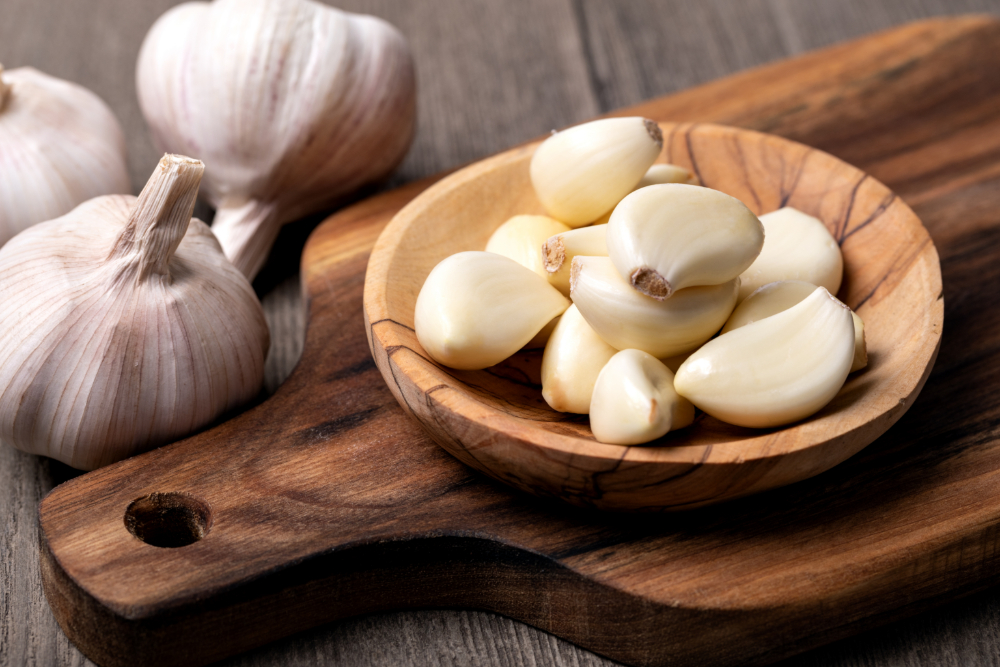
Over time, the active compounds may enhance the body's antioxidant capacity and protect cells from damage caused by free radicals.
Also read: Do you drink Pepsi Max? New study raises questions about popular sweeteners
Reduced inflammation
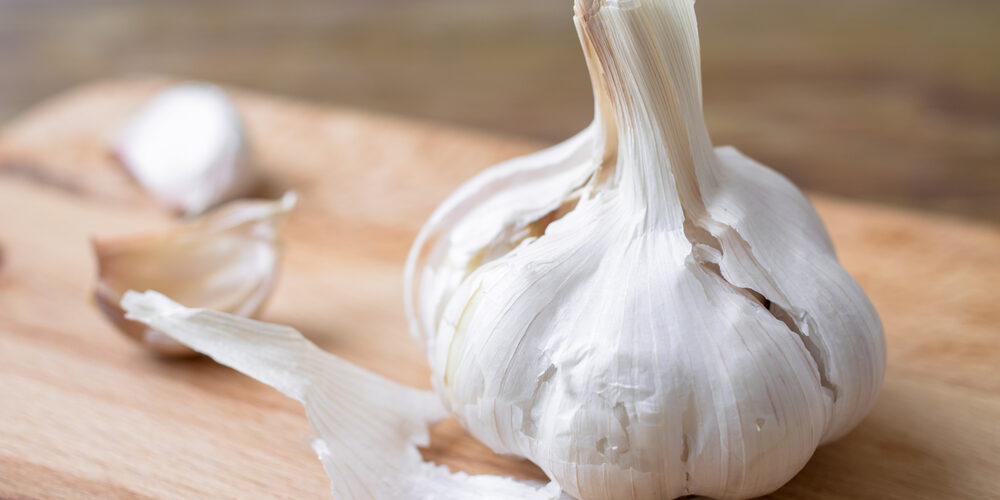
By limiting oxidative stress, garlic may also help reduce processes associated with inflammation.
Blood-thinning medication

Garlic has a natural blood-thinning effect, which may affect people who are already taking anticoagulant medication.
One clove a day and proper preparation
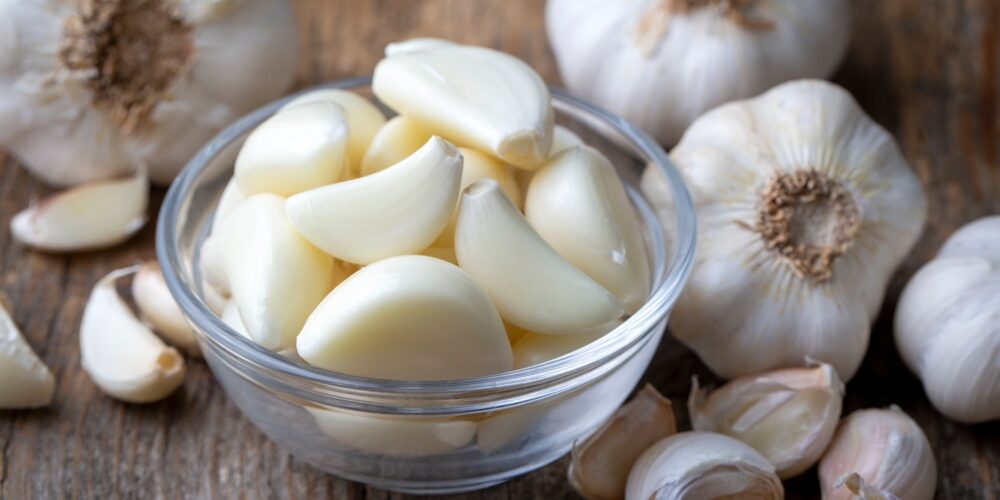
According to Real Simple, the World Health Organization considers 2 to 5 grams of fresh garlic per day to be an appropriate amount.
To encourage the formation of beneficial compounds, it is recommended to let chopped garlic rest for a few minutes before heating it.
Also read: Feeling tired? You may be missing these key nutrients
At the same time, grated and frozen garlic may still retain its active compounds.
Also read: Donald Trump has turned 80 – here’s how age affects the body
This article is made and published by Ida-Marie Palm Varbæk, who may have used AI in the preparation.