
Staying hydrated is important, but drinking too much water can also become a health risk, according to Vinmec.
What is water intoxication?

Water intoxication occurs when the body absorbs more water than it can eliminate.
This dilutes the sodium concentration in the blood and can disrupt the body's balance of fluids and electrolytes.
The kidneys can become overloaded
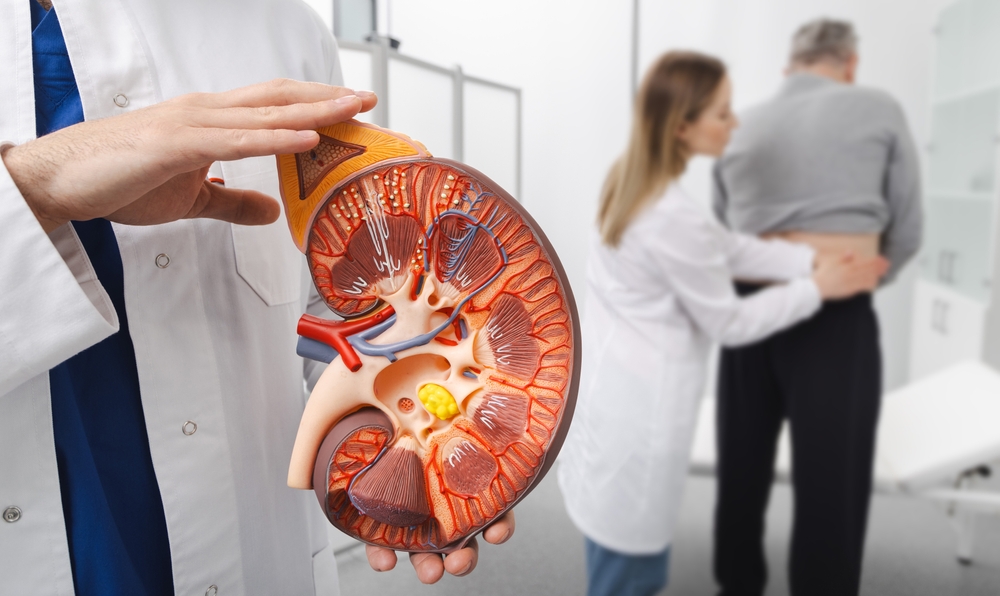
Consuming an excessive amount of fluids can put strain on the kidneys.
Also read: Alcohol may affects you differently after weight-loss surgery
If the strain becomes severe, it may lead to kidney failure and affect several of the body's functions.
The liver is not directly affected
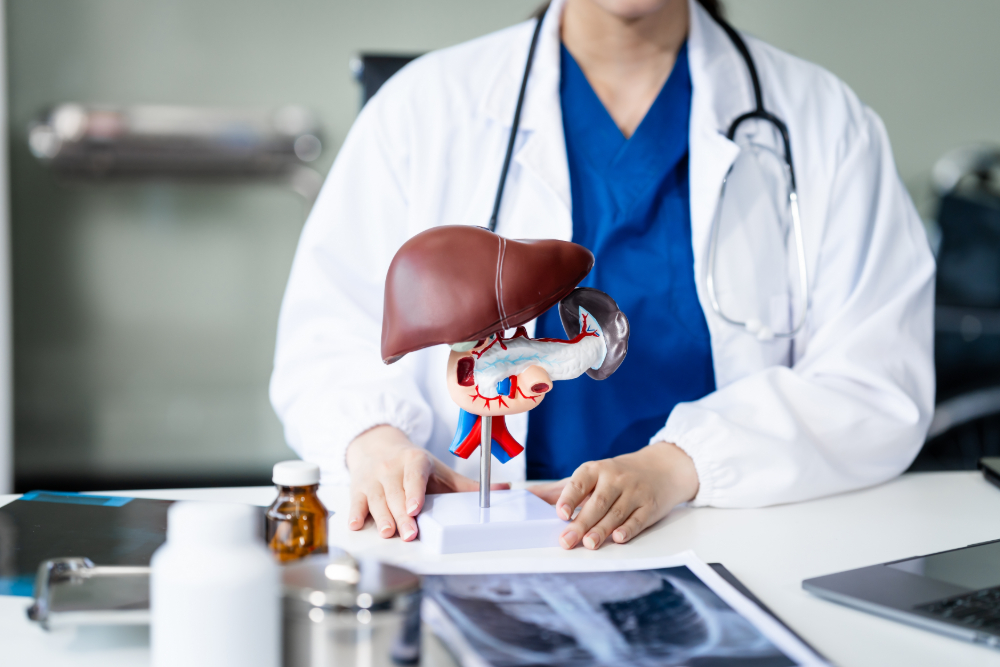
Vinmec points out that the liver is not involved in regulating the body's water and electrolyte balance.
As a result, water intoxication primarily affects the kidneys.
Young children face a higher risk

Infants are particularly vulnerable because their kidneys are not yet fully developed.
Also read: New study: Nearly one in two takeaway meals contains more salt than advertised
For this reason, breast milk or infant formula provides all the fluids they need during the first months of life.
Prolonged exercise can increase the risk

People who engage in intense exercise for more than four hours a day may develop water intoxication.
In these cases, drinking excessive amounts of water can cause blood sodium levels to fall too low.
Dieting can lead to excessive fluid intake
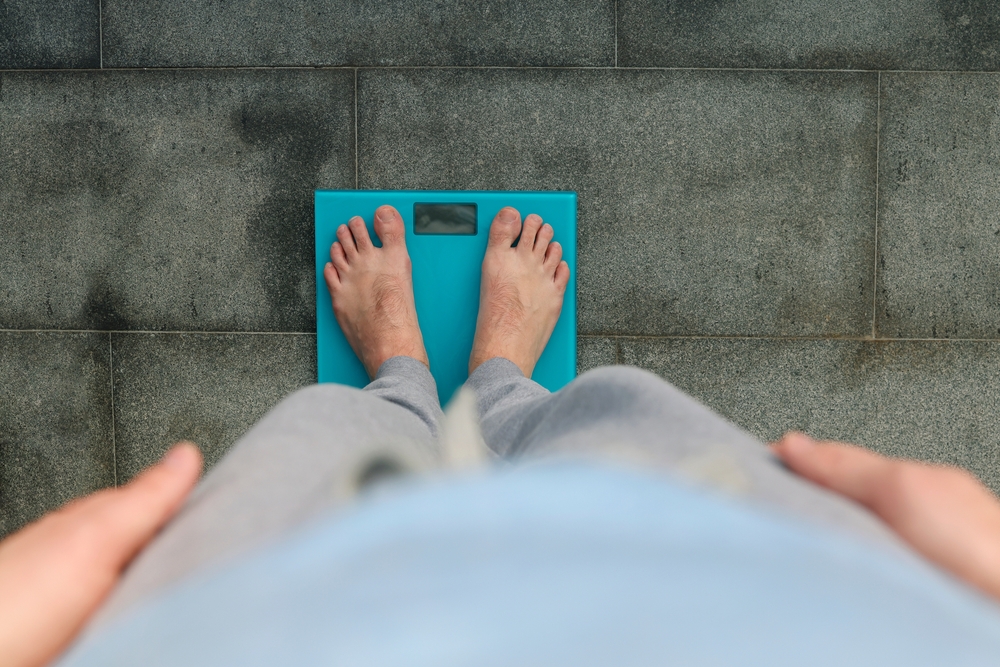
Some people drink large amounts of water to suppress their appetite and feel full for longer.
Also read: Rising sea temperatures could boost harmful bacteria
Vinmec notes that this is not a safe or effective method of losing weight.
Mental health conditions may play a role
Excessive water consumption may also be linked to mental health conditions, including compulsive eating or drinking behaviors.
Headaches can be an early warning sign

When the body takes in too much water, the brain can begin to swell, increasing pressure inside the skull.
As a result, headaches are often one of the earliest symptoms of water intoxication.
Also read: How diet soda can affect your liver if you drink it every day
Additional symptoms may develop

Drinking too much water can also cause muscle cramps, fatigue, nausea, and swelling in the lower legs.
This is partly because sodium and potassium become diluted in the bloodstream.
Severe cases can be life-threatening

In severe cases of water intoxication, symptoms may include hallucinations, seizures, paralysis, coma, and, in the worst cases, death.
Treatment depends on the severity

Mild cases can often be treated by reducing fluid intake under a doctor's guidance.
Also read: New sugar patterns may help detect cancer earlier
More severe cases may require treatment with diuretic medication.
Prompt treatment may be necessary

If water intoxication causes severe neurological symptoms, the imbalance between fluids and electrolytes must be treated immediately with a hypertonic saline solution.
Drink according to your body's needs

Vinmec recommends drinking when you are thirsty rather than forcing yourself to consume large amounts of water.
The right amount of fluid depends on factors such as age, overall health, activity level, climate, and body weight.
Extra fluids may be needed in hot weather

When spending time outdoors or in hot conditions, drinking around 500 milliliters of additional water may be appropriate.
If you sweat heavily during exercise, electrolyte drinks or electrolyte tablets can help replenish sodium levels.
This article is made and published by Ida-Marie Palm Varbæk, who may have used AI in the preparation.