
Protein plays a key role in a healthy diet, but consuming excessive amounts can affect the body in several ways. A nurse has highlighted a series of signs that may indicate an imbalance caused by too much protein.
Too much protein
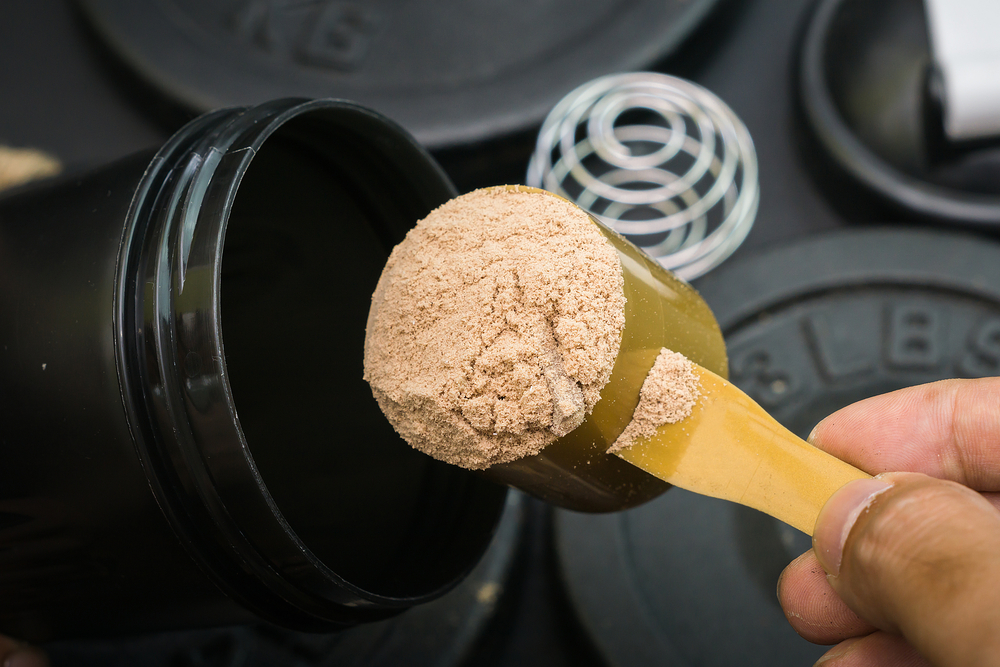
Protein is essential for the body, yet very high intake can create strain and contribute to health issues over time.
Importance of balance

A balanced diet with the right mix of protein, carbohydrates and vegetables is described as more beneficial than extreme or restrictive diets.
Protein sources
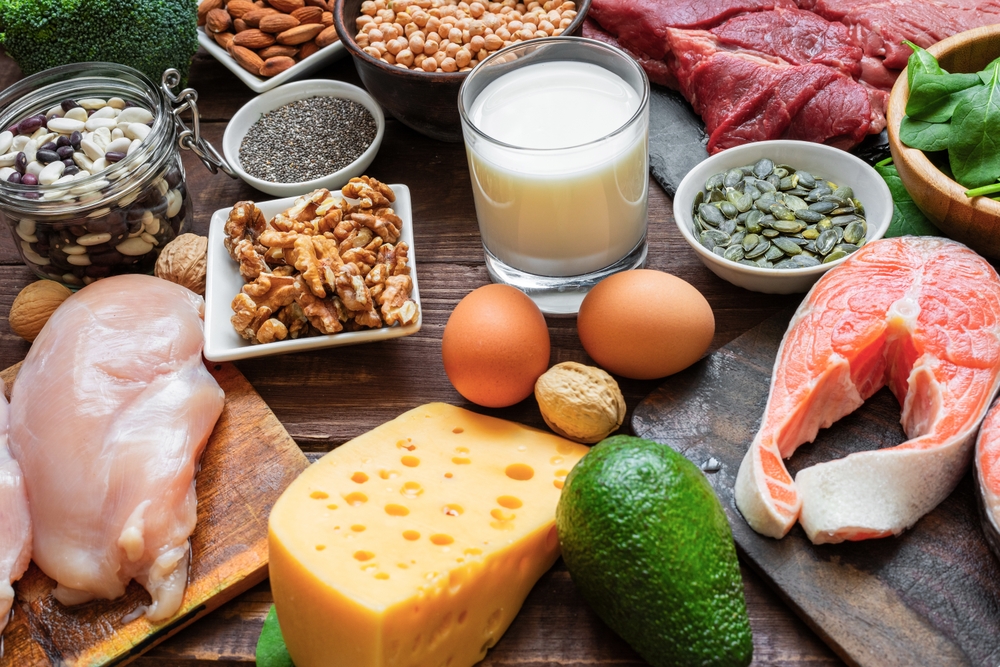
Protein can come from fish, beans and pulses, nuts, cheese or meat, and the choice of source can influence overall health.
Also read: Why chia seeds should not be consumed without liquid
Increased intake

Some people raise their protein intake when trying to build muscle at the gym, which can increase the risk of overconsumption.
Dehydration risk

High protein consumption can lead to more frequent urination because the kidneys must work harder to process it.
Water intake

Nurse Amy Isler advises people on high protein diets, including keto, to pay close attention to staying well hydrated.
Bad breath

On the keto diet, the body may enter ketosis, burning fat instead of glucose, which can cause breath to smell like fruit or nail polish.
Also read: WHO study examines preventable causes of cancer worldwide
Digestive discomfort

A protein heavy diet can lack fibre, potentially leading to gastrointestinal discomfort.
Supplements effect
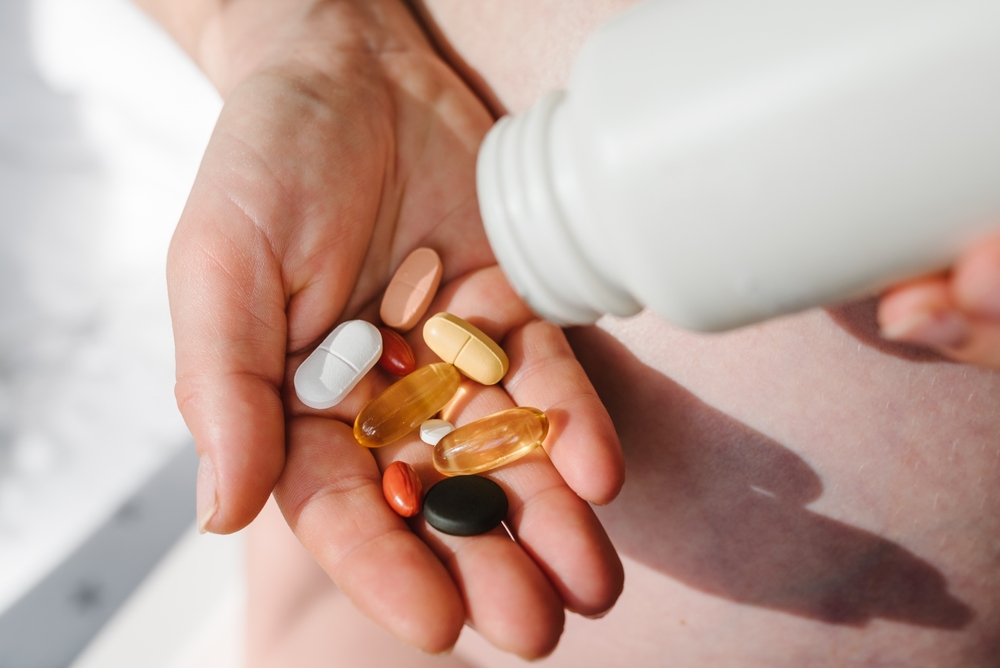
These digestive issues may be more noticeable when protein intake relies heavily on powders, bars or other supplements.
Heart health

Protein from fish, beans, pulses and nuts is linked to better heart health, while excessive red meat consumption may raise the risk of heart disease.
Weight changes

Extra protein can be converted into sugar and stored as fat, contributing to weight gain, while muscle growth can also increase body weight.
Also read: Can an apple a day keep the doctor away? Science weighs in
Kidney and liver strain

People with underlying kidney or liver conditions may be more affected, as protein metabolism produces ammonia that is usually expelled in urine.
Sources: Unilad
Also read: Fecal transplants may improve response to cancer immunotherapy