
There is no single showering routine that suits everyone. Skin type, age, activity levels and existing skin conditions can all play a role, but your body may show some clear signs when you are not washing often enough, reports UNILAD.
Body odour can be an early sign

When sweat, bacteria and other substances build up on the skin, body odour can become more noticeable. This is one of the clearest indications that it may be time to wash.
Greasy skin can point to infrequent washing

If your skin feels oilier than usual, accumulated sweat and natural skin oils may be contributing. This can become particularly noticeable when there are long gaps between showers.
Your hair can show signs too

The effects are not limited to your skin. Hair can also begin to feel greasy when it is not washed regularly enough.
Also read: Dolly Parton kept her cancer diagnosis private – sister explains why
Your skin may become more vulnerable to infection
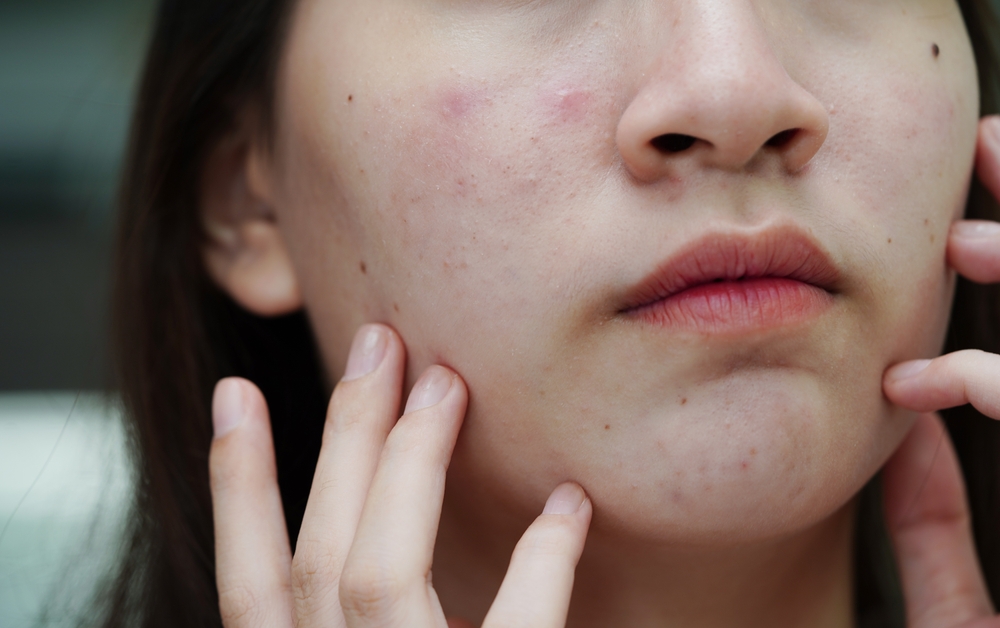
When bacteria remain on the skin, they can enter pores and hair follicles. This can make the skin more susceptible to irritation and infection.
Hair follicles can become inflamed
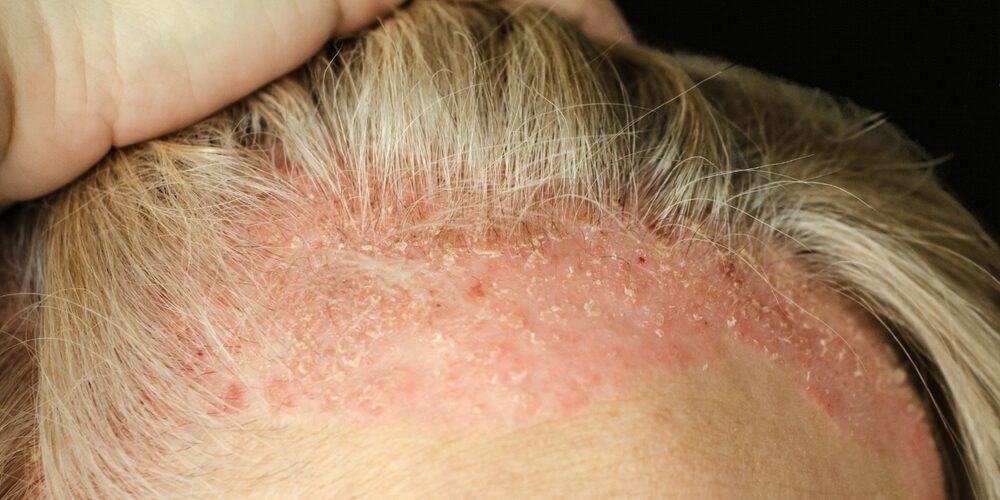
Bacteria entering the hair follicles can contribute to folliculitis, a condition in which the follicles become inflamed. According to the article, it is often caused by a bacterial infection.
Fungal problems can develop in skin folds
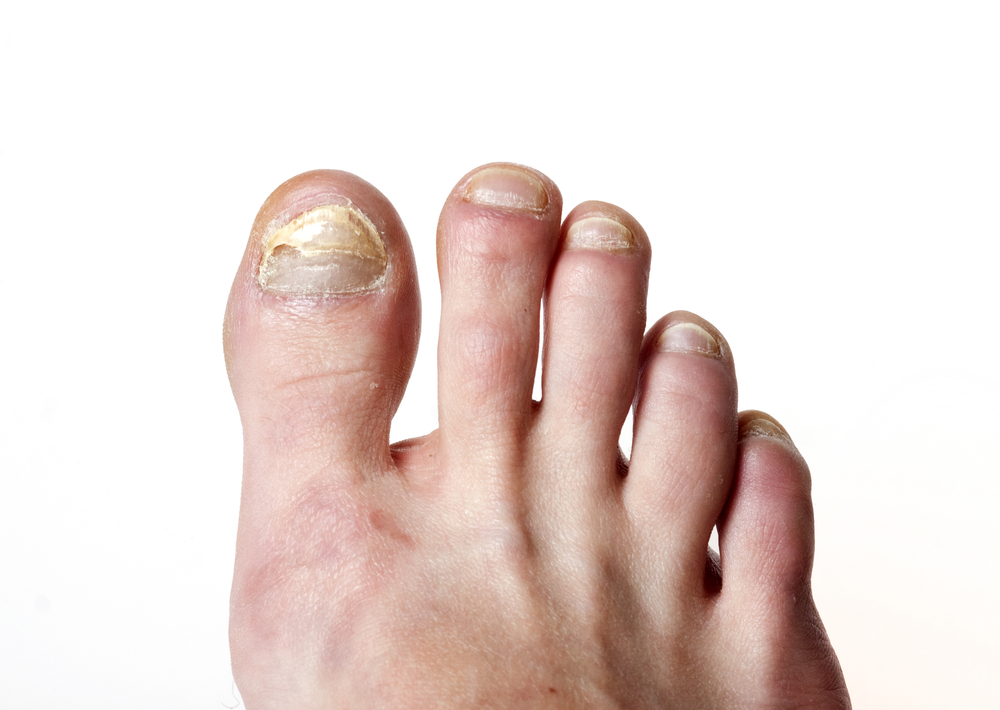
Fungus can settle in folds of the skin when conditions allow it to thrive. This can contribute to problems such as jock itch or athlete's foot.
Showering too often can cause problems too

Infrequent washing is not the only potential issue. Showering too frequently can remove some of the natural oils that help protect the skin.
Also read: The amount of salt you eat daily may be slowly scarring your kidneys
The skin's natural balance can be disrupted
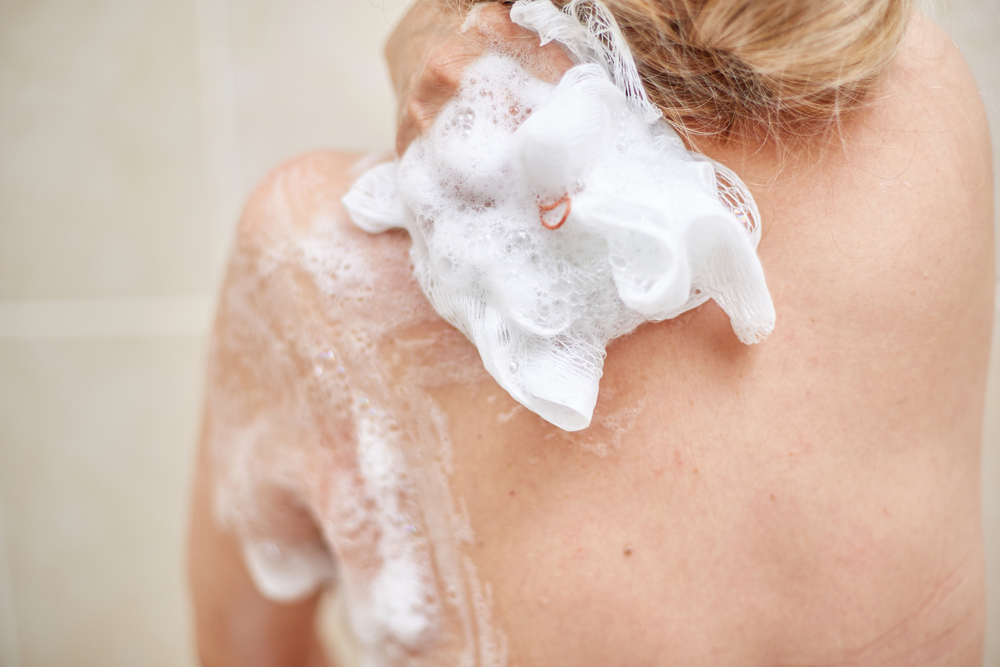
Frequent washing can affect the balance of microorganisms that naturally live on the skin. It can also dry out the skin's outer layer and make it more sensitive.
Eczema requires extra care
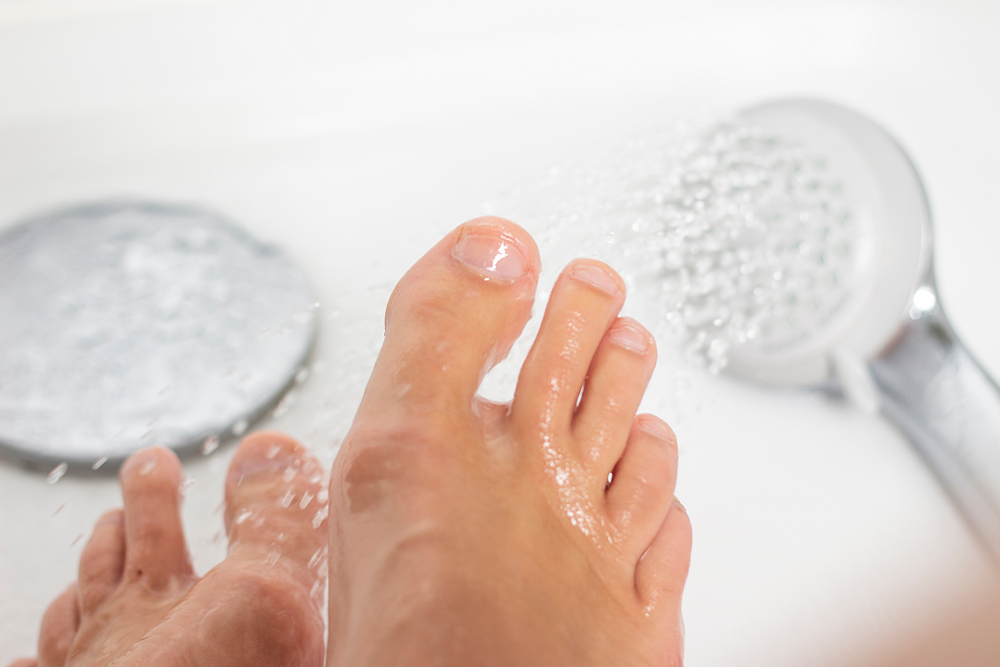
People with eczema may find that frequent washing weakens their skin barrier. Hot water can also make dryness and irritation worse.
Older skin may need less frequent washing
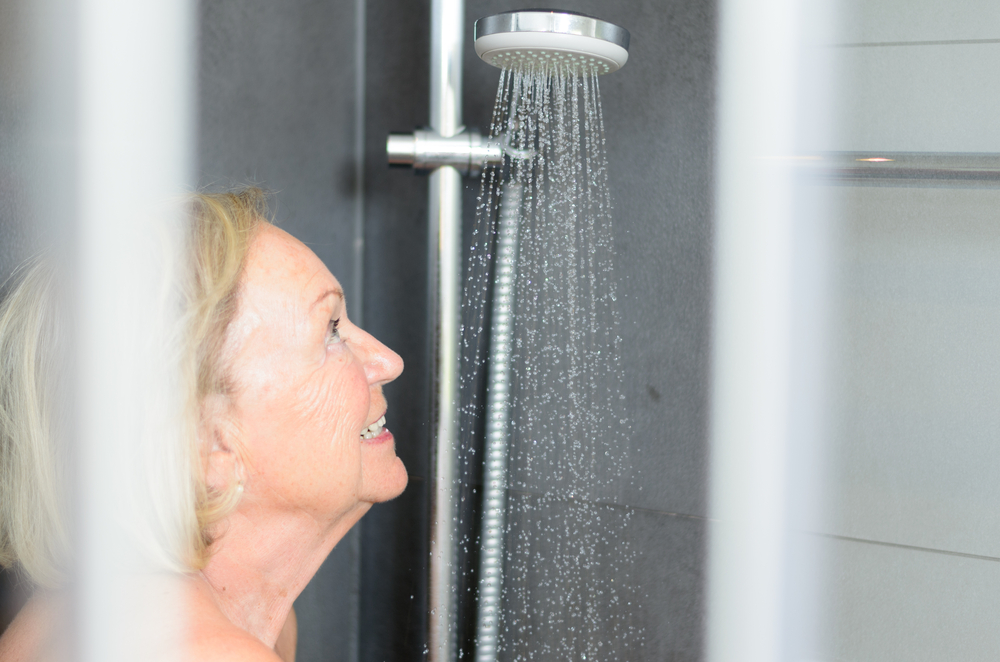
Skin often becomes drier and produces less oil with age. Older people may therefore not need to shower as frequently as those with oilier skin.
Acne and sweat may require more frequent cleansing
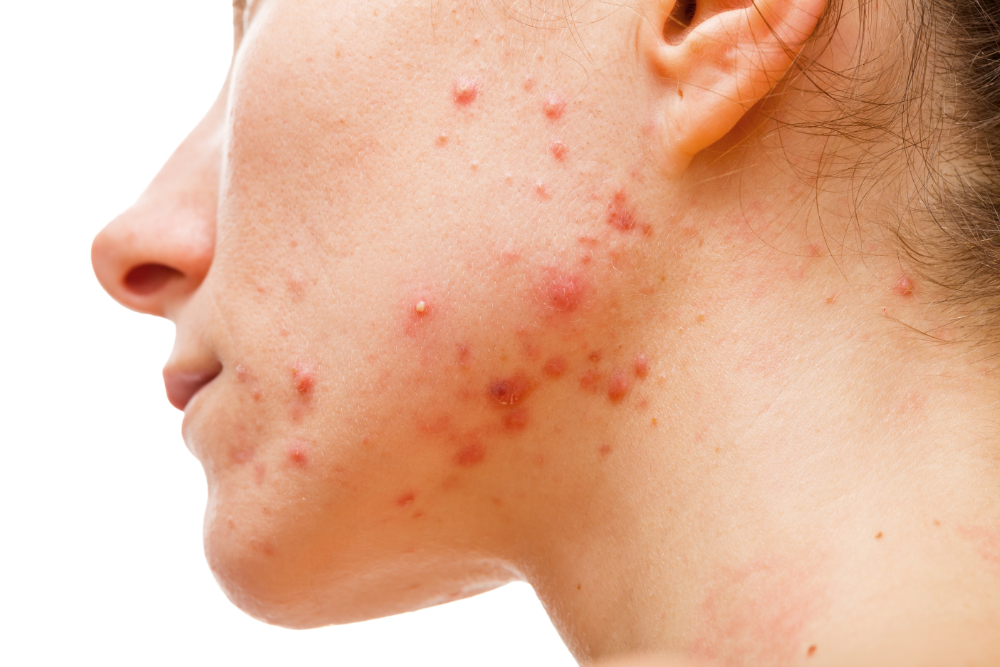
People who are prone to acne may need to wash more frequently, particularly when they sweat heavily. Sweat, oil and bacteria can clog pores, potentially worsening acne and increasing the risk of folliculitis.
Also read: Your psychiatric diagnosis may depend more on which doctor you see than on your symptoms
Water temperature matters
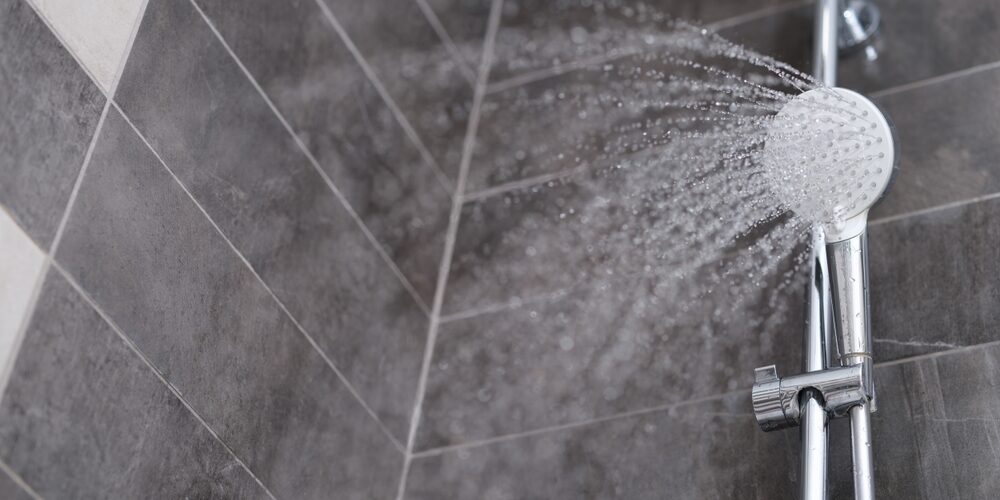
Very hot water and strong soaps can interfere with the skin's natural moisture barrier. Warm water is a gentler option when washing the skin.
Also read: Do blue light glasses actually protect your eyes? Here's what science says
This article is made and published by Mie Hermansen, who may have used AI in the preparation.