
Heat and cold can both help relieve pain, but when is it best to use one over the other?
Here’s a guide to different methods that can ease pain and discomfort.
Heat or cold for general pain
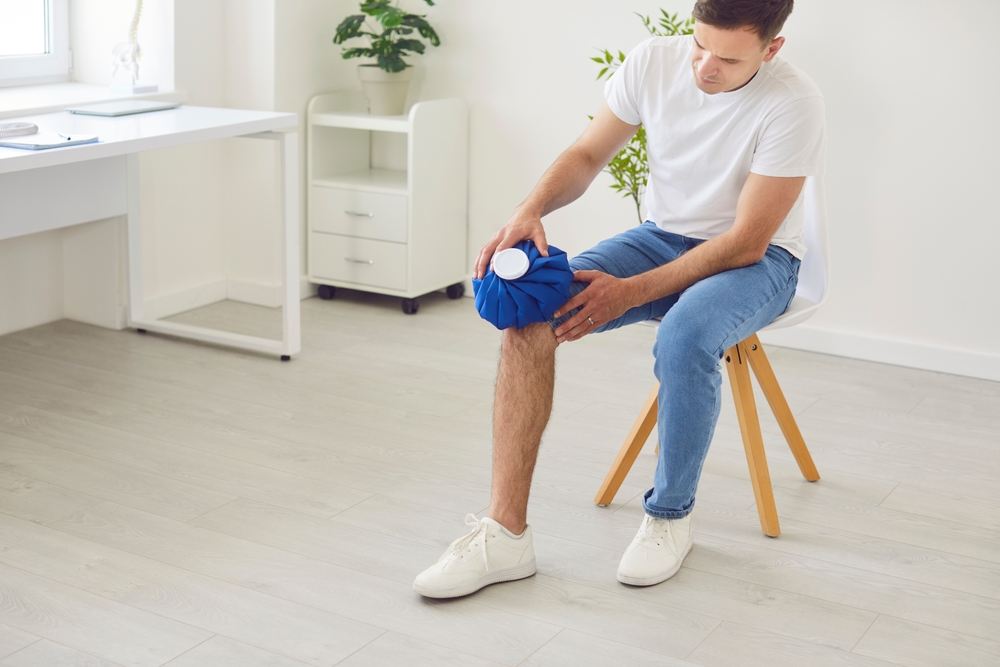
Both can relieve symptoms from conditions like arthritis, back pain, fibromyalgia, and neck stiffness, and they may also help with swollen or tender joints in the hands, knees, or wrists.
Relieve muscle tension

Heat relaxes muscles and improves circulation, while cold reduces swelling, making them useful for both acute injuries and ongoing pain.
Also read: Doctors Reveal: Common Sleep Symptom May Indicate Cancer
Short-term pain relief

A heating pad, ice pack, or damp towel can be applied for 15–20 minutes at a time and repeated several times a day for best results in easing pain and discomfort.
Protect your skin
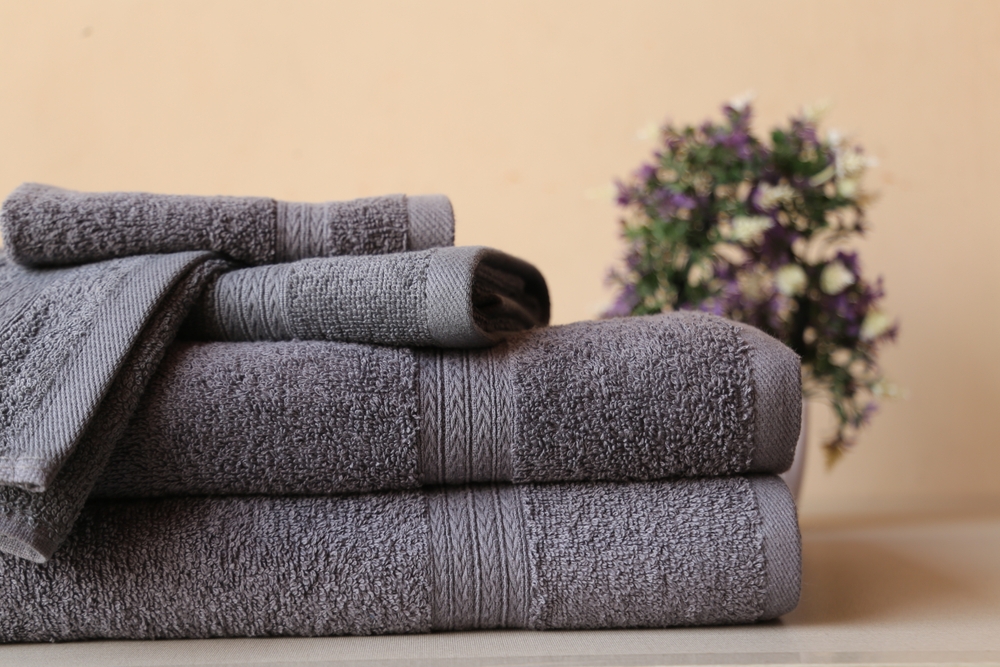
Always place a thin towel between your skin and the hot or cold pack to avoid irritation, burns, or frostbite.
Watch for warning signs
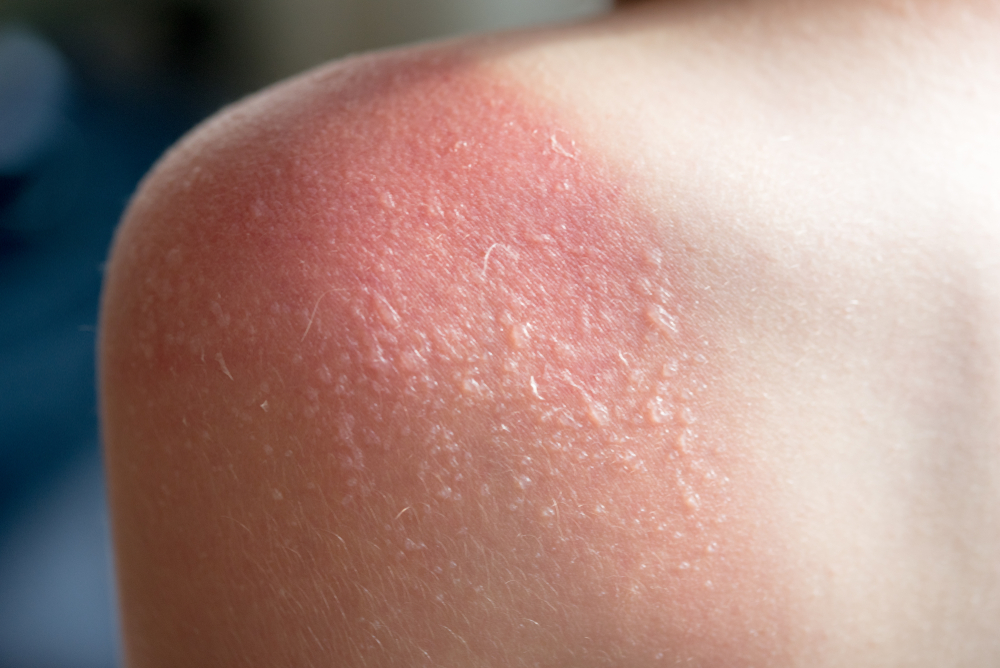
Stop treatment if your skin turns dark red, develops blisters, or swells, and seek medical advice if you notice hives or other signs of skin damage.
Hydrotherapy

A warm shower or bath can loosen muscles and ease stiffness, while cool water after exercise helps reduce burning pain and inflammation.
Also read: Supplements and Medications You Should Not Mix with Apple Cider Vinegar
Contrast baths

Alternating between warm and cold water can boost circulation, reduce swelling, ease pain, and support healing.
Warm clothes

Clothes warmed in the dryer can make mornings less painful by providing gentle heat that reduces stiffness and discomfort.
Heat wraps
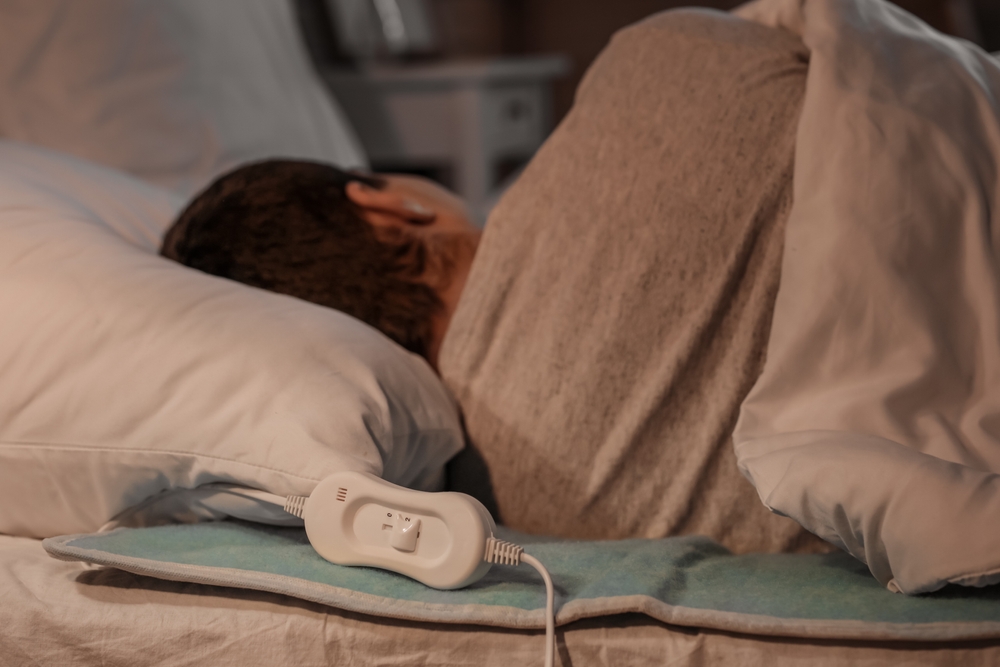
Low-level continuous heat wraps can be worn for up to 8 hours, providing long-lasting relief during the day or even while sleeping.
Proven effects of heat

Heat therapy reduces stiffness and improves flexibility, with benefits that may last up to 48 hours after treatment.
Also read: What You Need to Know About the New COVID Variants “Nimbus” and “Stratus”
Wax therapy
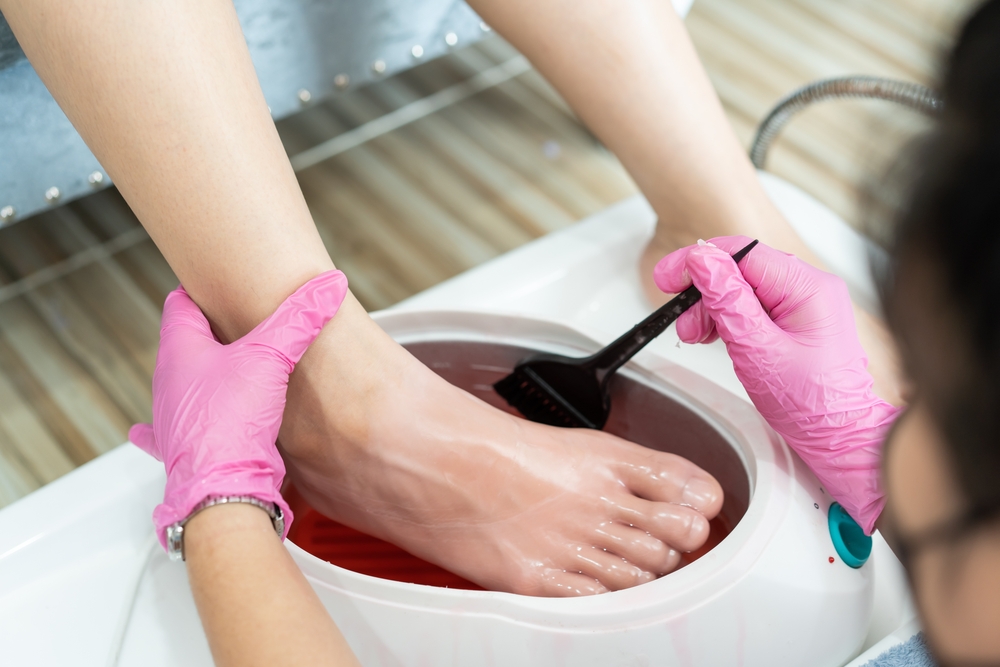
Melted paraffin can ease pain in hands, feet, and elbows; dip the area several times, then wrap in plastic and a towel to trap heat until the wax cools.
Safety first

Never use wax treatments on skin with cuts or sores, as this prevents irritation and ensures the therapy provides only relief.
This article is based on information from WebMD.
Also read: Migraine Symptoms That Require Urgent Care
Also read: This Happens If You Eat Pumpkin Every Day
This article is made and published by Ida-Marie Palm Varbæk, who may have used AI in the preparation.