
Adults today have more vaccine options than ever before. But not every vaccine is recommended for everyone, and the right choice depends on your age, health, lifestyle and risk factors, based on information from CDC.
Age plays a major role
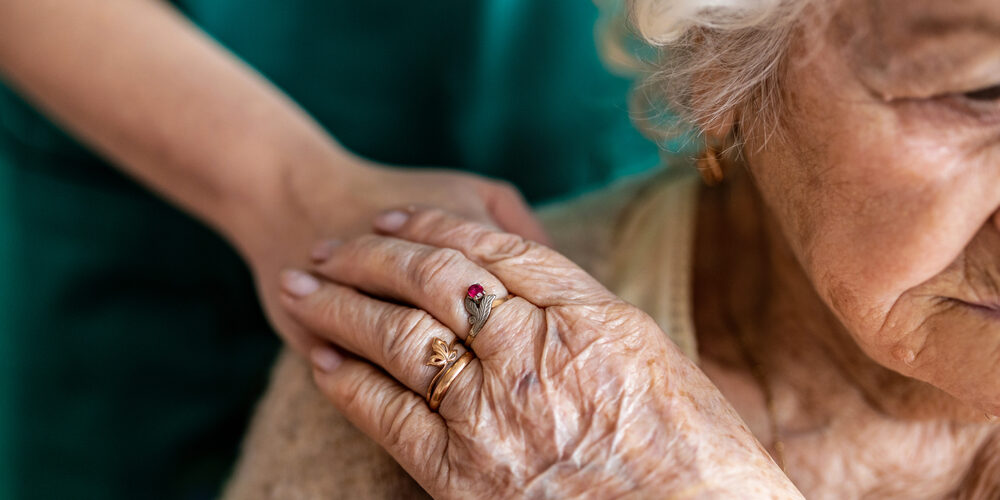
Some vaccines are recommended primarily for older adults because the risk of serious illness or complications increases with age.
Your health matters too

People with chronic medical conditions or weakened immune systems may benefit from additional vaccines to help protect against severe infections.
Shingles vaccination is recommended for many older adults
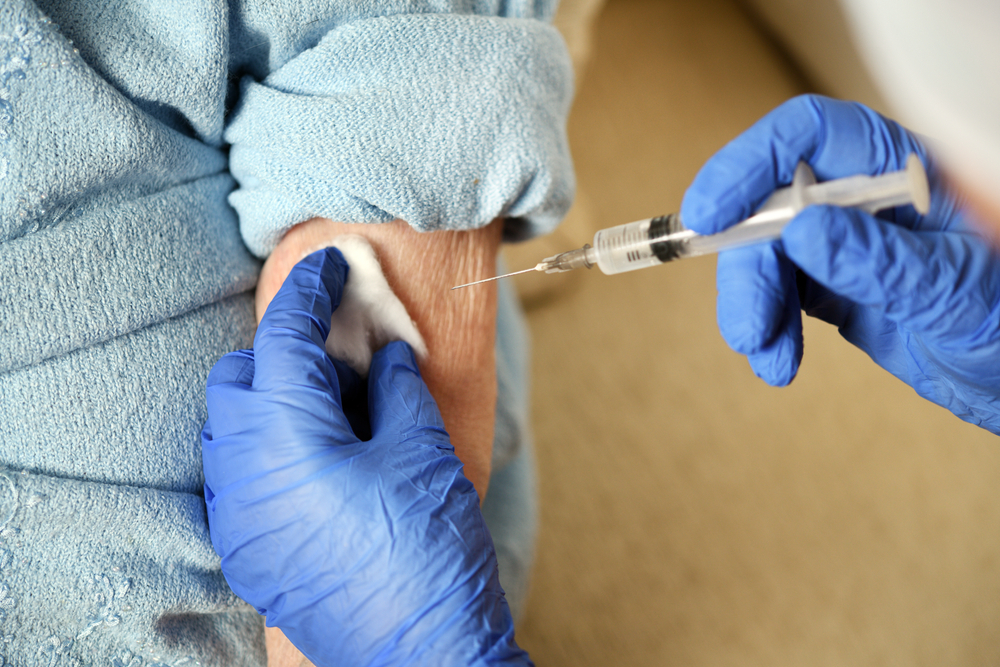
The CDC recommends the shingles vaccine for adults aged 50 and older, as well as certain younger adults with weakened immune systems.
Also read: 8 warning signs of fibromyalgia that are often dismissed as normal pain
Flu shots are recommended every year
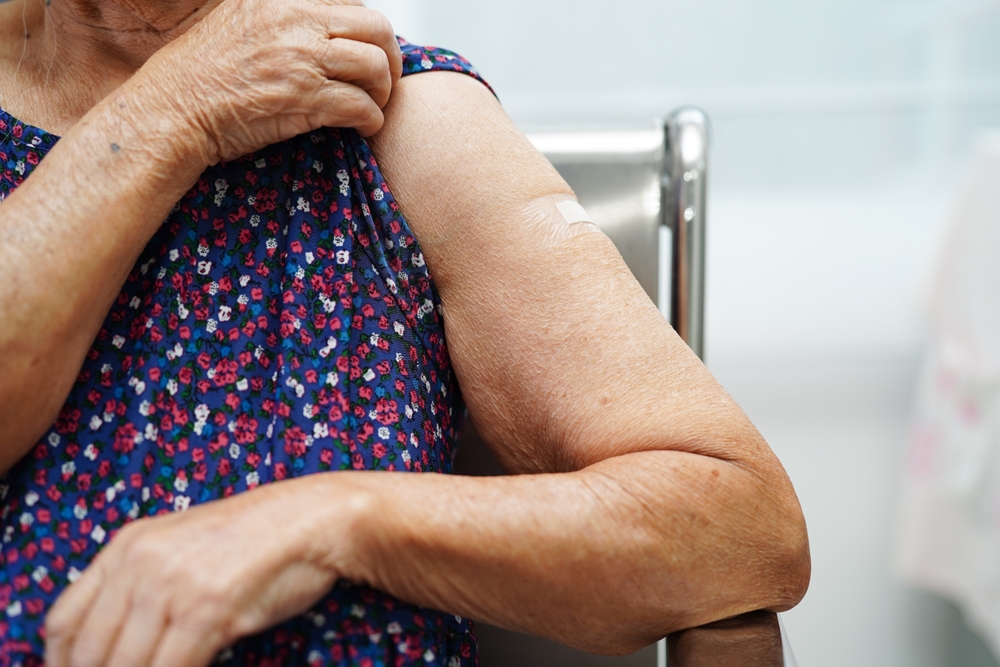
Annual influenza vaccination is recommended for everyone aged 6 months and older to help reduce the risk of seasonal flu and its complications.
COVID 19 vaccines remain important
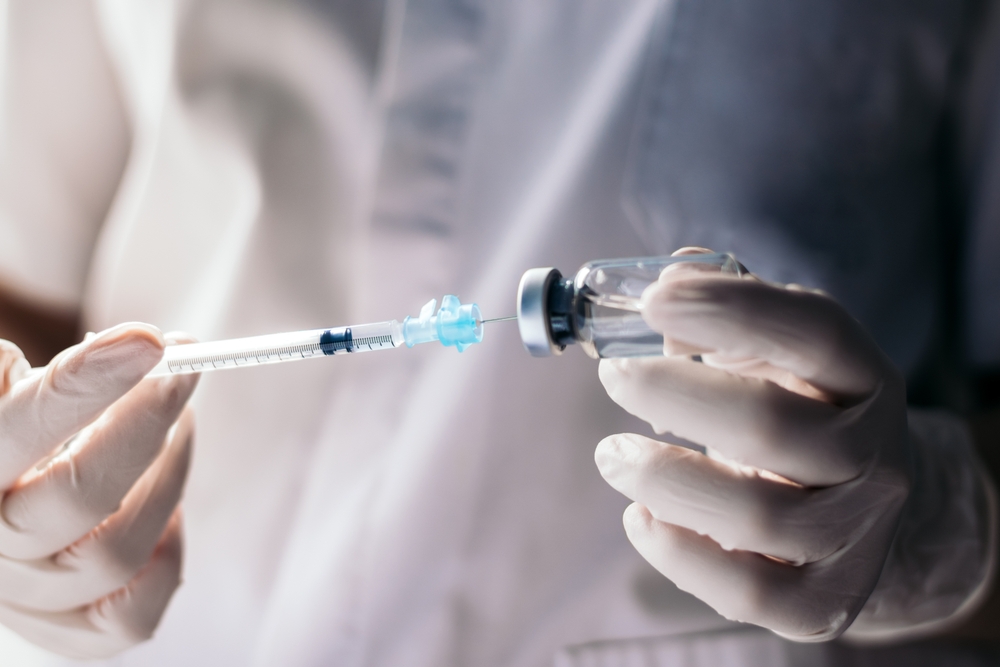
Updated COVID 19 vaccines continue to be recommended, especially for older adults and people at higher risk of severe disease.
Pneumococcal vaccines may be appropriate
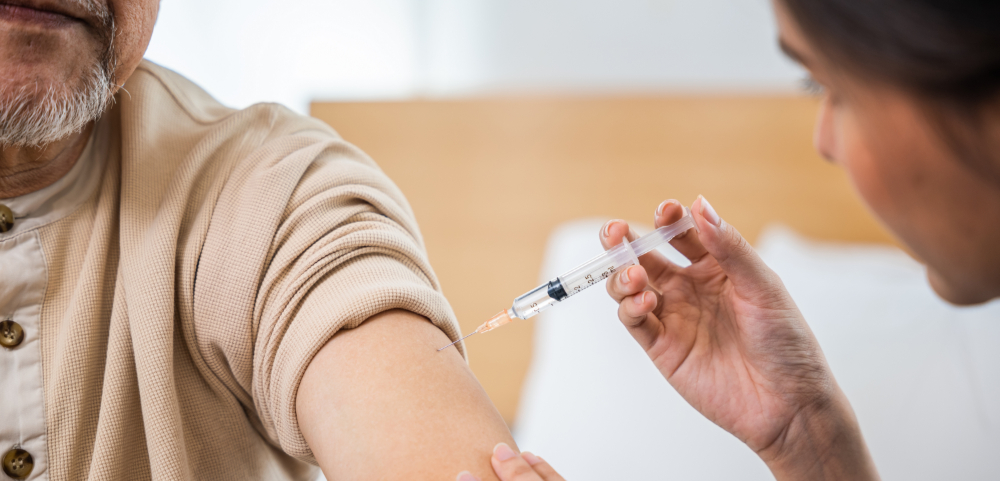
Adults aged 50 and older, along with younger adults who have certain medical conditions or risk factors, may be advised to receive pneumococcal vaccination.
RSV vaccines are available for some adults

Older adults and certain people with increased health risks may benefit from vaccination against respiratory syncytial virus, also known as RSV.
Also read: 365 insulin shots a year could soon become 52 for millions with type 2 diabetes
Your travel plans can change the advice

Traveling abroad may require additional vaccines depending on your destination and the diseases present in that region.
Not every available vaccine is necessary

The fact that a vaccine is available does not mean every adult should receive it. Recommendations are based on individual risk and potential benefit.
Talk to your healthcare provider
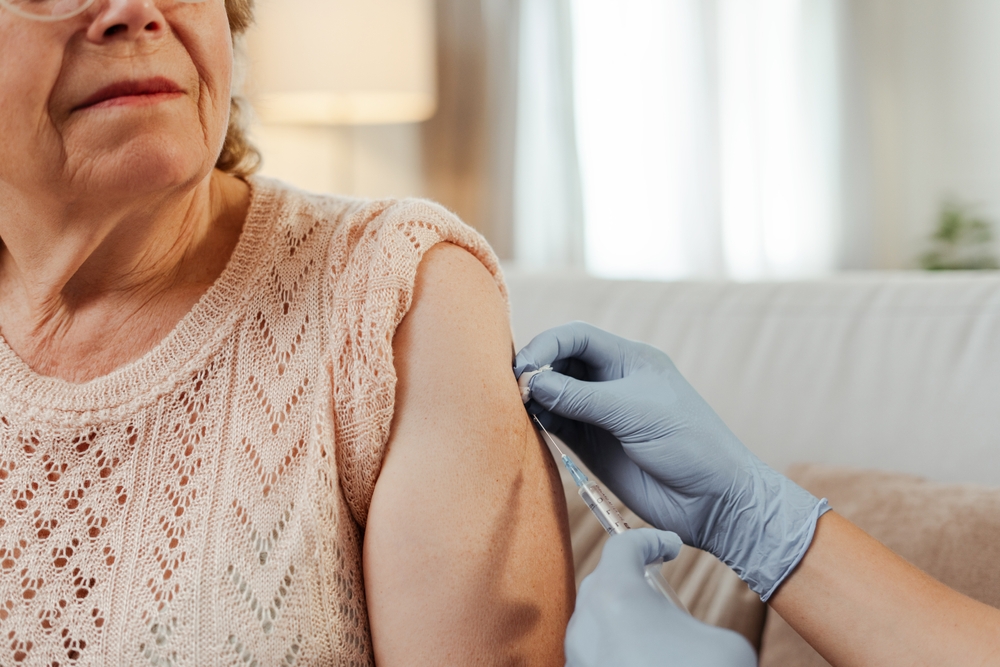
A doctor or pharmacist can help determine which vaccines are appropriate based on your age, medical history and lifestyle.
Staying up to date offers the best protection

Keeping recommended vaccinations current can help lower the risk of serious illness and reduce complications from preventable diseases.
Also read: Home blood pressure monitoring reduced heart attack risk by 34 percent
Vaccination is a personal decision based on risk
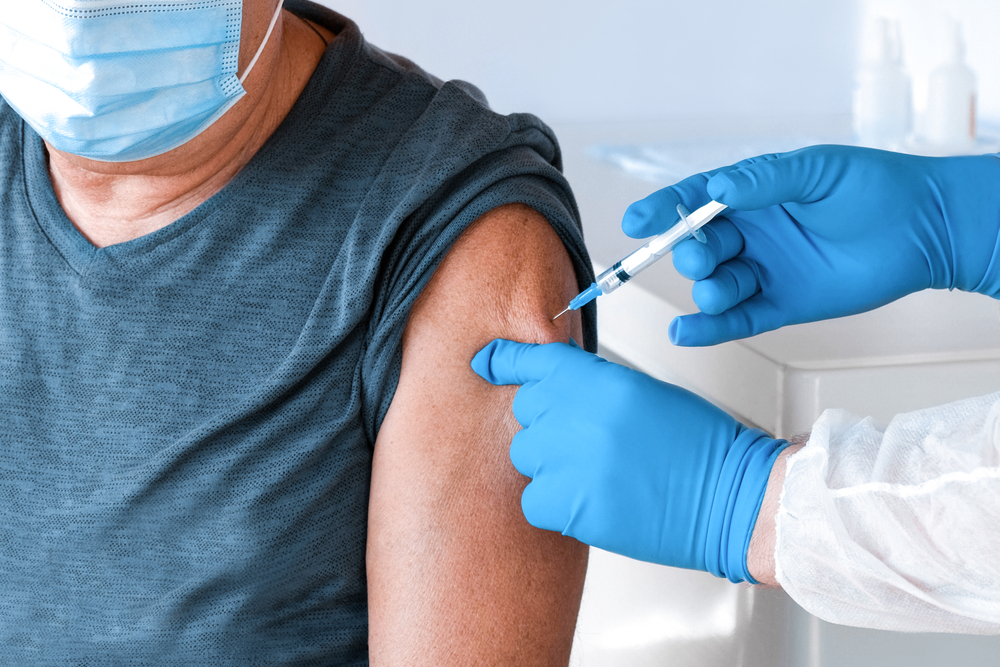
The most appropriate vaccination plan is one that reflects your individual health needs rather than trying to receive every vaccine available.
Also read: Some women with metastatic breast cancer may now have a chemo-free path forward
This article is made and published by Mie Hermansen, who may have used AI in the preparation.