
Peach skin is edible and contains several beneficial nutrients.
However, it is important to wash the peach thoroughly before eating it, according to Verywell Health.
May provide more nutrients
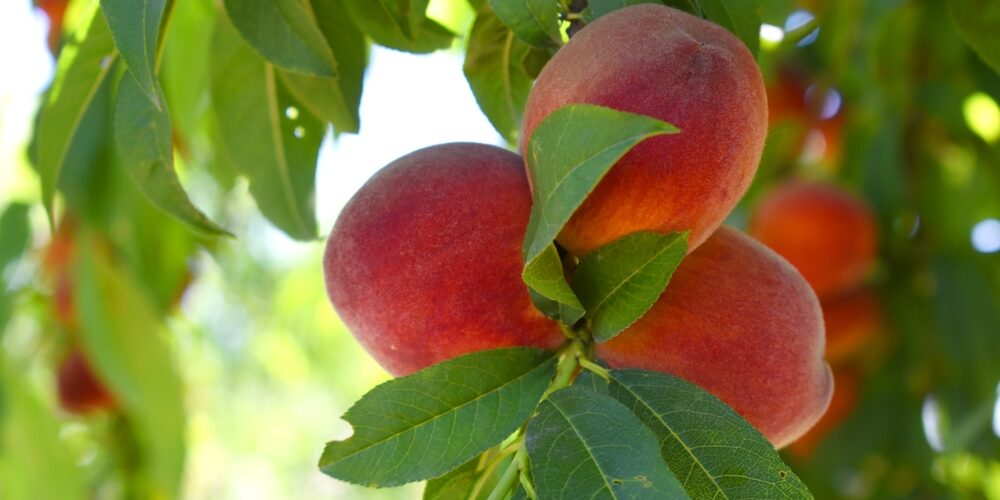
Eating a peach with the skin on provides more vitamins, minerals, antioxidants and other nutrients than eating the fruit peeled.
Provides extra fibre
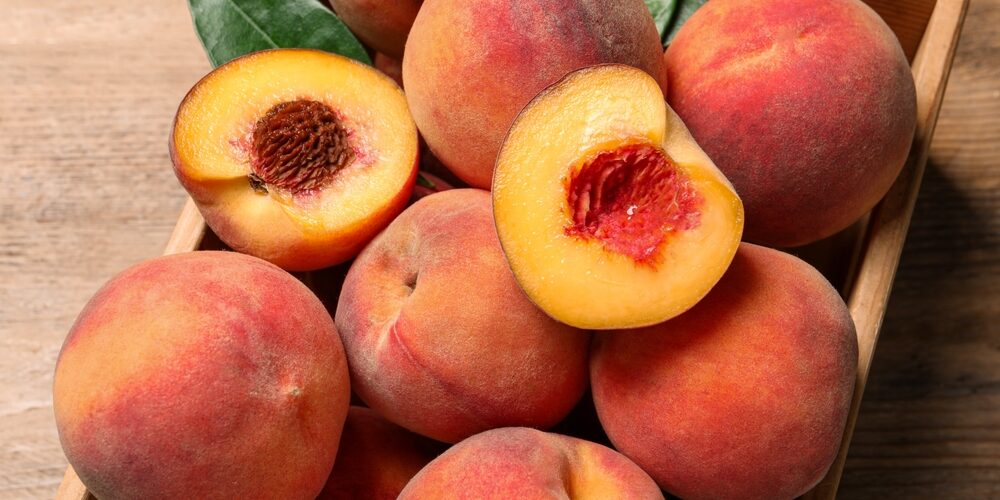
Peach skin increases the fruit’s dietary fibre content. This can help you get closer to meeting your daily fibre needs.
Also read: How Mick Jagger stays in shape at 83
May support digestion

Dietary fibre is associated with healthy digestion. Peaches with the skin on contain both soluble and insoluble fibre.
May help you feel full

The fibre in peaches can help you feel full for longer. Among other things, this may play a role in weight management.
Contains vitamin C
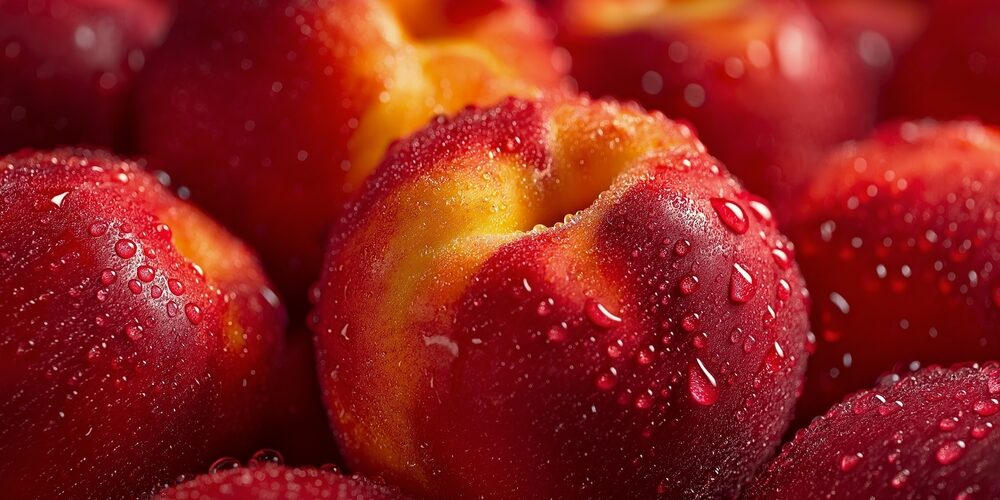
Peaches contain vitamin C, and nutrient intake may be higher when the skin is left on.
May help with blood sugar
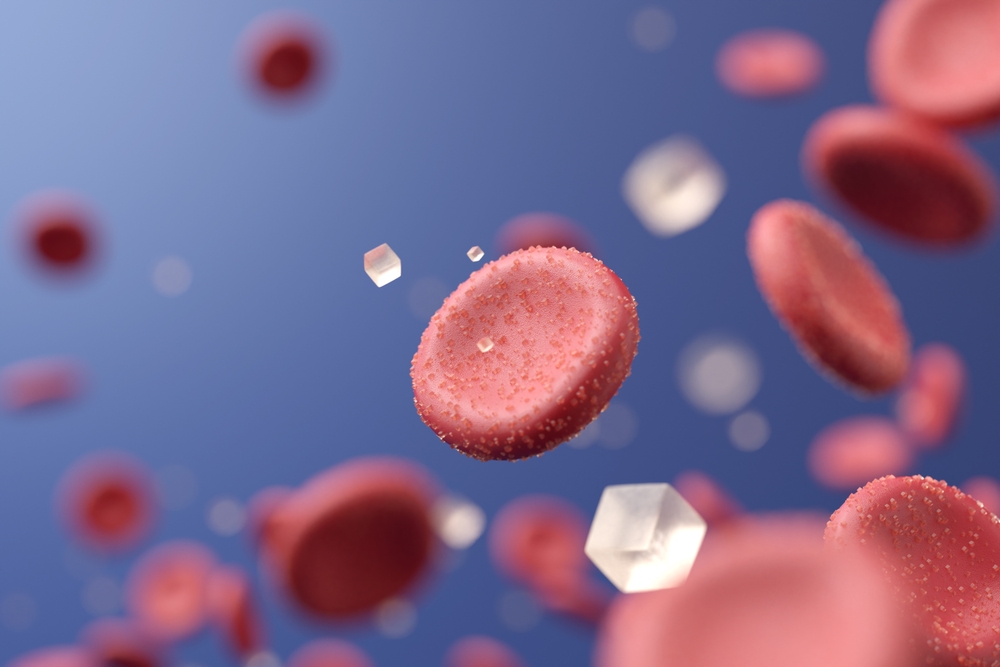
Soluble fibre absorbs water in the intestines and forms a gel.
Also read: Taurine is in every energy drink, but here's what it actually does for your body
This can slow digestion and help prevent sharp rises in blood sugar.
Supports regular bowel movements

Insoluble fibre does not dissolve in water. It helps move food through the digestive system and can support regular bowel movements.
May help prevent constipation

The insoluble fibre in peaches may help prevent constipation by promoting movement through the digestive system.
Wash your hands first
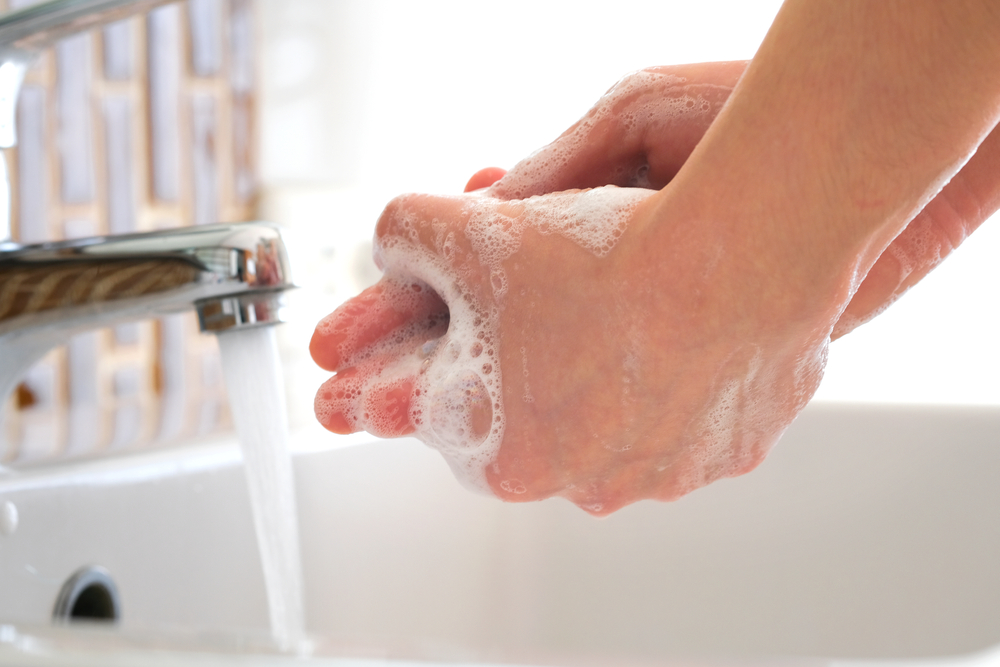
Before rinsing the peach, you should wash your hands. This reduces the risk of transferring contaminants to the fruit.
Also read: Losing just 5% of your belly fat may transform your blood sugar and cholesterol
Use cool running water
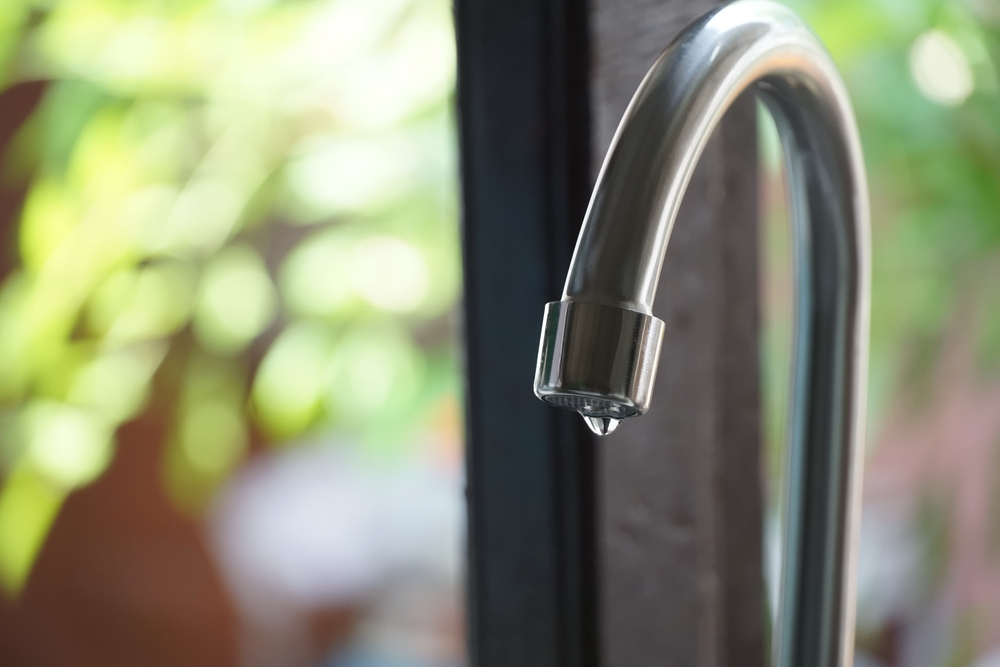
Wash peaches individually under cool running water. Hot water can cause the fruit to absorb both water and bacteria into its cells.
Gently rub the skin
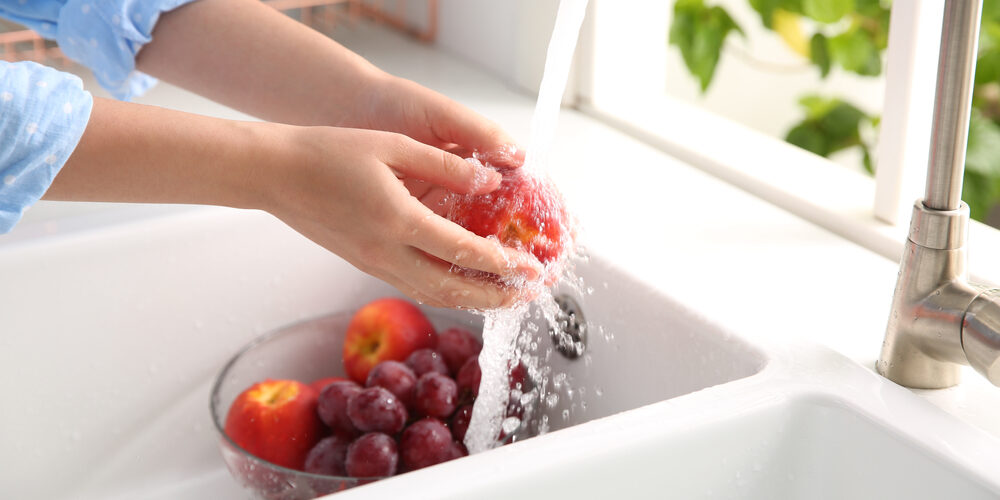
While holding the peach under running water, gently rub the surface with your fingers. Finish by rinsing it once more with cool water.
Wait before washing the peach
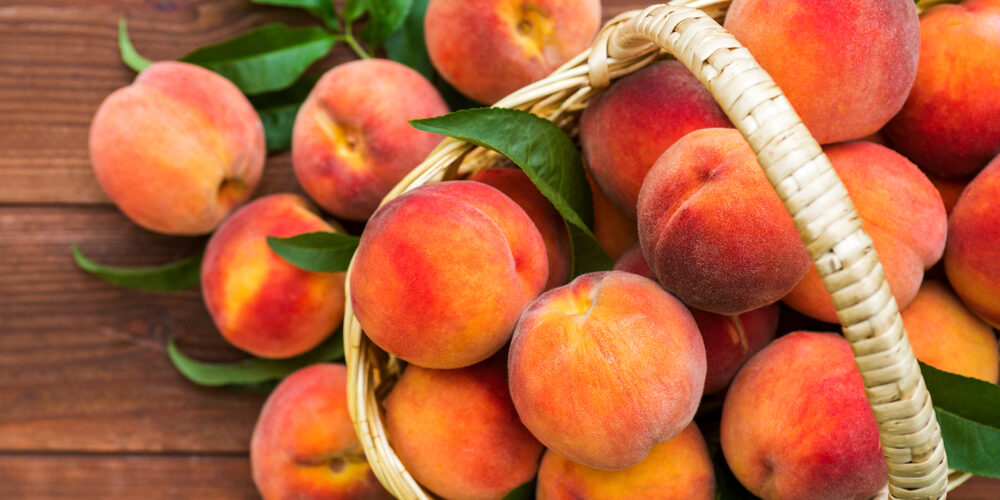
If the peach is not visibly dirty, you should wait to wash it until you are ready to eat or prepare it.
Dry the peach after washing
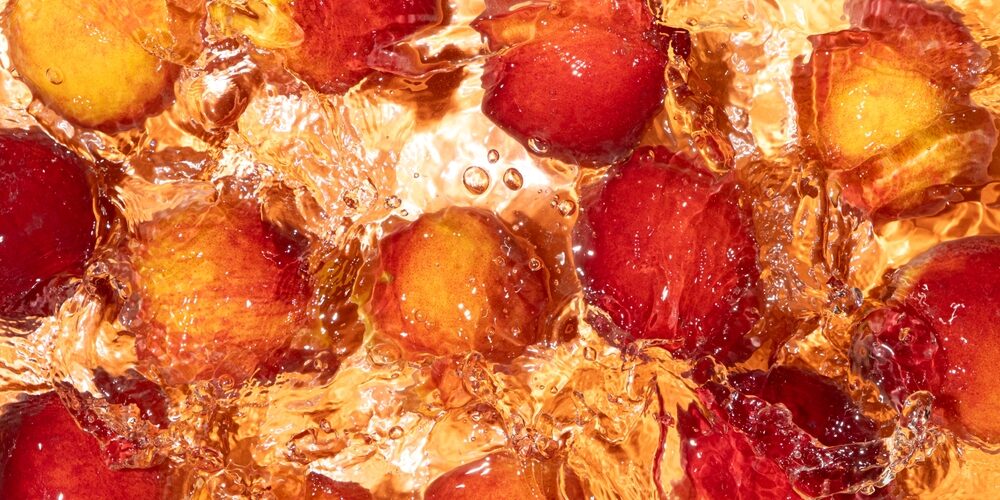
After rinsing, allow the peach to air-dry or dry it with a paper towel. Disposable paper towels are preferred to avoid recontamination.
Also read: Sleeping under a weighted blanket may ease anxiety and improve your sleep
Blend the skin into a smoothie
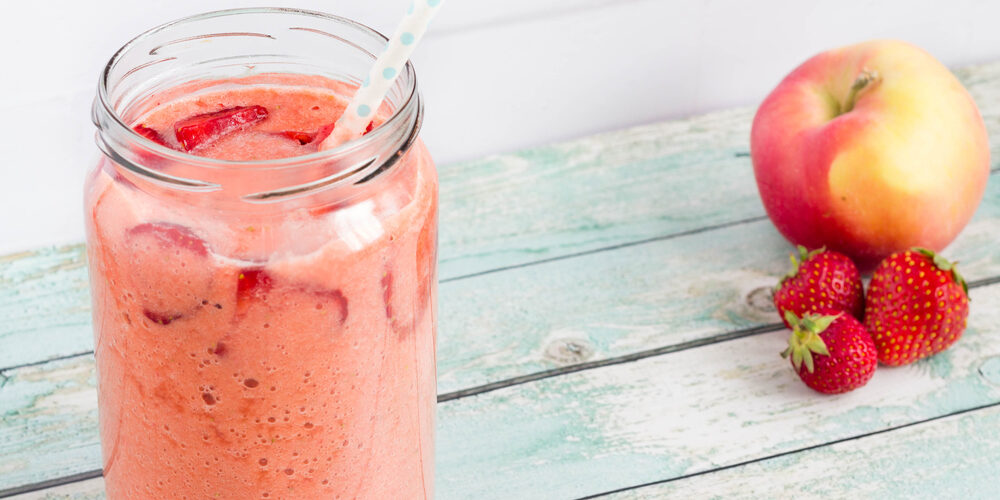
If you do not like the texture of the skin, you can blend the peach into a smoothie. This allows you to consume the skin as well.
Use peaches in different dishes
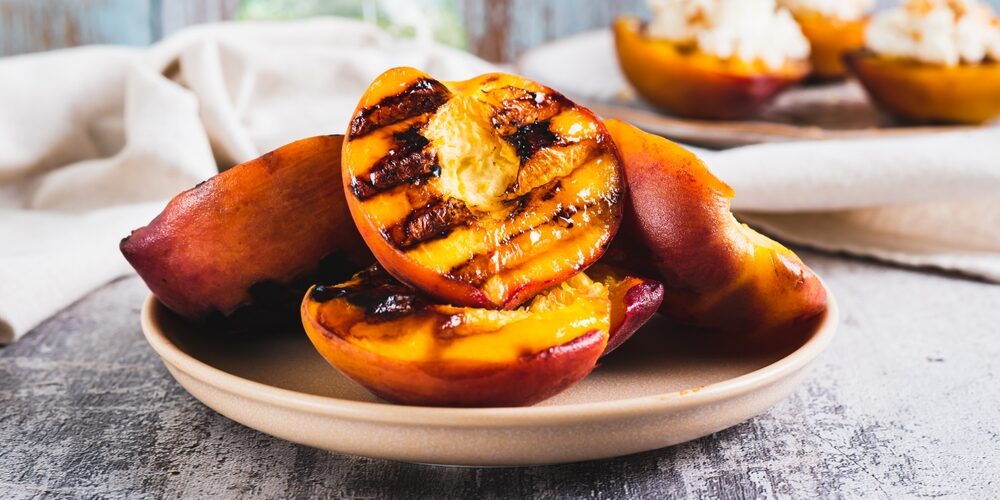
Peaches with the skin on can be grilled, added to salads or used in baked goods. They can also be added to Greek yoghurt or oatmeal.
Be aware of residues on the skin
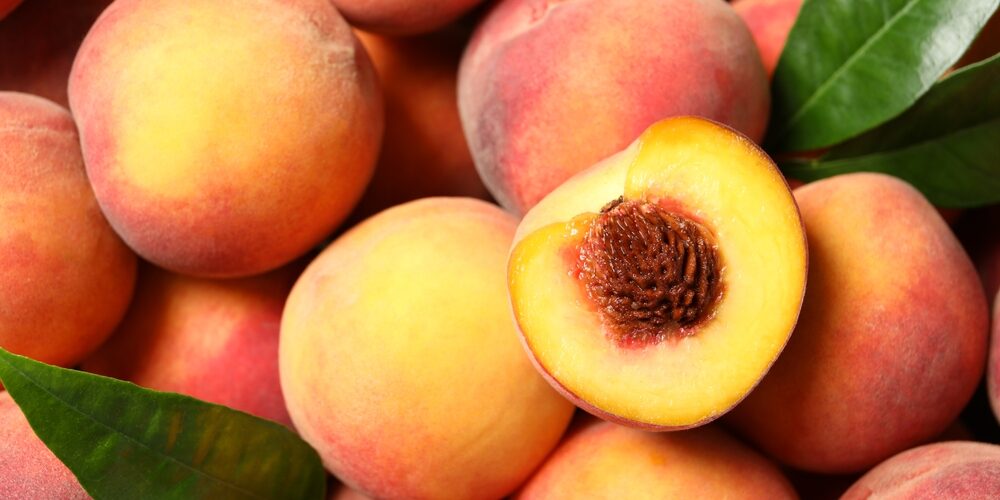
Peach skin may contain pesticide residues or other contaminants. The fruit should therefore be washed thoroughly before eating.
Also read: What happens to your skin when you do not shower enough
This article is made and published by Ida-Marie Palm Varbæk, who may have used AI in the preparation.