
For many, checking messages, watching a quick episode, or scrolling social media is a nightly habit. But new research shows these harmless routines may be silently ruining your sleep.
Screen time may harm your sleep
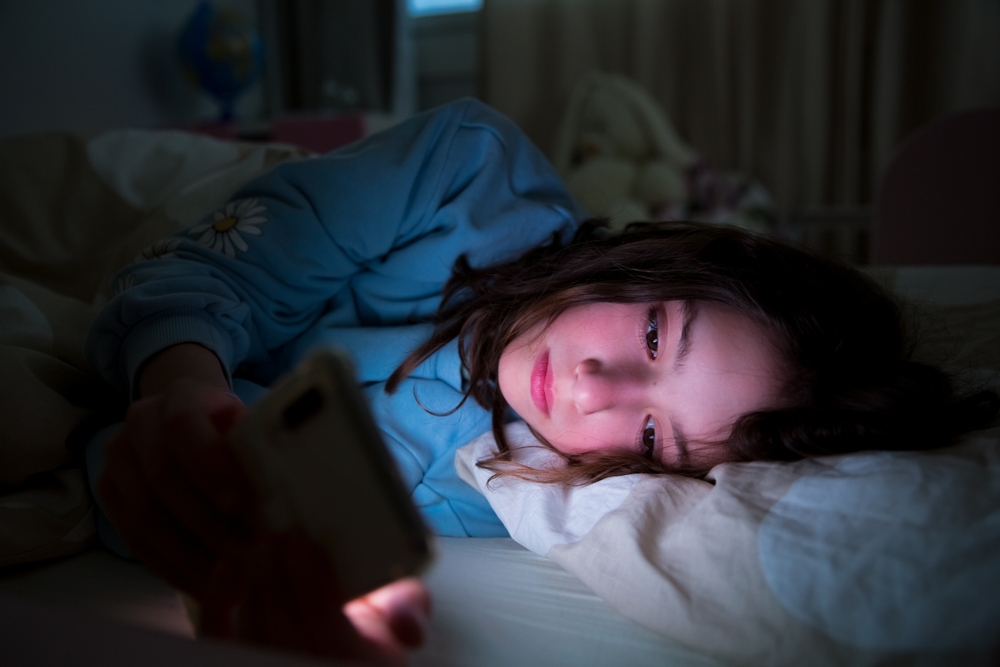
Researchers found that just one hour of screen use before bedtime can increase your risk of sleep difficulties by nearly 60%.
Your sleep becomes shorter

The study revealed that screen time doesn’t just affect how quickly you fall asleep – it can reduce your total sleep time by around 24 minutes per night.
It doesn’t matter what you’re doing on the screen
Whether you’re replying to emails, scrolling TikTok, or binge-watching your favorite show – it’s the total screen time that matters, not the type of activity.
Young adults are particularly affected

The study looked at more than 45,000 students aged 18 to 28, a group that already struggles with sleep – and poor sleep at this age can impact long-term health.
Notifications disrupt your rest

Push notifications and vibrations can interrupt your sleep throughout the night, even if your phone is set to silent.
Screen time pushes back your bedtime
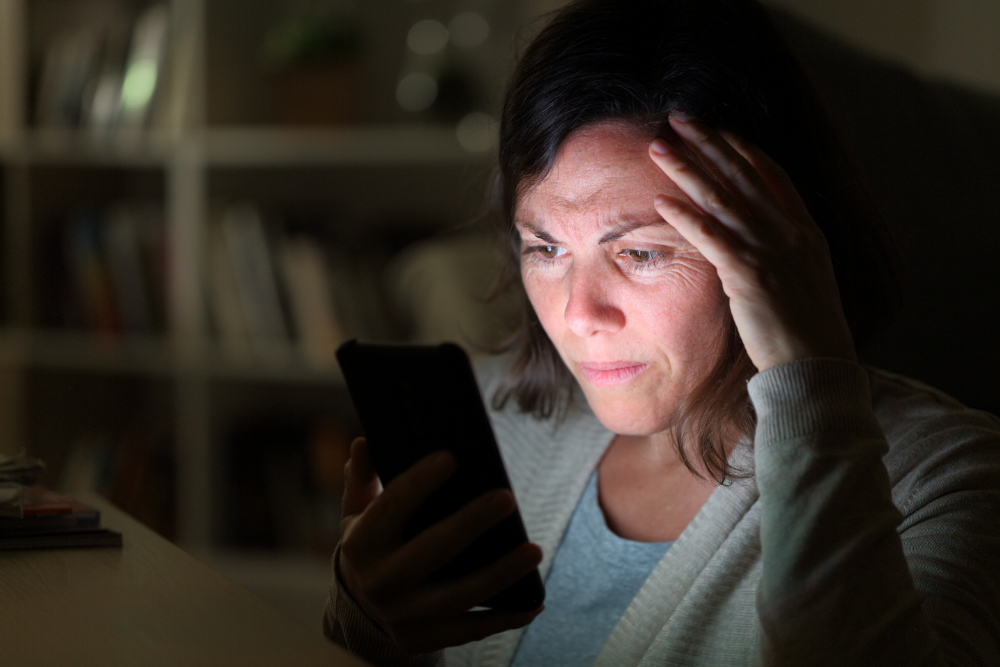
When you keep scrolling or decide to watch “just one more episode,” you naturally delay going to bed – often without noticing how late it gets.
Your brain stays alert

Screen activities increase mental alertness, making it harder for your body to recognize that it’s time to wind down and sleep.
Screens disturb your natural sleep rhythm

The blue light emitted from phones and tablets blocks the production of melatonin, the hormone that signals to your body that it’s time to sleep.
Cause or effect? Science isn’t sure

The study couldn’t determine whether excessive screen time causes insomnia or if people with insomnia are more likely to use their screens. But the strong connection between the two is clear.
How to improve your sleep

Researchers recommend avoiding screens at least 30–60 minutes before bedtime. Turning off notifications can also help reduce nighttime disruptions.
The article is based on information from Frontiers in Medical Daily
This article is made and published by Mie Hermansen, who may have used AI in the preparation.