
Some morning routines feel so effortless that we never stop to question them. But one particular habit, common in many bathrooms, is now under fire from doctors and health professionals.
While it might feel natural or convenient, urinating in the shower could be creating long-term issues for your body — especially for women.
Peeing in the Shower May Harm Your Pelvic Floor
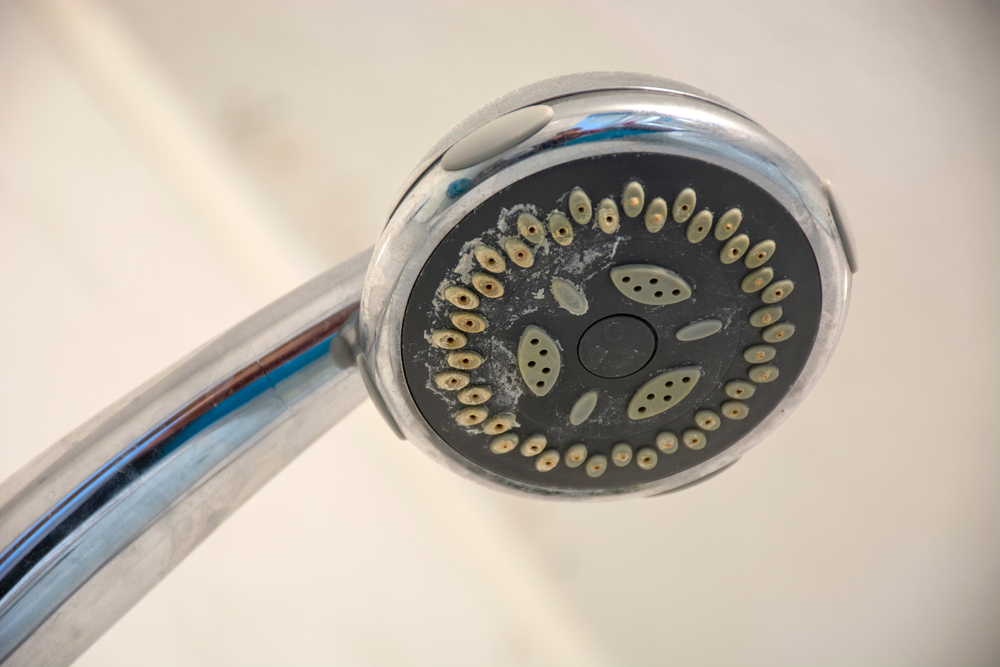
When you urinate standing under running water, you're training your brain to associate the sound of water with urination, which can confuse natural signals in the body.
Women Are Especially at Risk

For women, peeing upright may weaken pelvic floor control, making it harder to maintain proper bladder function over time.
Also read: Want to Live Longer? This Common Drug May Be the Key
Viral TikTok Video Sparked the Debate

A widely shared TikTok video drew attention to this issue, warning women that peeing while standing in the shower could eventually contribute to urinary incontinence.
Doctors Back the Claims

Medical experts, including gynecologists, support the warning. They note that this habit can subtly reprogram the bladder’s cues and compromise urinary control.
It’s Not Very Hygienic Either

Aside from physiological concerns, urinating in the shower can introduce bacteria and affect overall bathroom hygiene, especially in shared living spaces.
Your Brain Associates Running Water With Urge to Pee

If you regularly pee in the shower, your brain might start to respond to the sound of water — like when washing hands or doing dishes — by triggering the urge to urinate.
Also read: 10 Stretches to Unlock Stiff Joints and Feel Better Fast
Men Should Rethink Their Habits Too
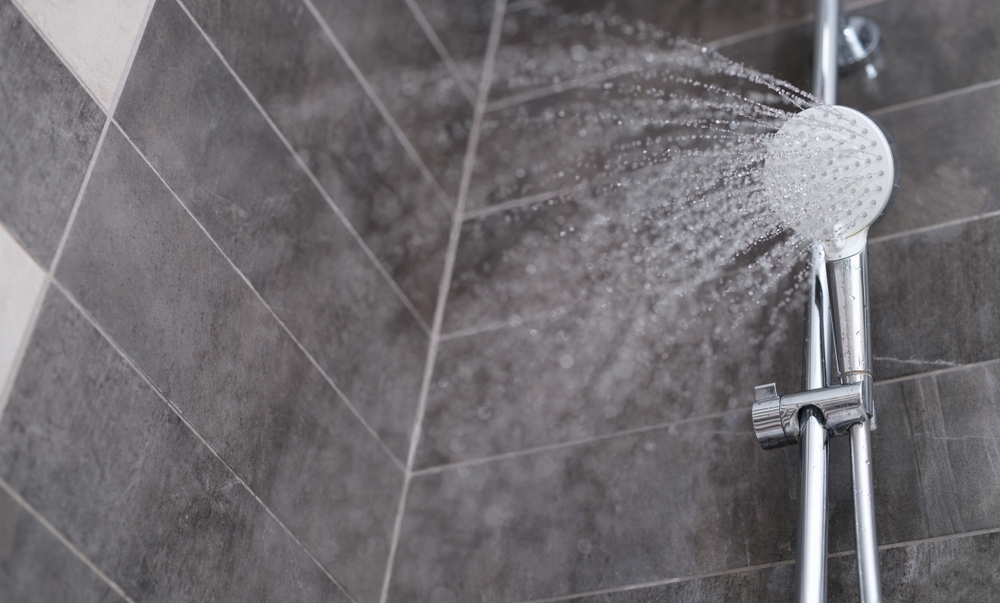
Doctors also recommend that men sit down while urinating. It helps the muscles relax and improves bladder emptying — especially important with age.
Standing to Pee May Increase Prostate Issues
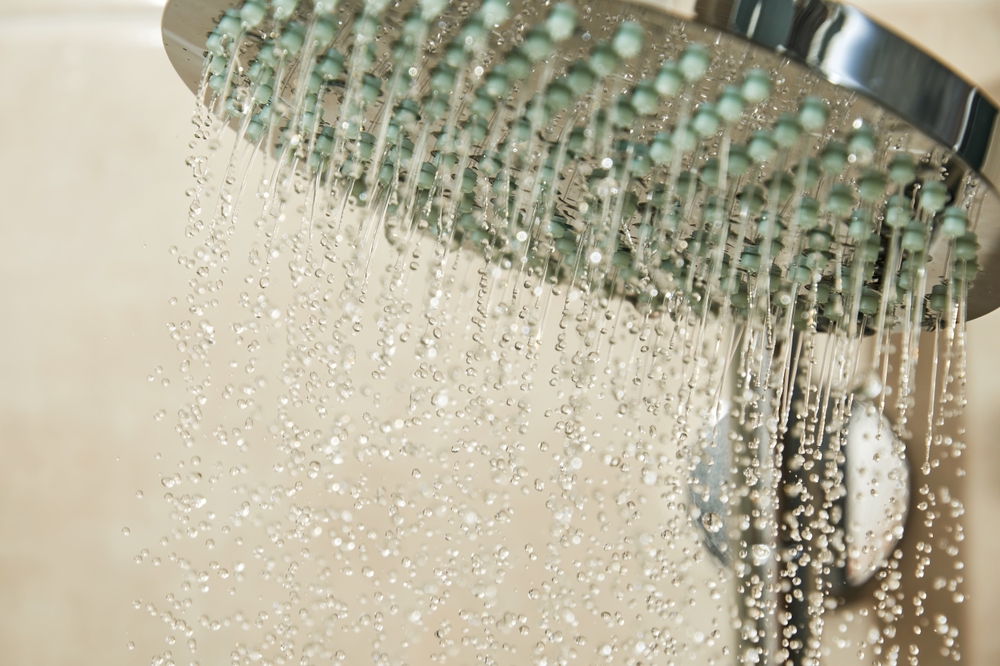
Urologists suggest that standing to urinate could raise the risk of prostate complications later in life, affecting overall urinary health.
Nearly Half of People Admit to Peeing in the Shower

Statistics show that around 50% of Danes urinate in the shower. But with growing awareness, this number might begin to decline.
Better Bathroom Habits Are Worth the Effort
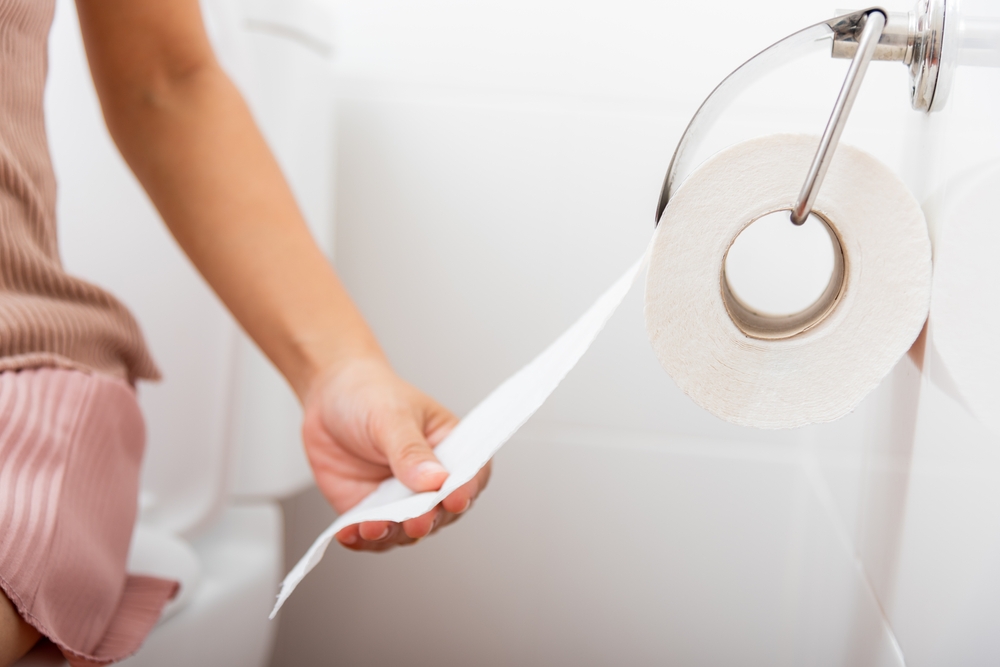
Replacing the shower habit with toilet use may seem inconvenient at first, but it’s a small change that supports long-term pelvic and bladder health.
Also read: This Is How Many Times a Week You Should Shower
Article is based on information from Newsner
Also read: This Invisible Enemy Could Kill More People than Cancer Within 25 Years
This article is made and published by Mie Hermansen, who may have used AI in the preparation.