
Many people live with undiagnosed diabetes because the early symptoms can seem mild or harmless.
But knowing what to look for could make all the difference – and help you avoid serious long-term complications.
Frequent urination – especially at night

Do you often wake up at night to urinate?
High blood sugar causes the kidneys to work overtime to flush out the excess glucose, which can result in frequent trips to the bathroom.
Also read: This Happens to Your Liver When You Drink Coffee Every Day
Unexplained fatigue

Even after a full night’s rest, you might still feel exhausted. When the body can't convert glucose into energy properly, it leads to a persistent lack of energy.
Sudden weight loss

If you're losing weight without trying, it could be a red flag. When your cells can't access glucose, the body starts breaking down fat and muscle to generate energy.
Genital itching and recurring yeast infections

High blood sugar levels create an ideal environment for fungal growth, especially in warm, moist areas – causing frequent discomfort and infections.
Slow healing wounds
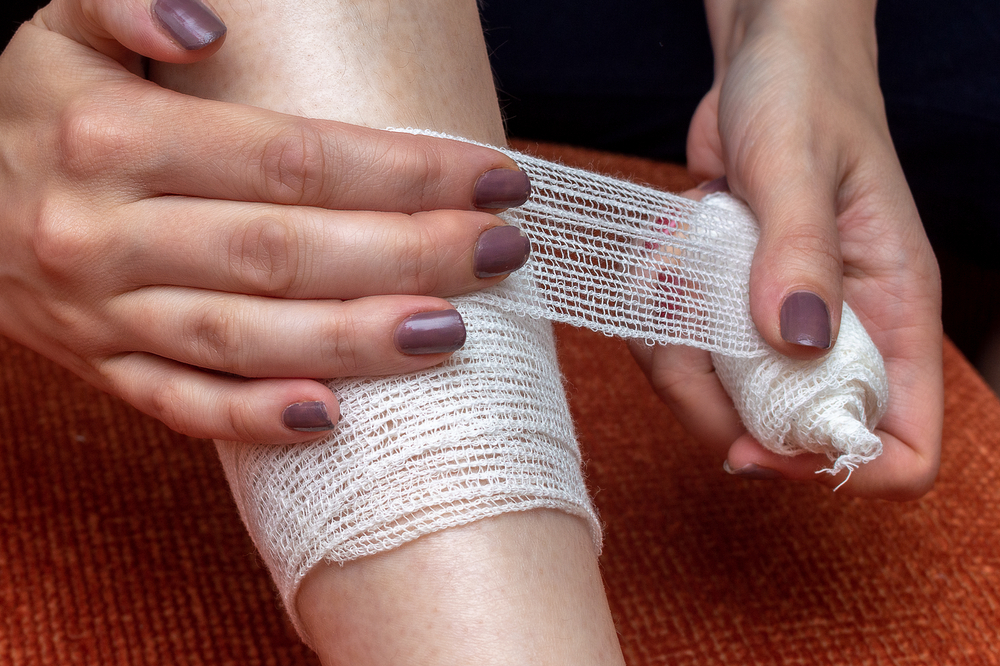
Do small cuts or sores take unusually long to heal? Diabetes can impair circulation and weaken the immune system, slowing down your body's natural repair processes.
Also read: The Most Overlooked Trick for Women's Pain Relief? It’s on Your Leg
Blurred vision

Blurry or distorted vision can result from high blood sugar damaging the tiny blood vessels in your eyes. Left untreated, this can lead to permanent vision problems.
Constant thirst

If you're always thirsty, it might be more than just dehydration.
High blood sugar pulls fluid from your tissues, leaving you feeling dry and prompting excessive water intake.
Skin rashes and discoloration

Unexplained skin changes, such as red, scaly patches or painless blisters, can be early signs of diabetes-related skin conditions.
Also read: Drink Your Way to a Healthy Liver Using Only Ingredients from Home
These symptoms often go unnoticed but should not be ignored.
Hard, waxy skin

Especially on the hands, the skin may become thickened and stiff. This condition is more common in people with type 1 diabetes and can affect joint flexibility.
Lifestyle-linked risks

An unhealthy lifestyle is one of the major contributors to type 2 diabetes.
Being overweight, eating poorly, and avoiding exercise all increase your risk – but the good news is, they're also areas where change is possible.
Also read: Why Danes Sleep Better Than You – and How You Can Do the Same
Artiklen er baseret på informationer fra Magasinet Helse, Express.uk og Videnscenter for Diabetes.
Also read: Here’s the Optimal Time of Day to Take a Shower
This article is made and published by Ida-Marie Palm Varbæk, who may have used AI in the preparation.