
Coffee is part of the daily routine for millions, but it may interfere with how your body absorbs certain vitamins and minerals. Pharmacists emphasize that timing matters—spacing out your cup of coffee from your supplements can make a real difference.
Iron

Polyphenols in coffee can significantly block the absorption of non-heme iron, the kind found in supplements and plant foods. To get the most benefit, wait at least an hour before taking iron and pair it with vitamin C-rich foods.
Vitamin D
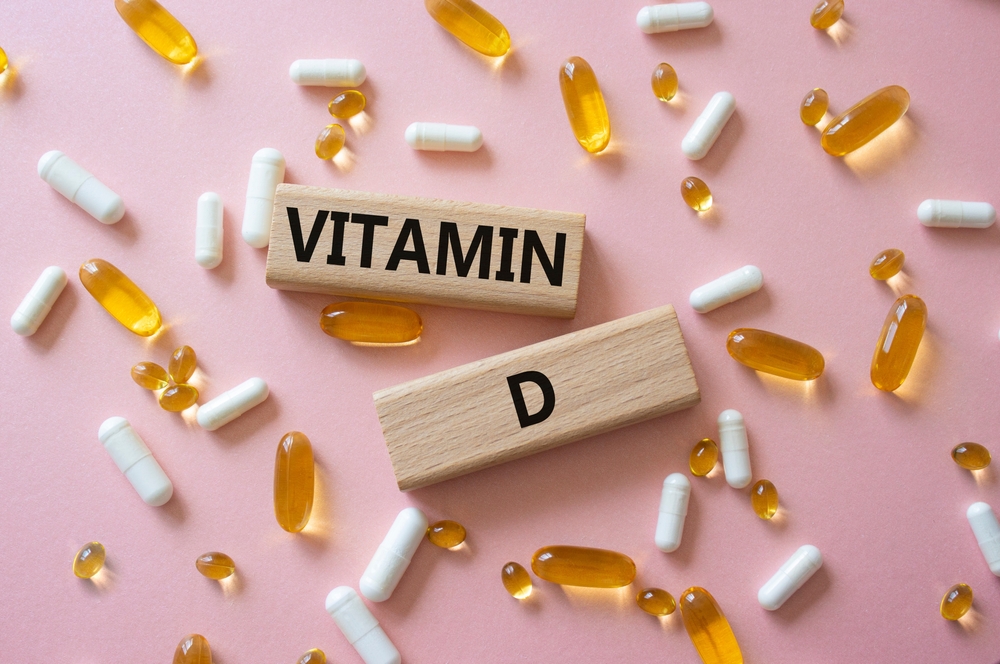
Some studies suggest caffeine may reduce vitamin D receptor activity, which could lower blood levels over time. To maximize absorption, take vitamin D with a meal that contains healthy fats and keep it separate from your coffee.
B vitamins
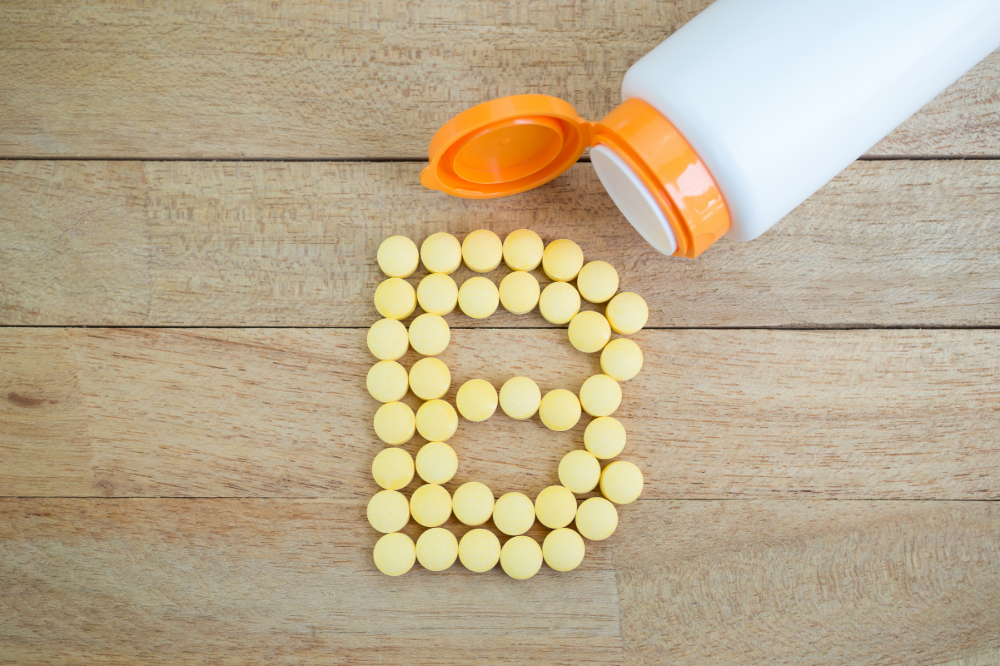
These water-soluble vitamins are vital for energy and red blood cell formation, but caffeine’s mild diuretic effect may cause your body to excrete them more quickly. Waiting an hour before taking your B-complex helps maintain better levels.
Also read: Everyday Habits That Might Destroy Your Liver
Magnesium

This mineral supports muscle function, blood pressure regulation and sleep. Since caffeine can increase magnesium loss through urine, it’s best to take magnesium away from coffee—and not too close to bedtime if you rely on it for relaxation.
Calcium

Caffeine may reduce calcium absorption and increase how much your kidneys excrete. To avoid losses, space calcium supplements one to two hours from coffee, or add milk to your cup to help offset the effect.
Why timing is important

It’s not only caffeine but also compounds like chlorogenic acid in coffee that can affect nutrient absorption. Separating coffee from supplements ensures you get the best of both.
Small adjustments, big results

Simple changes, such as taking supplements later in the day or pairing them with food, can improve how your body uses vitamins and minerals.
Also read: 6 convenience foods that can help lower blood pressure
Not everyone needs supplements

Experts stress that supplements should fill specific gaps, not replace a balanced diet. Many people already get enough through food.
Check with your healthcare provider

Before starting supplements, testing and professional advice can help you avoid unnecessary or overlapping doses.
Don’t panic if you slip up

If you occasionally take supplements with coffee, your body will still absorb some. Long-term consistency matters more than a single cup.
Article is based on information from EatingWell
Also read: This Craving Could Be a Hidden Sign of Cancer
Also read: How to Prevent Athlete’s Foot - Experts Reveal Their Best Advice
This article is made and published by Mie Hermansen, who may have used AI in the preparation.