
You’ve seen them flapping in the wind – colorful flags lining the beach. But do you actually know what they mean?
Here's a simple and essential guide to the most important beach flags that every swimmer and surfer should know.
Green flag
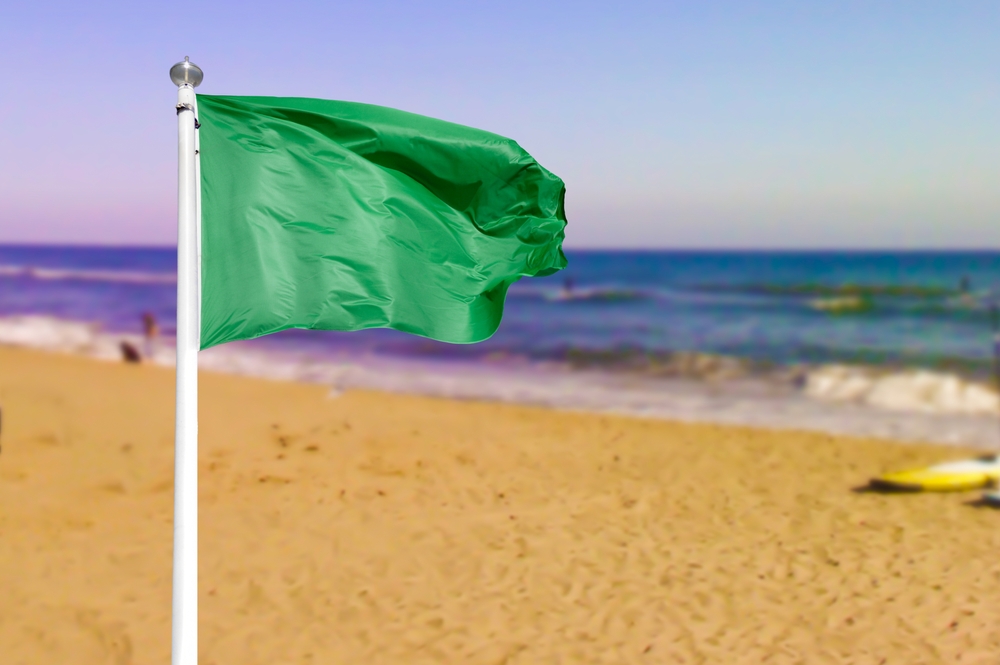
A green flag means calm surf and safe swimming conditions.
It’s your go-ahead to enjoy the ocean, but always stay alert – even on calm days, the ocean can be unpredictable.
Also read: This Happens to Your Liver When You Drink Coffee Every Day
Yellow flag

The yellow flag is a warning for moderate surf and potential currents. Conditions are rougher, and caution is advised.
Strong swimmers should stay alert, while weaker swimmers are recommended to stay close to shore or out of the water altogether.
Single red flag
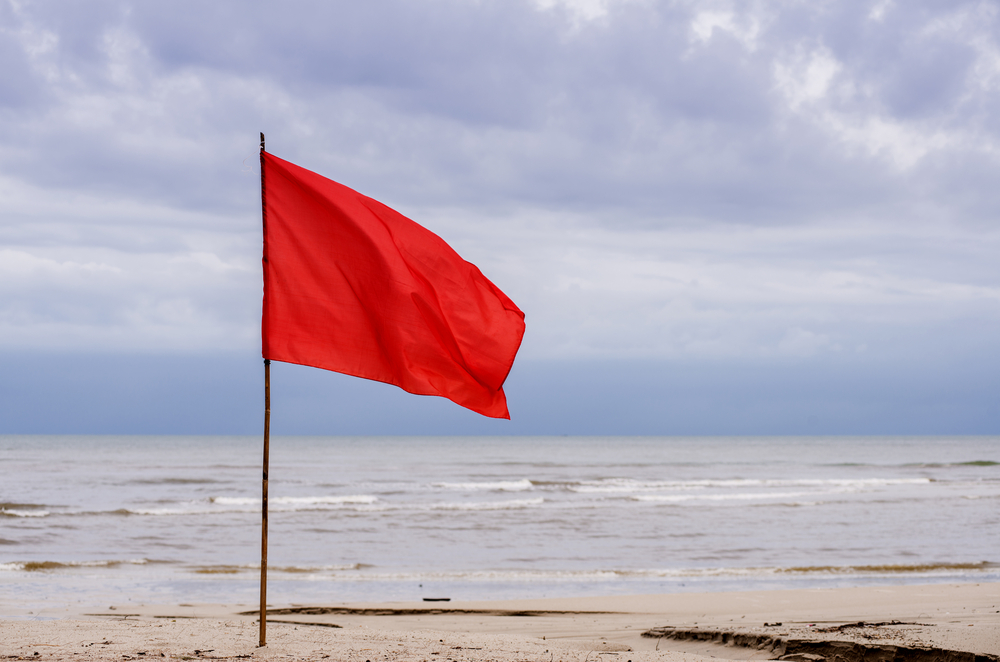
This flag means dangerous surf and strong currents. Swimming is not recommended, and in some areas, entering the water can result in fines.
If you’re surfing, proceed with extreme caution. The conditions are rough and risky.
Also read: The Most Overlooked Trick for Women's Pain Relief? It’s on Your Leg
Double red flags
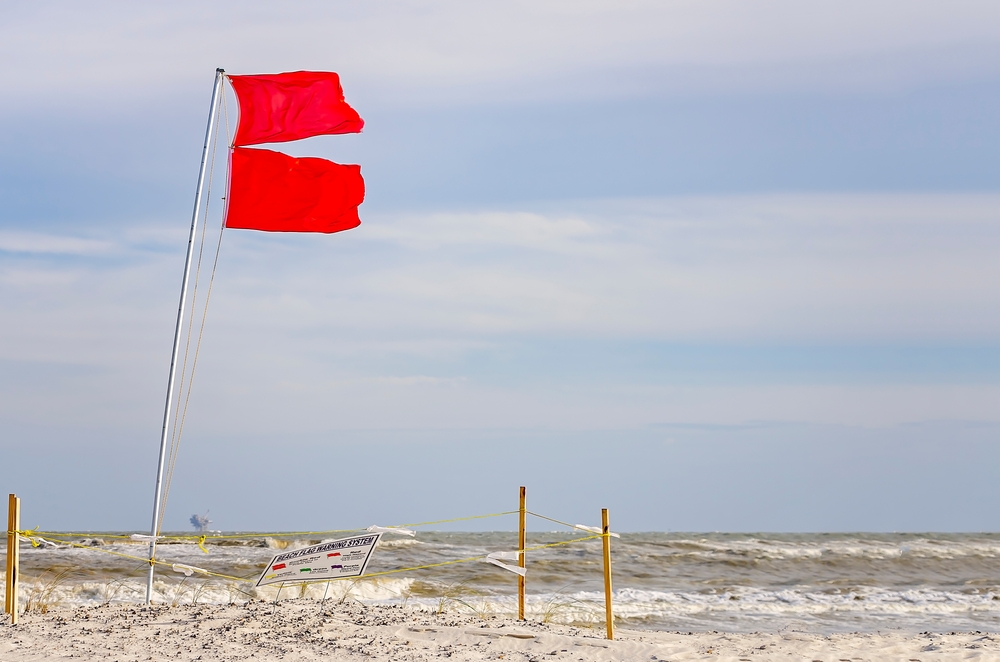
When two red flags are flying, the ocean is officially closed due to extremely hazardous conditions.
This is your sign to stay far away from the water – no swimming, no surfing, no exceptions. Safety first!
Red and yellow flag
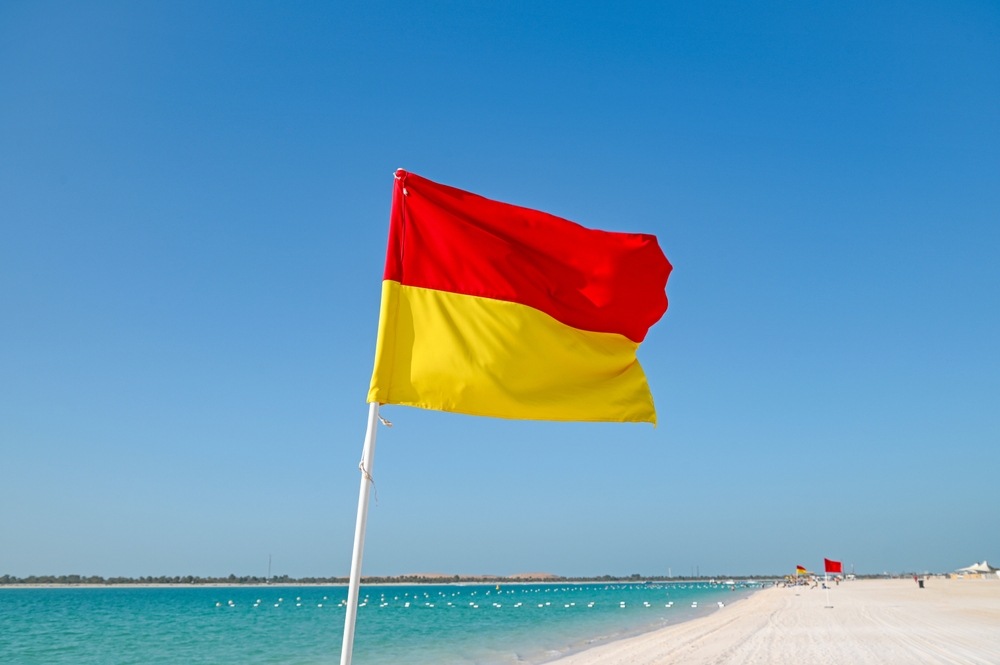
This flag doesn’t indicate danger – instead, it marks the safest place to swim. It means lifeguards are on duty and watching this specific zone.
Swim between the flags to stay in the safest monitored area on the beach.
Also read: Drink Your Way to a Healthy Liver Using Only Ingredients from Home
Black and white quartered flag

This flag marks an area designated for surfers and non-powered watercraft.
Swimmers should avoid this zone for their own safety. You’ll often see two flags with the surf zone marked in between.
Yellow flag with a black ball
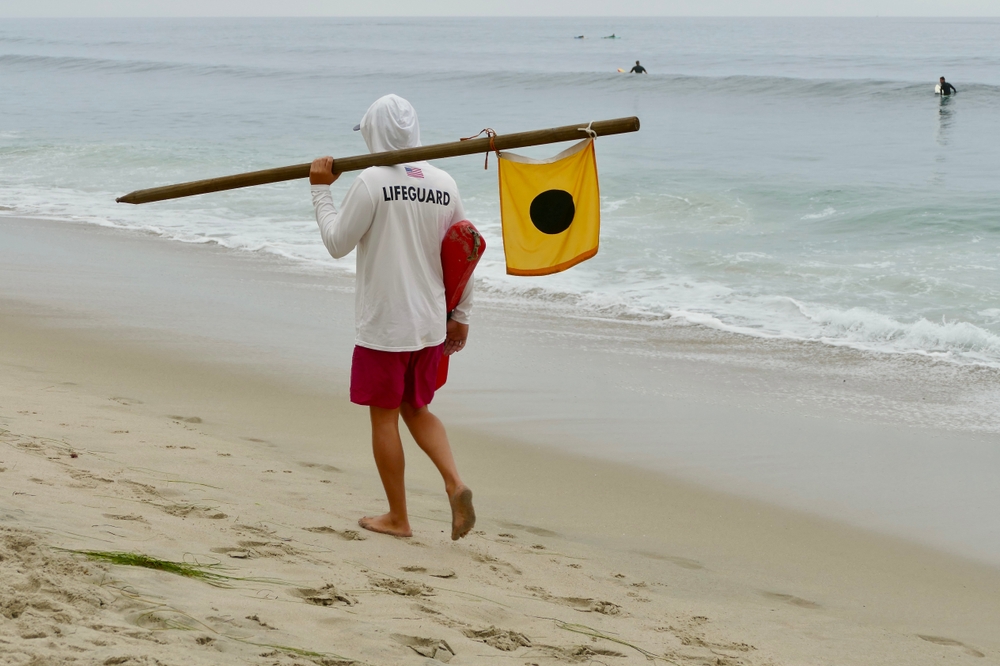
This symbol means the use of surfboards and other non-powered watercraft is prohibited.
It marks a swimmer-only zone, and boards must stay on land while this flag is up.
Also read: Why Danes Sleep Better Than You – and How You Can Do the Same
Purple flag
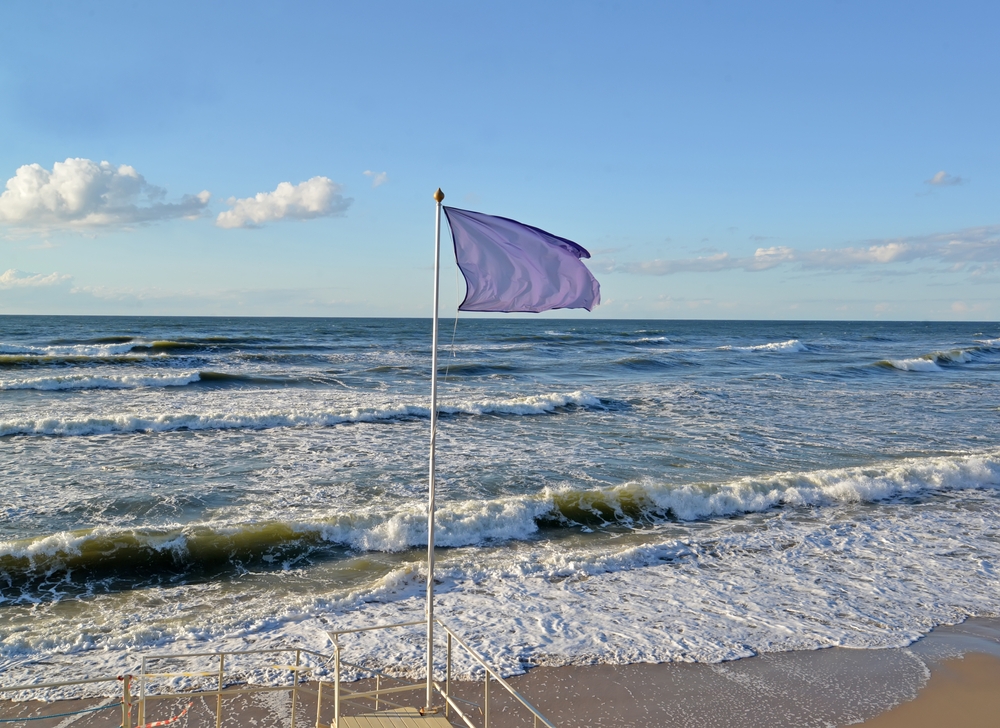
A purple flag is a warning that dangerous marine animals have been spotted nearby.
This could include jellyfish, stingrays, or sea snakes. It does not indicate sharks, but you should enter the water with caution.
Orange windsock flag

This flag shows that offshore winds are present – a major risk if you’re using inflatable floaties.
The wind can carry you out to sea quickly, making it hard to return. Leave the flamingo at home if you see this one!
Also read: Here’s the Optimal Time of Day to Take a Shower
Red and white quartered flag

This urgent signal means you must leave the water immediately.
It could be due to a shark sighting, water contamination, or a rescue operation. Don’t ignore it – your safety depends on reacting fast.
This article is based on information from Lapointcamps.com.
This article is made and published by Ida-Marie Palm Varbæk, who may have used AI in the preparation.