
Many women experience monthly discomfort – from cramps and bloating to fatigue and irritability.
But what if there was a simple pressure point on your body that could naturally ease some of those symptoms? Some practitioners believe this spot can make a real difference.
Where the Spot Is Located
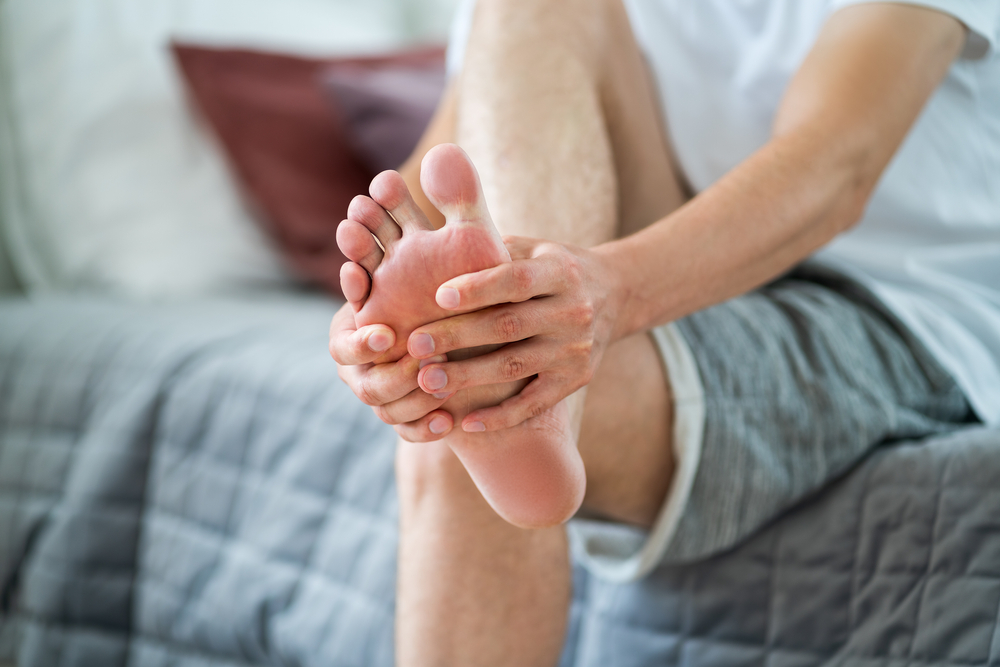
The pressure point is located about one hand's width above the inner ankle bone, just behind the shinbone, in the soft tissue.
Known as SP6 or “The Women’s Point”
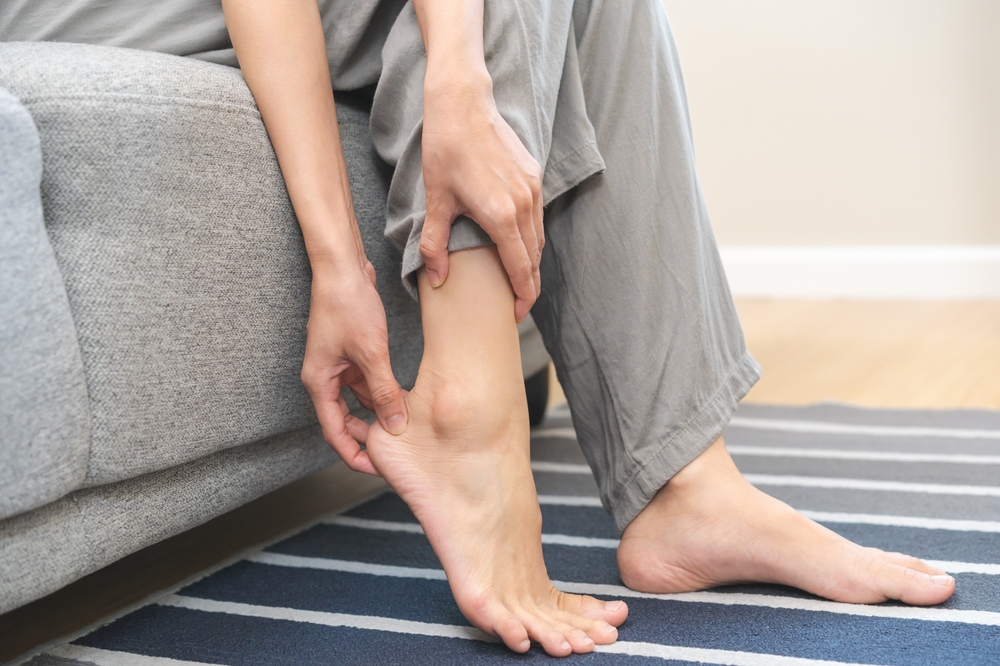
This area is also referred to as SP6 (Spleen 6) in traditional Chinese medicine. It’s a key acupuncture point because three important energy pathways intersect there, connecting directly to the reproductive organs.
Also read: This Happens to Your Liver When You Drink Coffee Every Day
Why It’s Sensitive to the Touch
Many women notice that pressing this spot feels tender or slightly painful. That’s completely normal and is actually a sign that the body is responding.
How to Use It at Home
You don’t need needles to benefit. Apply firm pressure, rhythmic pressing, or a gentle hold on the spot for around 10 minutes. Always treat both legs for balance.
Try It a Week Before Your Period
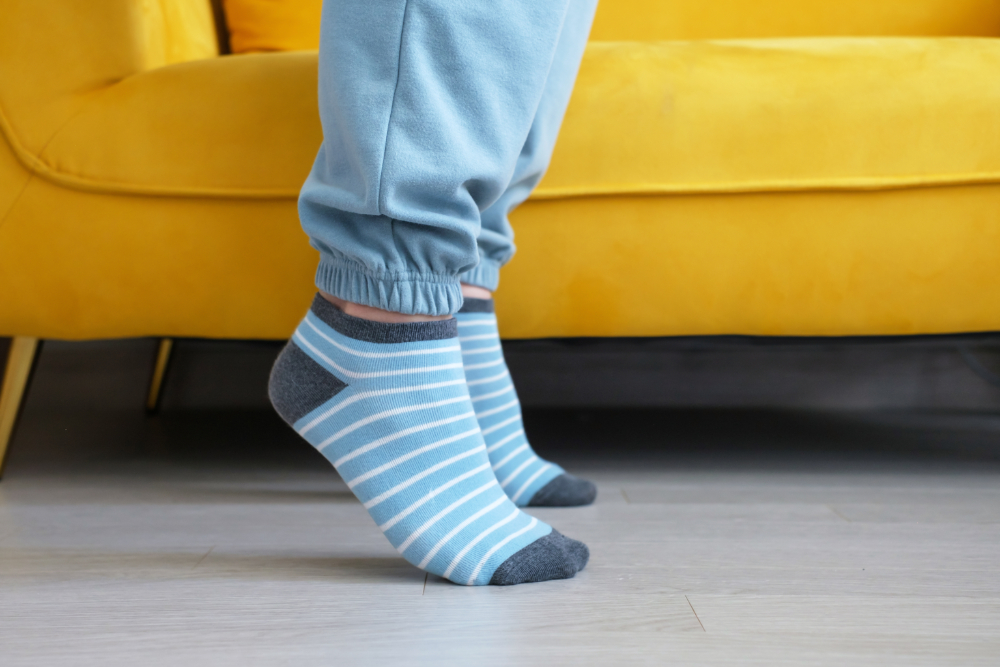
This method may work best when used preventively. Try pressing the point daily during the week leading up to your period to see if symptoms lessen.
Don’t Use It If You’re Pregnant
If you're trying to conceive or are pregnant and not at full term, avoid this point, as it can stimulate uterine contractions.
Also read: Drink Your Way to a Healthy Liver Using Only Ingredients from Home
May Help With Other Discomforts
In addition to menstrual cramps, some women use the point to ease lower abdominal tension, post-birth discomfort, or bladder issues.
Consider Support From a Partner
If you have someone to assist you, it’s ideal to press both legs at the same time. Otherwise, alternate between legs while seated or lying down.
It Doesn’t Work for Everyone
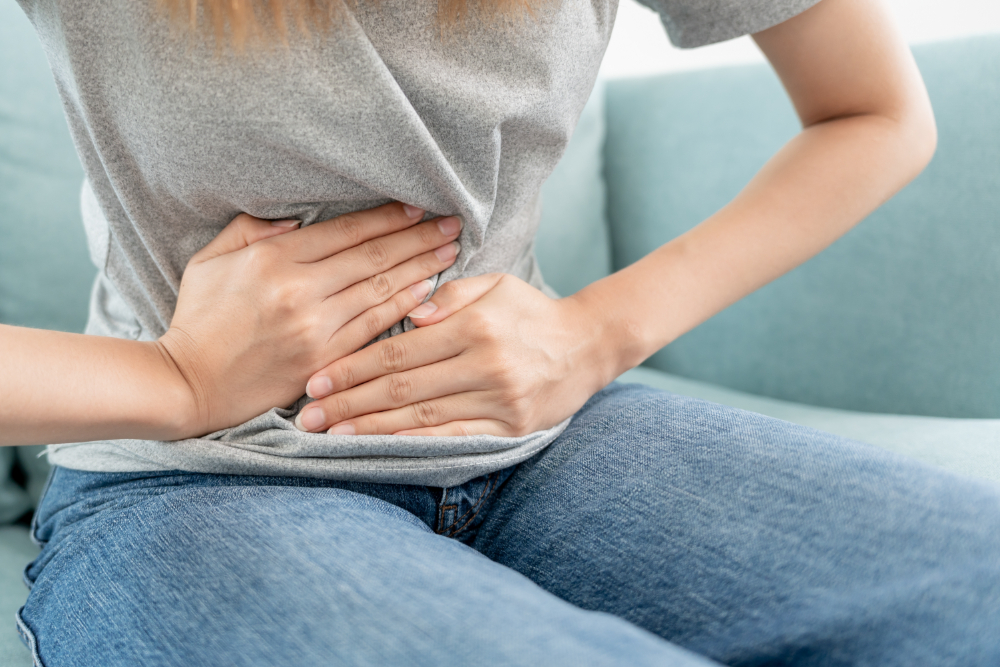
Like many holistic approaches, results vary. Some women may feel relief immediately, while others may not experience a noticeable difference.
Popular in Alternative Medicine
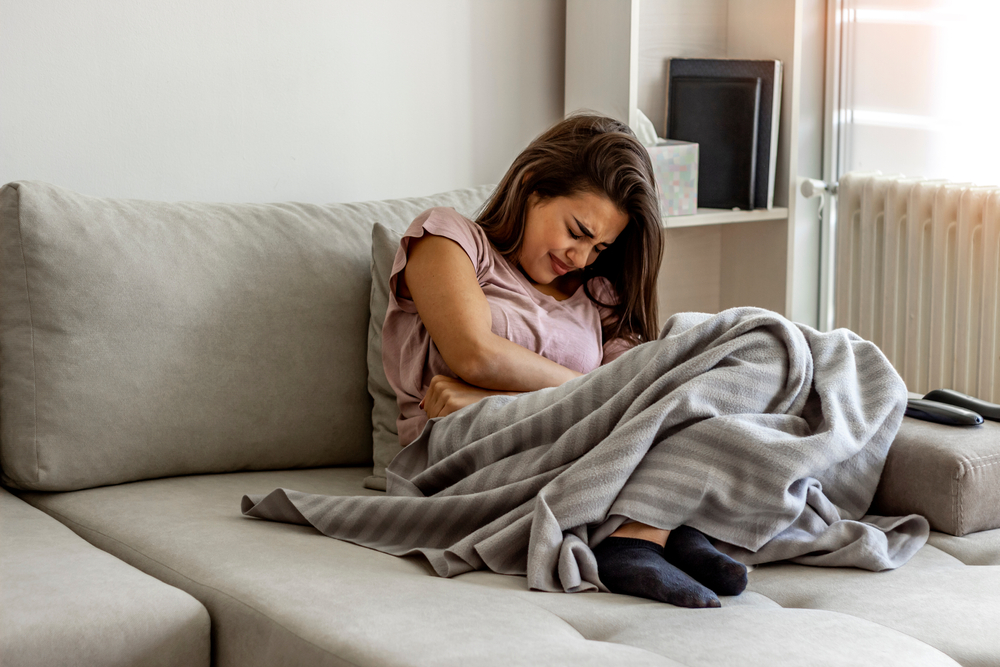
This point is commonly used in acupuncture, acupressure, and reflexology – treatments that have grown in popularity among those seeking non-pharmaceutical options for menstrual and hormonal support.
Also read: Why Danes Sleep Better Than You – and How You Can Do the Same
This article is based on information from Woman
Also read: Here’s the Optimal Time of Day to Take a Shower
This article is made and published by Mie Hermansen, who may have used AI in the preparation.