
Pigmentation spots can show up with age, hormones, or too much sun. But there’s good news: a dermatologist-backed guide reveals which methods really help—and how you can support the results at home.
What Are Pigmentation Spots Really?
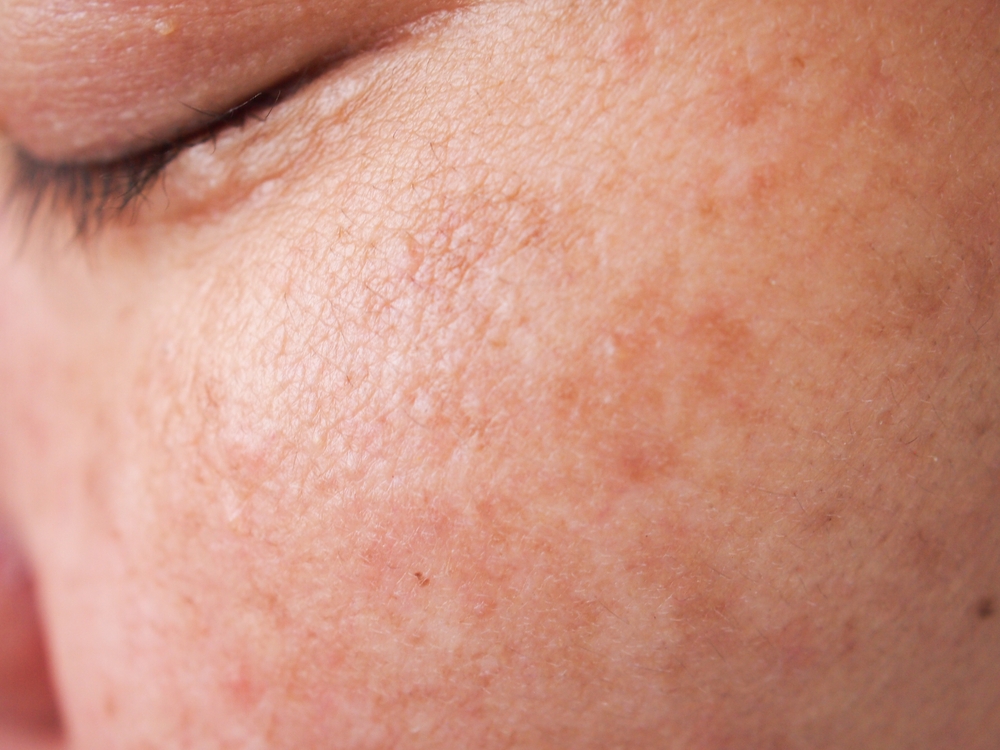
Dark spots, also called hyperpigmentation, often appear after sun exposure or hormonal shifts. They can pop up on the face, hands, neck—or anywhere your skin has taken UV damage over time.
Age Isn’t the Only Culprit

Hormonal changes during pregnancy, menopause, or from birth control can trigger pigment overload. These spots aren't just sun souvenirs—they’re often driven by internal changes, too.
Melanin Gone Into Overdrive

Your body produces melanin to shield your skin from UV rays. But when overproduced, it leaves behind uneven patches that don’t fade easily on their own.
Also read: This Hidden Age Could Determine How Long You’ll Live
The Face, Neck, and Hands Are Hotspots
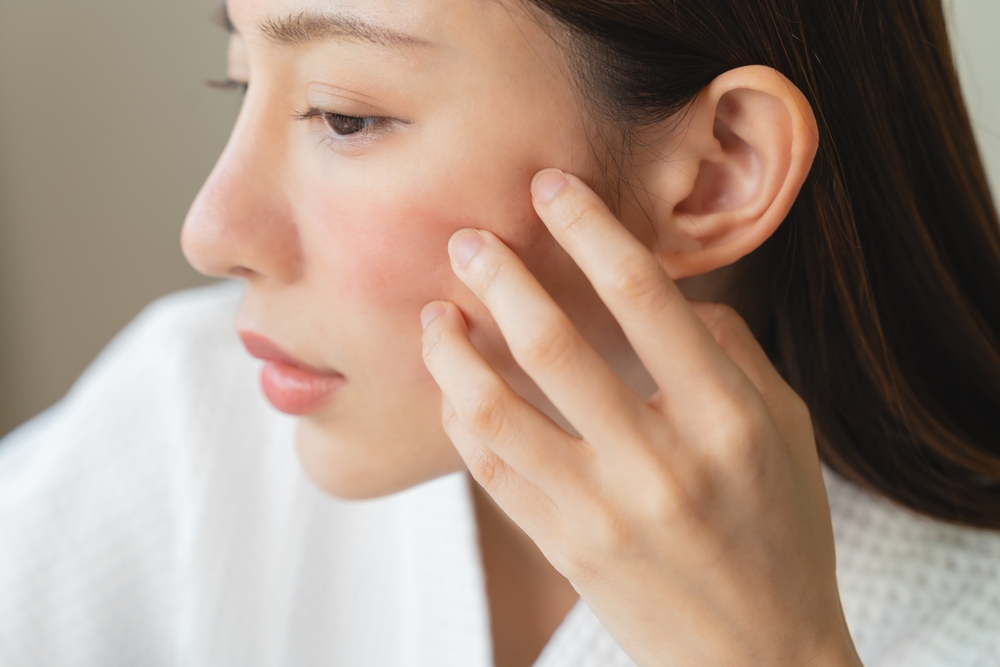
While these marks can appear anywhere, they’re especially bothersome in visible areas. Many people seek treatment when the spots affect their confidence or become stubborn.
Diagnosis Comes First
Before choosing a treatment, a doctor should examine your skin to rule out other conditions. Not all spots are just cosmetic—some can signal deeper issues.
IPL: Light That Targets Pigment

One popular method is IPL, or intense pulsed light. It heats the skin and draws pigment to the surface, fading dark areas over time and calming redness as a bonus.
The Power of Laser + Light

A new dual treatment combines IPL and Fraxel laser in one session. While IPL tackles pigmentation, the laser boosts collagen and softens fine lines. Together, they’re a skin-renewing dream team.
Also read: Dry and Cracked Feet? Here’s What Actually Works
It Works Best in Winter

Because both treatments make skin more sensitive to the sun, winter is the ideal time to start. Fewer UV rays means better healing and stronger results.
Retinol Is Your Best At-Home Ally

Retinol is a gold-standard ingredient for managing pigmentation between treatments. It boosts cell turnover and helps fade existing spots with consistent use.
Don’t Forget the SPF

No treatment will work unless you protect your skin daily. A high SPF sunscreen prevents new pigmentation and shields the progress you’ve made.
Chemical Peels and Cryotherapy
For stubborn cases, doctors may recommend freezing spots with cryotherapy or applying chemical peels that lift off damaged layers and encourage fresh skin to form.
Also read: Get Salon-Quality Skin, Hair, and Nails at Home With These Simple Tips
Ingredients That Even Out Skin Tone

At home, look for skincare with niacinamide, licorice root, kojic acid, or gentle exfoliating acids like AHA and BHA. These ingredients help reduce pigmentation and smooth skin texture over time.
This article is based on information from Alt.
Also read: Ditch the Supplements: Just a Spoonful of Cocoa Can Transform Your Health
This article is made and published by Mie Hermansen, who may have used AI in the preparation.