
We use our lips constantly — talking, eating, kissing. But they’re more than just cosmetic features.
Your lips can provide valuable clues about your internal health. Cracks, color changes, sores or chronic dryness could all be trying to tell you something.
Here's what to look for, according to medical experts.
Wrinkles around the lips
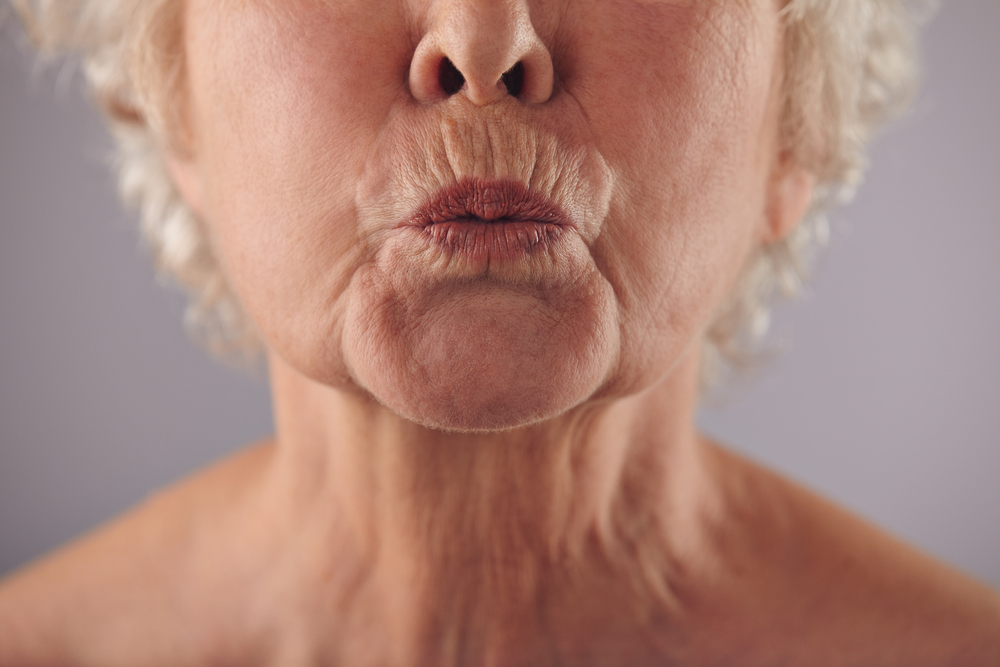
Small vertical lines above the upper lip may seem like a normal part of aging, and they often are.
Also read: Eat your way to better health: Healing fruits backed by science
But factors like smoking, sun exposure, and having thinner skin can speed up their appearance. Loss of collagen with age also plays a role. While not dangerous, they can be treated for cosmetic reasons.
Rough, scaly patches
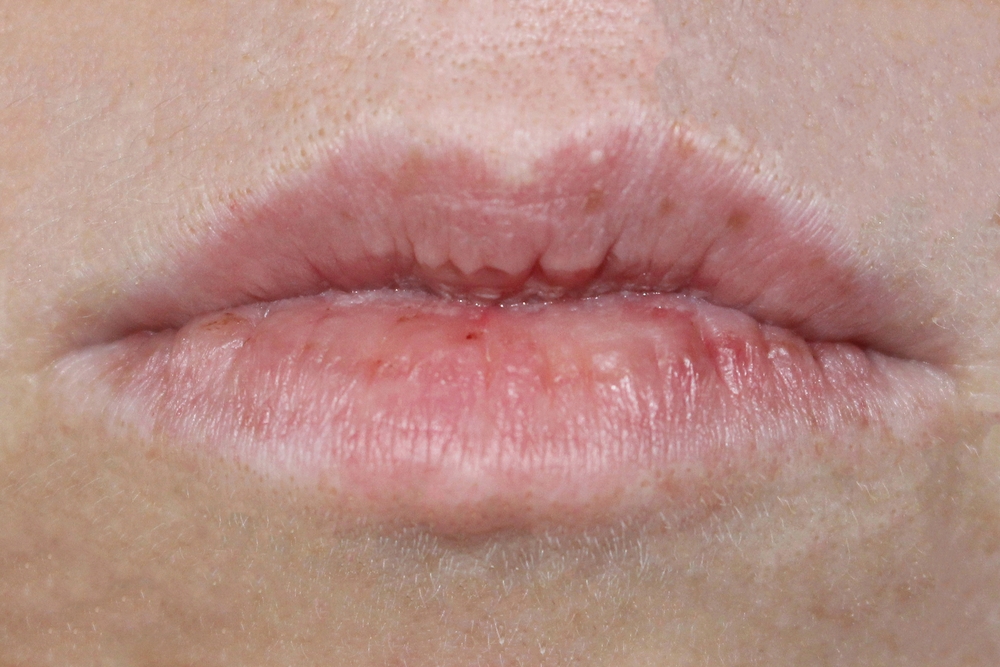
Persistent dryness or roughness that doesn’t improve with lip balm could be a red flag.
These patches may indicate actinic cheilitis - a potentially precancerous condition caused by sun damage.
If you notice crusty areas or changes in texture or color, especially if they don't heal, see your doctor.
Also read: Astrologers Reveal: These Zodiac Signs Are the Stingiest
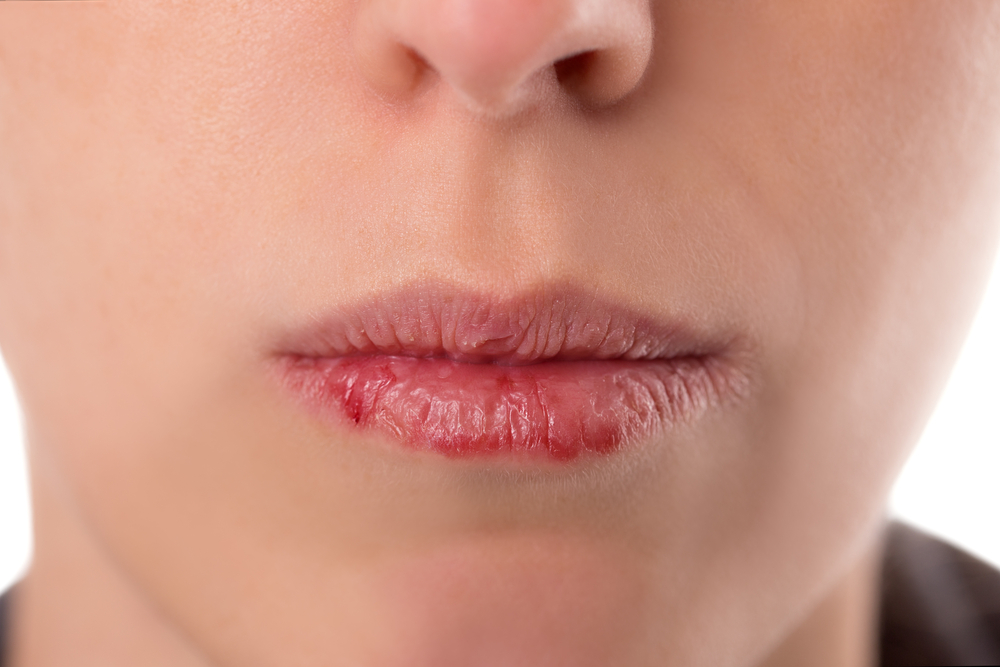
Cracked lips
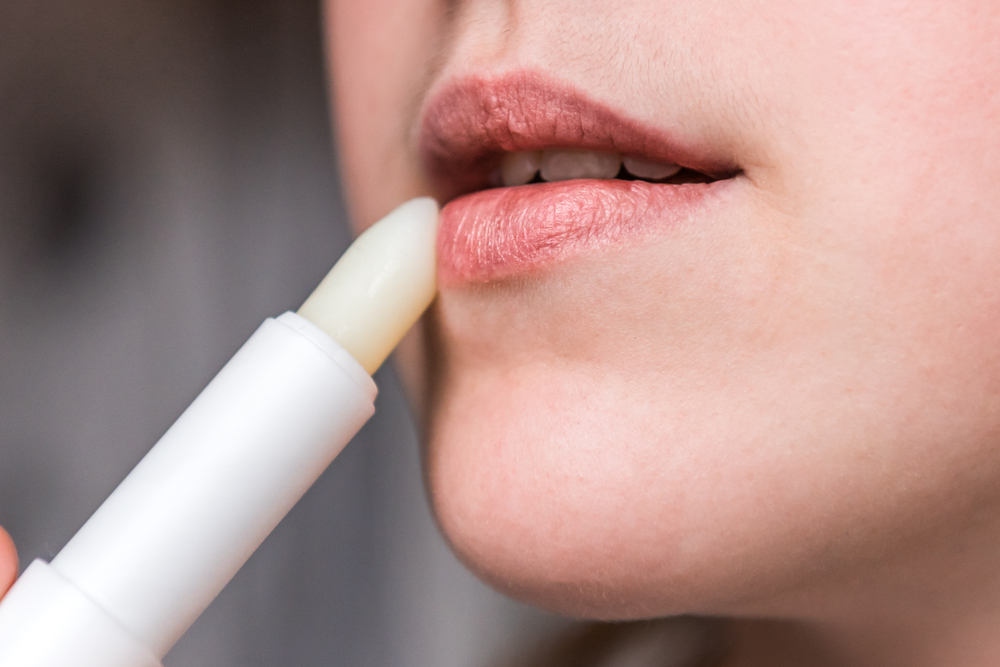
Chapped lips are common, especially in cold or windy weather. But when cracks are persistent, it could be due to dehydration, overexposure to the sun, or an underlying sensitivity.
Staying hydrated and using a lip balm with SPF is key. If cracks linger for weeks, get them checked.
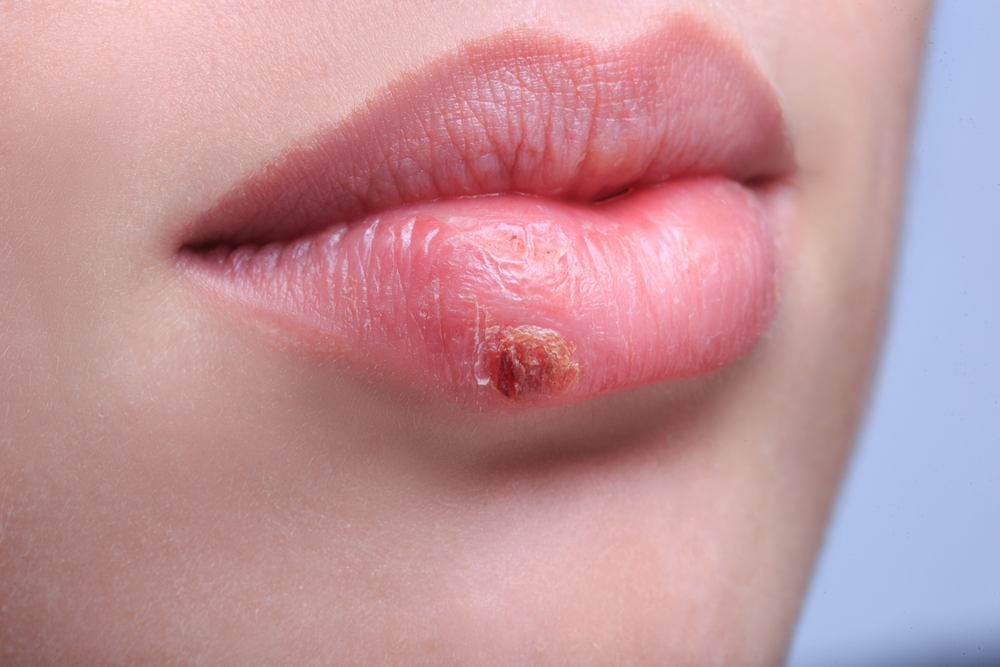
Blisters and sores
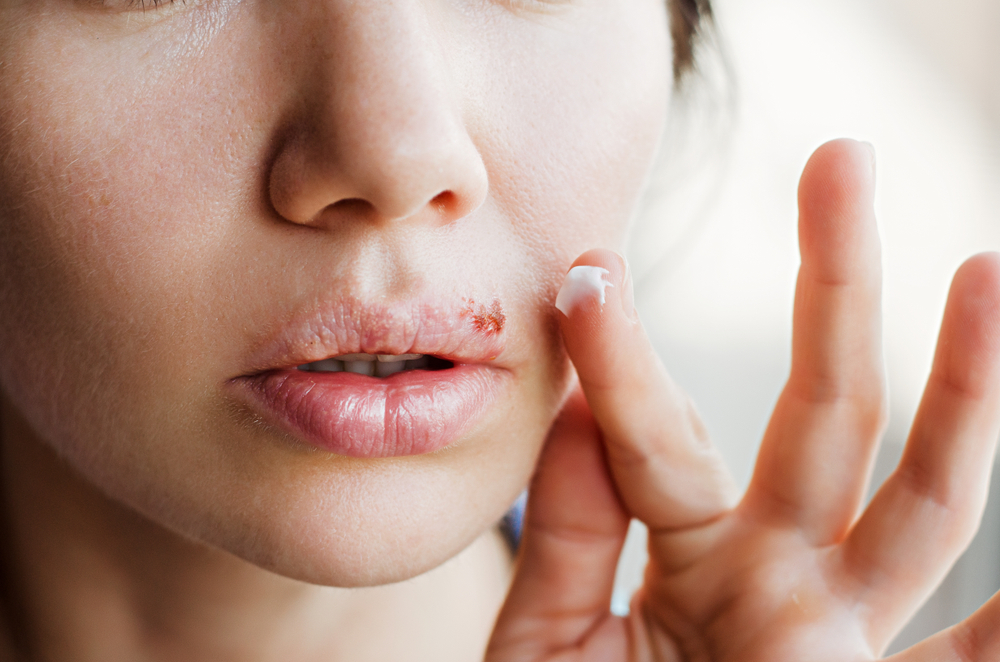
Painful bumps or blisters on your lips are often caused by the herpes simplex virus (cold sores).
These usually start with a tingling sensation and resolve within 10 days. However, if you develop persistent ulcers or bumps that don’t heal, it could be a sign of HPV, syphilis, or even lip cancer.
Also read: What’s the best way for men to pee – sitting or standing?
Cracks at the corners of the mouth
This painful condition is known as angular cheilitis and can result from saliva pooling in the corners, creating a breeding ground for yeast or bacteria.
It’s more common in those with dry lips, denture wearers, or people with B2 (riboflavin) deficiency. Keep the area clean and use barrier creams like petroleum jelly.
Lip discoloration

Have your lips turned pale, dark, or even bluish? Pale lips might point to anemia, while bluish tones could indicate low blood oxygen, a potential sign of lung or heart problems.
Pigmentation changes can also result from sun exposure or smoking. Persistent discoloration should always be assessed by a doctor.
Also read: Spot multiple sclerosis up to 15 years before diagnosis - here’s how
Dark spots and pigmentation
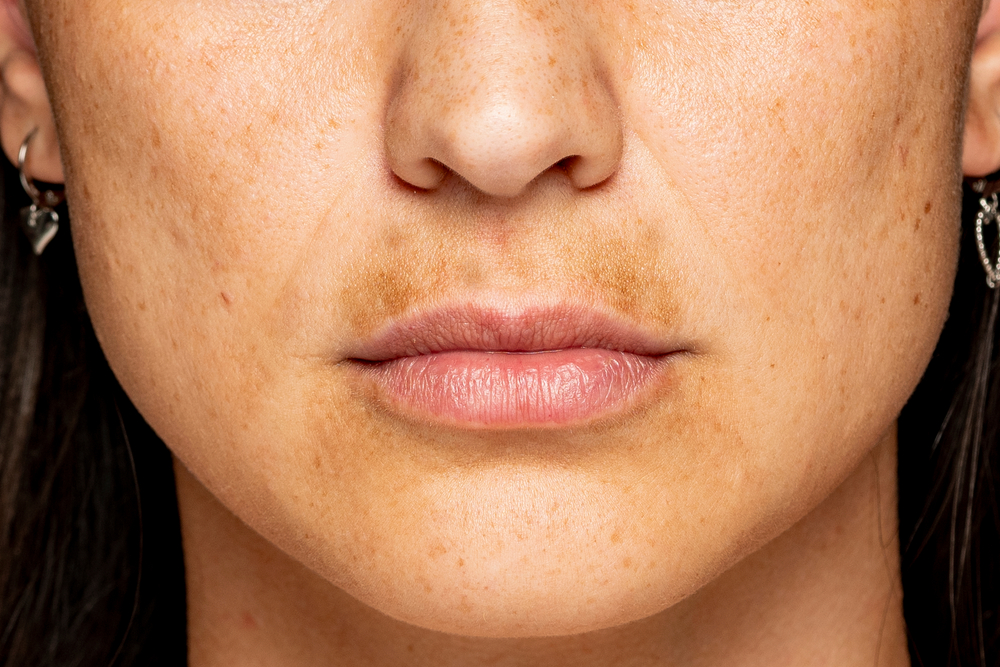
While dark spots are often harmless, new or changing pigmentation should never be ignored.
Spots could result from sun exposure, hormonal shifts, smoking or certain medications.
In rare cases, they might signal melanoma. Daily SPF balm can help prevent pigmentation from developing.
Swollen lips
Sudden or persistent swelling of the lips could indicate an allergic reaction, known as angioedema.
Also read: Scientists reveal why salt is dangerous for some but harmless for others
Common triggers include foods (like shellfish or nuts), cosmetics, and certain medications.
For mild cases, antihistamines may help. If swelling is severe or affects breathing, seek emergency help.
Non-healing sores
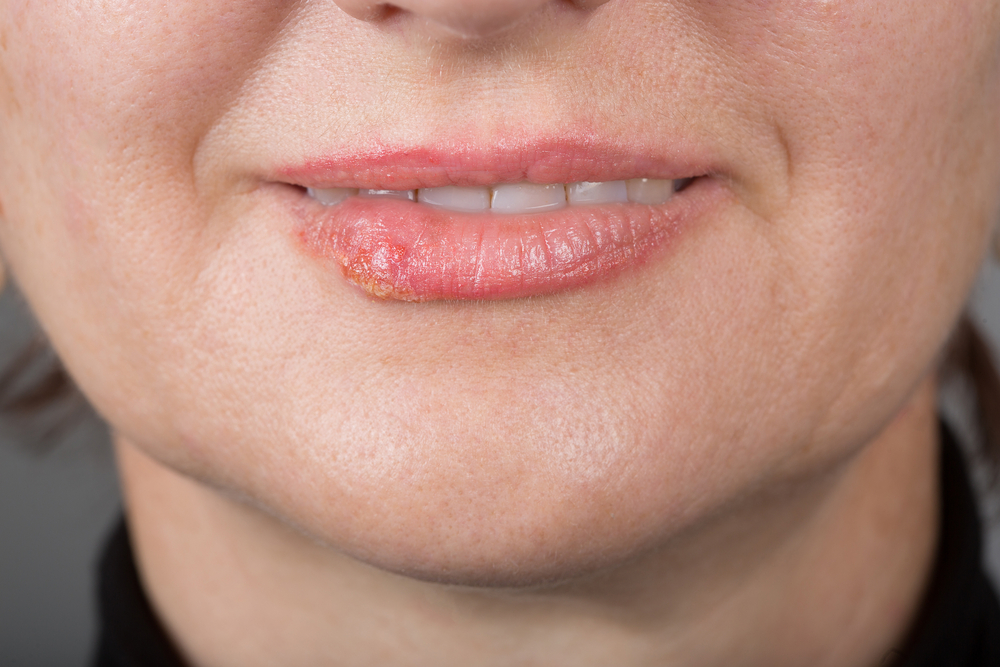
Any sore on the lips that doesn’t heal within two weeks should be examined by a healthcare professional.
These could indicate infections, STIs, or in rare cases, skin cancer. Early detection is vital. A biopsy may be necessary if cancer is suspected.
Constant dryness despite lip balm
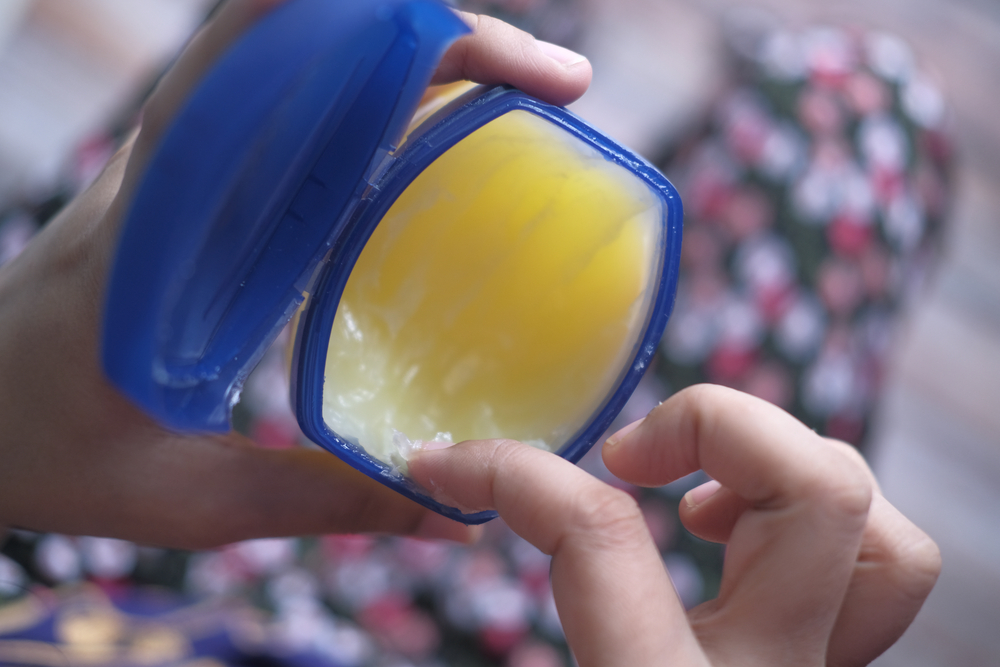
If you find yourself constantly reapplying balm with no relief, your product may be the problem.
Choose one with occlusive ingredients like petroleum jelly, shea butter or lanolin, and make sure it has SPF.
Persistent dryness could also be a sign of allergies or underlying skin conditions like eczema.
This article is based on information from The Sun.
This article is made and published by Ida-Marie Palm Varbæk, who may have used AI in the preparation.