
High blood pressure is one of the biggest health risks worldwide, but small changes to your daily routine can make a difference. Experts say your morning choices play a powerful role in setting the tone for a healthier heart throughout the day.
Skip the morning scroll

Checking the news or social media as soon as you wake up may increase stress levels, which can trigger spikes in blood pressure. Instead, try starting your day with calming activities like stretching, meditation, or a short walk.
Add potassium to breakfast

Foods rich in potassium, such as bananas, yogurt, avocados, or kiwis, help balance sodium and support healthy blood vessel function. Including them in your first meal can contribute to naturally lower blood pressure.
Step outside early

Spending time outdoors reduces stress and encourages movement. Morning sunlight also helps regulate vitamin D and circadian rhythms, both of which play a role in blood pressure control.
Also read: New Study Reveals: These 3 Exercises help You Sleep Better
Track your numbers

Regular monitoring is the only way to know where your blood pressure stands. Taking readings at the same time each morning provides a clearer picture of your long-term trends and helps guide prevention.
Practice deep breathing

Slow, intentional breathing activates the parasympathetic nervous system—the body’s natural “rest and digest” mode. Even a few minutes of mindful breathing can reduce stress and ease pressure on your heart.
Be mindful with caffeine
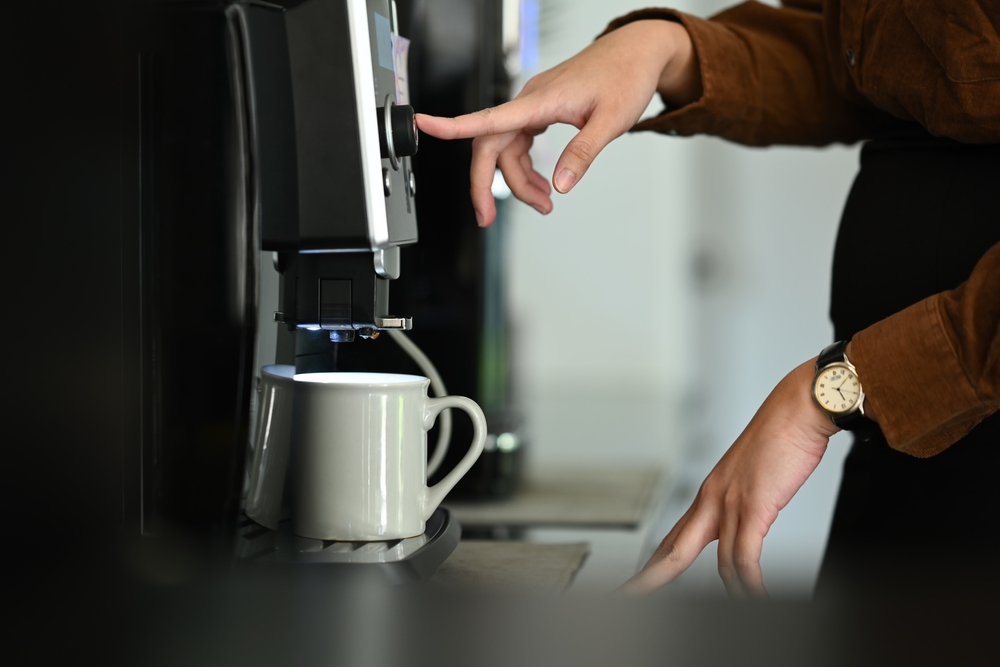
A moderate amount of coffee or tea is safe for most people, but too much can cause short-term blood pressure spikes. Stick to one to three cups, and consider green tea for added antioxidants.
Prioritize sleep the night before

Quality rest supports healthy blood pressure regulation. Poor or irregular sleep patterns may cause increases, so maintaining good sleep hygiene is key.
Also read: 5 supplements that don’t mix well with your morning coffee
Keep stress low throughout the day

Stress doesn’t stop after the morning. Taking short breaks to stretch, breathe, or disconnect from screens can help keep blood pressure steady.
Move your body

Regular physical activity is one of the strongest defenses against high blood pressure. Whether it’s a morning walk or an evening workout, consistency matters more than timing.
Limit alcohol intake

Even small amounts of alcohol can raise blood pressure. Cutting back—or opting for nonalcoholic alternatives—can help protect long-term heart health.
Artiklen er baseret på informationer fra EatingWell
Also read: Everyday Habits That Might Destroy Your Liver
Also read: 6 convenience foods that can help lower blood pressure
This article is made and published by Mie Hermansen, who may have used AI in the preparation.