
High cholesterol affects millions, yet misinformation still circulates about what causes it and how to lower it. Here are some of the most persistent myths—and what science actually shows.
Myth 1: You should avoid eggs and other cholesterol-rich foods

For years, eggs were seen as the culprit. But new research shows that saturated and trans fats play a much bigger role in raising LDL cholesterol than dietary cholesterol itself.
Myth 2: Diet changes alone can fix high cholesterol

A healthy diet is important, but it’s not always enough. Genetics, sleep, stress and exercise also strongly influence cholesterol levels.
Myth 3: All fat is bad
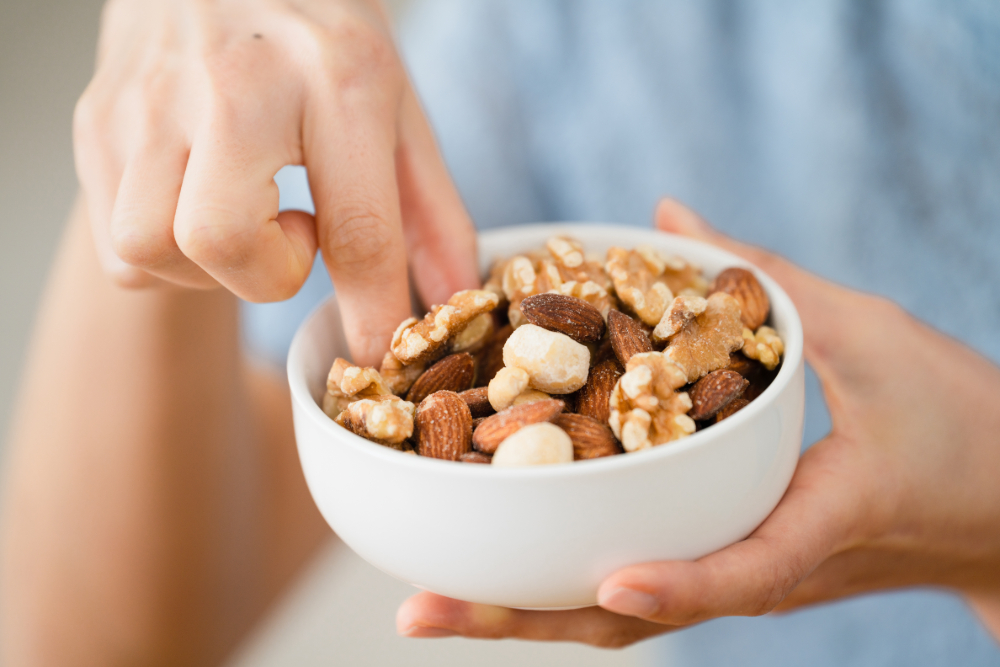
Not all fats are harmful. Unsaturated fats from nuts, avocado and fatty fish can actually raise HDL cholesterol and lower the risk of heart disease.
Also read: Aging Accelerates After 50, Study Finds - Here’s How to Fight Back
Myth 4: You can feel if you have high cholesterol

Most people with elevated cholesterol don’t notice any symptoms. Regular blood tests are the only reliable way to know your numbers.
Myth 5: High cholesterol only affects people with higher body weight

Cholesterol issues can appear at any size. Family history, diet and lifestyle factors matter more than body weight alone.
Myth 6: Cholesterol is only a concern when you’re older

Children and young adults can also develop high cholesterol, especially if heart disease runs in the family. Building healthy habits early makes a difference.
Fiber is your ally

Eating fiber-rich foods—vegetables, fruits, whole grains and legumes—can lower LDL cholesterol and improve heart health.
Also read: Morning habits that can help lower your blood pressure
Don’t forget about sugar

Added sugars are linked to higher LDL cholesterol and triglycerides, making heart disease risk climb. Cutting back matters.
Alcohol can raise your levels

Excess drinking contributes to high LDL and triglycerides. Reducing alcohol intake is an effective step toward better cholesterol.
Exercise is a game-changer

Regular activity boosts HDL (the “good” cholesterol) and lowers triglycerides. Even daily walks can have measurable benefits.
Article is based on information from EatingWell
Also read: New Study Reveals: These 3 Exercises help You Sleep Better
Also read: 5 supplements that don’t mix well with your morning coffee
This article is made and published by Mie Hermansen, who may have used AI in the preparation.