
Coffee, soda or energy drinks are part of the daily routine for millions of people. But cutting out caffeine can trigger surprising changes—some uncomfortable at first, others beneficial in the long run.
Headaches may strike

When you stop consuming caffeine, blood vessels widen again and this sudden change in blood flow can cause headaches for a few days.
Digestive changes appear
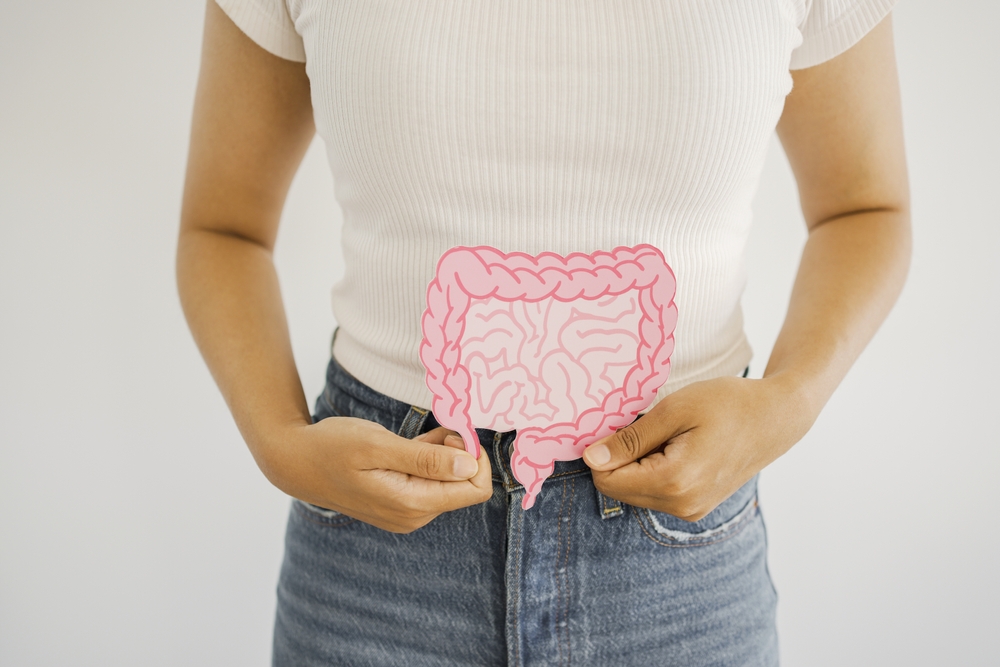
Coffee is known to stimulate digestion. Without it, some people notice mild constipation until the gut adjusts.
Energy levels can drop

Caffeine is a stimulant, so quitting often leads to drowsiness, brain fog or reduced alertness, especially in the first week.
Also read: Simple ways to reduce microplastics in your kitchen
Weight loss may follow
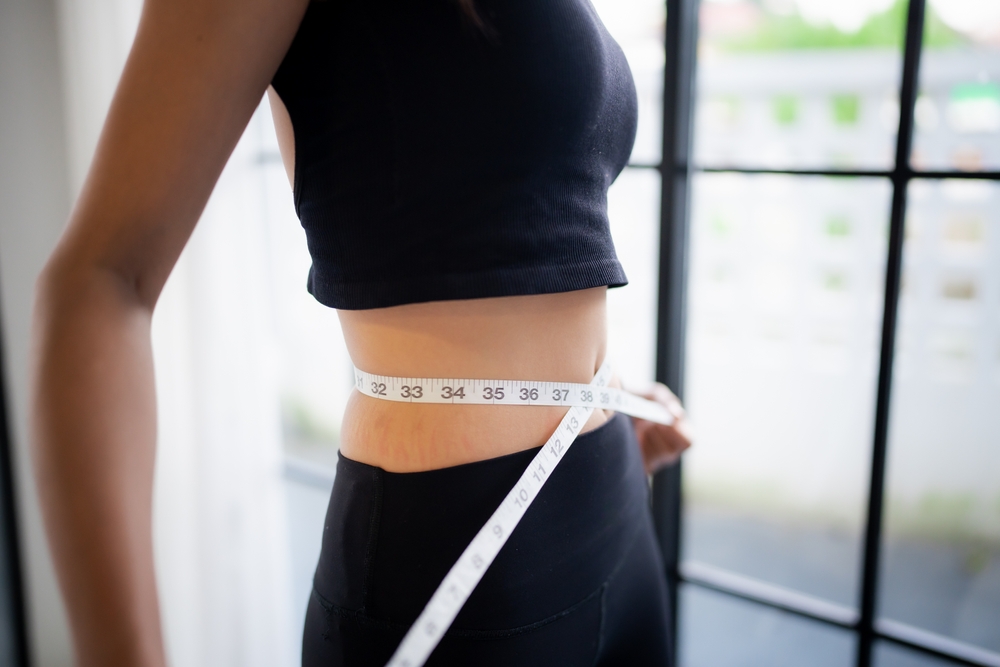
Coffee itself is low in calories, but cream, sugar and flavored drinks add up. Removing them from your routine can lower daily calorie intake.
A calmer nervous system

Without caffeine, irritability and jitters fade, leading to a more relaxed feeling once the withdrawal phase is over.
Sleep improves

Since caffeine lingers in the body for hours, cutting it out often means deeper and more consistent rest at night.
Morning energy returns naturally

Your body has its own wake-up mechanisms, and after the adjustment period, you may find mornings easier without coffee.
Also read: How to Boost Your Fiber Intake Without Only Eating Brown Rice
Brighter teeth

Coffee and soda stain enamel and wear it down. Quitting caffeine can help keep your smile whiter and healthier.
Mood stabilization

After initial irritability, many people report feeling emotionally more balanced without the ups and downs caffeine can cause.
Healthier habits may follow

Swapping coffee for water, herbal tea or fresh juice often leads to better hydration and a more nutrient-rich diet.
Artiklen er baseret på informationer fra EatingWell
Also read: Experts say your vitamins work best if you take them at this time
Also read: Daily Behavior that Could Be Harming Your Gut
This article is made and published by Mie Hermansen, who may have used AI in the preparation.