
Microplastics have been detected everywhere from oceans to the human body – and part of the problem starts at home. Everyday kitchen habits can release tiny plastic particles into food, but with a few swaps, you can minimize the risk.
Glass instead of plastic containers
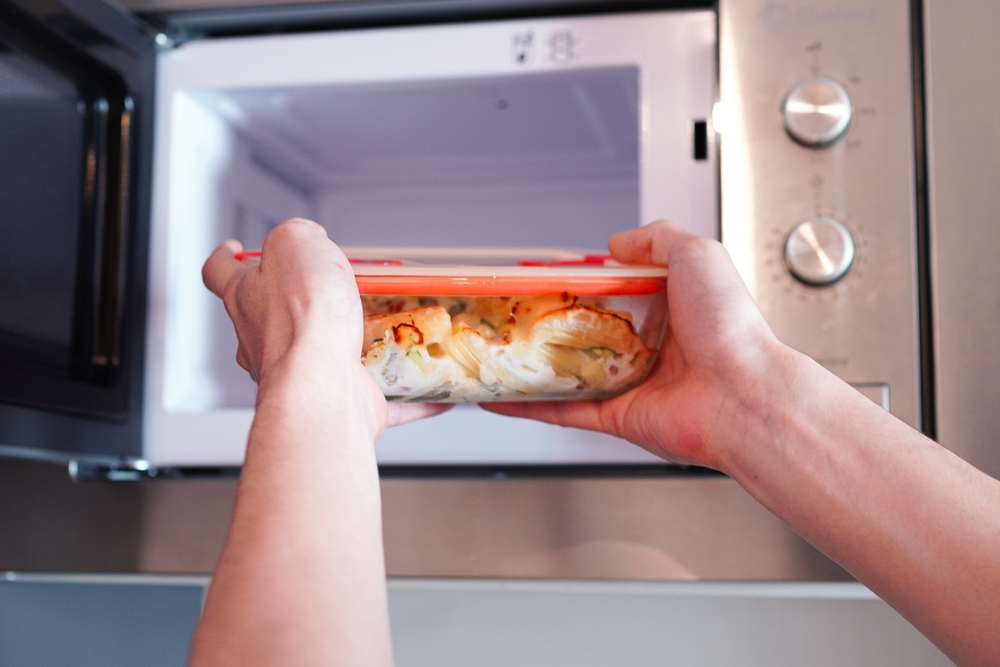
Plastic can release particles when food is stored or reheated in it. Glass containers are a safer, reusable choice that lasts for years.
Lids that actually work
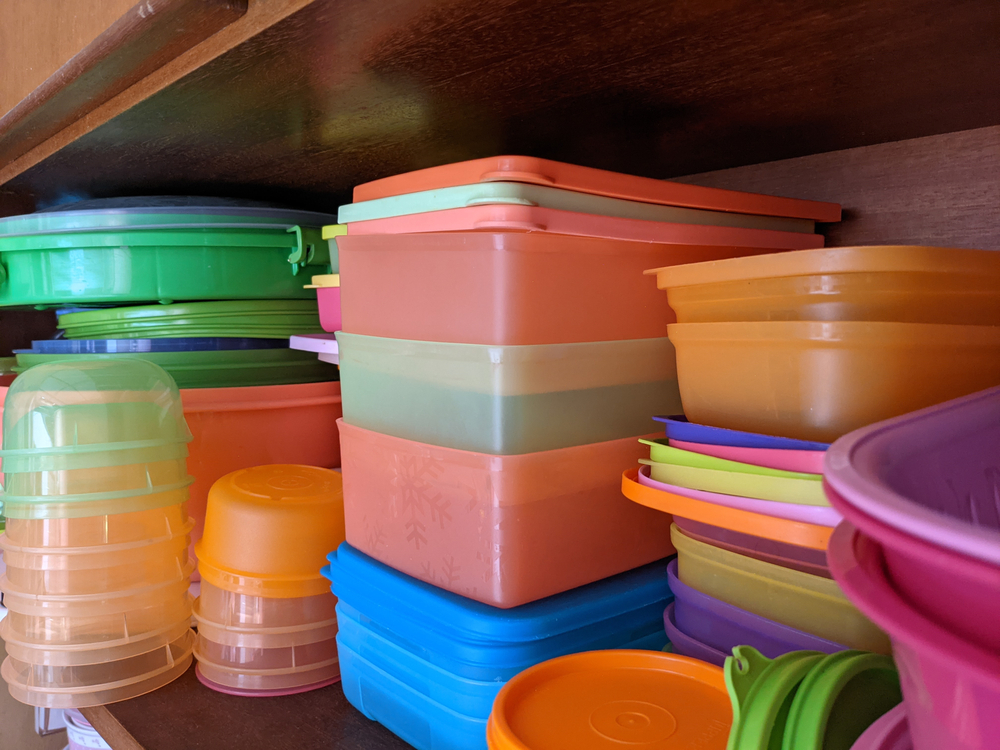
Modern glass containers with silicone lids seal tightly, are easy to clean, and take up less space than traditional plastic options.
Say goodbye to plastic cutting boards
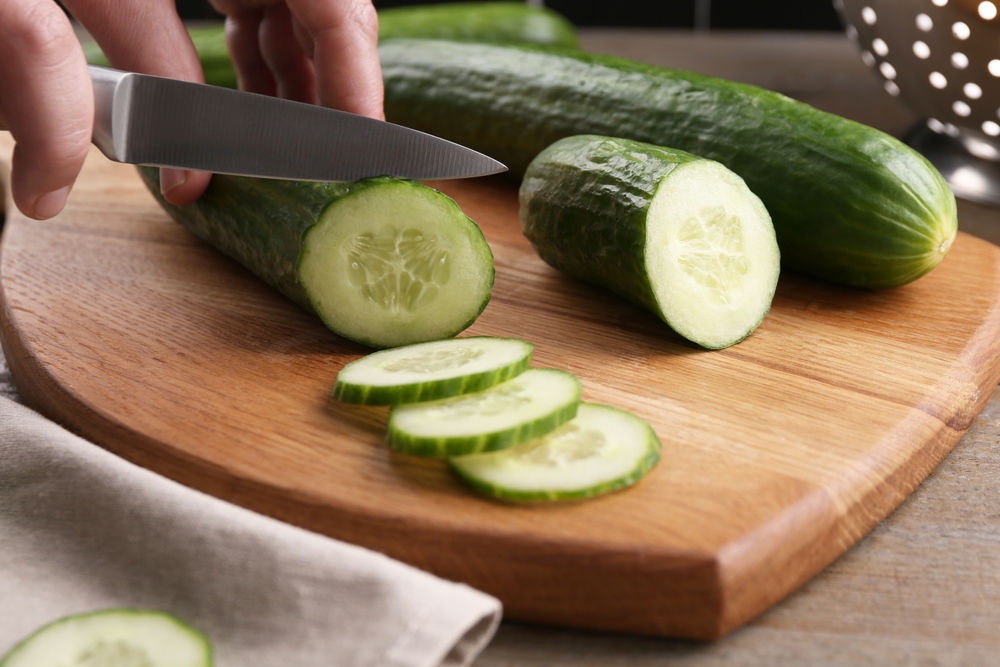
Over time, plastic cutting boards shed small fragments into your meals. A durable bamboo or wooden board is a healthier and longer-lasting option.
Also read: How to Boost Your Fiber Intake Without Only Eating Brown Rice
Multiple sizes for daily cooking
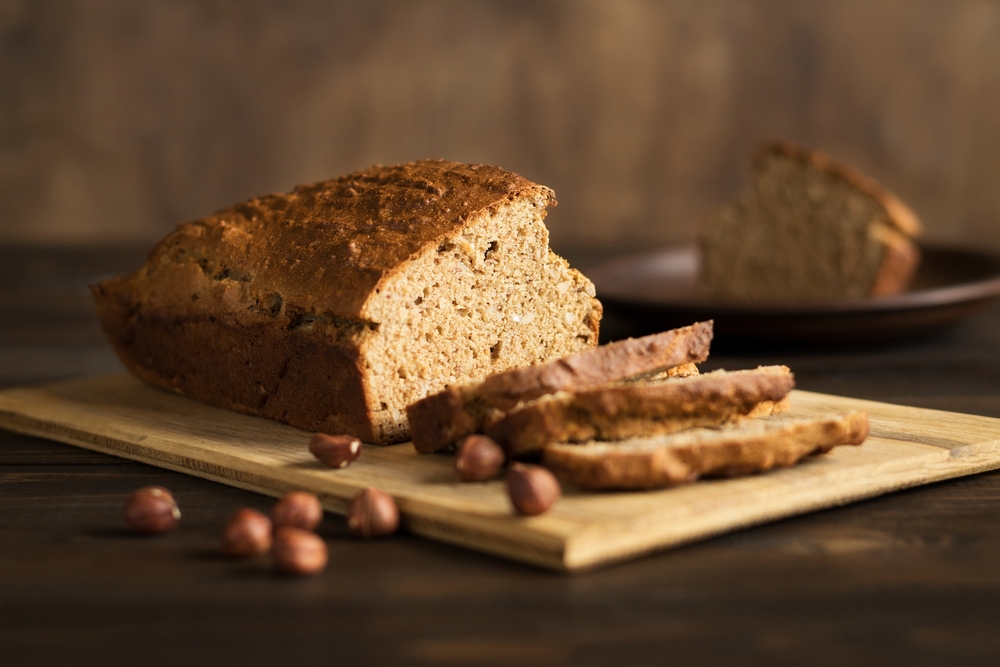
Keeping a set of boards in different sizes is practical for any kitchen task, and wooden ones can double as stylish serving platters.
Replace plastic utensils
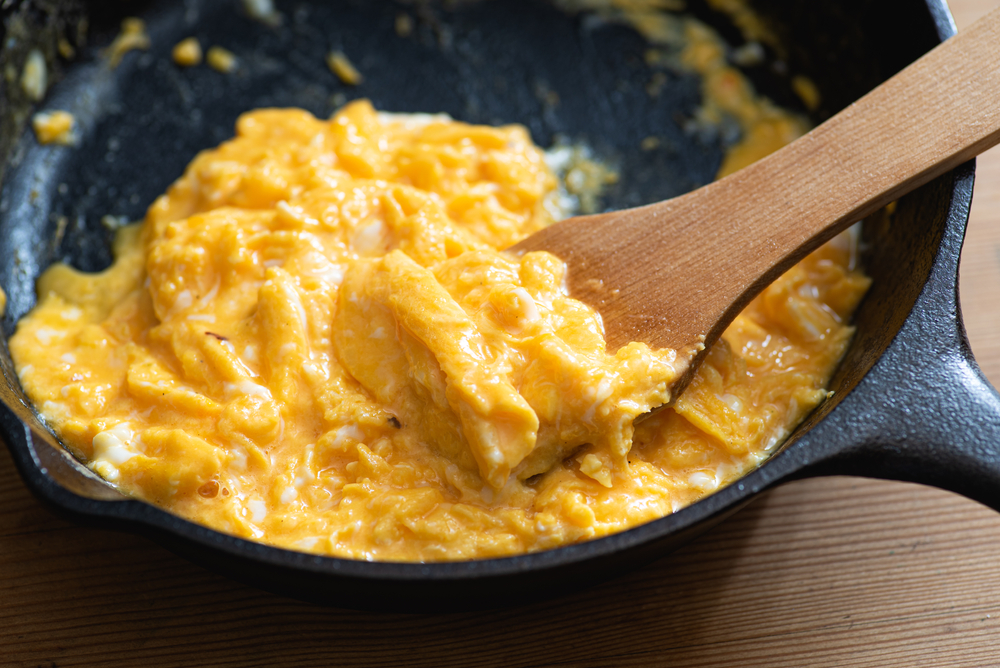
Plastic spatulas and spoons can release harmful compounds when exposed to heat. Wooden or silicone utensils are safer choices.
Wooden tools stand the test of time
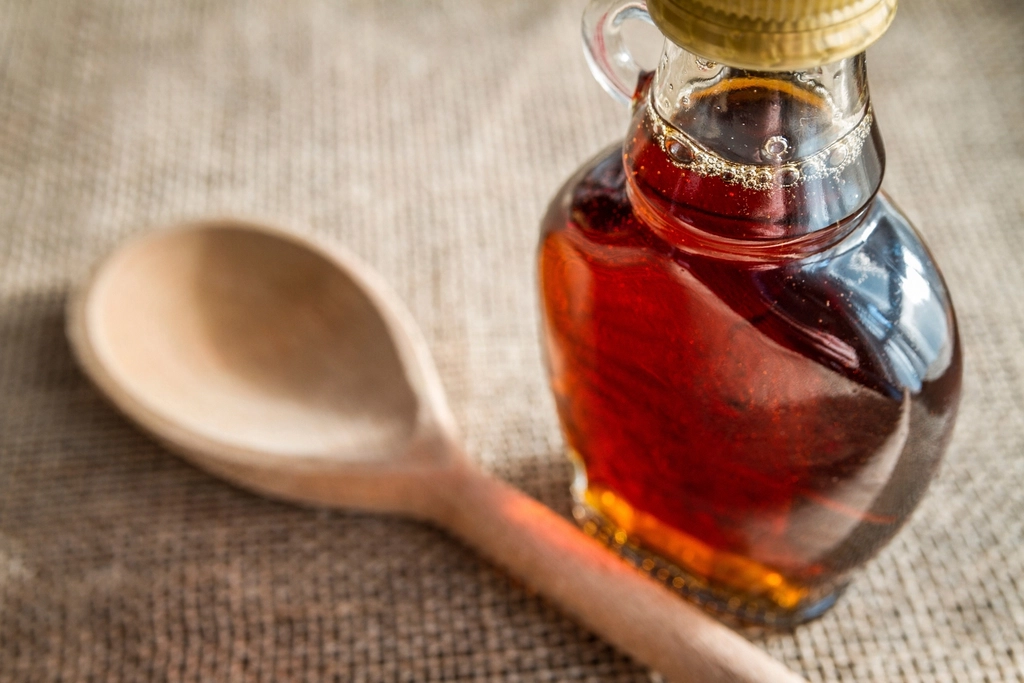
A good wooden spoon or spatula can last for years, working well for stirring sauces or flipping vegetables in the pan.
Silicone as a flexible solution

Heat-resistant silicone can be used for baking, soups, and stews without leaching microplastics into your food.
Also read: Experts say your vitamins work best if you take them at this time
Skip the Teflon coating
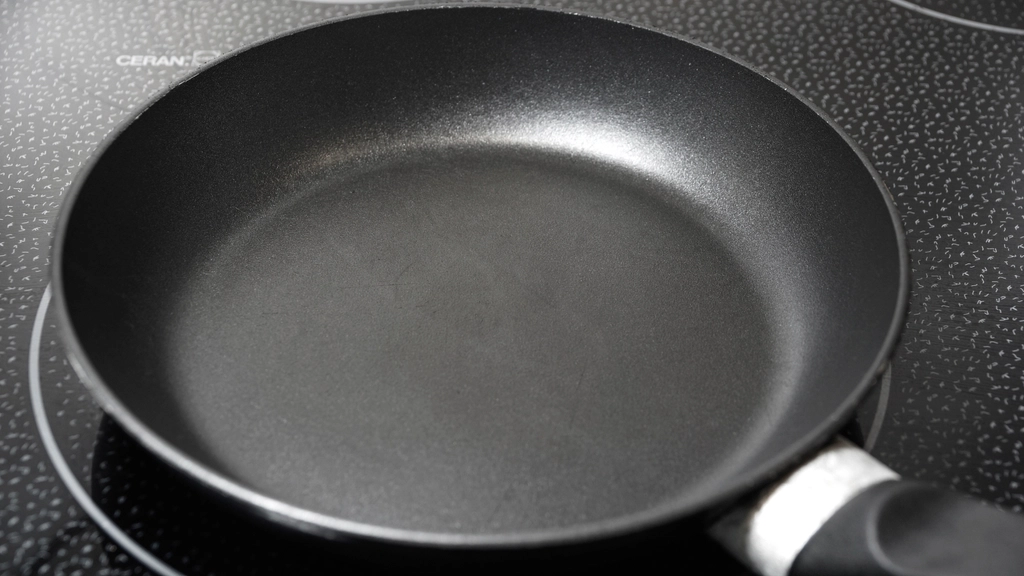
Nonstick pans coated with Teflon may release chemicals as the surface wears down. Cast iron or ceramic cookware is a safer bet.
Safer nonstick alternatives

Ceramic pans are user-friendly, while cast iron skillets can last a lifetime and deliver even heat for cooking.
Ditch plastic wrap – choose beeswax
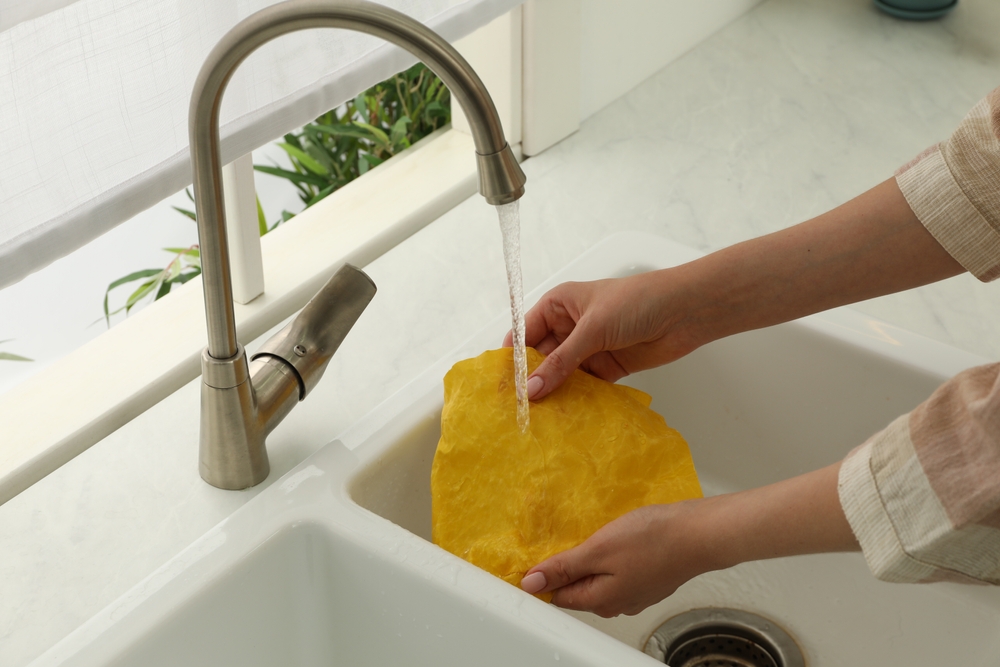
Beeswax wraps mold easily around food, can be reused many times, and are perfect for wrapping cheese, vegetables, or snacks.
Article is based on information from EatingWell
Also read: Daily Behavior that Could Be Harming Your Gut
Also read: Love Breakfast Buffets? These Classics Could Be Filled With Bacteria
This article is made and published by Mie Hermansen, who may have used AI in the preparation.