
According to data from USDA FoodData Central and insights published in Prevention, hummus is a nutrient-dense food that combines plant-based protein, fiber, and healthy fats. It is widely used across many dietary patterns and recognized for both its versatility and its health-supporting properties.
A nutrient-dense combination
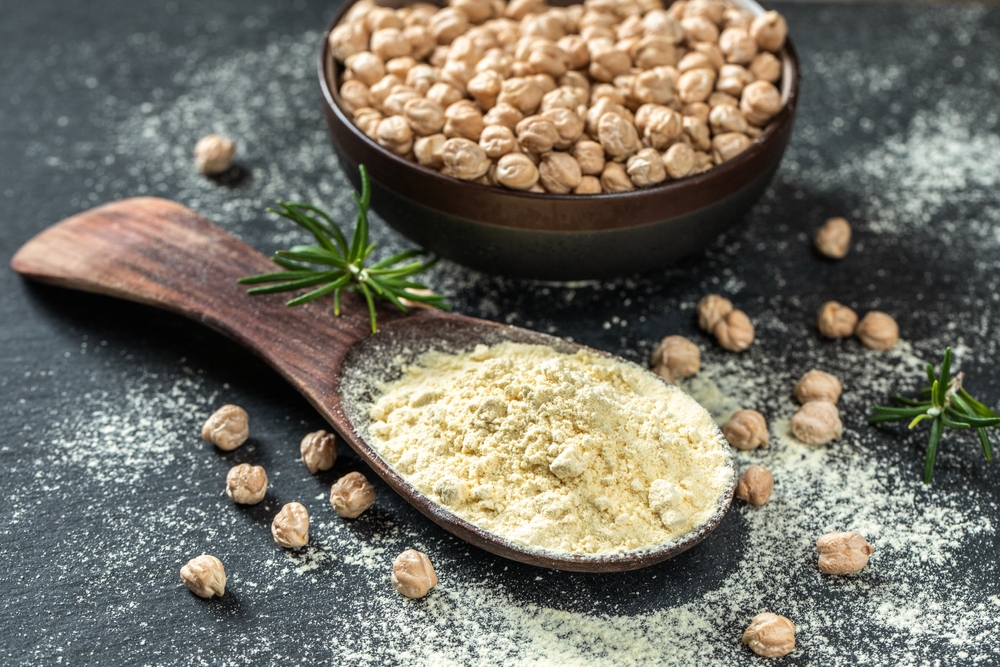
Hummus is made from a handful of ingredients that together provide a balanced nutritional profile. Chickpeas and tahini supply both macronutrients and essential micronutrients. This makes hummus a simple yet highly nourishing option.
A source of plant-based protein
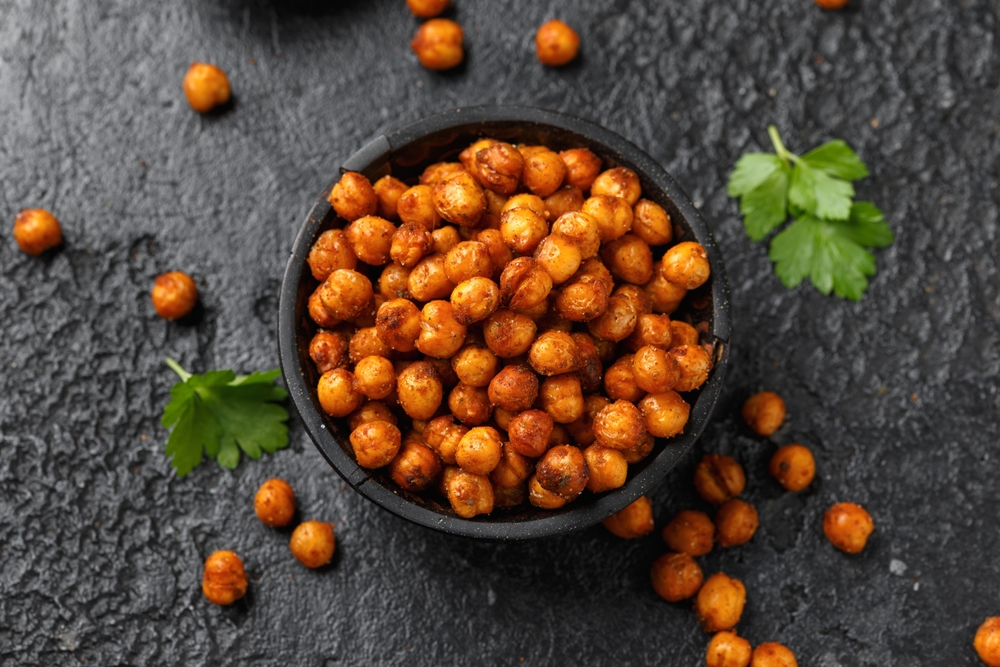
Chickpeas offer plant-based protein that can help support overall protein intake. This is particularly beneficial for those aiming to eat more plant-forward meals. It also contributes to greater dietary variety.
Contains healthy fats
Tahini and olive oil are rich in unsaturated fats that support overall health. These fats play a role in maintaining normal heart function. As a result, hummus can be a better alternative to spreads high in saturated fat.
Also read: Common sugar alternative may affect brain blood vessels
Provides essential vitamins and minerals
Hummus contains nutrients such as folate, potassium, calcium, and phosphorus. These are important for processes like bone health and energy metabolism. Even small servings can contribute to daily nutrient needs.
Supports a healthier diet overall
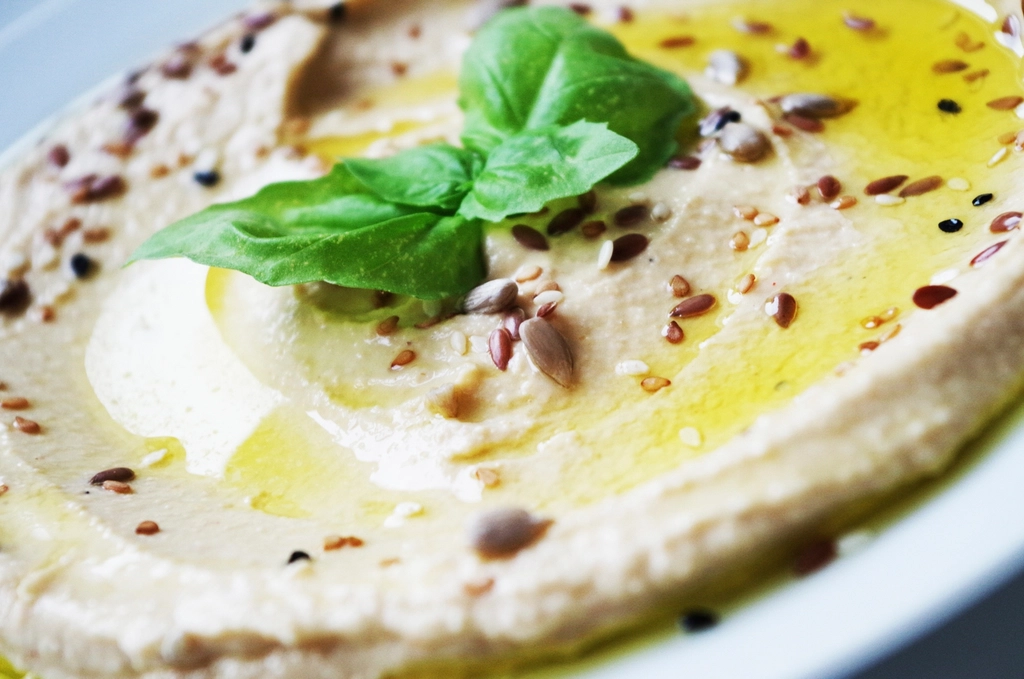
Including hummus in meals or snacks can help replace less nutritious, energy-dense foods. This can improve overall diet quality. It also makes it easier to make more balanced food choices.
May increase satiety
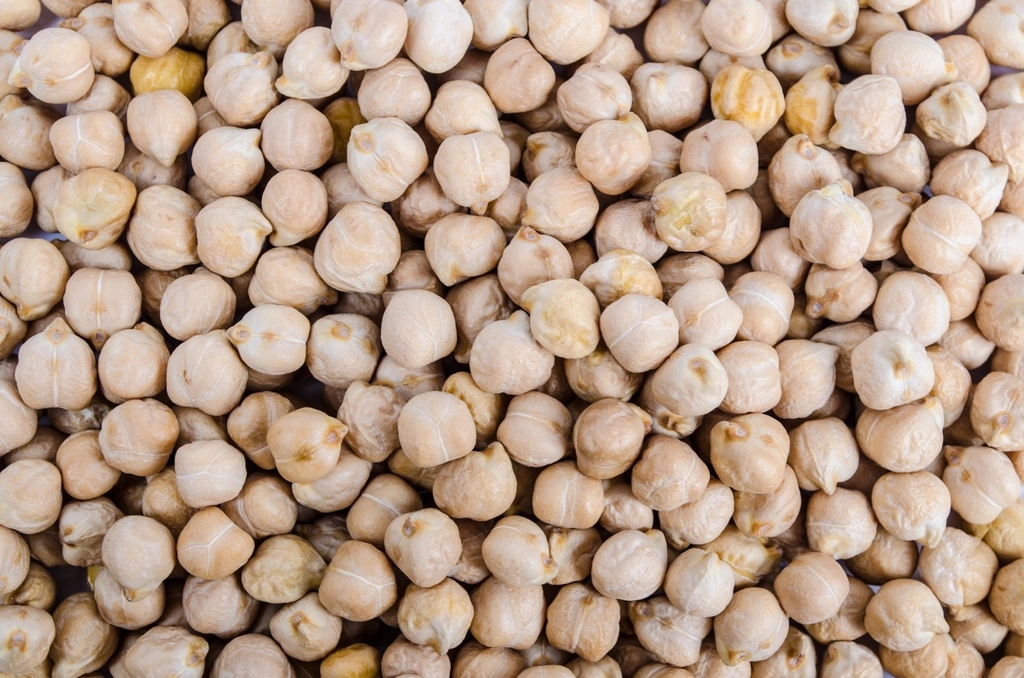
The combination of fiber and protein makes hummus a filling food. It can help stabilize hunger between meals. This may reduce the urge for unnecessary snacking.
Can positively influence eating habits
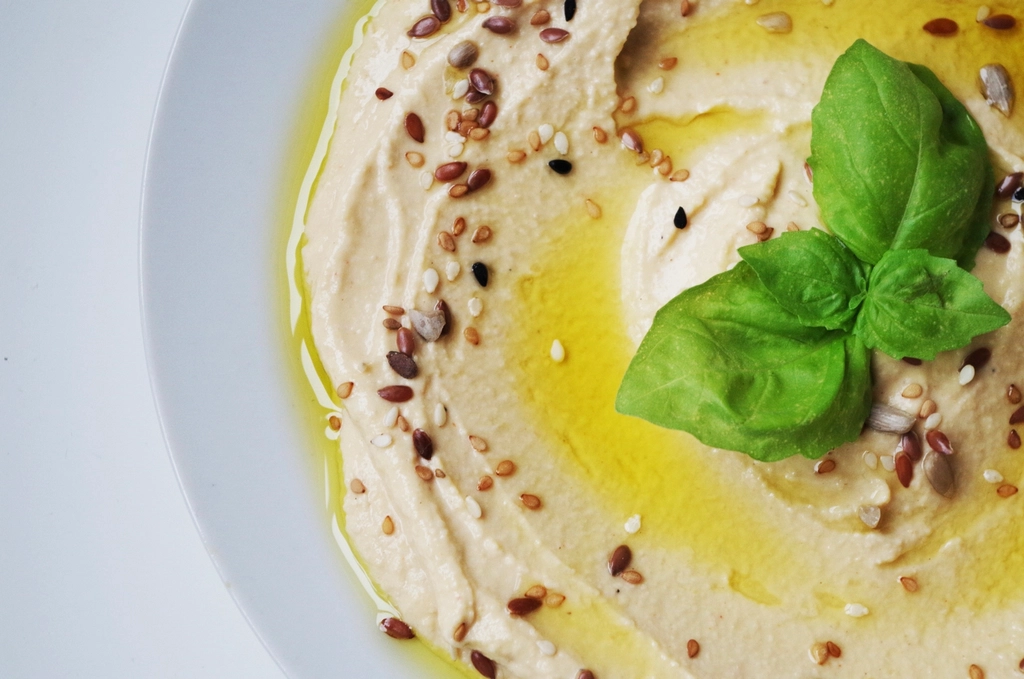
Research suggests that eating hummus as a snack may affect later food choices. It has been linked to lower consumption of sugary foods later in the day. This indicates a potential indirect benefit on overall eating patterns.
Also read: How a daily intake of granola affects your body
Supports heart health
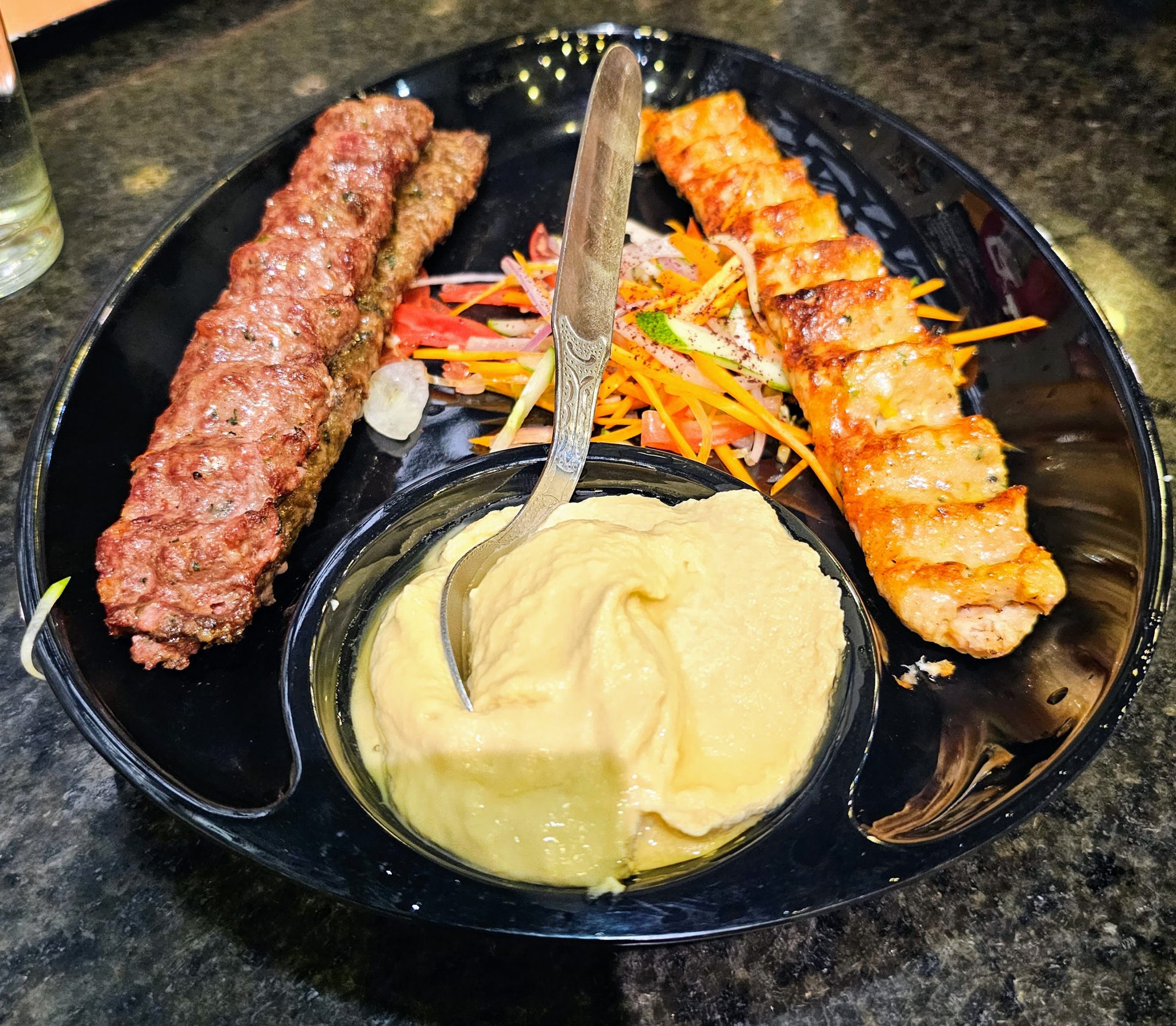
Chickpeas provide fiber and beneficial fats while being naturally low in saturated fat. This supports cardiovascular health. Hummus can therefore fit well into a heart-conscious diet.
May improve blood lipid levels
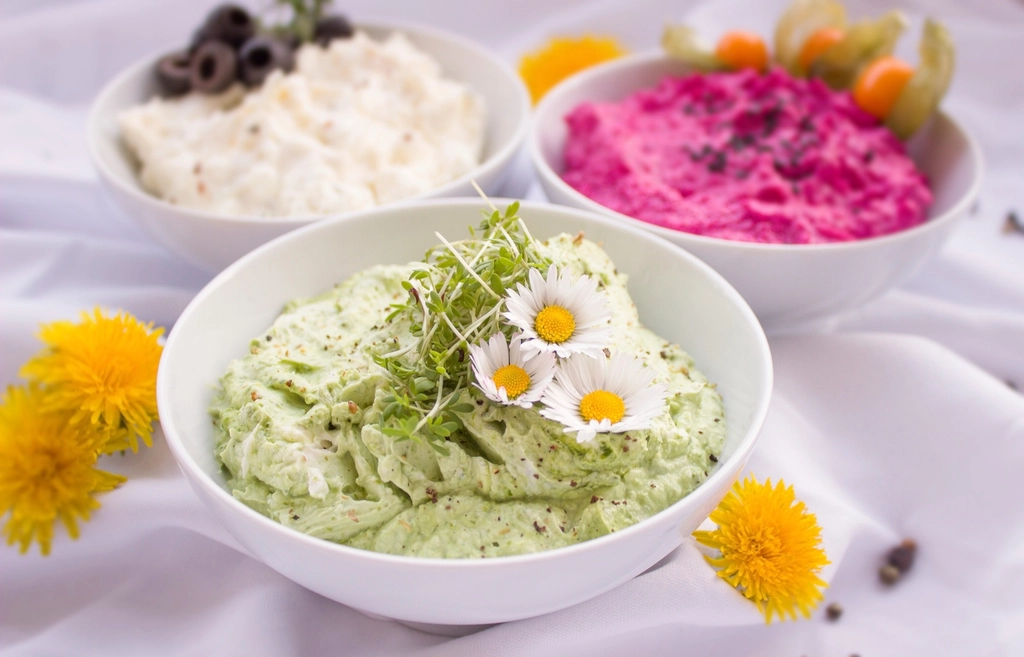
Studies indicate that ingredients like chickpeas and tahini can positively affect blood lipids. This includes cholesterol and triglyceride levels. These effects are relevant for long-term health.
Rich in antioxidants
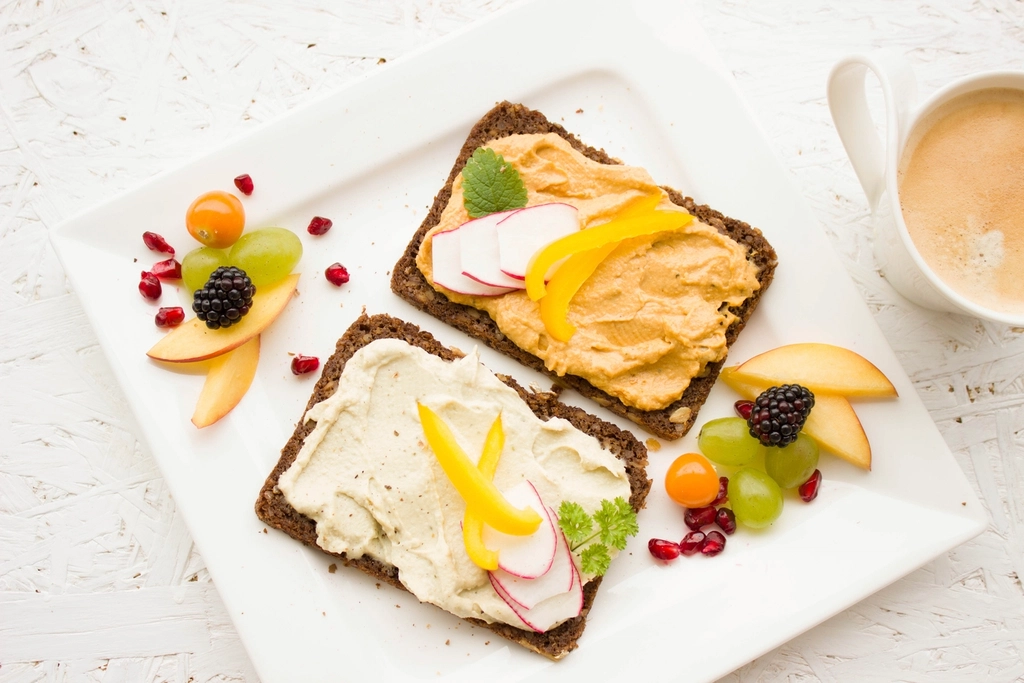
Hummus contains plant compounds such as polyphenols, flavonoids, and lignans. These substances help protect cells from oxidative stress. Antioxidants play an important role in overall health maintenance.
May support weight management

Foods that promote satiety can be helpful for weight control. Hummus combines fiber and protein, both of which contribute to fullness. This may help regulate overall energy intake.
Also read: Are cold beverages bad for your health? Here’s what science says
Versatile in cooking

Hummus can be used in a variety of ways in the kitchen. It works as a dip, a spread, or an ingredient in different dishes. Its versatility makes it easy to incorporate into daily meals.
Not suitable for everyone

People with allergies to sesame or legumes should avoid hummus. These ingredients are fundamental to traditional recipes. Awareness of food sensitivities is important.
May cause digestive discomfort in some individuals

Chickpeas contain certain carbohydrates that can be difficult to digest. This may lead to bloating or discomfort in sensitive individuals. Those with digestive sensitivities may need to be cautious.
Watch out for store-bought varieties

Some commercial hummus products may contain high levels of sodium or added sugar. Checking nutrition labels is important. This helps ensure better overall nutritional quality.
Also read: New guidelines recommend earlier cholesterol screening
Also read: Over 50? Here’s why you shouldn’t shower every day
This article is made and published by Mie Hermansen, who may have used AI in the preparation.