
According to an article from NBC Connecticut, based on expert insights reported by most people have encountered moldy food at some point, sometimes only after taking a bite. While it may seem unpleasant, small amounts are rarely dangerous.
Mold in food is usually harmless in small quantities, but certain types can pose real health risks.
What is mold?
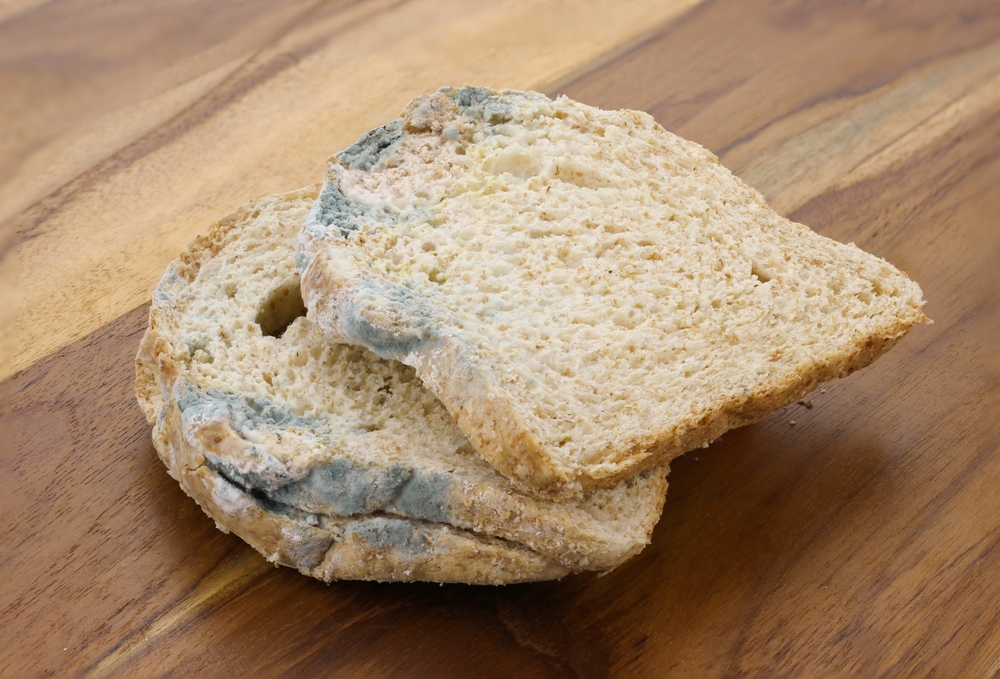
Mold consists of microscopic fungi found almost everywhere in nature. They spread through tiny spores that exist in the air, on our skin, and on food.
Why does mold grow on food?
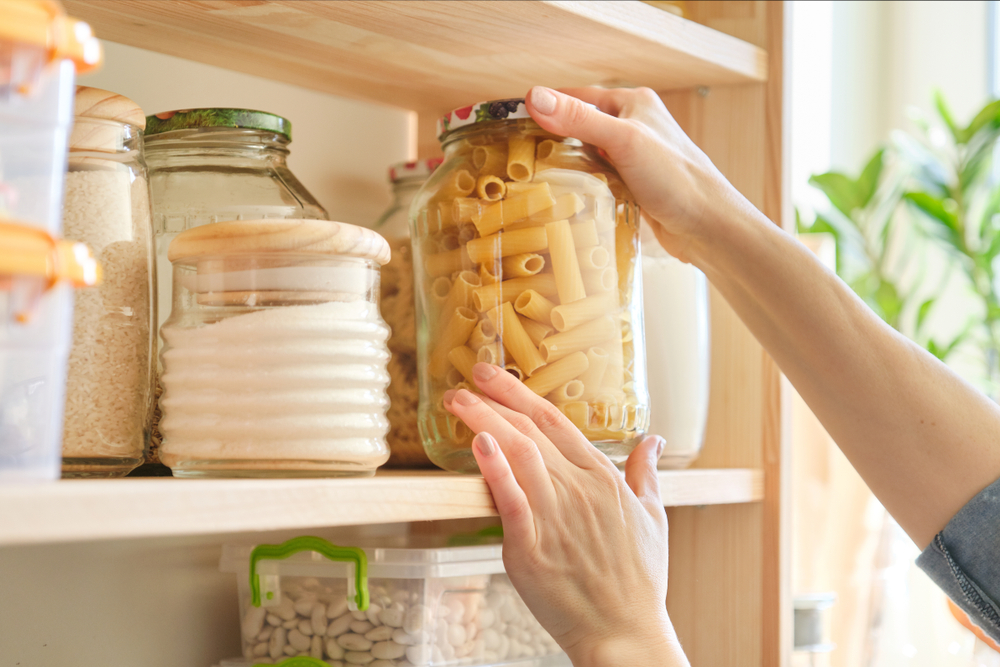
Mold thrives in moist, warm environments with access to oxygen. This is why it often develops on food that is stored improperly or kept for too long.
Also read: Do you eat healthily? Fruits and vegetables may increase your risk of lung cancer
Mold is almost everywhere

Spores are a natural part of the environment and can easily land on food. Even in the refrigerator, mold can develop over time.
Good and bad types of mold
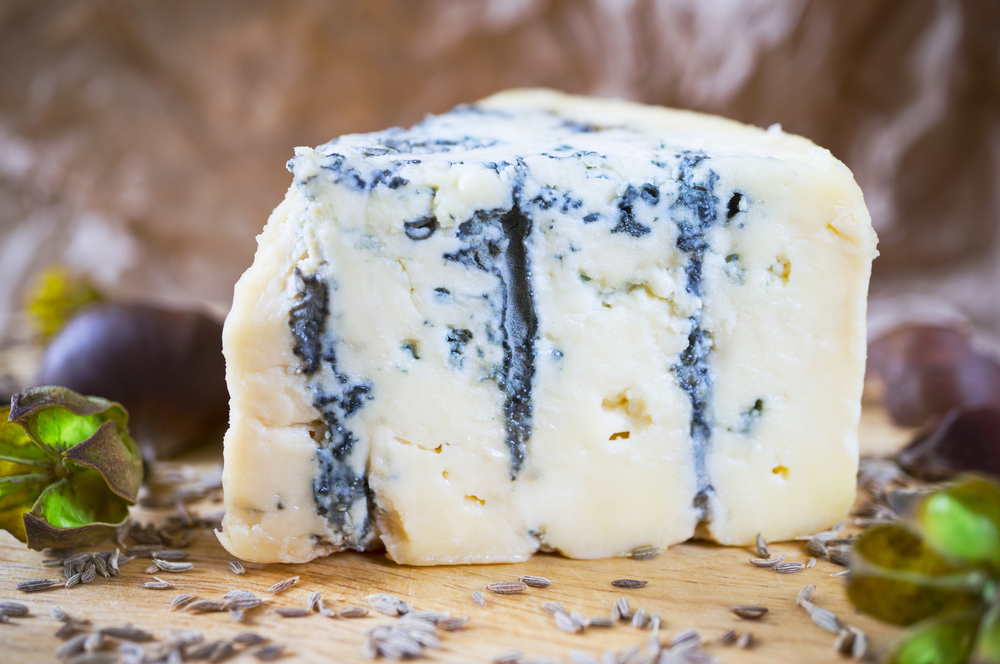
There are harmless, harmful, and toxic types of mold. Some are intentionally used in food production, while others indicate spoilage.
Mold in cheese is safe
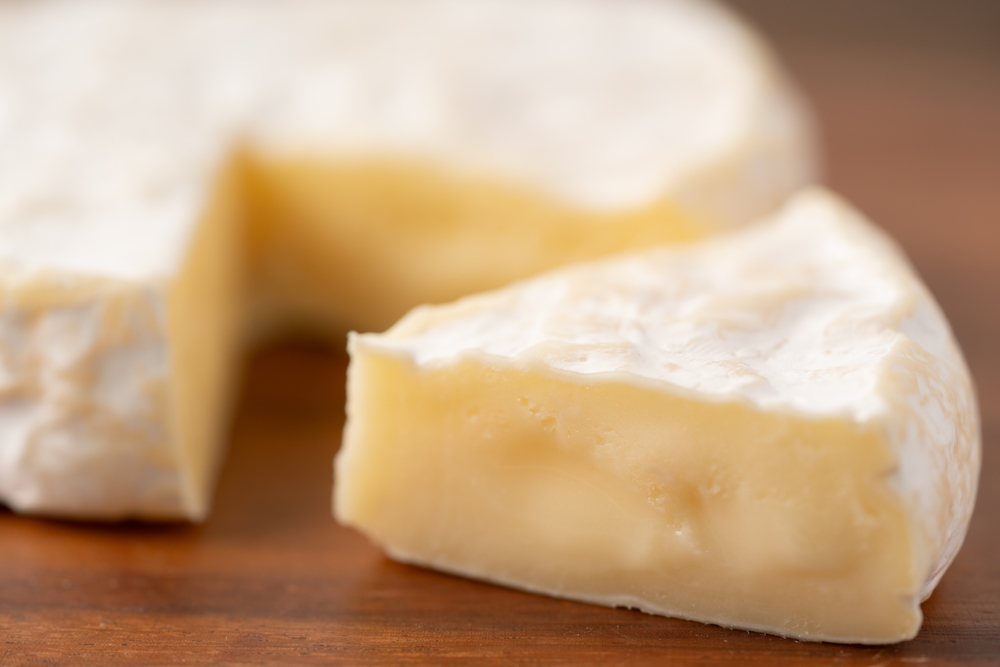
Certain cheeses are made using controlled mold cultures that are safe to eat. These molds are intentionally added during production.
Mold on spoiled food
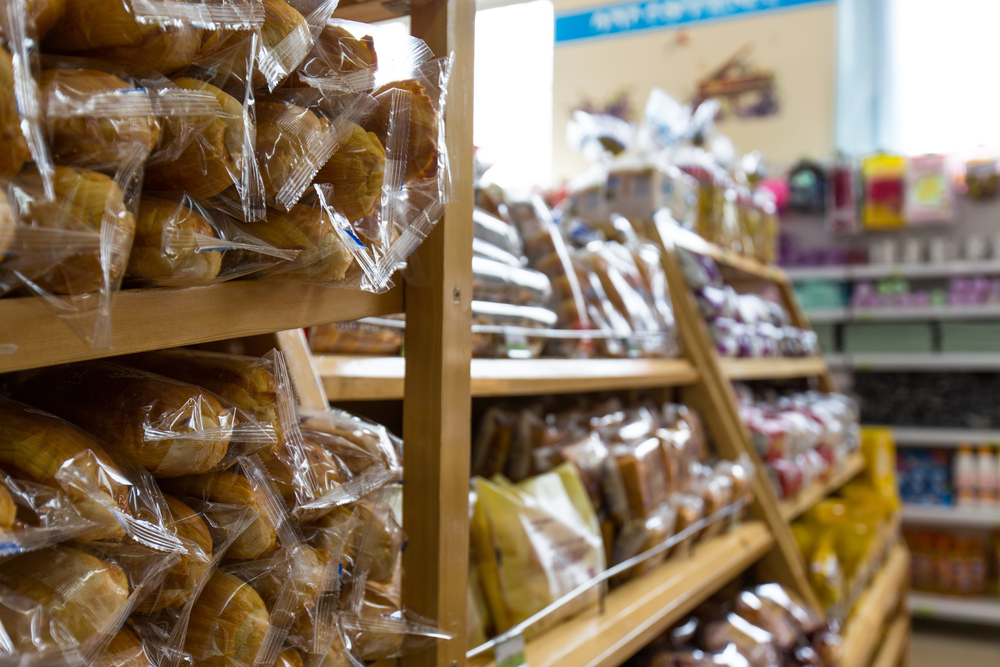
Mold on food can appear in different colors and textures. Bread may develop green or black spots, while berries often grow a white, fuzzy coating.
Also read: New technique tested in France could lead to more than 25 percent weight loss
What happens if you eat mold?
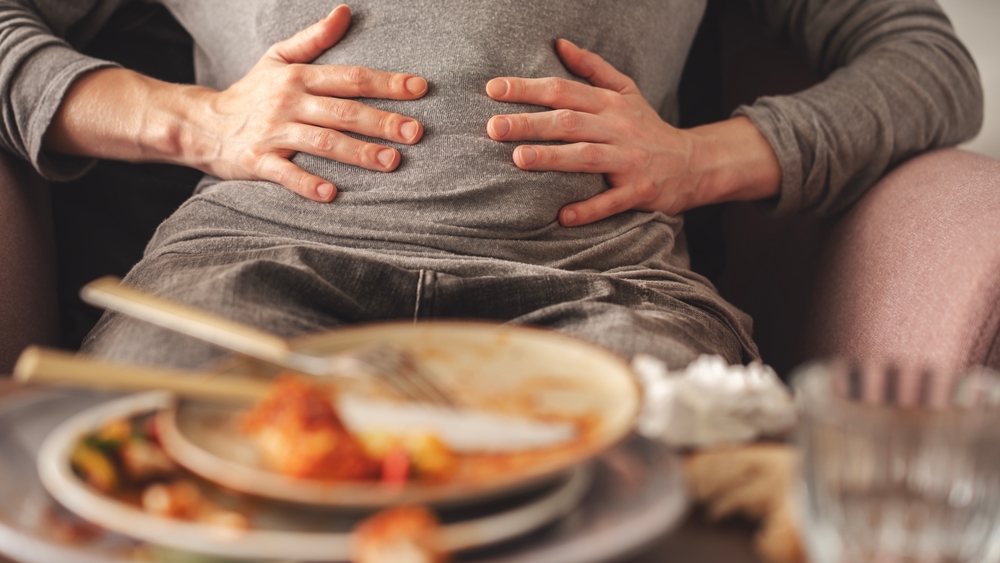
In most cases, the body breaks down small amounts of mold without any issues. Healthy individuals typically do not get sick.
Risk for people with weakened immune systems
People with compromised immune systems have a higher risk of infections from mold and should avoid it completely.
Toxic substances from mold
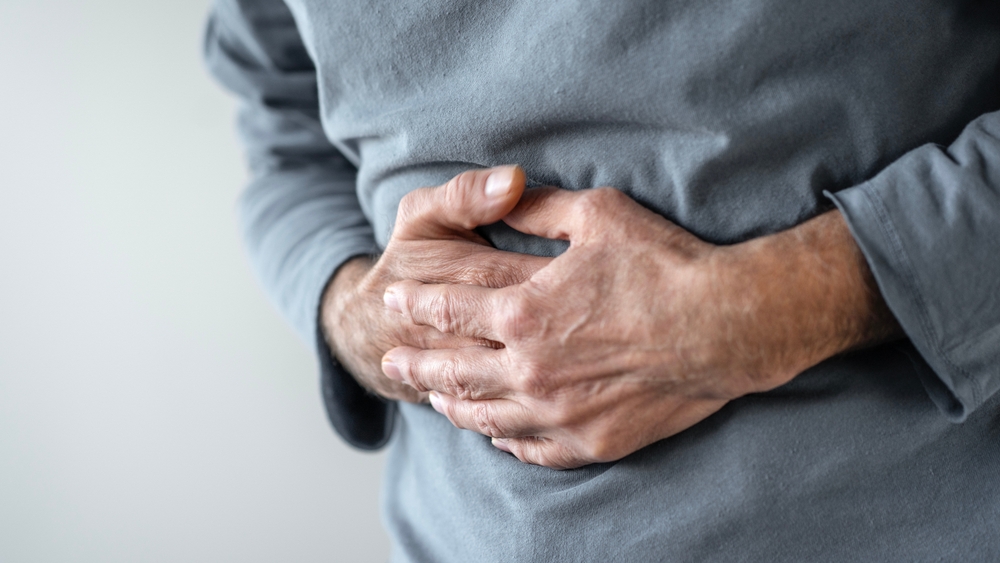
Some types of mold produce mycotoxins, which can be harmful and, in certain cases, carcinogenic.
How much mold is dangerous?
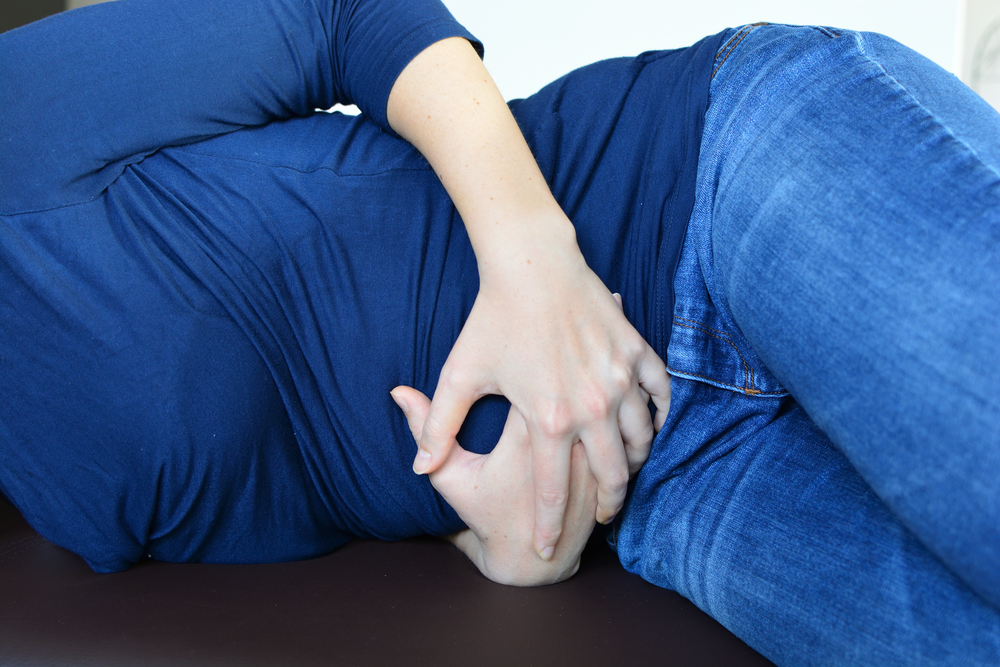
Small amounts rarely cause symptoms, but consuming larger quantities may lead to nausea or stomach discomfort.
Also read: Early signs of kidney disease you should be aware of
Allergic reactions
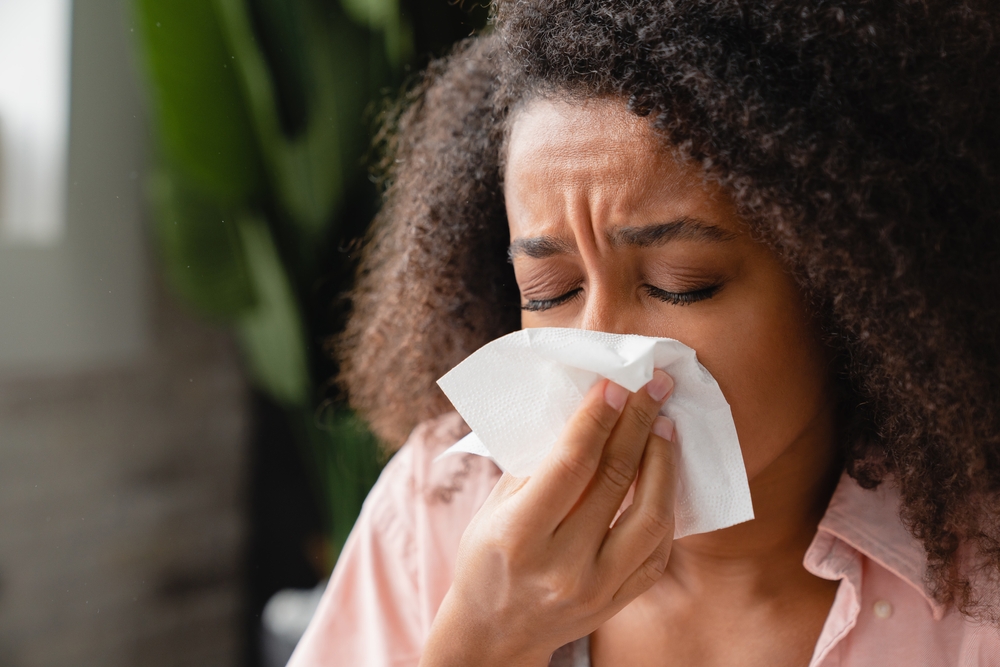
Some individuals may have allergic reactions to mold, even in small amounts. Symptoms can include sneezing, a runny nose, or throat irritation.
Can you cut mold off?

Mold can penetrate deep into food, so removing the visible part is not enough. The entire item should be discarded.
Also read: Common drugs show new promise against fatty liver
This article is made and published by Mie Hermansen, who may have used AI in the preparation.