
Many people focus on medication and exercise when trying to manage blood pressure. However, experts say that reducing sodium intake may also produce noticeable results, sometimes within just one week, reports EatingWell.
Most sodium does not come from the salt shaker

A large share of the sodium people consume comes from packaged and processed foods rather than the salt added at the table.
Everyday foods can contain hidden sodium
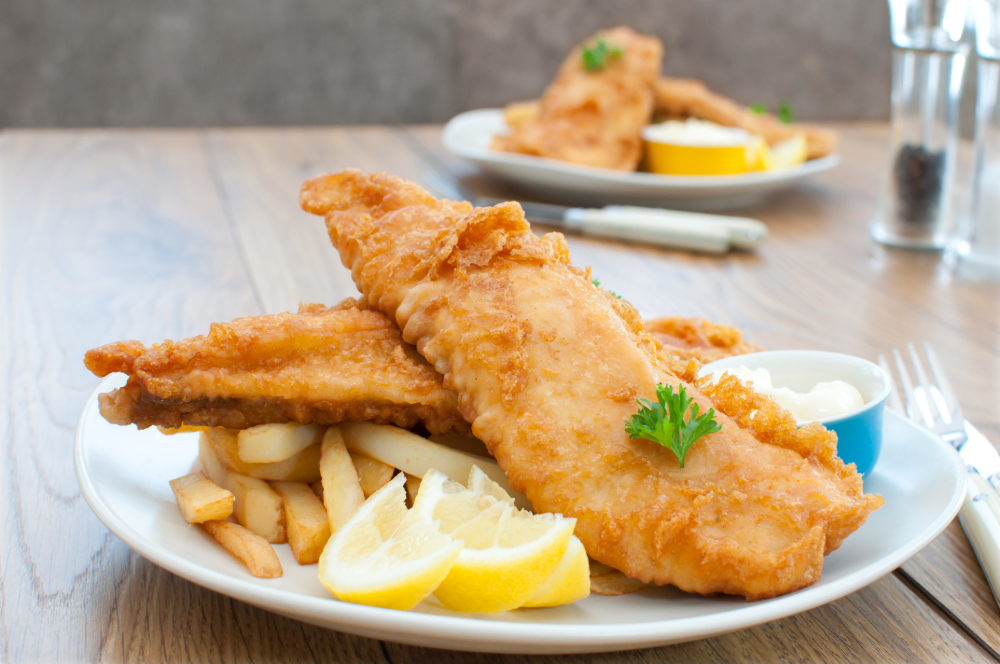
Foods such as bread may not taste particularly salty, but they can still contribute to sodium intake because of ingredients used to improve texture, shelf life and baking performance.
Restaurant meals can quickly add up

Meals prepared outside the home are often high in sodium, making dining out an important factor for people trying to reduce their intake.
Also read: Jeremy Clarkson diagnosed with cancer: Shares health struggle on TV
Nutrition labels can reveal the biggest sources
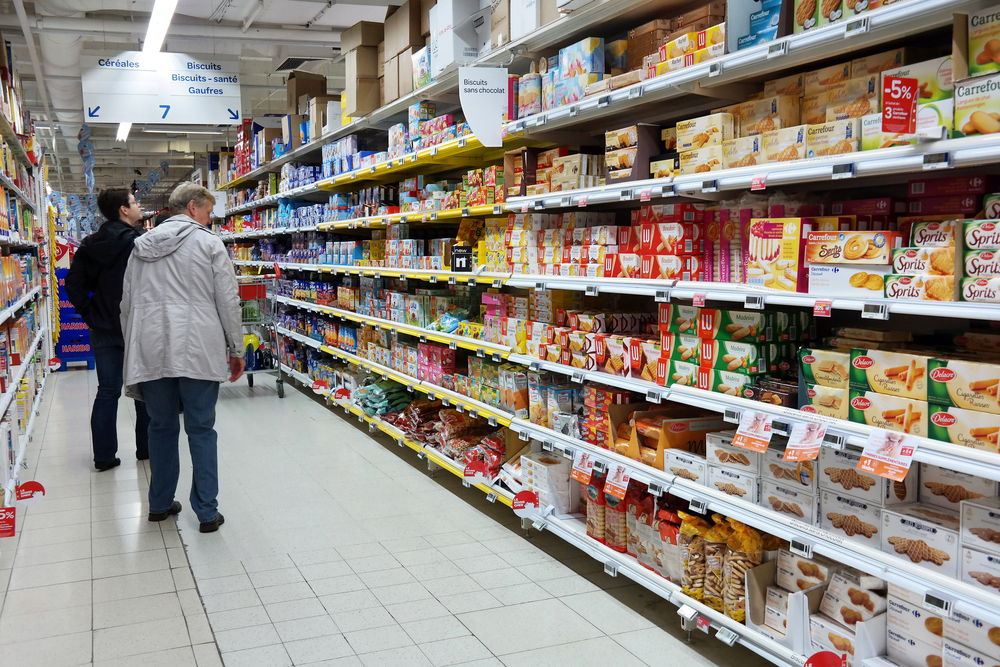
Reading food labels can help identify products that contain large amounts of sodium and make it easier to choose lower-sodium alternatives.
Lower-sodium choices can make a difference

Even small adjustments, such as replacing higher-sodium products with lower-sodium versions, may help reduce overall intake.
Salt reduction does not mean avoiding salt entirely

Experts emphasize that the goal is to limit added sodium, not to completely eliminate salt from the diet.
Many adults consume more sodium than recommended

Average daily sodium intake is around 3,300 milligrams, which exceeds the amount recommended for people with high blood pressure.
Also read: A simple thumb test could point to hidden health risks
Excess sodium can raise blood pressure

Sodium attracts water, which can increase blood volume and place additional pressure on artery walls.
The body responds when sodium intake drops

Reducing sodium can help the body release excess fluid, which may contribute to lower blood pressure levels.
Some people see results within days

Experts say blood pressure improvements may occur within a week, especially among those who previously consumed large amounts of sodium.
Research has shown measurable reductions
In one study, participants following a low-sodium diet for a week experienced an eight-point reduction in systolic blood pressure compared with those consuming a high-sodium diet.
Also read: Should you switch from the Wegovy injection to the pill? Here are the most important considerations
The DASH diet may offer additional support
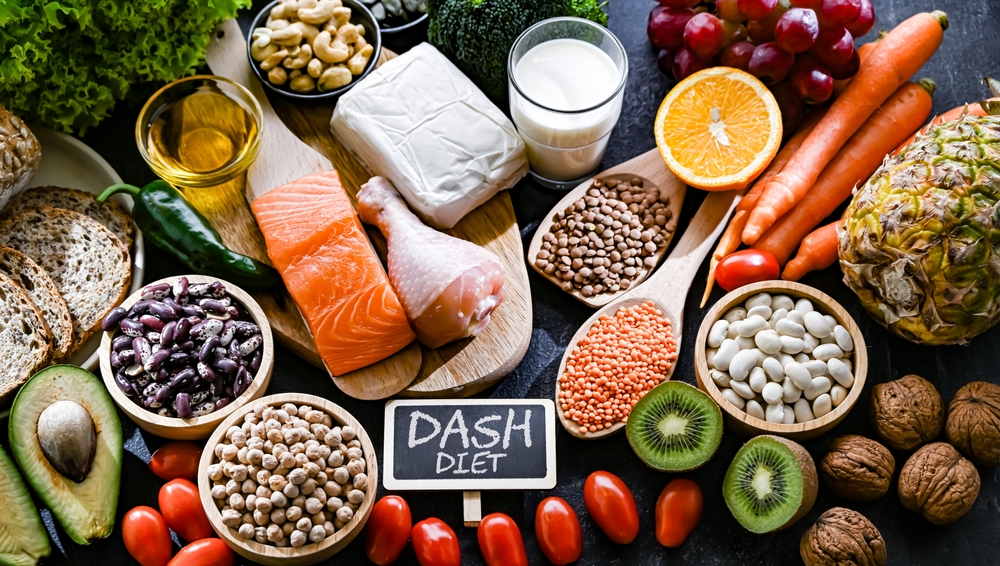
Research also highlights the DASH eating plan, which emphasizes nutrients such as calcium, magnesium and potassium that help support healthy blood pressure regulation.
Also read: 230,000 patients tested: New app can detect skin cancer from a single photo
This article is made and published by Mie Hermansen, who may have used AI in the preparation.