
Millions of spectators are expected to attend the 2026 FIFA World Cup in North America.
Health authorities and experts are closely monitoring the tournament to reduce the risk of disease outbreaks and other health issues among fans, according to Healthline.
The World Cup brings together millions of spectators

The FIFA World Cup began on June 11 and is expected to attract millions of fans to the United States, Canada, and Mexico.
The tournament is being held across 16 host cities and will run until July 19.
Also read: Older adults with low vitamin C levels showed more signs of cognitive decline
Health authorities are preparing thoroughly

Well-established plans are already in place to protect public health during major events.
However, experts believe that the unique circumstances surrounding this year’s World Cup could present challenges.
Respiratory illnesses can spread in large crowds

As with other major events, there is a risk that common respiratory illnesses may spread among the large number of spectators.
Mosquitoes may be a nuisance for spectators
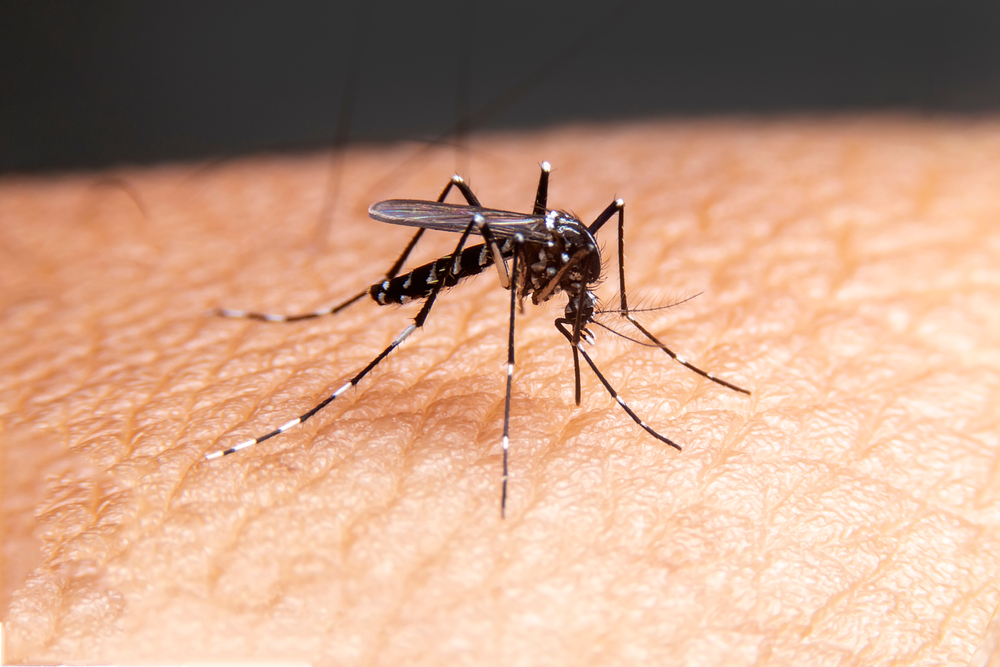
Fans may also be exposed to mosquito bites during matches.
Also read: Millions use blood pressure medication – new study points to possible risk of kidney damage
Although mosquitoes are often merely an annoyance, some species can transmit infectious diseases.
Heat-related illnesses

According to experts, heat-related illnesses have previously been among the most significant health concerns at outdoor summer tournaments.
Other health concerns

Experts point out that falls, diabetes-related complications, seizures, and chest pain have also been among the notable health incidents reported during previous tournaments.
The risk of Ebola
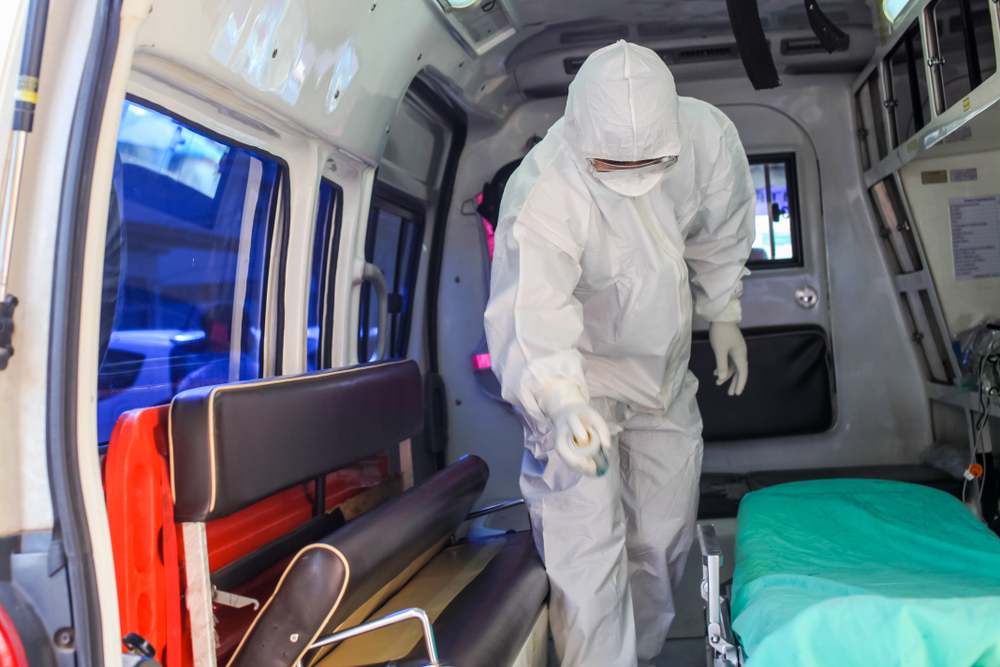
Although there is concern about current Ebola outbreaks in Africa, experts believe that the likelihood of transmission during the World Cup is extremely limited.
Also read: Hospice nurses say the same thing happens before many deaths
Ebola does not spread easily
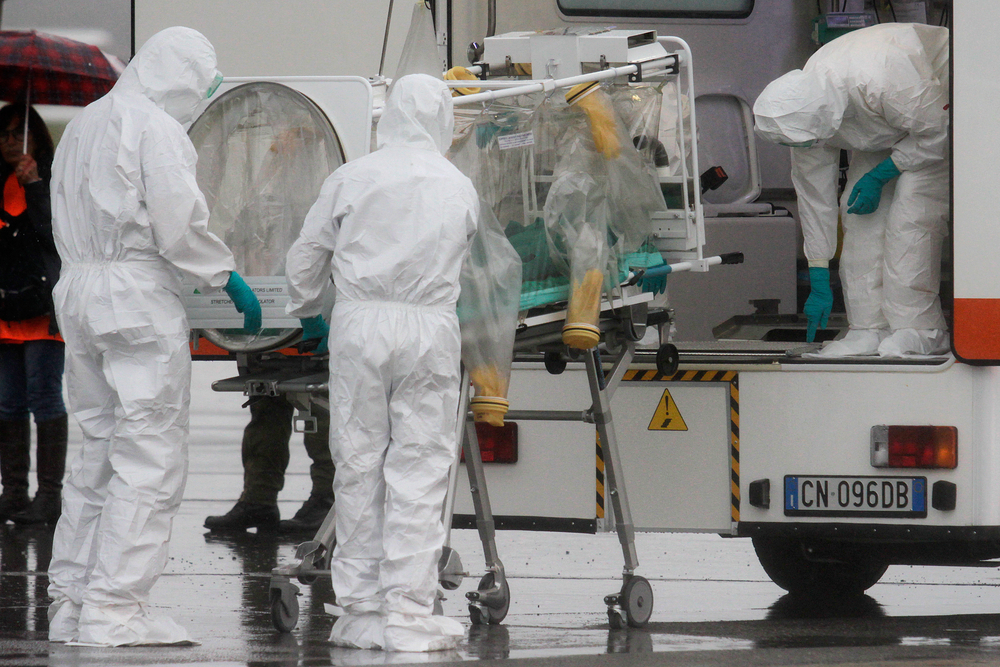
Experts emphasize that Ebola is not transmitted as easily as diseases such as influenza and COVID-19.
Measles
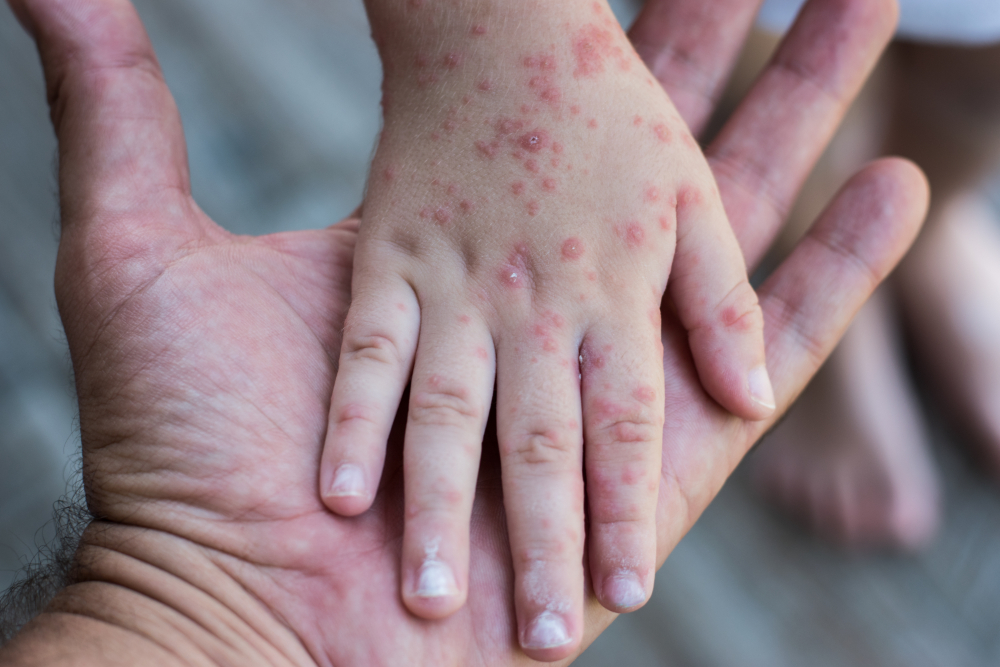
The United States, Canada, and Mexico have experienced an increase in measles cases, but experts still consider the risk of infection among World Cup spectators to be low.
Unvaccinated individuals may be more vulnerable
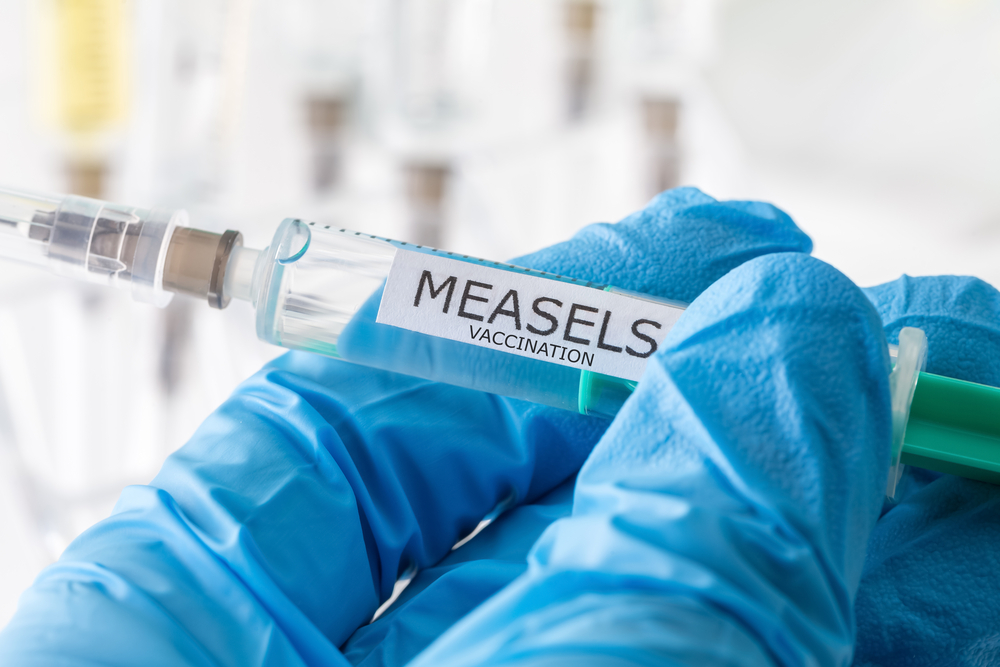
Experts note that any measles cases would be most likely to affect people who have not been vaccinated.
Wastewater testing is used for surveillance

Health authorities in several parts of the United States are using wastewater analysis to quickly detect potential disease outbreaks during the tournament.
Also read: Early warning signs in your stomach that could indicate cancer
Social media plays a role in monitoring
Authorities are also monitoring internet activity and social media platforms to identify signs of potential disease outbreaks.
Travelers are monitored upon entry
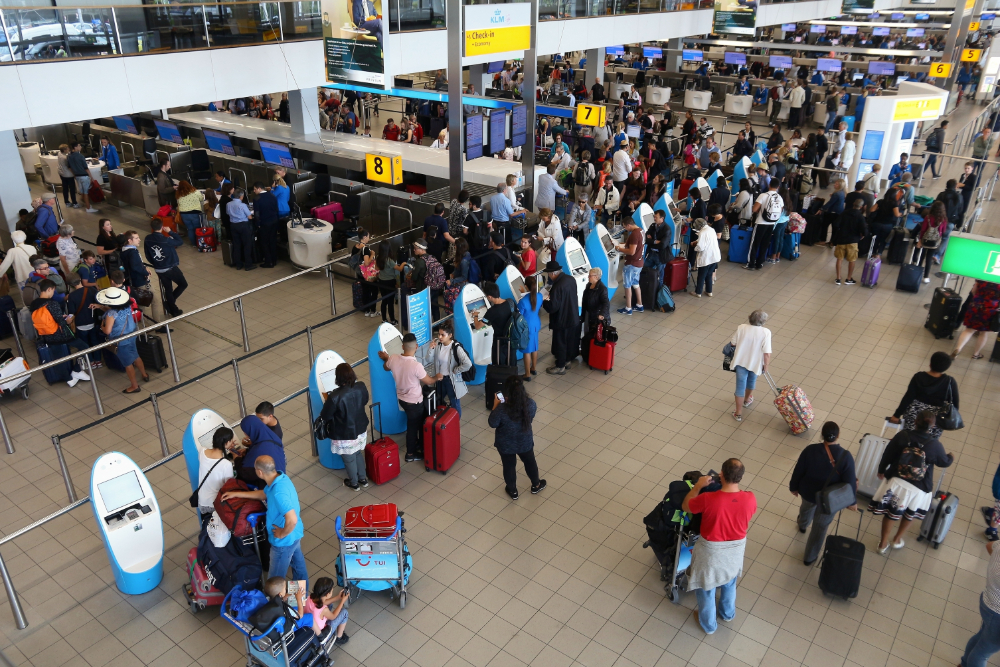
The Centers for Disease Control and Prevention (CDC) operates around-the-clock procedures at U.S. points of entry to identify and manage travelers arriving from abroad who may be ill.
Vaccinations should be up to date

Experts recommend that fans ensure their vaccinations are up to date before traveling to attend matches.
Good hygiene can reduce the risk

Frequent handwashing, bringing necessary medications, and being cautious with food and beverages are among the measures that can help protect health.
Also read: Scientists find hidden depression warning sign in children’s eyes
Watch for symptoms after attending matches

Fever, coughing, diarrhea, or changes in mood can be signs of illness. Anyone experiencing symptoms is advised to contact a healthcare professional.
High-risk groups should consider wearing a mask

People over the age of 65, pregnant individuals, those with chronic illnesses, and people with weakened immune systems are advised to consider wearing a well-fitting mask in large crowds.
This article is made and published by Ida-Marie Palm Varbæk, who may have used AI in the preparation.