
Too little sleep can affect more than your energy levels. Both sleep duration and sleep quality may influence blood pressure and, in turn, the risk of cardiovascular problems, reports Prevention.
Blood pressure normally drops at night

For most people, blood pressure is lowest during the night and in the early morning. It then rises again during the day and typically peaks around midday or in the afternoon.
Sleep gives your blood vessels a chance to rest

While you sleep, your blood vessels have time to recover. Too little sleep can disrupt this natural restorative process.
One bad night can raise blood pressure

Even a single night of insufficient sleep can cause a temporary rise in blood pressure. The greatest concern, however, is when sleep deprivation becomes a regular pattern.
Also read: Eating more protein at breakfast may quiet the hormone that drives hunger
Fewer than six hours may be problematic
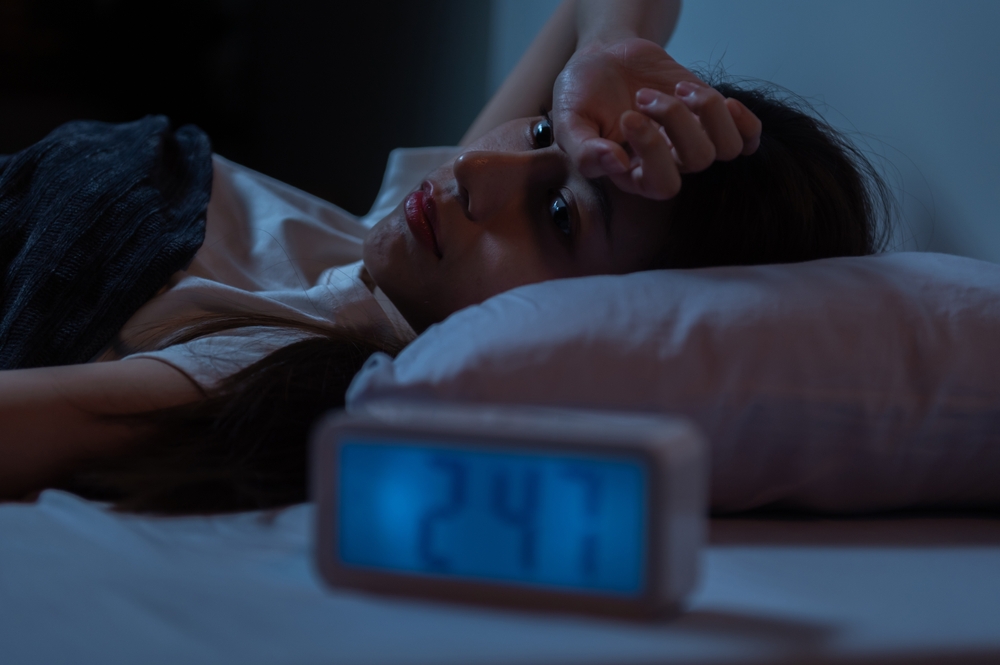
Studies have found an association between getting less than six hours of uninterrupted sleep and having high blood pressure.
Research points in the same direction

A review of 14 studies found that people who were sleep deprived experienced an increase in blood pressure afterward.
Less than seven hours increases the likelihood

A study published in the journal Hypertension found that people who slept for fewer than seven hours were 20 to 30 percent more likely to have high blood pressure.
Sleep quality also matters

The number of hours is not the only factor. Interrupted or restless sleep may also affect blood pressure.
Also read: England is close to wiping out hepatitis C, and the cure is already in US pharmacies
Sleep apnea may play a role
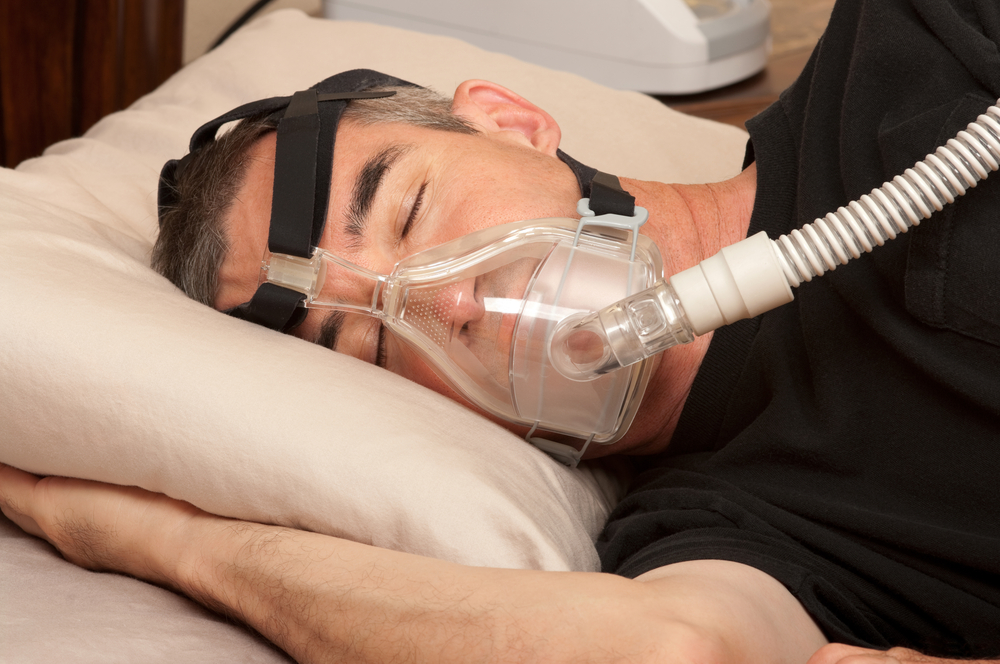
According to the experts, sleep disorders such as sleep apnea may also contribute to high blood pressure.
Tiredness can affect the body indirectly

When people are tired, they may be more likely to eat more and develop poorer insulin sensitivity. Both are risk factors for high blood pressure.
Long-term high blood pressure can have serious consequences
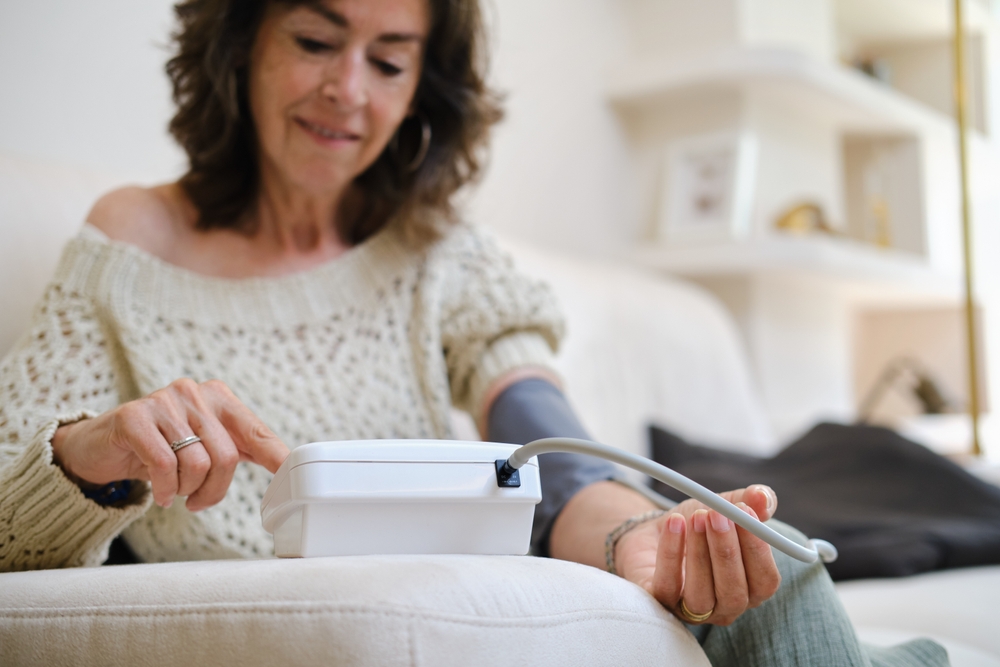
Persistently high blood pressure increases the risk of heart attack and stroke. It can also damage the brain, kidneys and eyes.
Better sleep requires a consistent routine
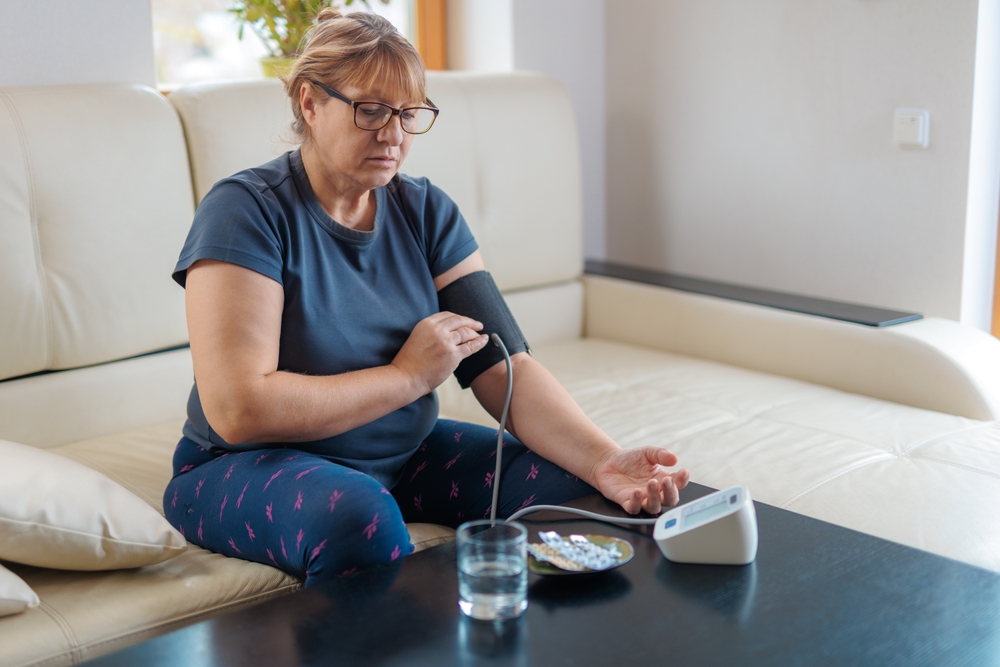
Some of the negative effects may gradually improve when people regularly get at least seven hours of sleep. One good night of sleep, however, is not enough.
Also read: The number on your wrist that predicts your stress and recovery better than heart rate
Other habits can support healthy blood pressure

The American Heart Association also recommends a balanced diet, limiting alcohol, regular exercise, stress management, maintaining a healthy weight, quitting smoking, taking medication correctly and working with a healthcare professional.
Also read: Scientists link early sugar intake to higher dementia risk
This article is made and published by Mie Hermansen, who may have used AI in the preparation.