
A new review of 25 years of scientific research suggests that native Brazilian plants may hold untapped potential in the fight against stomach cancer.
Several tropical species contain natural compounds that show promise in preventing cancer cell growth. Here are the highlights from the findings.
Tropical Plants With Hidden Potential

At least ten native Brazilian plant species were found to contain bioactive compounds with cancer-fighting properties.
More Than Just Superfoods
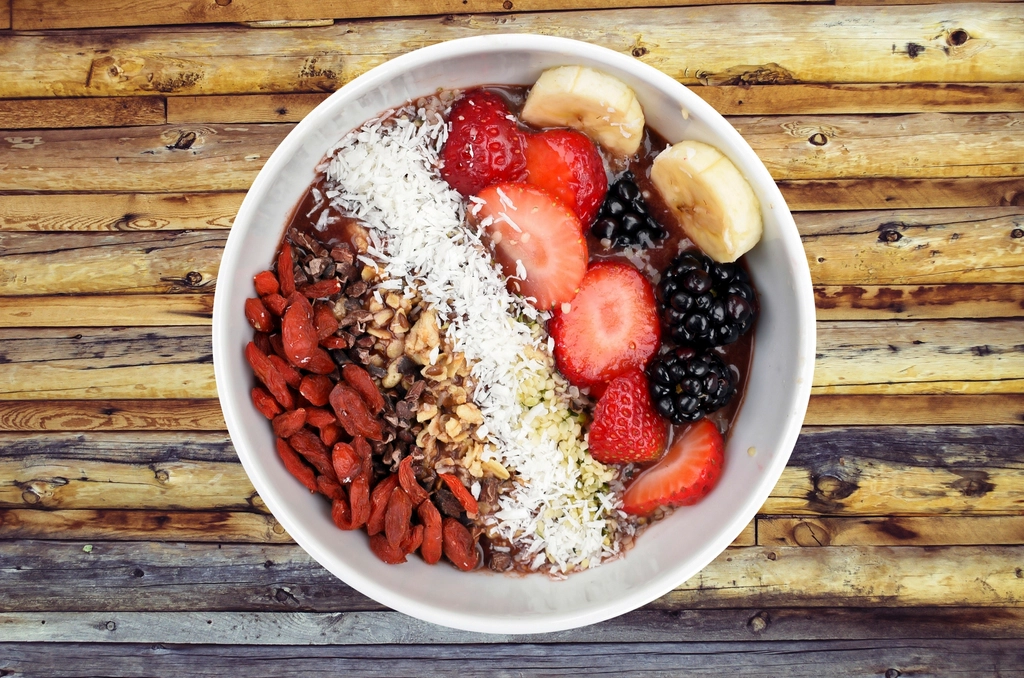
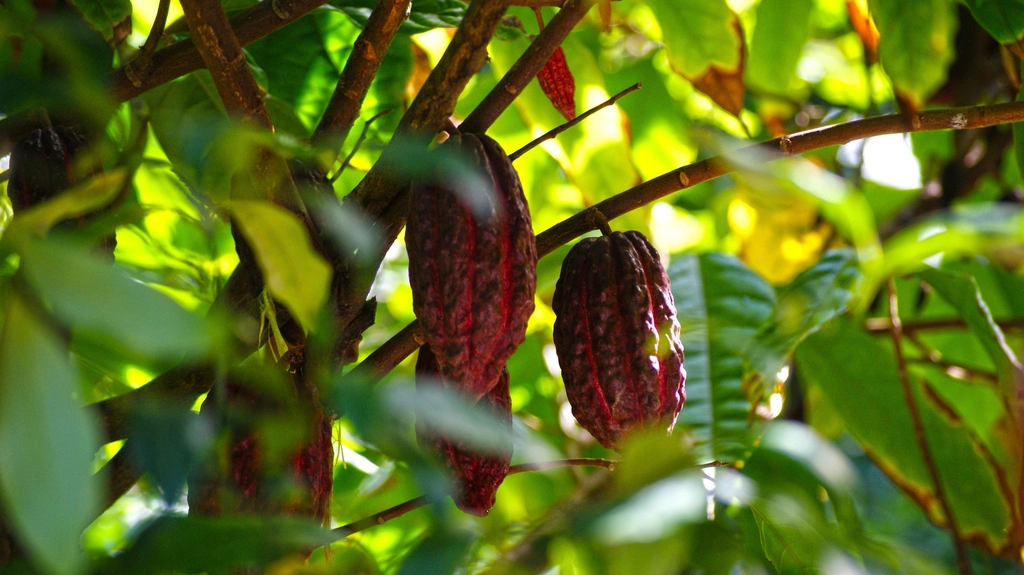
Fruits like açaí and cacao, already known for their antioxidant content, may also help inhibit tumor growth.
Also read: He Lives on Coffee, Cookies and Dessert — and He’s 96 and Healthy
Guava and Pitanga Lead the Way
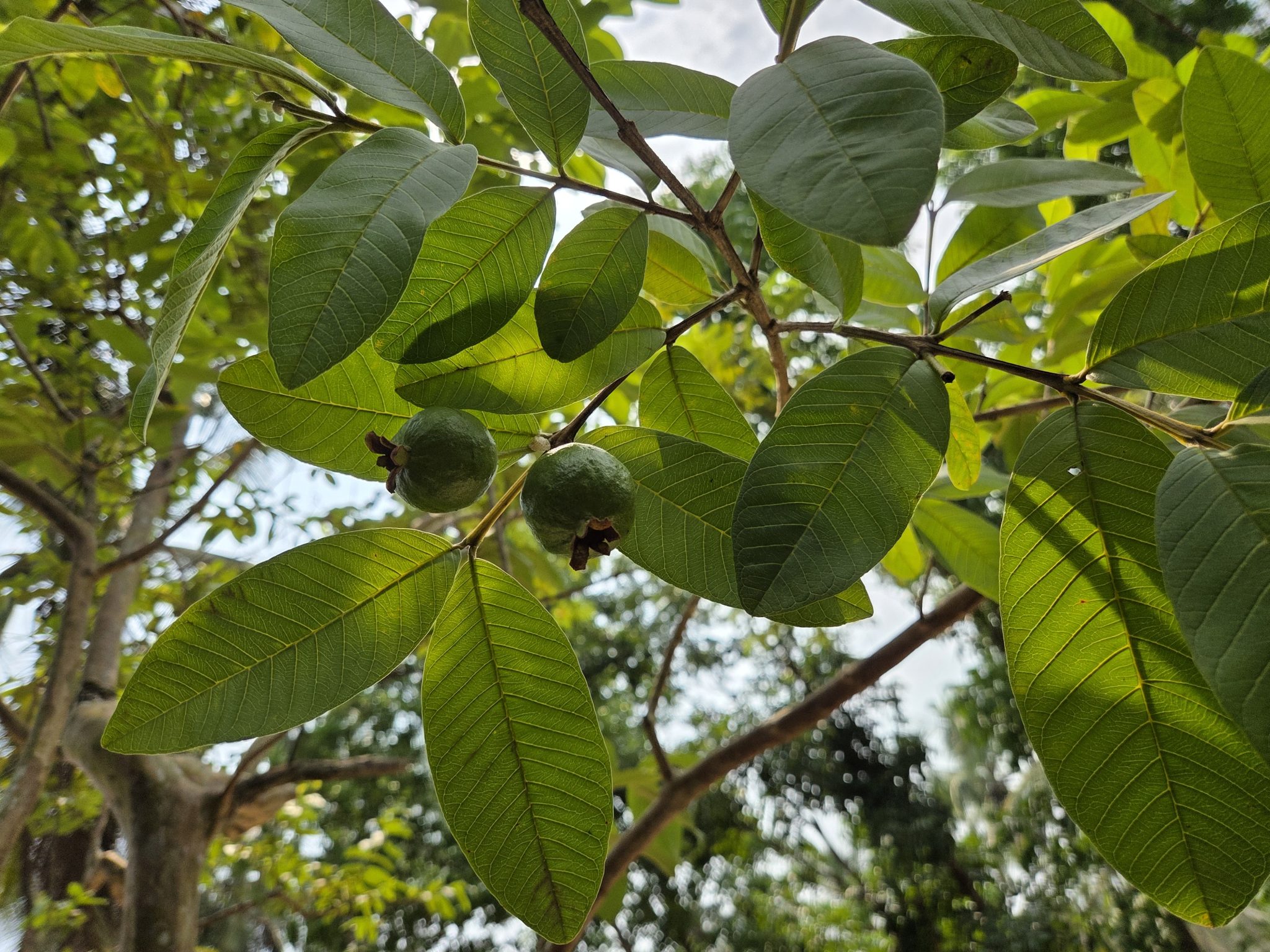
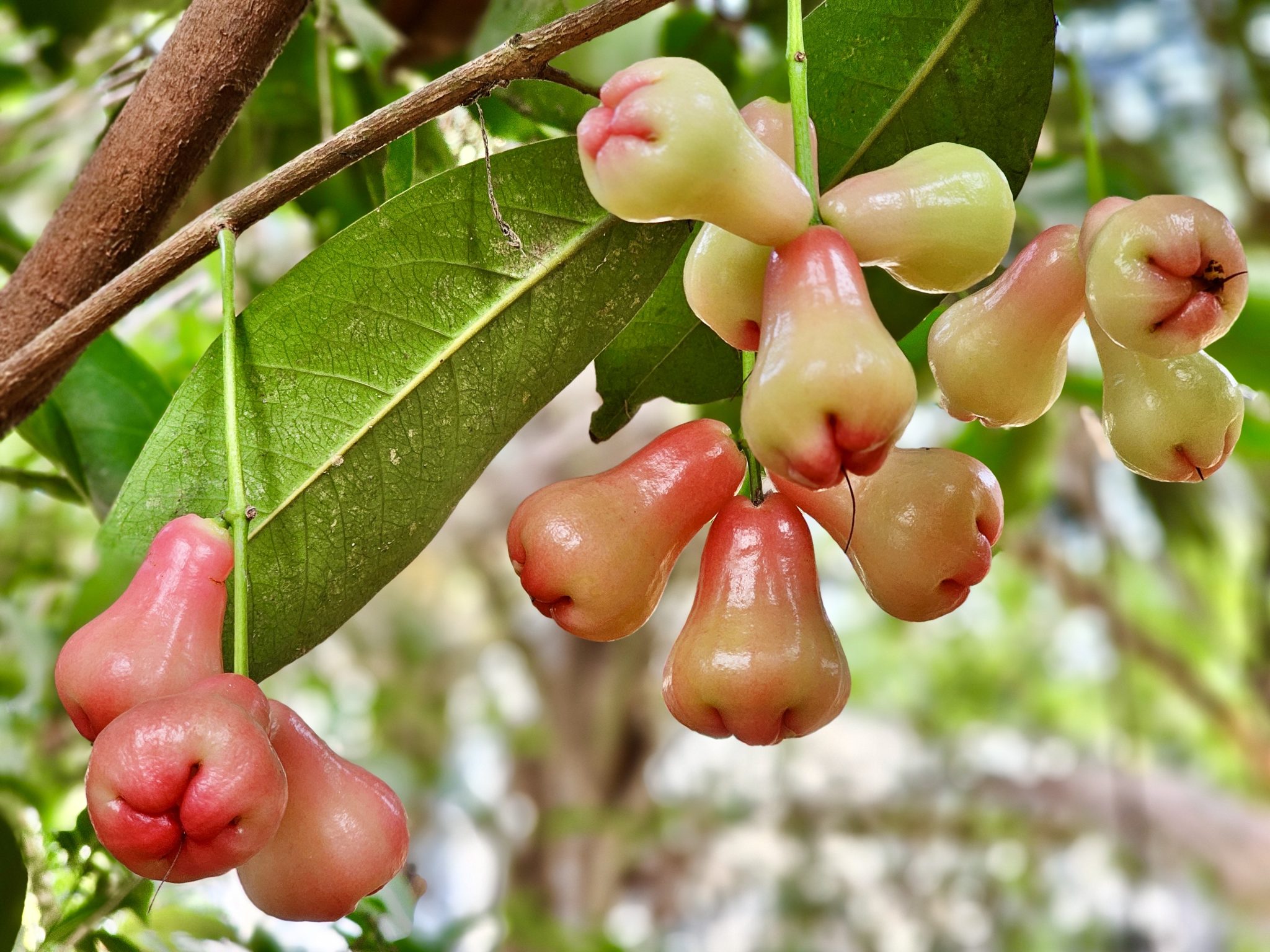
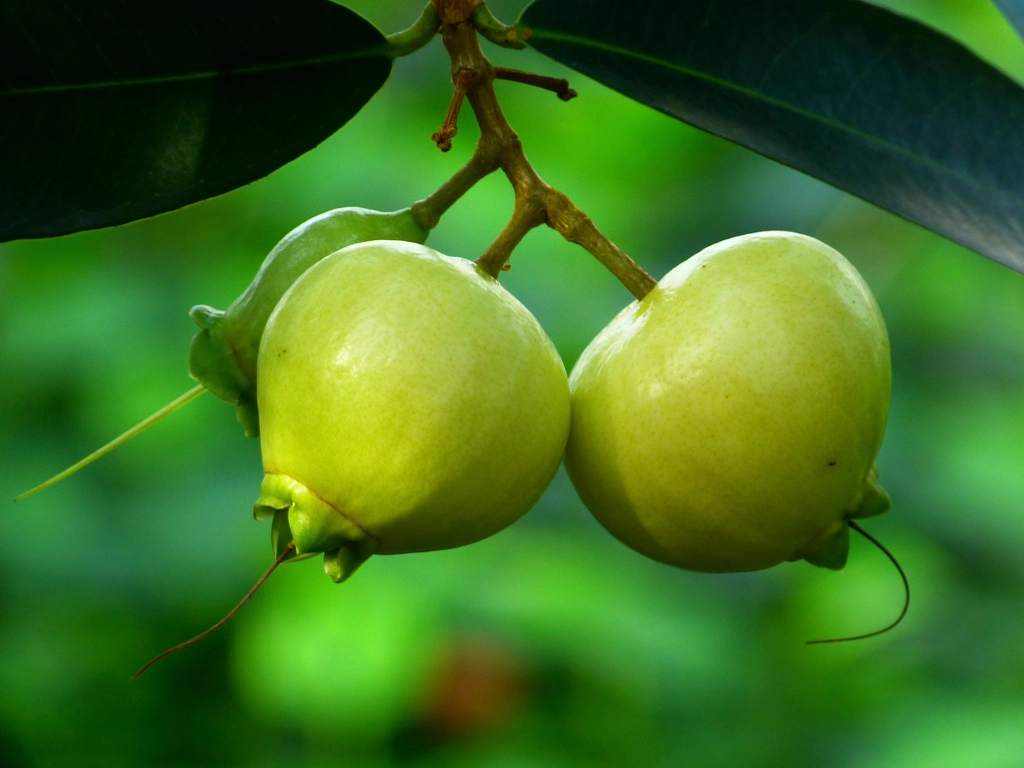
These colorful fruits are packed with polyphenols and flavonoids that could help reduce inflammation and protect cells.
Jambu’s Surprising Strength
Known for its numbing effect when eaten, jambu may also trigger biological processes that suppress cancer cell development.
Powerful Natural Compounds
The reviewed plants contain compounds that may slow cell division, induce cell death, and interfere with cancer progression.
Targeting Inflammation

Several extracts from these plants showed anti-inflammatory effects — a key factor in cancer development and prevention.
Also read: This Happens to Your Liver When You Drink Coffee Every Day
Supporting the Body’s Defense
The antioxidant content of these plants could protect cells from damage caused by free radicals.
Brazil’s Biodiversity Is Still Untapped
Despite its immense variety of plant life, much of Brazil’s native flora remains underexplored in cancer research.
Still Early in the Research

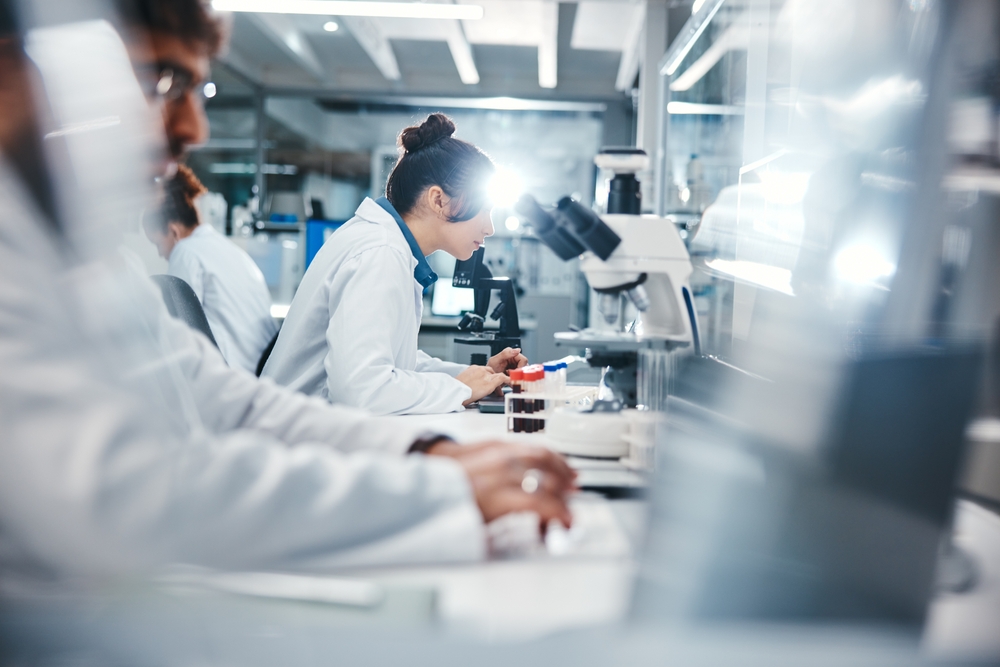
Most studies were conducted on cell models in labs. Very few used animal models, and none have progressed to human clinical trials.
The Need for More Investigation

Researchers stress the importance of future studies to confirm these plants’ effects in the human body and assess their safety.
Also read: The Most Overlooked Trick for Women's Pain Relief? It’s on Your Leg
Article Based on Information From News Medical
Also read: Drink Your Way to a Healthy Liver Using Only Ingredients from Home
This article is made and published by Mie Hermansen, who may have used AI in the preparation.