
Skin cancer often develops silently, without pain or discomfort – which is why spotting the warning signs early is crucial. A leading UK oncologist reveals what to look for when checking your moles.
Asymmetrical shape

If one half of your mole doesn't match the other, it could be a red flag. Healthy moles are usually symmetrical, so any noticeable distortion in shape warrants attention.
Irregular or blurred borders

Benign moles typically have smooth, even borders. In contrast, melanoma moles may have uneven, jagged, or blurred edges that fade into the surrounding skin.
Changing colour
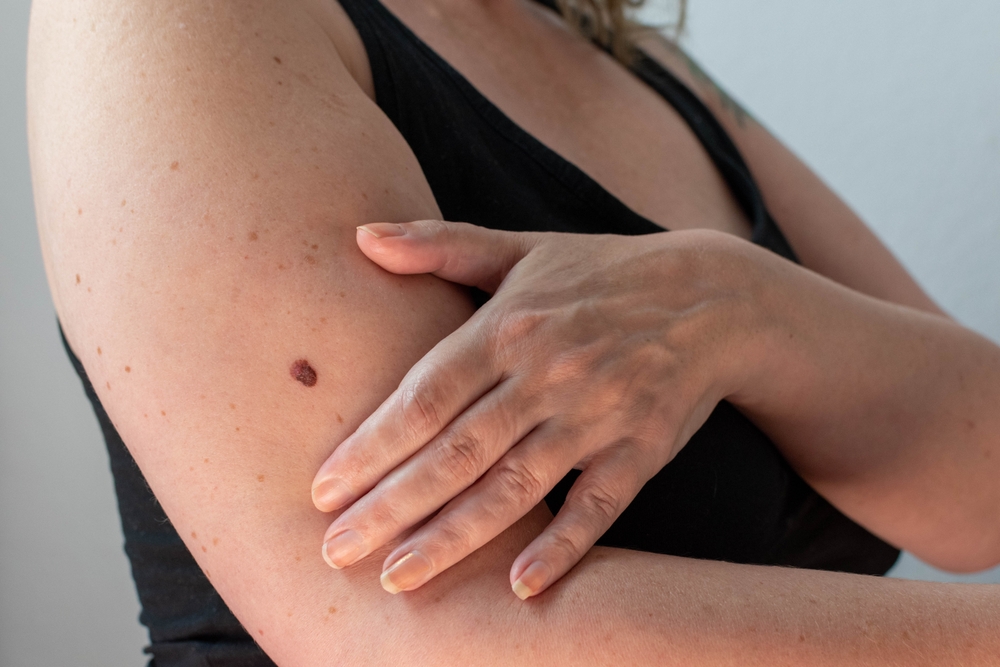
A mole with multiple shades or a noticeable change in colour – even becoming lighter – could be problematic. It’s a myth that only darkening moles are dangerous; any colour shift can be a warning.
Increasing size

A mole that starts growing in diameter over time may signal something serious. Even if it's still small, growth should not be ignored – especially if it expands beyond 6mm.
Itching or tenderness
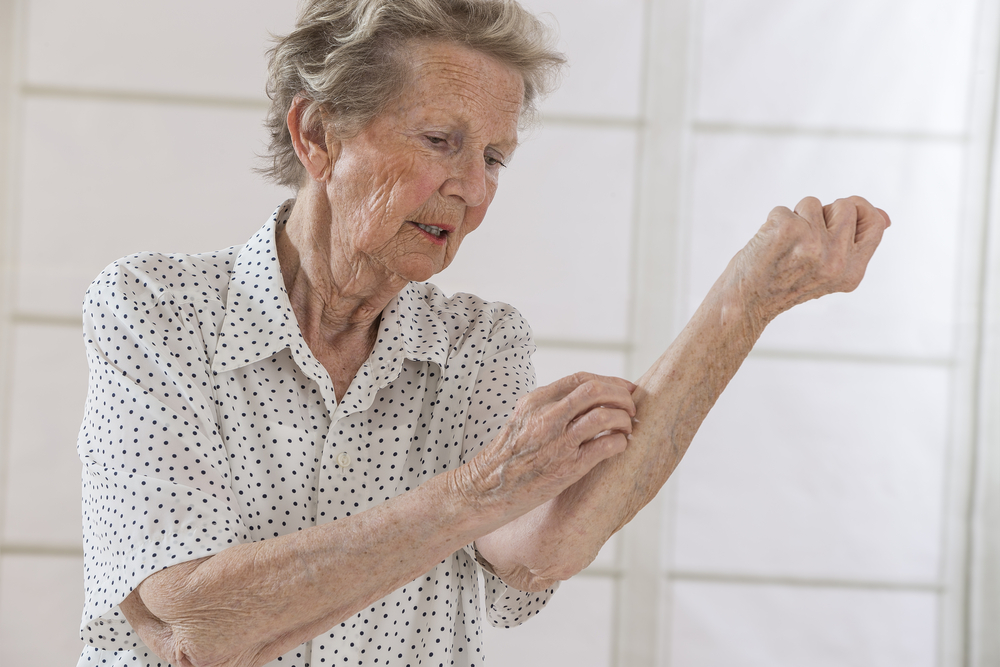
Moles are usually painless. If one suddenly becomes itchy, sensitive, or sore to the touch, it could be your body alerting you to underlying changes in the skin.
Bleeding or oozing
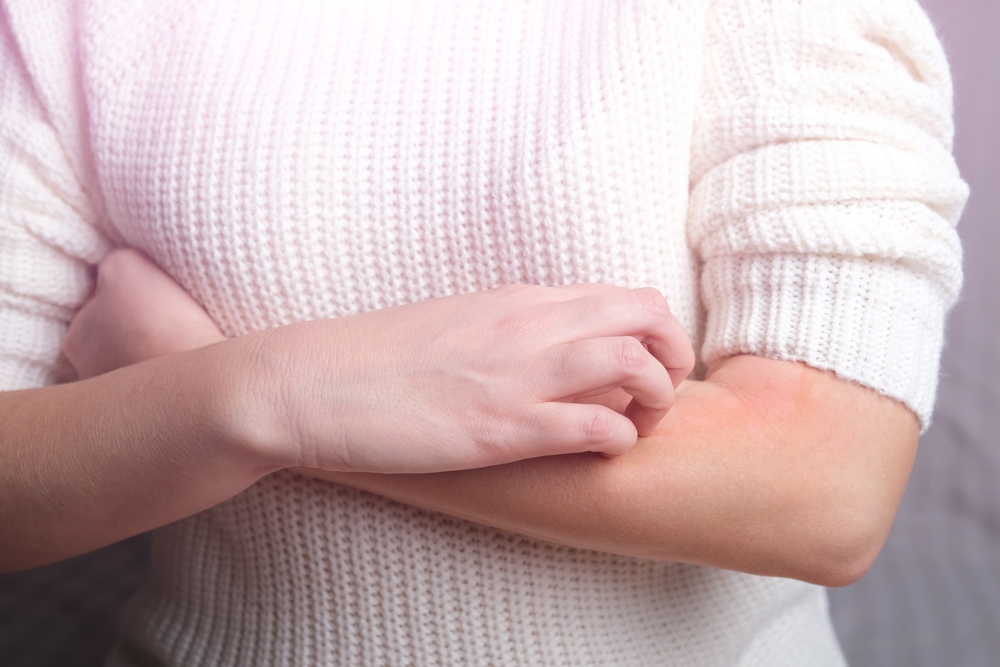
A mole that starts to bleed, crust over, or ooze fluid is a major red flag. These symptoms are not normal and should prompt immediate medical evaluation.
Uneven texture
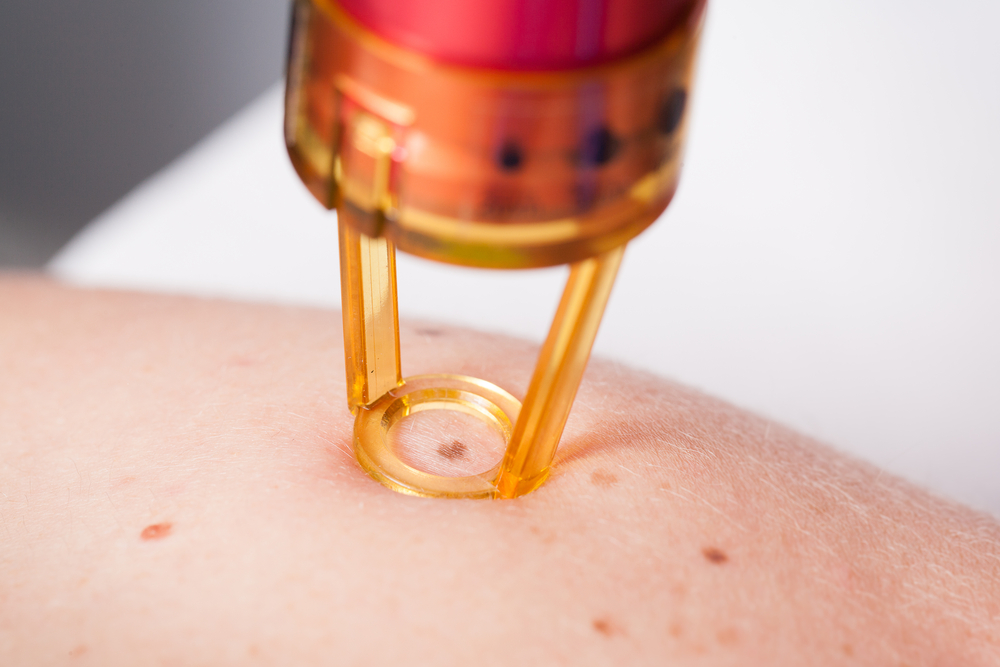
If the surface of your mole becomes scaly, crusty, or bumpy, that shift in texture could indicate a malignant transformation. Smooth and consistent is the norm for harmless moles.
Also read: How to Sneak in More Protein Without Eating Chicken and Eggs
Rapid evolution

Any noticeable change in your mole over a short period – whether in size, shape, texture, or colour – should not be ignored. Sudden developments are among the strongest indicators of melanoma.
Lack of similarity to others

If a particular mole looks very different from all your other moles, it's worth investigating. Dermatologists often refer to this as the “ugly duckling” sign – one that stands out can be the one to worry about.
New mole in adulthood

While it’s common to develop moles during childhood and adolescence, new moles in adulthood can be a concern. If a mole appears out of nowhere after age 30, it’s a good idea to get it checked.
This article is based on information from Nyheder24
Also read: Backed By Science: These Foods Lower Your Blood Pressure Naturally
Also read: Clear Signs Your Body Is Low On Magnesium
This article is made and published by Mie Hermansen, who may have used AI in the preparation.