
Type 2 diabetes doesn’t happen overnight – and your daily food choices can be a major contributor. Some innocent-looking foods are packed with sugar, salt, or refined carbs that can throw your blood sugar off balance over time. Here are 10 everyday items to keep an eye on.
Sugary drinks and soda

It’s not just soda – fruit punches, iced teas, and energy drinks are loaded with sugar that spikes your blood sugar fast and offers zero nutritional value. Regular consumption is strongly linked to a higher risk of developing type 2 diabetes.
White bread and refined grains

Breads and baked goods made from refined flour have little fiber and digest quickly, causing rapid blood sugar spikes. They’re not filling, and over time they can interfere with insulin sensitivity.
Red and processed meats

Foods like bacon, sausage, and deli meats often contain nitrates and saturated fats, both of which may promote inflammation and impair how your body handles glucose – key risk factors for type 2 diabetes.
Also read: Feel a Cold Coming On? Here’s How You Might Stop It
Sweetened breakfast cereals
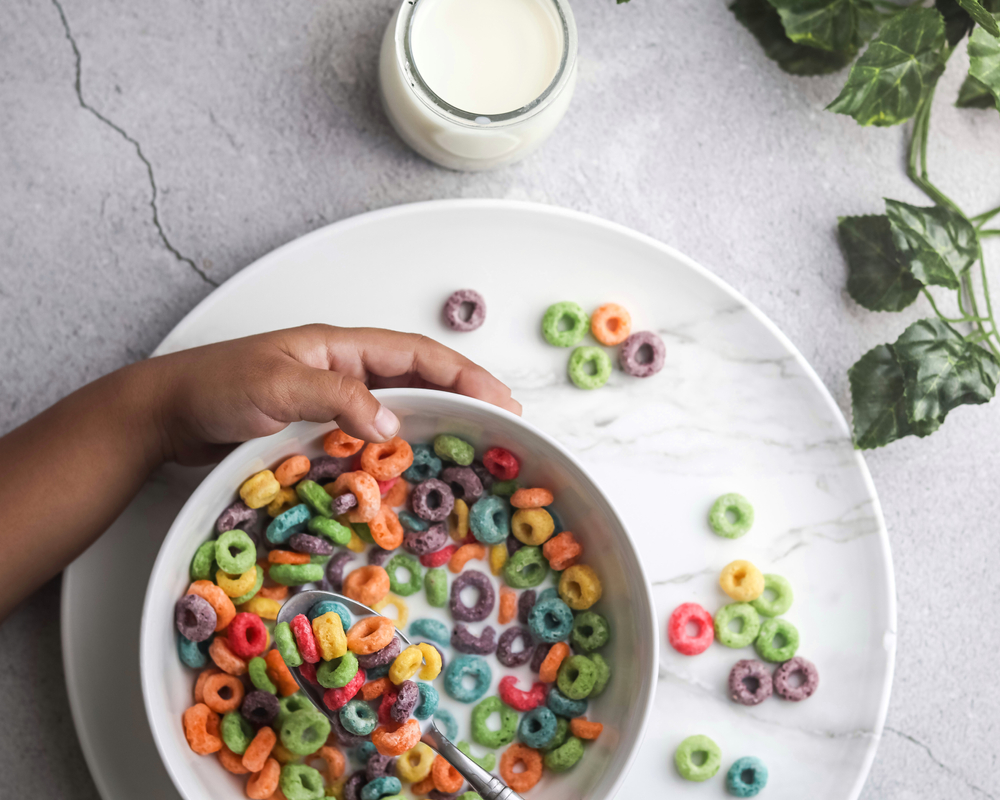
Many cereals marketed as healthy are actually full of sugar and refined carbs. With little fiber to slow digestion, these cereals can cause sharp spikes in blood sugar first thing in the morning.
Breaded and fried fish

Fish is healthy – until it’s breaded and deep-fried. Frying alters the fat composition, increases unhealthy compounds, and removes the benefits of heart-healthy omega-3s, potentially raising your diabetes risk.
Salty snacks
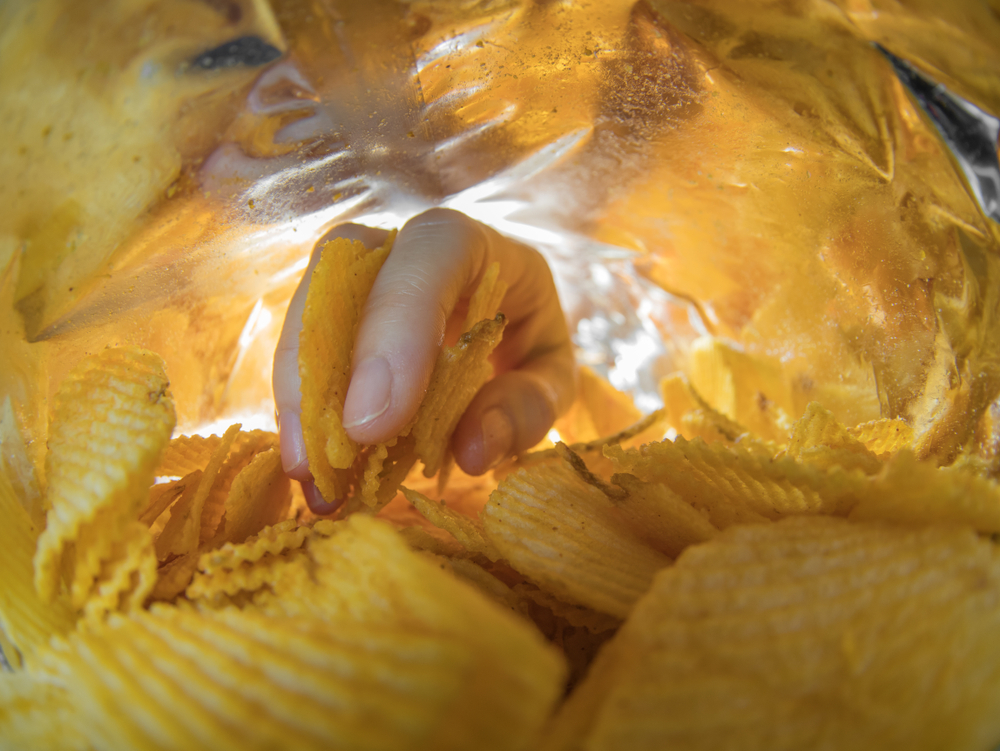
Foods like chips, pretzels, and salted popcorn might not raise your blood sugar, but their high sodium content can drive up your blood pressure. Since high blood pressure and diabetes often go hand in hand, they’re best eaten in moderation.
Processed fruit

When fruit is turned into jam, syrup, or sugary snacks, it loses its natural fiber and gains unnecessary added sugar. These products can cause blood sugar surges and contribute to long-term insulin resistance.
Also read: Breakthrough chemistry offers low-cost weapon against deadly liver cancer
Starchy vegetables
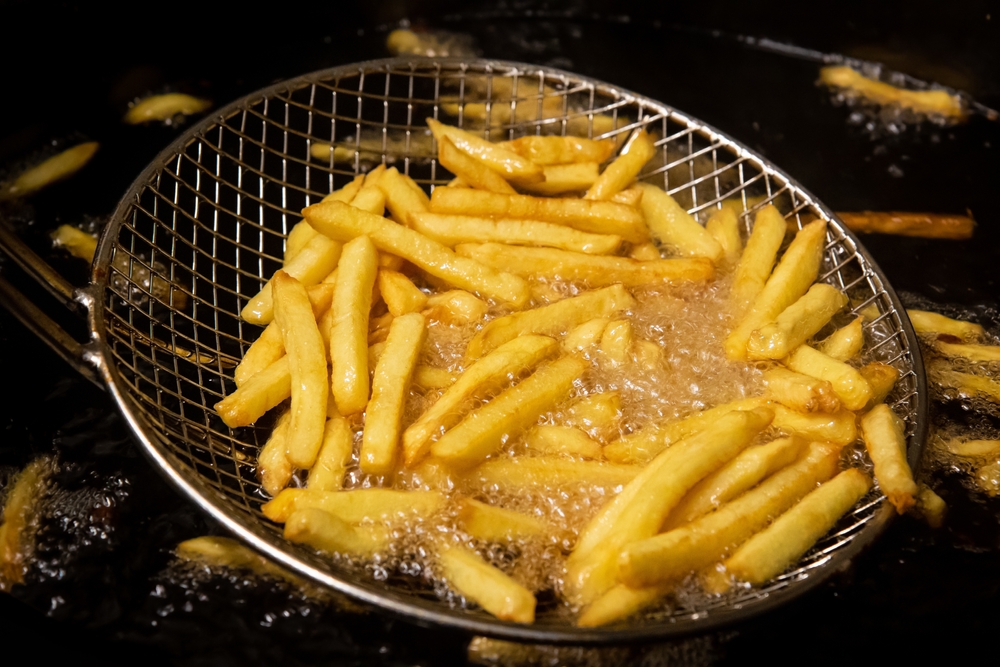
Potatoes, corn, and certain types of squash are naturally higher in carbohydrates than other vegetables. Eating them in large portions without balancing them with protein or fiber can disrupt your blood sugar.
White rice
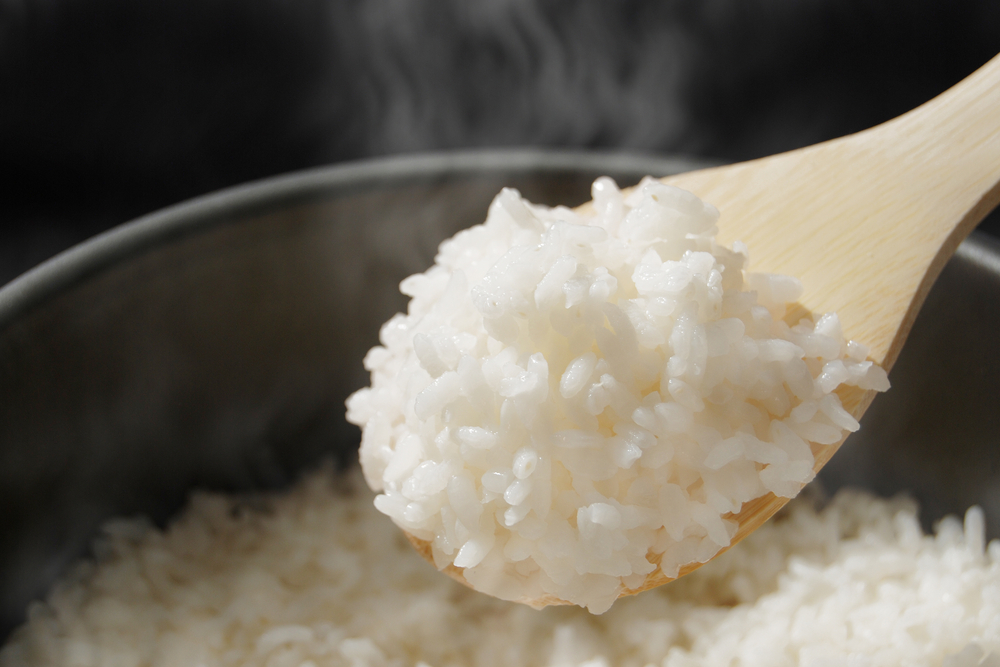
Highly processed white rice lacks fiber and nutrients, making it a fast-digesting carb. Frequent consumption can lead to increased blood sugar levels and has been linked to a higher diabetes risk in some populations.
Sauces and condiments

Dressings, ketchup, BBQ sauces, and other condiments may seem like small additions, but they often contain added sugars, sodium, and fats that add up quickly – especially when used regularly.
This article is based on information from Verywell Health
Also read: New Technology: Heart Health Requires Gender-Specific Solutions
Also read: The Psychologist’s Guide: Managing Chronic Pain Step by Step
This article is made and published by Mie Hermansen, who may have used AI in the preparation.