
Even if you brush your teeth twice a day, several everyday foods and drinks may still affect their appearance. Dental experts point to a number of common items that can increase the risk of tooth discoloration over time.
Teeth naturally become more yellow with age
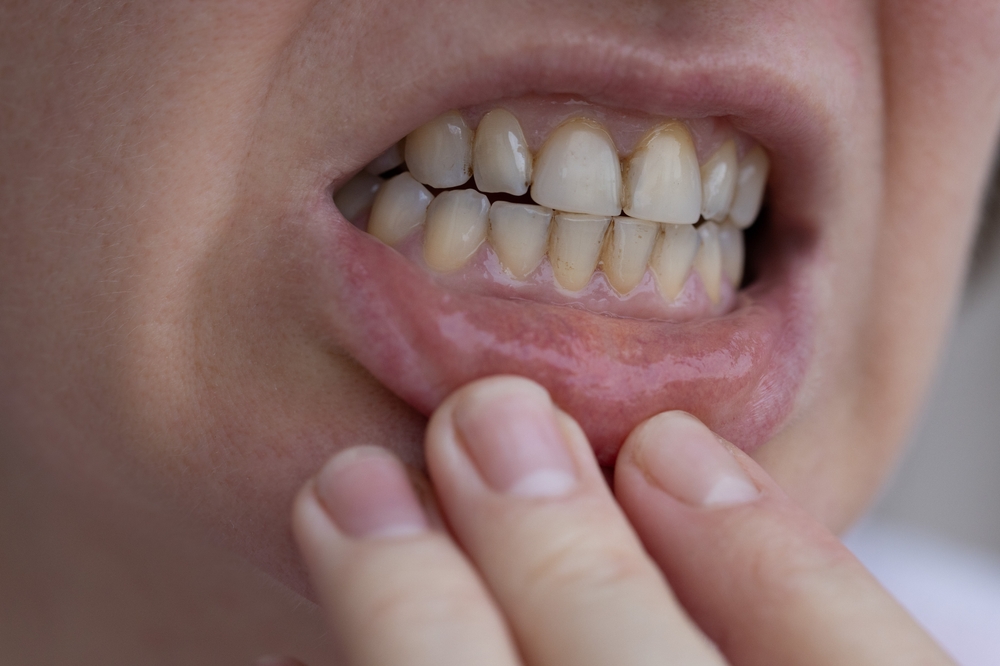
Teeth are not naturally bright white, and many people notice they gradually develop a more yellow appearance as they get older.
Permanent teeth are often darker
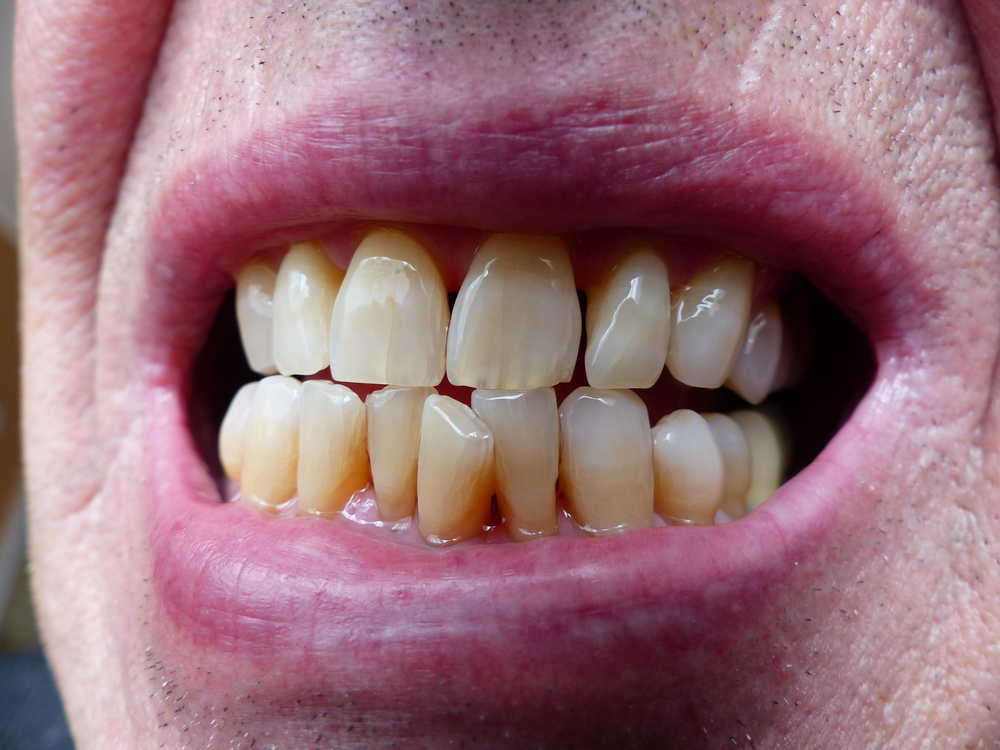
When children's baby teeth fall out, they are replaced by permanent teeth, which are naturally more yellow in color.
Enamel wears down over time
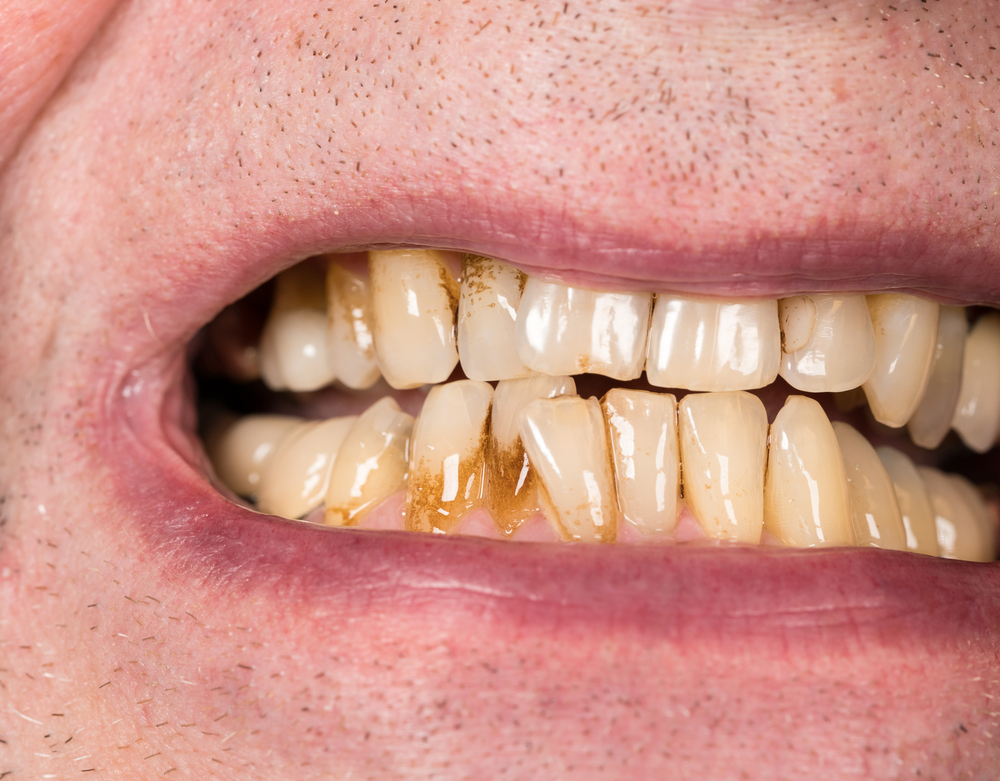
As enamel gradually wears away, the yellowish dentin layer beneath the tooth becomes more visible.
Also read: Do you eat at irregular times? Your gut may notice
Dark berries can leave stains
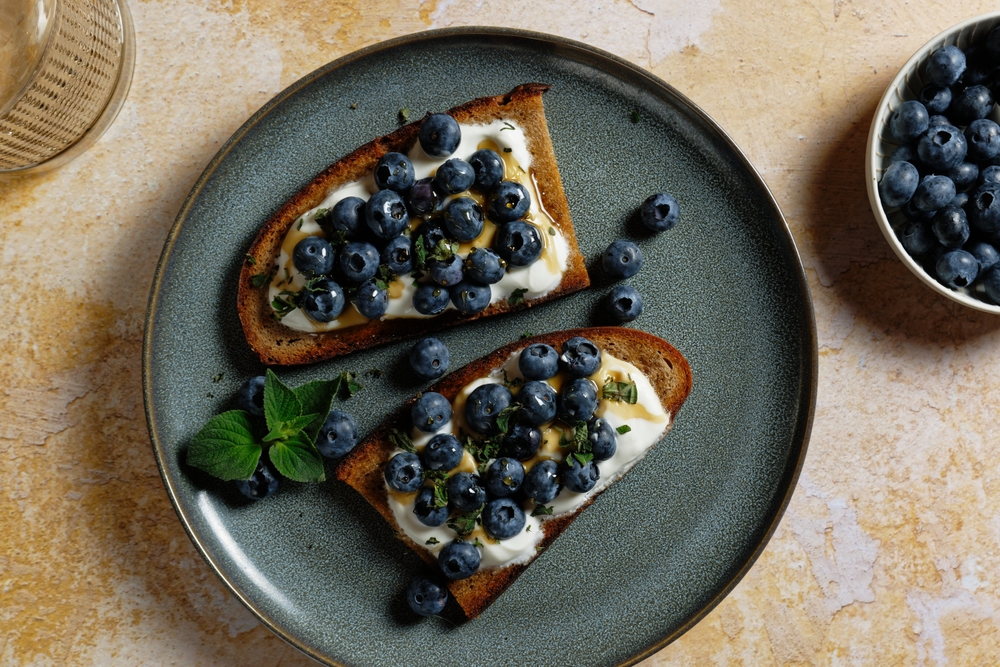
Blueberries, raspberries, and other dark berries contain natural pigments that can contribute to tooth discoloration.
Antioxidants give berries their deep color
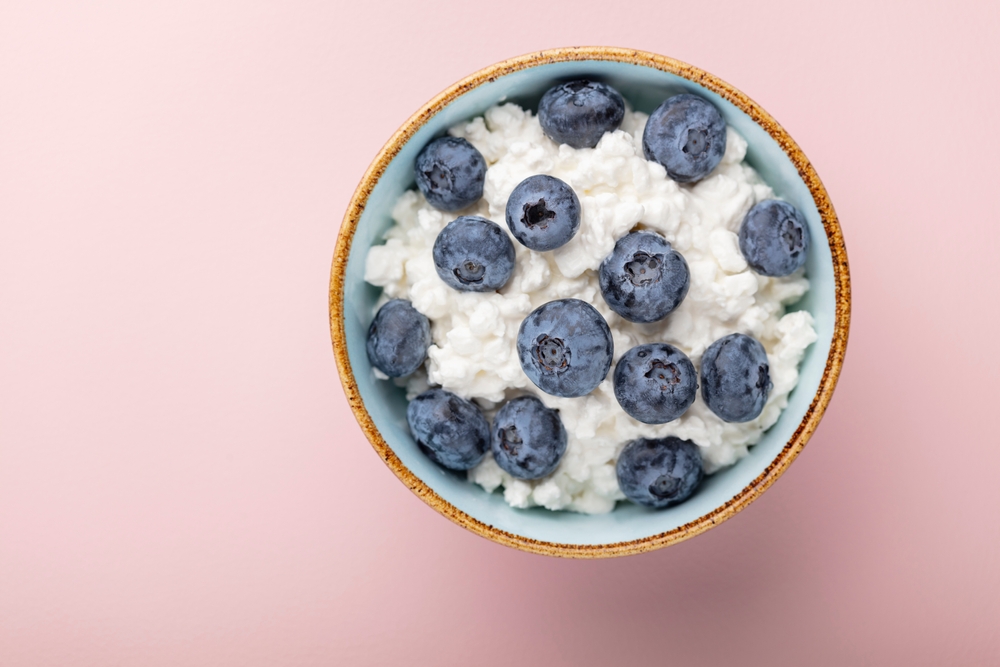
The same compounds responsible for the rich color of dark berries can also cling to teeth and affect their appearance.
Red wine is a well-known culprit
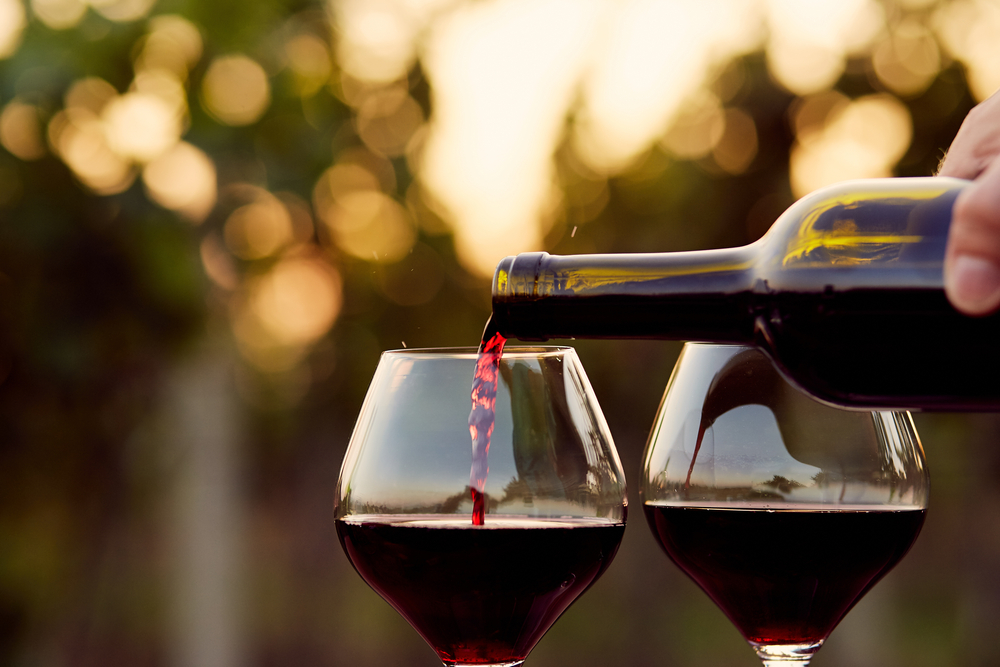
Red wine is widely recognized for its ability to leave dark stains on teeth.
White wine is not harmless either

Although it is lighter in color, the acidity in white wine can make teeth more vulnerable to discoloration.
Also read: Are you the oldest, middle, or youngest? Researchers find differences in siblings' intelligence
Ketchup may affect tooth color
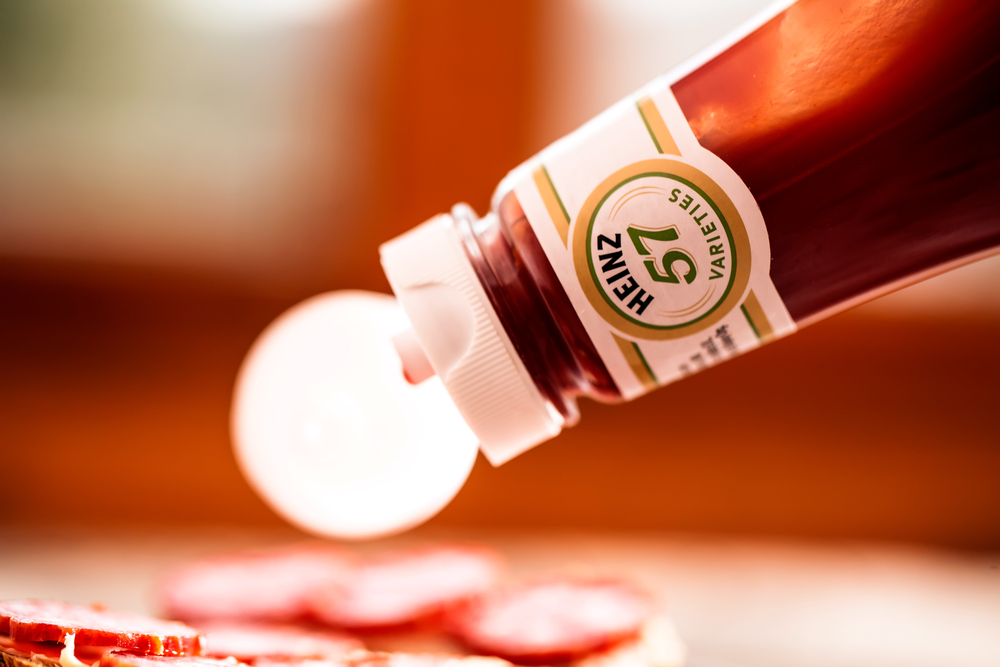
Ketchup contains ingredients and spices that can contribute to staining over time.
Soft drinks can do more damage than expected
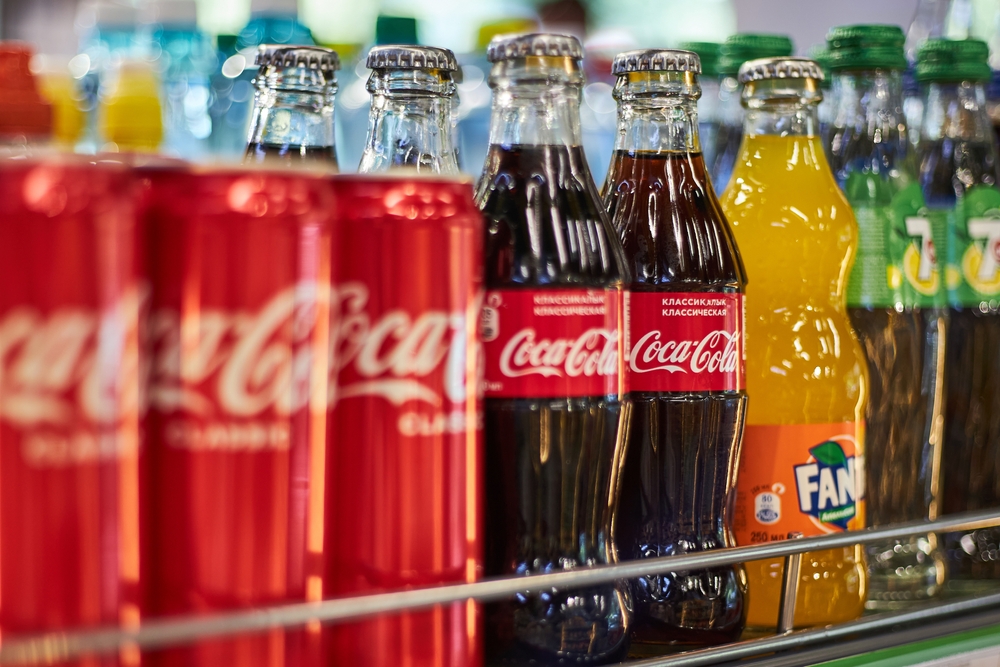
In addition to sugar, many soft drinks contain high levels of acid that may affect the appearance of teeth.
Coffee is often linked to staining

Dark beverages such as coffee can leave pigments on tooth enamel and contribute to yellowing.
Black tea can also discolor teeth
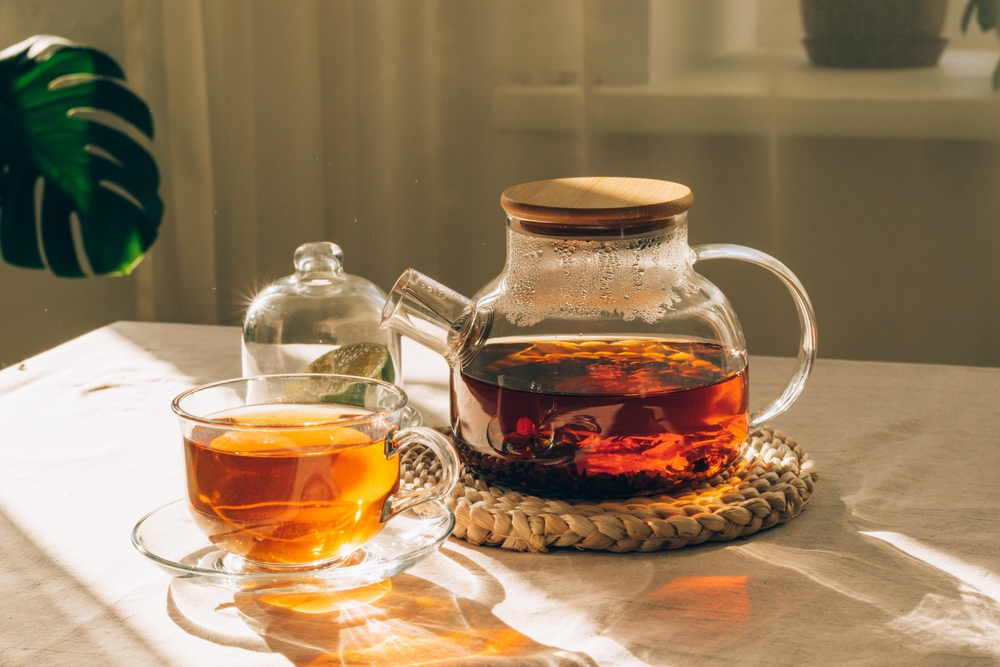
Like coffee, black tea contains compounds that may cause visible stains over time.
Also read: New research: Five minutes of prayer may reduce pain and anxiety
Other factors can play a role
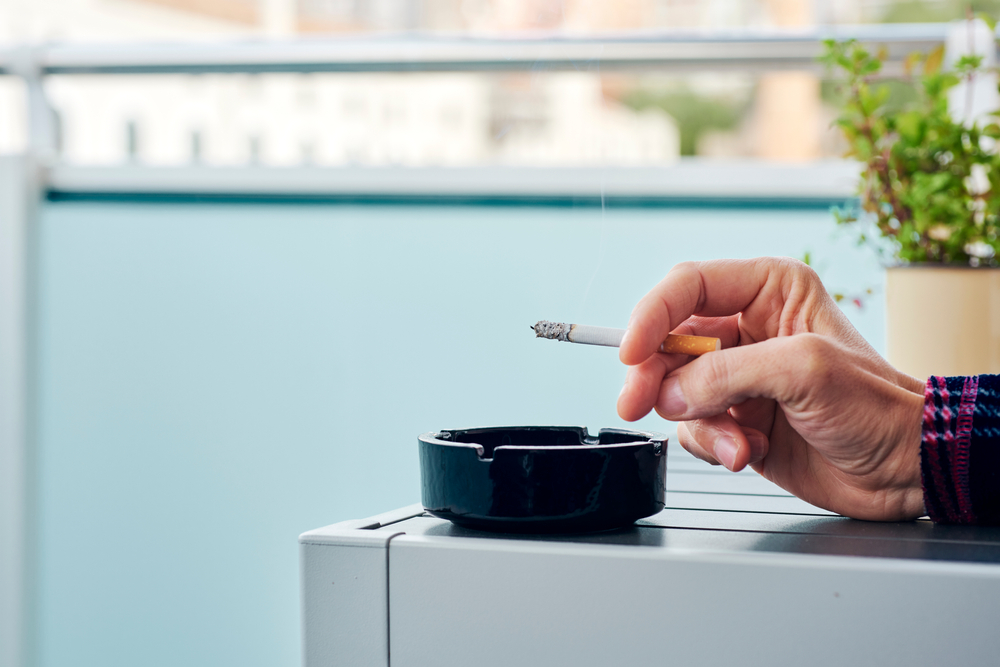
Aging, smoking, tooth injuries, poor oral hygiene, and even artificial teeth can all contribute to discoloration.
Also read: Scientists raise questions over nitrate in drinking water after dementia link found
This article is made and published by Mie Hermansen, who may have used AI in the preparation.