
Getting enough water each day may help support healthy blood pressure, especially if dehydration is a contributing factor, reports Health.
Dehydration can affect blood pressure
If your body is dehydrated, drinking more water may help bring your blood pressure back toward a healthier level. Research also suggests that people with high blood pressure are often less well hydrated.
Blood volume drops when you're dehydrated
When your body doesn't have enough water, your blood volume decreases. At the same time, sodium and other minerals become more concentrated.
Vasopressin responds to high sodium levels
Higher sodium concentrations can trigger the release of vasopressin, a hormone that helps the body retain water.
Also read: A personalized mRNA shot cleared a phase 3 first against aggressive melanoma
Blood vessels become narrower

Vasopressin also causes blood vessels to constrict, increasing pressure on the vessel walls and potentially raising blood pressure.
Daily water intake may help
Several studies highlight about six to eight glasses of water per day as a suitable daily intake in relation to healthy blood pressure.
Water needs vary from person to person
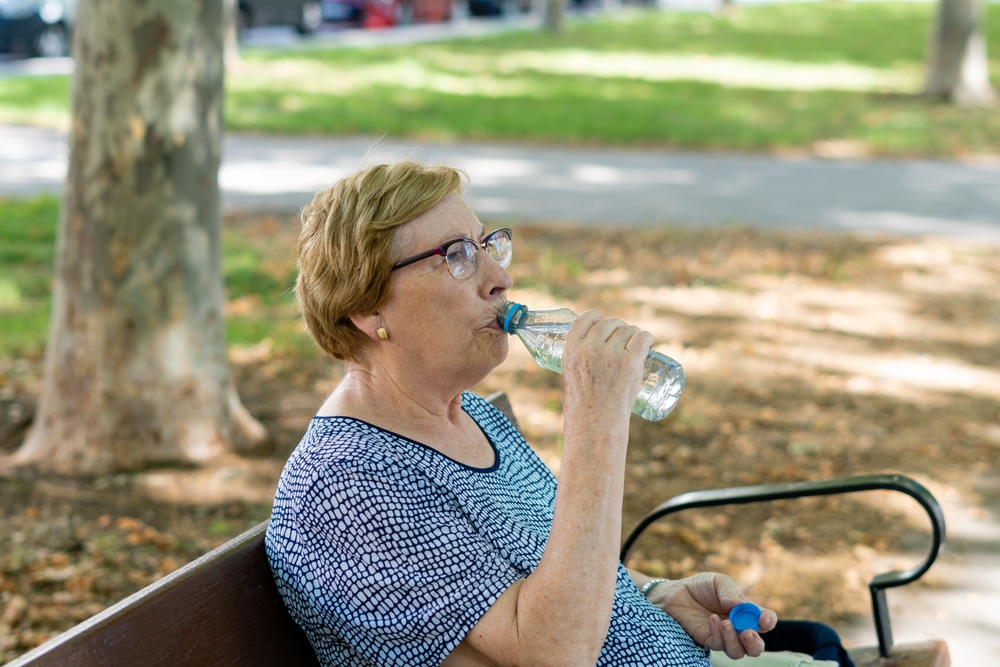
The amount of water you need depends on factors such as age, sex, body weight, climate, physical activity, and whether you're pregnant or breastfeeding.
Your body needs more water in certain situations
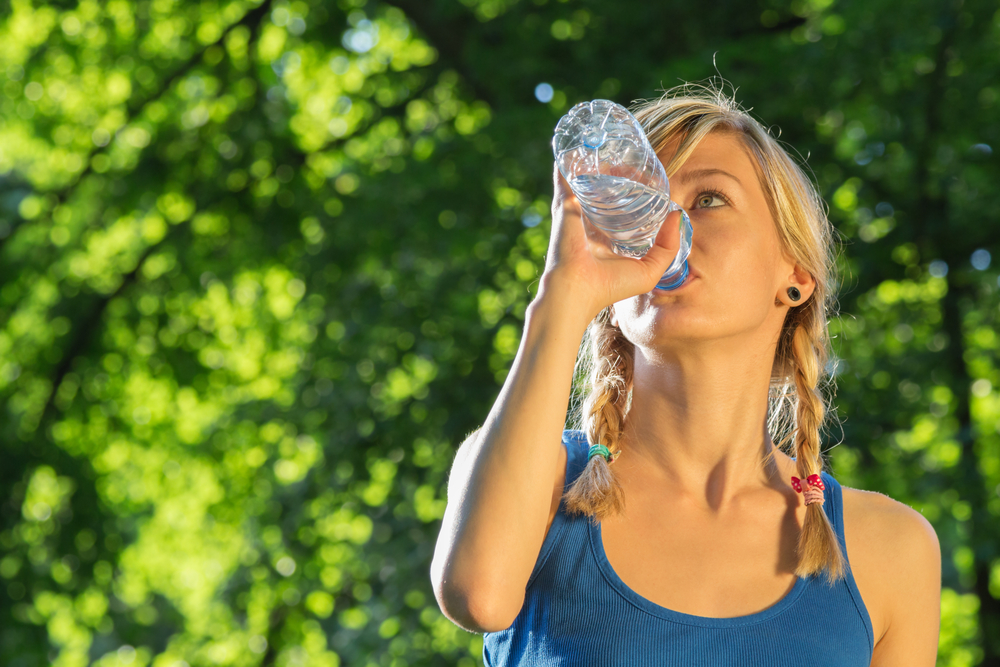
Hot weather and exercise that causes sweating increase your body's need for fluids.
Also read: What to avoid eating and drinking if you take metformin for diabetes
Too much water isn't ideal either
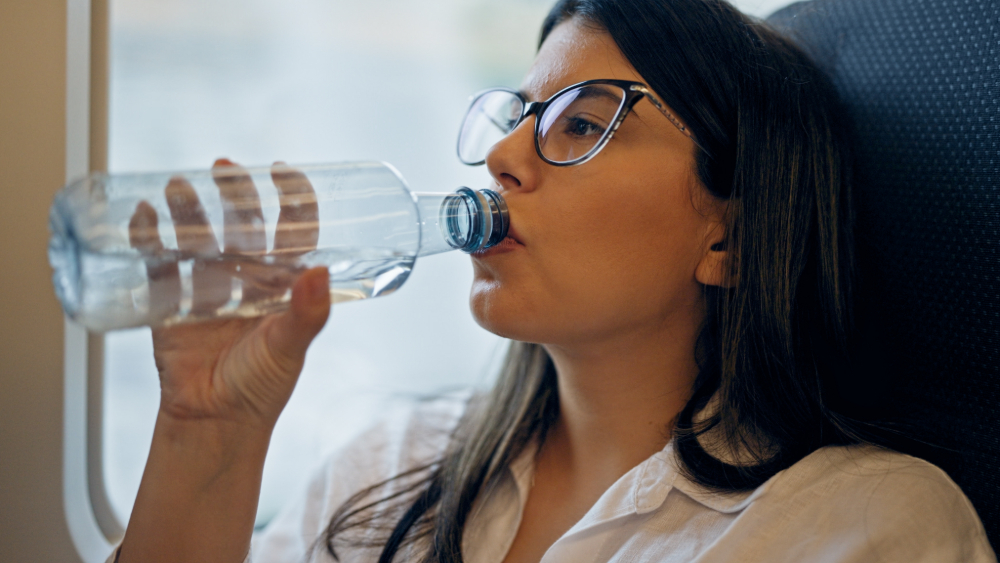
Avoiding dehydration is important, but excessive fluid intake can also create health problems.
Excess fluid can raise blood pressure
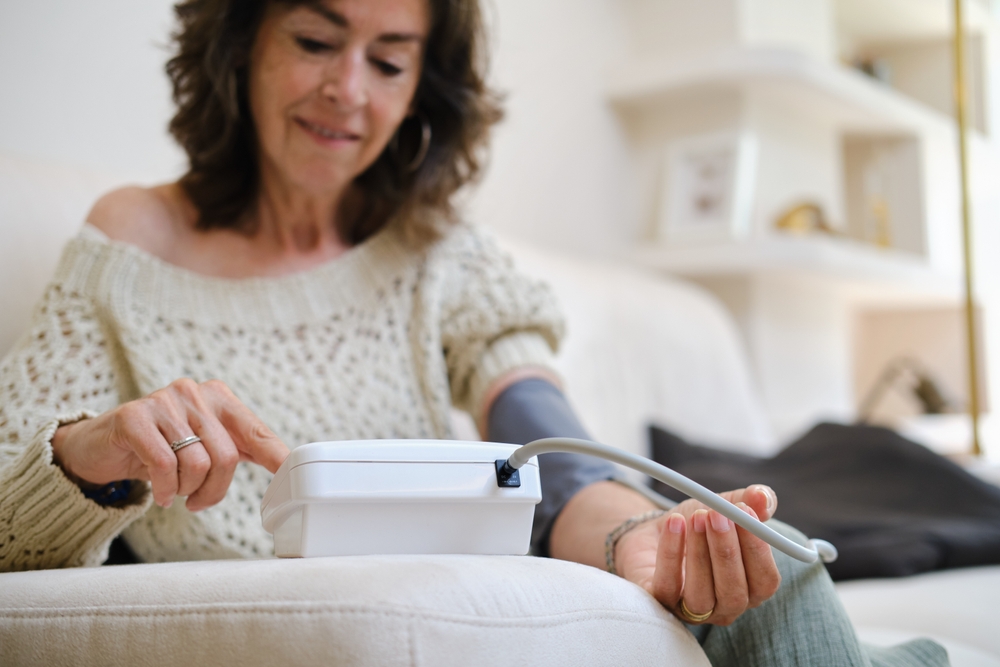
When the body retains too much fluid, blood volume increases. This places extra pressure on blood vessel walls and may contribute to high blood pressure.
Certain health conditions increase the risk
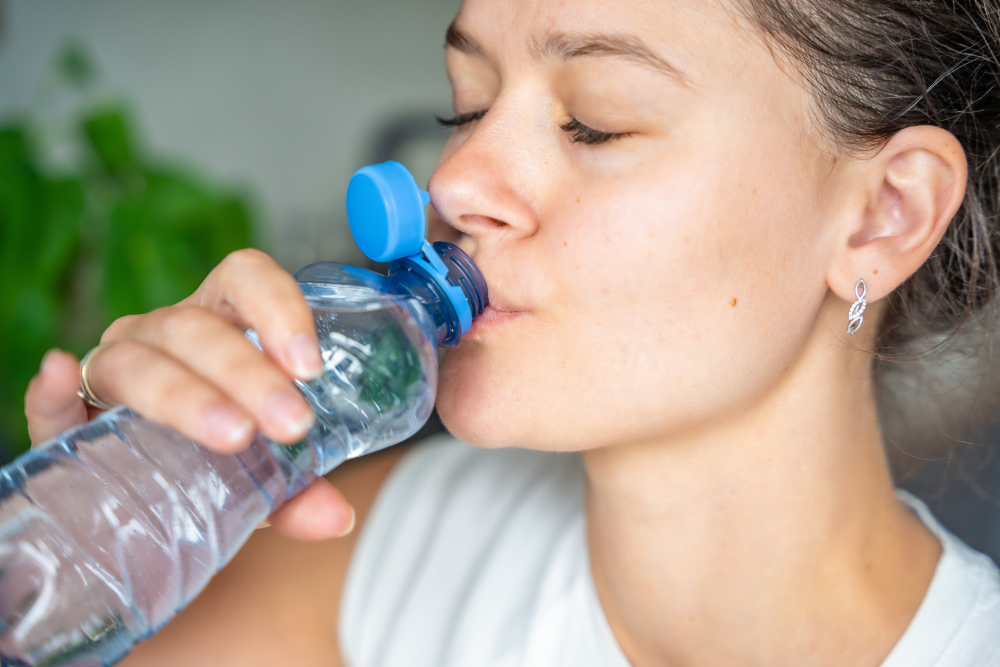
Cirrhosis, kidney disease, and heart failure can all lead to fluid retention. A diet high in salt may also contribute.
Other drinks may also help
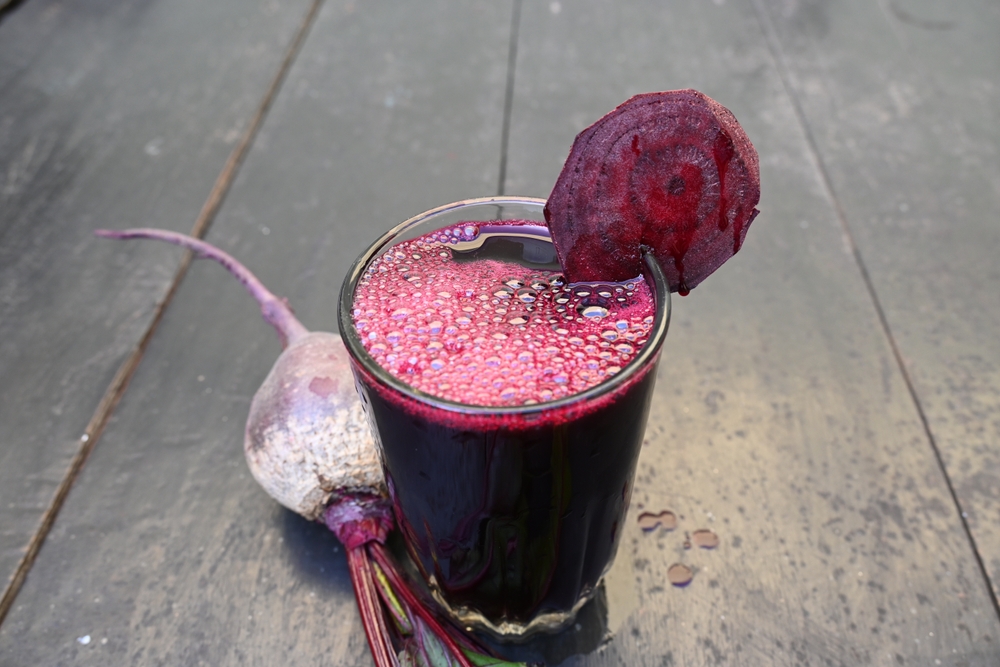
The article highlights beet juice, unsalted tomato juice, pomegranate juice, cranberry juice, and both green and black tea as beverages that have been linked to lower blood pressure in studies.
Also read: Research finds strong connection between diet and kidney disease risk
Minerals in water may play a role

One study found that water containing magnesium and calcium was associated with a lower risk of high blood pressure. Potassium is also considered beneficial, while drinks high in sodium may have the opposite effect.
Healthy habits still matter most
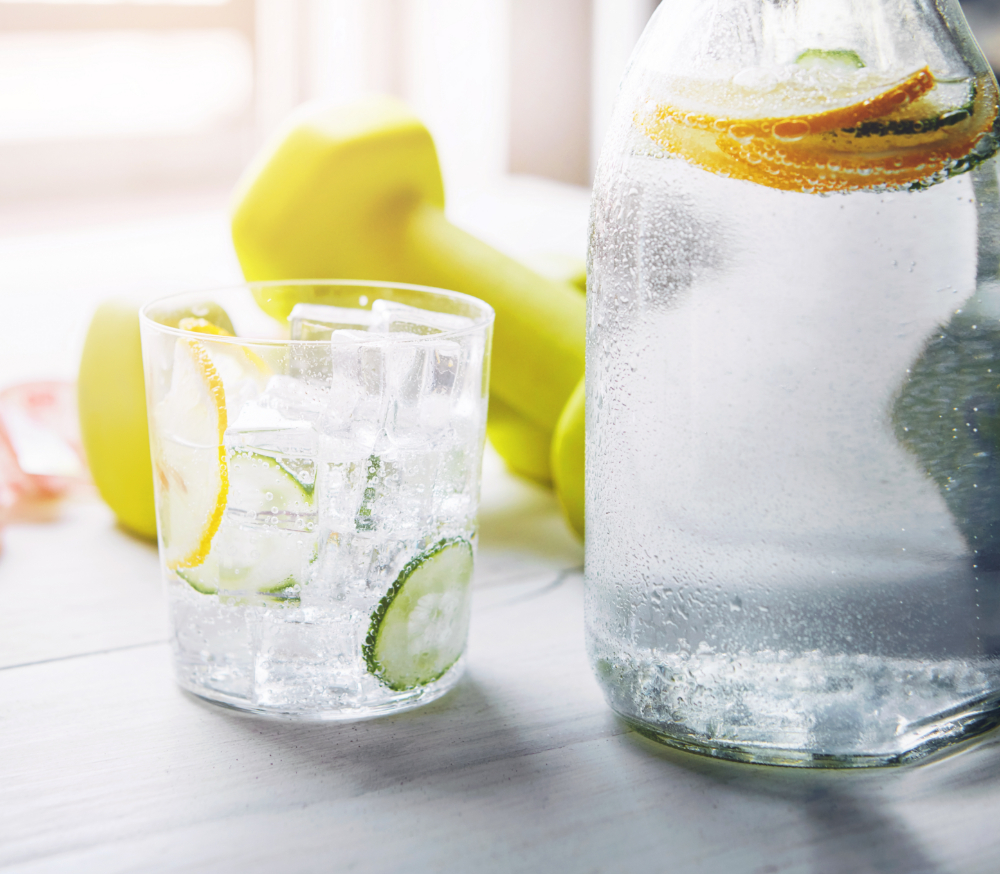
In addition to staying hydrated, the article recommends eating less salt and more potassium, exercising regularly, avoiding smoking, getting enough sleep, limiting alcohol intake, maintaining a healthy weight, and managing stress.
Also read: Is turmeric actually good for you? Here's what the evidence really shows
Also read: Why toenails get thicker as you age – and how to care of them
This article is made and published by Mie Hermansen, who may have used AI in the preparation.