
Oatmeal is more than just a simple breakfast. Research shows that a daily serving can have a significant impact on heart health, digestion, and overall well-being. Here are the key findings from the science, published in Plant Based News
Oatmeal can strengthen public health
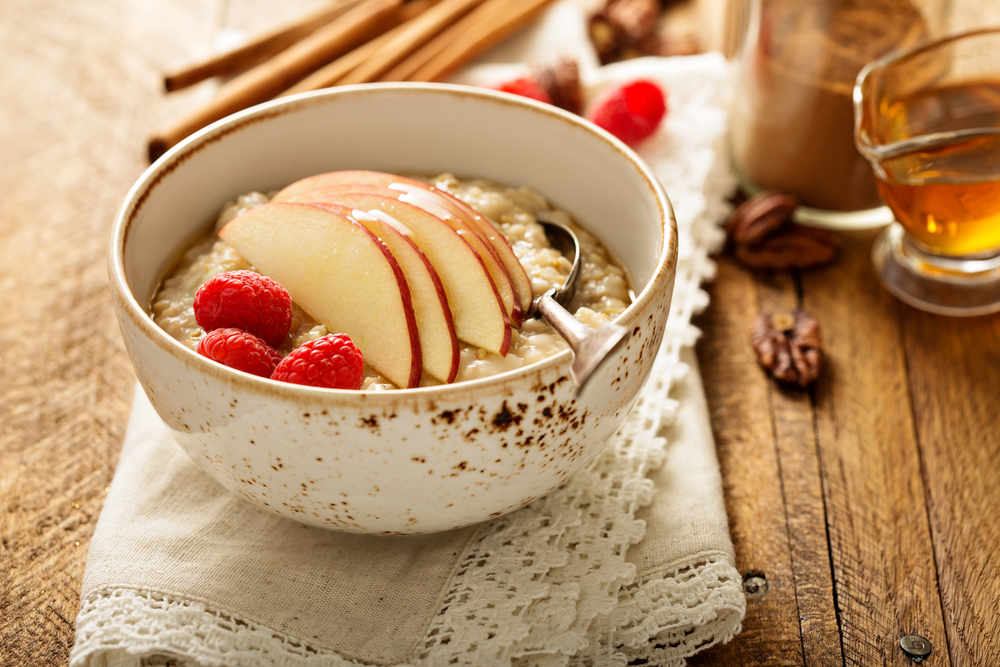
Experts suggest that if more people started their day with oatmeal, it could significantly improve overall public health.
Rich in essential nutrients
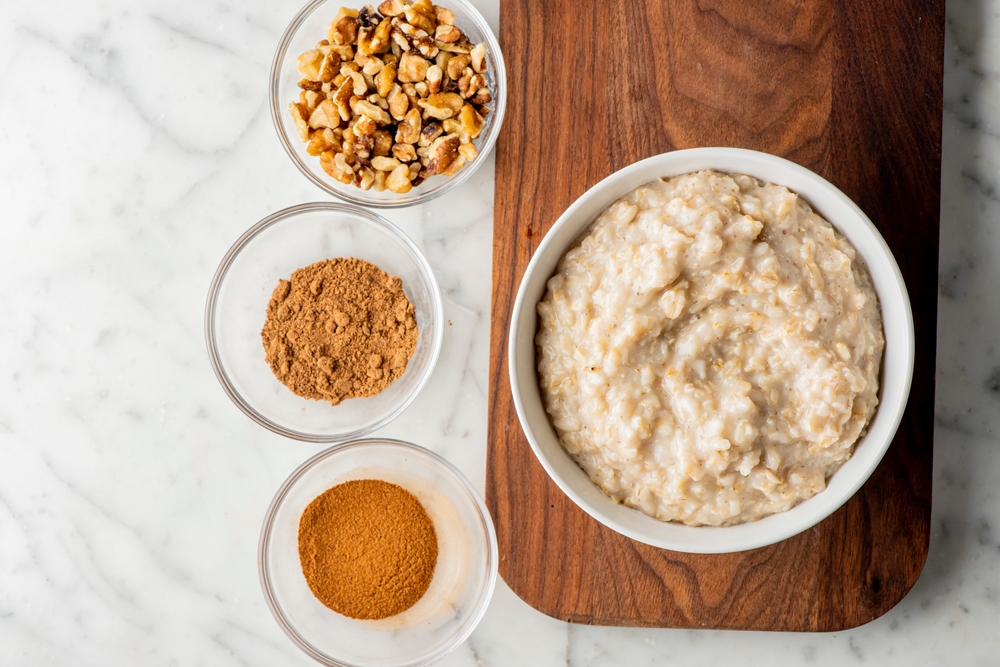
Oatmeal contains copper, manganese, iron, and B vitamins, all of which support normal bodily functions.
Beta-glucan plays a key role
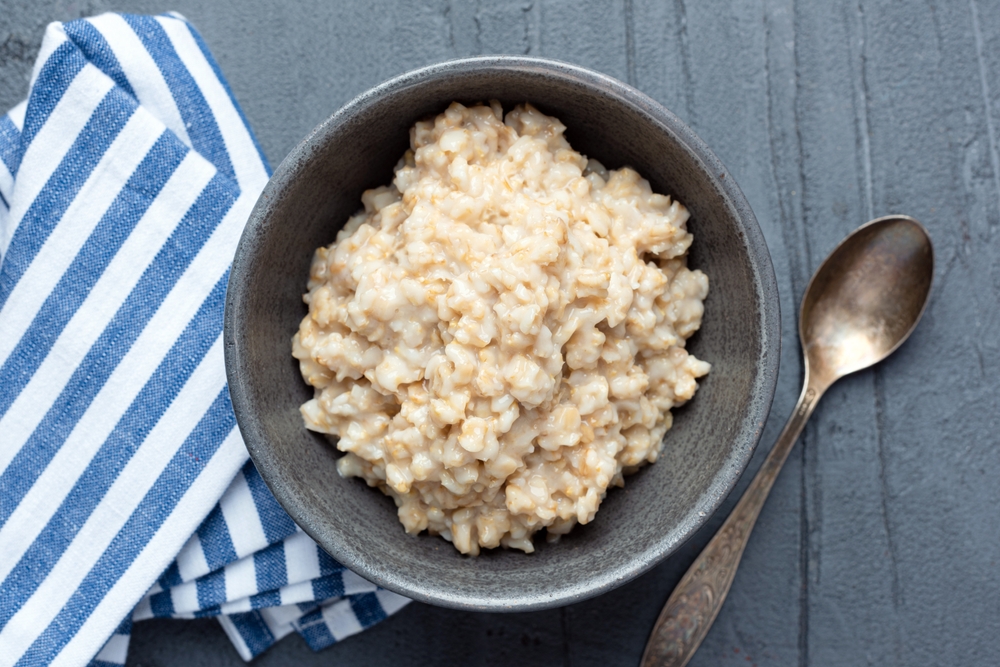
The soluble fiber beta-glucan is one of the main reasons behind oatmeal’s health benefits.
Also read: Study links PFAS exposure to adolescent bone development
Supports a healthy gut
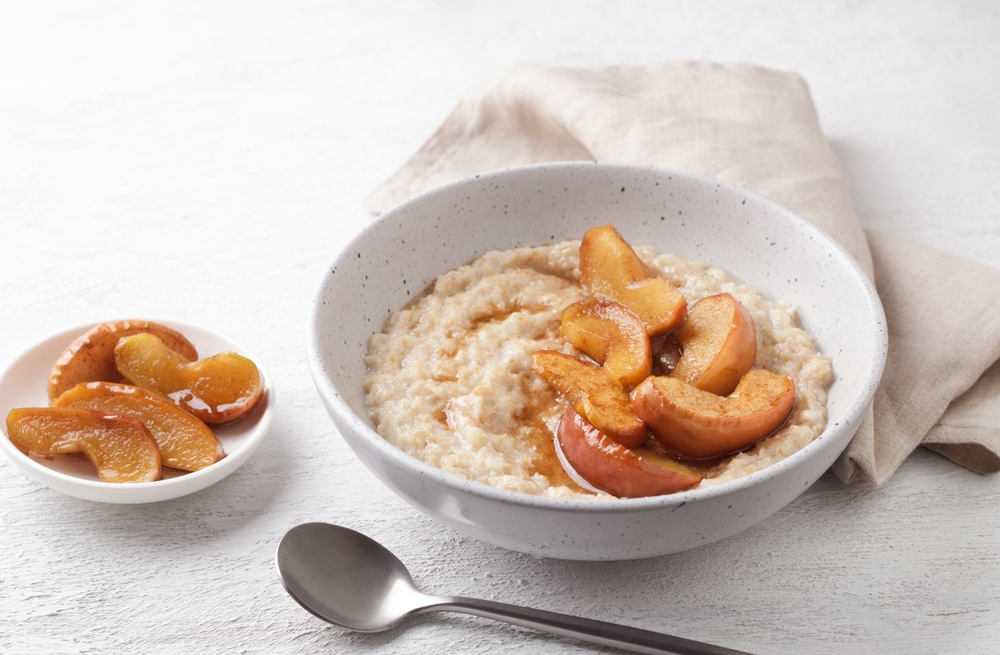
Beta-glucan feeds beneficial gut bacteria and helps maintain a healthy digestive system.
Can lower cholesterol levels
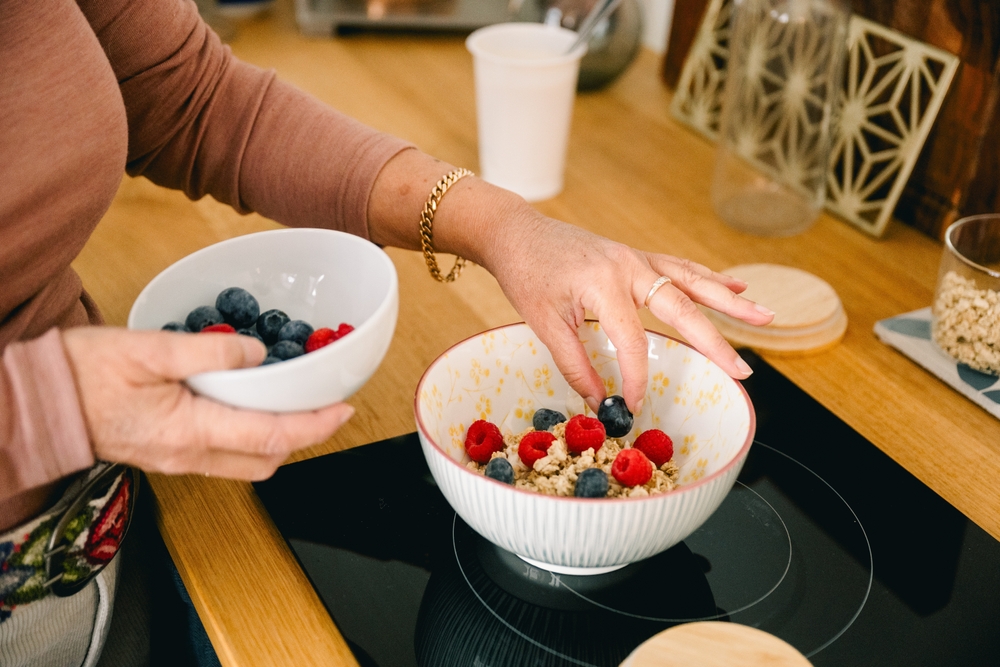
This fiber forms a gel in the gut, reducing cholesterol absorption and increasing the excretion of bile salts.
Proven effect on LDL cholesterol
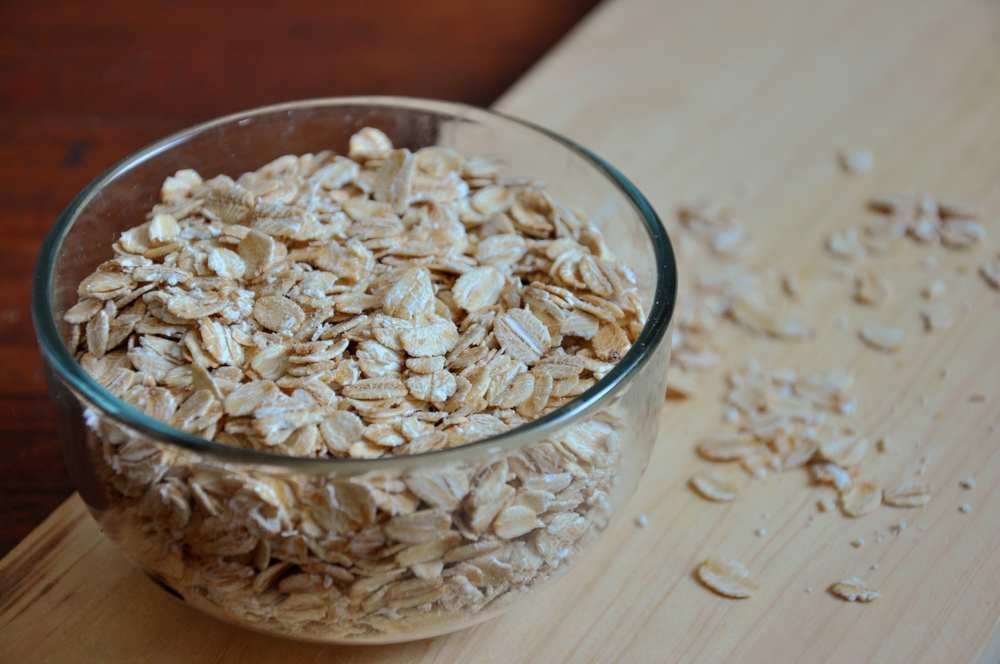
A daily intake of about 3 grams of beta-glucan can reduce harmful LDL cholesterol by around 7 percent.
Comparable effect without side effects

The cholesterol-lowering effect can resemble that of medication, but without the associated side effects.
Also read: One in three children suffers brain damage after meningitis
Lower risk of serious diseases
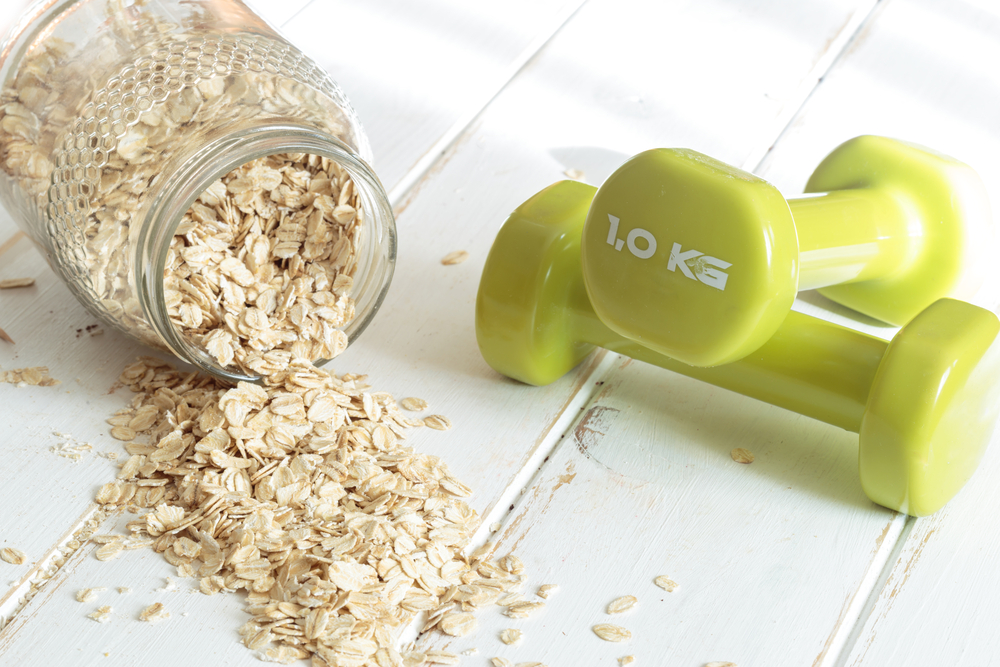
Studies show that people who consume more whole grains have a lower risk of conditions such as heart disease.
Reduced mortality with daily intake
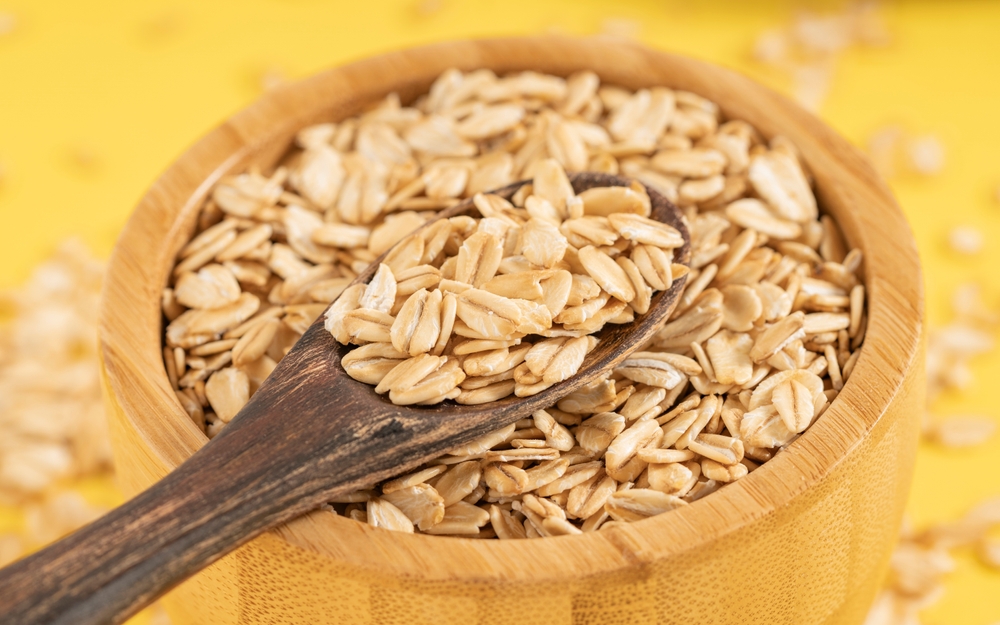
Each daily serving of whole grains is associated with about a 5 percent reduction in overall mortality.
Traditional oats are the best choice
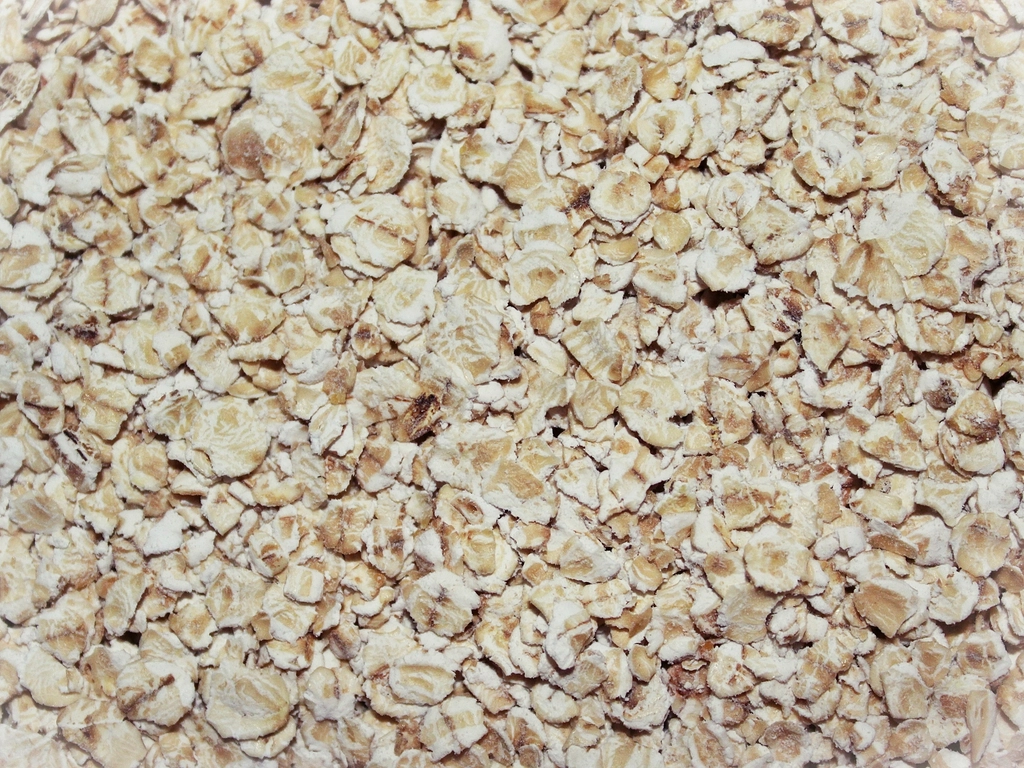
Regular oats have a lower glycemic index than instant varieties and have a smaller impact on blood sugar.
More stable blood sugar throughout the day
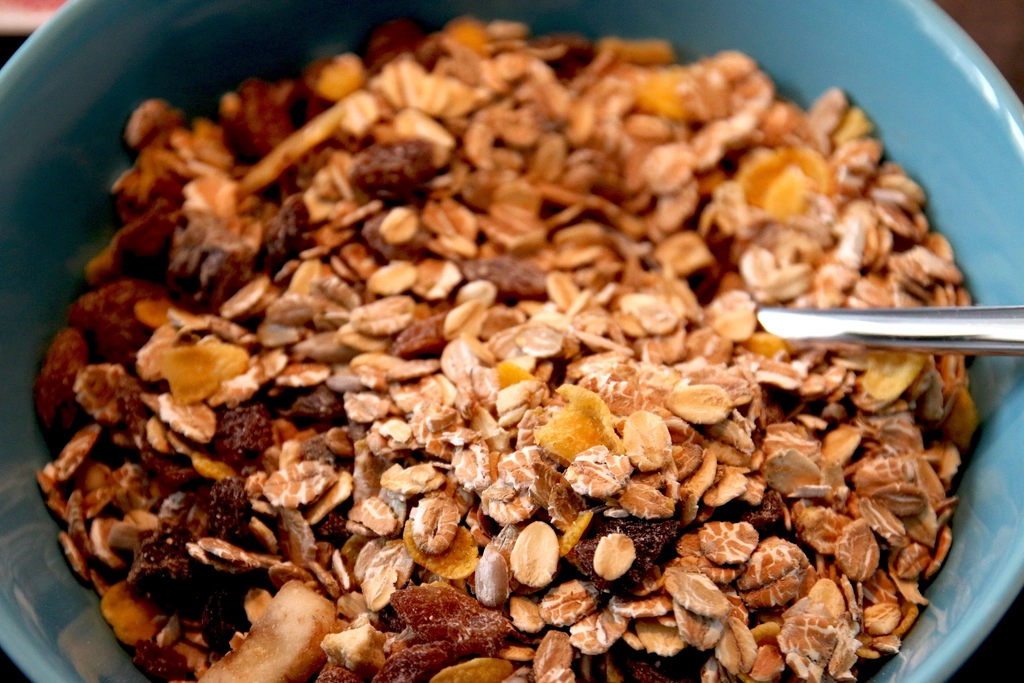
The lower glycemic impact leads to reduced insulin release and fewer blood sugar spikes.
Also read: Breakfast foods dietitians say you should avoid
May support weight and liver health
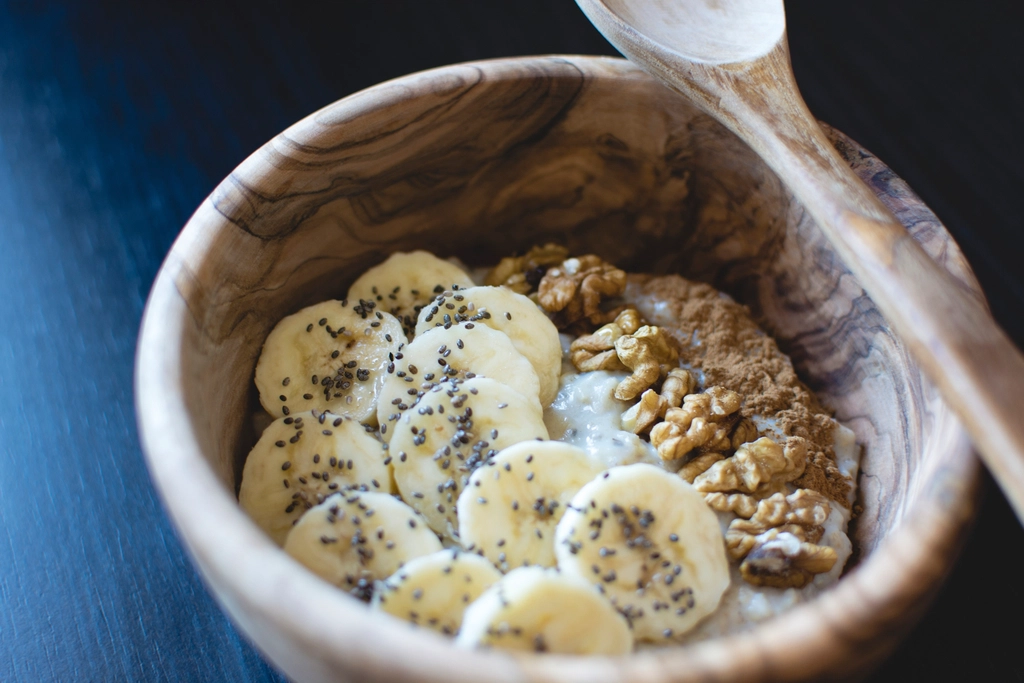
Research indicates that oatmeal can contribute to weight loss, smaller waistlines, and improved liver function.
Also read: Struggling with stress? Your daily routine may be the reason
This article is made and published by Mie Hermansen, who may have used AI in the preparation.