
Bananas are a nutrient-rich fruit that fits well into a healthy diet, but eating large amounts can lead to unwanted side effects.
Here are the potential consequences of eating too many bananas, according to Verywell Health.
Digestion may be affected
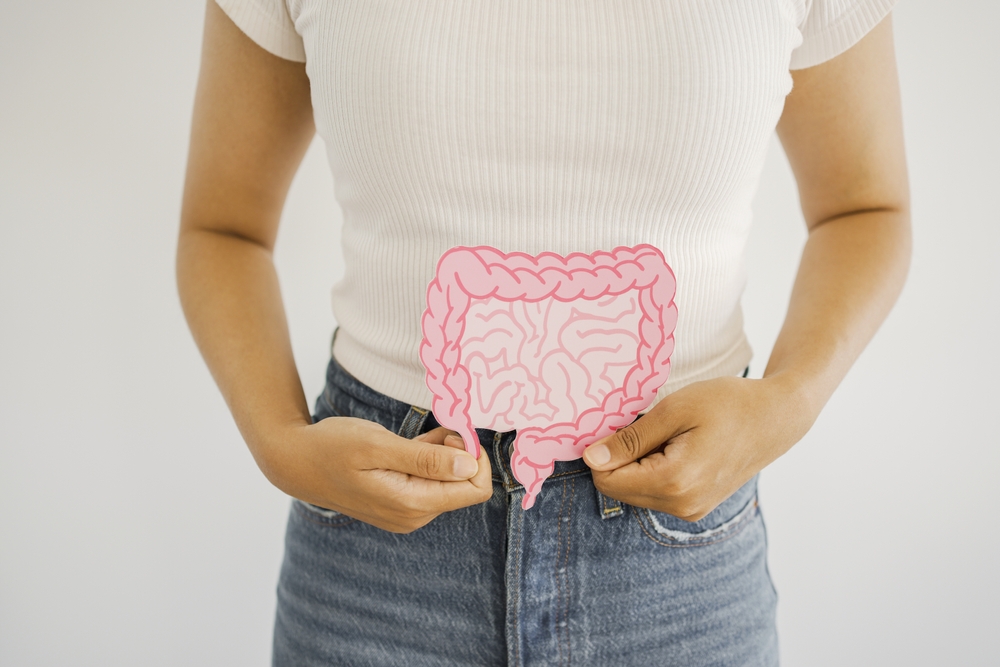
Bananas contain soluble fiber, which supports healthy digestion when consumed in moderation.
However, eating several bananas a day may cause gas, bloating, and stomach cramps, especially if you are not used to a high-fiber diet.
Also read: Your shampoo and plastic containers may be quietly raising your blood pressure during pregnancy
Potassium levels can become too high

Bananas are rich in potassium, an essential mineral for the heart, nerves, and muscles.
If you eat large amounts of bananas along with other potassium-rich foods, your potassium levels may become too high and, in severe cases, require hospital treatment.
Some people have a higher risk of elevated potassium

People with kidney disease, adrenal insufficiency, or those taking potassium-sparing diuretics or ACE inhibitors have a greater risk of developing high potassium levels.
Blood sugar may rise
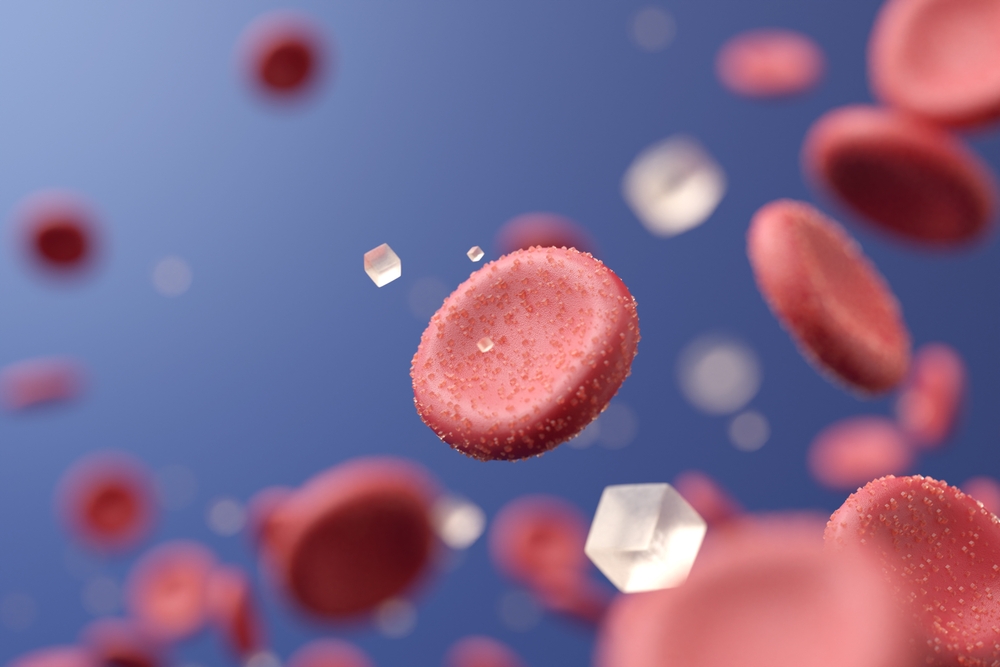
Bananas naturally contain sugar and carbohydrates, which can cause blood sugar levels to increase.
Also read: The heart scan most people never get may show whether you really need a statin
This is particularly relevant for people with diabetes or insulin resistance if they eat several bananas within a short period.
Ripe bananas have a greater impact

The riper a banana becomes, the higher its glycemic index.
This means ripe bananas can cause blood sugar to rise more quickly, according to a study published in PLOS One.
Protein or healthy fats may reduce blood sugar spikes

Verywell Health notes that eating a banana together with healthy fats or protein may slow the absorption of sugar into the bloodstream.
Also read: Heart doctor warns: Many men ignore these warning signs
Bananas may trigger migraines in some people

Bananas contain tyramine, a compound that increases as the fruit ripens.
For some people, tyramine may help trigger migraines.
Overripe bananas carry the highest risk
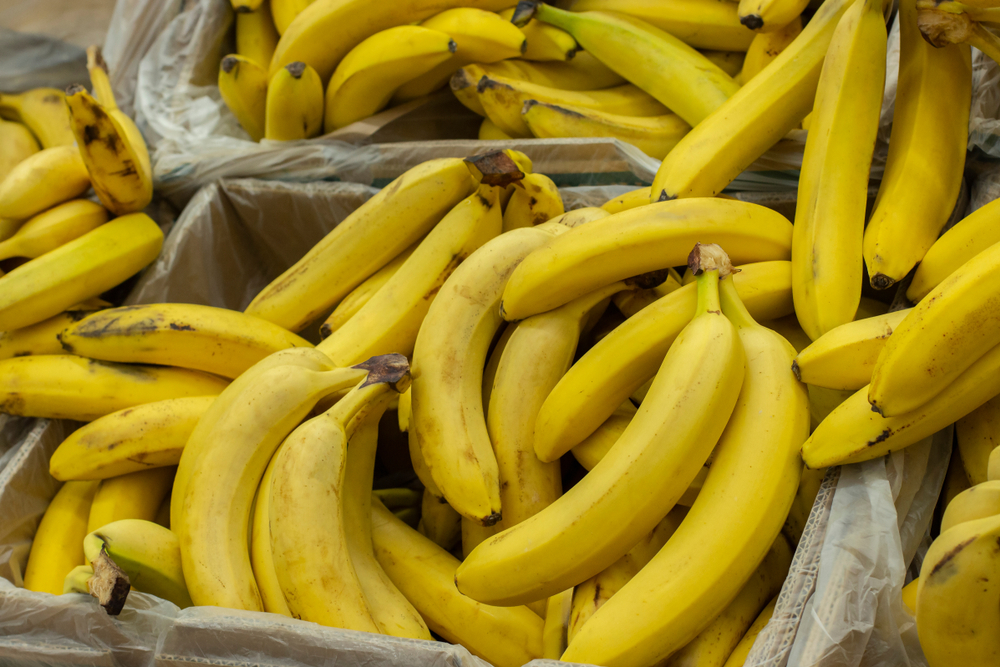
Overripe bananas contain the highest levels of tyramine.
The risk is greatest for people who have previously experienced migraines after eating foods high in tyramine.
Also read: Scientists mapped 830,000 immune cells in the Alzheimer's brain and found something unexpected
Teeth may be affected
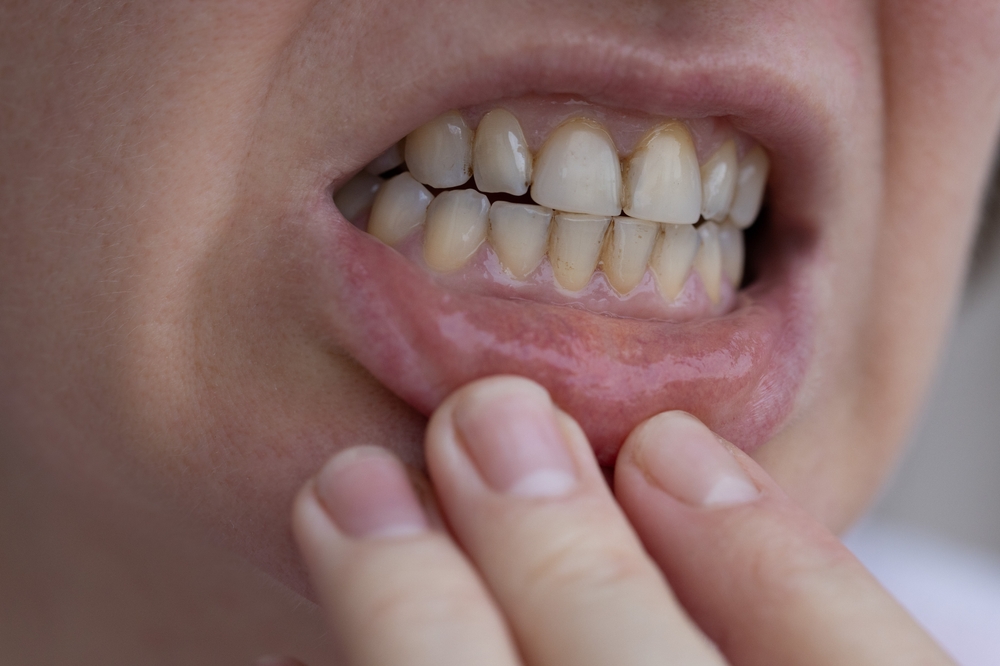
Frequently eating bananas as a snack without brushing your teeth or rinsing your mouth afterward may increase the risk of cavities, as banana residue can remain between the teeth.
Some people may experience allergic reactions

People who are allergic to ragweed may experience itching, tingling, or swelling of the lips, tongue, and throat after eating bananas.
Latex allergy may also play a role

According to Verywell Health, people with a latex allergy may also react to proteins found in bananas and should therefore be cautious, particularly when eating ripe bananas or consuming large amounts.
You may feel more tired

Bananas contain magnesium and the amino acid tryptophan, which the body uses to produce substances such as serotonin and melatonin.
Also read: Kelly Rowland shares her top tips for easing eczema
As a result, eating several bananas at once may make some people feel unusually tired.
Large carbohydrate-rich meals may increase tiredness

If bananas are eaten as part of a meal high in carbohydrates, more tryptophan may reach the brain, potentially enhancing its sleep-promoting effects.
One to two bananas a day is generally not a problem

According to Verywell Health, eating one to two bananas per day is considered a safe and nutritious amount for most healthy adults.
However, people with type 2 diabetes, chronic kidney disease, or a ragweed allergy may need to limit or avoid bananas.
This article is made and published by Ida-Marie Palm Varbæk, who may have used AI in the preparation.