
Omega-3 fatty acids are found in fish, plant-based foods, and supplements. But how you get them – and whether you even need them – makes a bigger difference than most people think. Here's the essential breakdown of facts, risks, and common myths.
Omega-3 is an essential fatty acid

Your body can’t produce omega-3 on its own, so you must get it from your diet. It plays a vital role in heart, brain, and eye health – especially in early development.
There are three types of omega-3
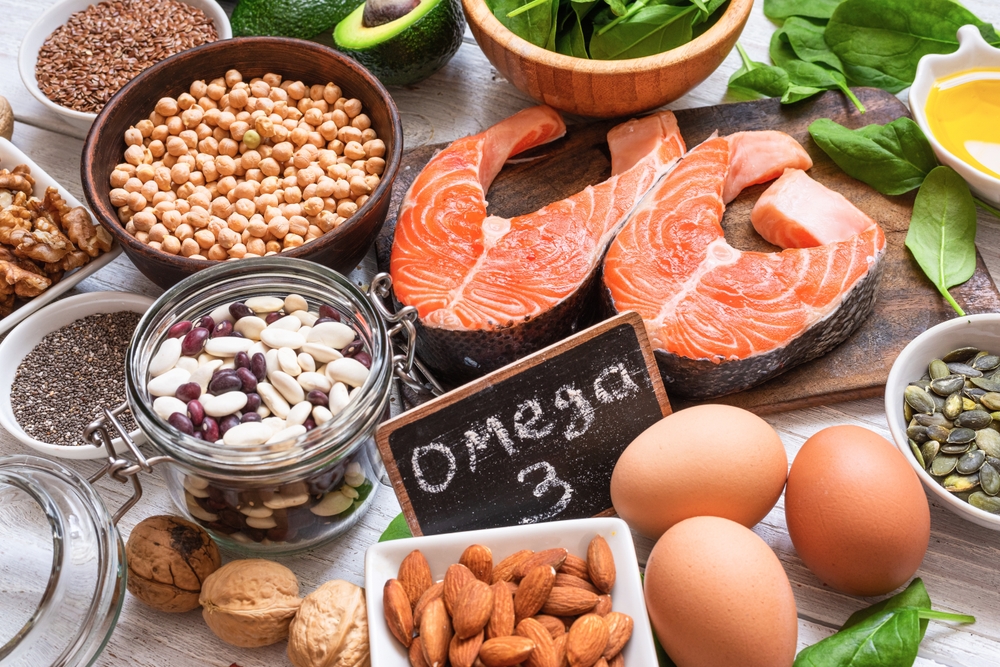
ALA (from plants), and EPA and DHA (from fish and algae). EPA and DHA are the most beneficial, but the body only converts a small amount of ALA into them.
Fatty fish is the best source

Salmon, mackerel, herring, and sardines are rich in EPA and DHA. The body absorbs and uses these more efficiently than the ALA from plant sources.
Also read: Do You Know These Signs of a Heart Attack - Especially Women Are at Risk
Plant-based sources aren’t enough for everyone
Chia seeds, flaxseeds, and walnuts contain ALA, but often not in high enough amounts to meet EPA/DHA needs—especially for those who don’t eat fish.
Supplements have limited proven benefits

Recent data shows omega-3 capsules might not prevent heart disease in healthy people and could even increase the risk of certain heart problems.
Regular use may carry risks
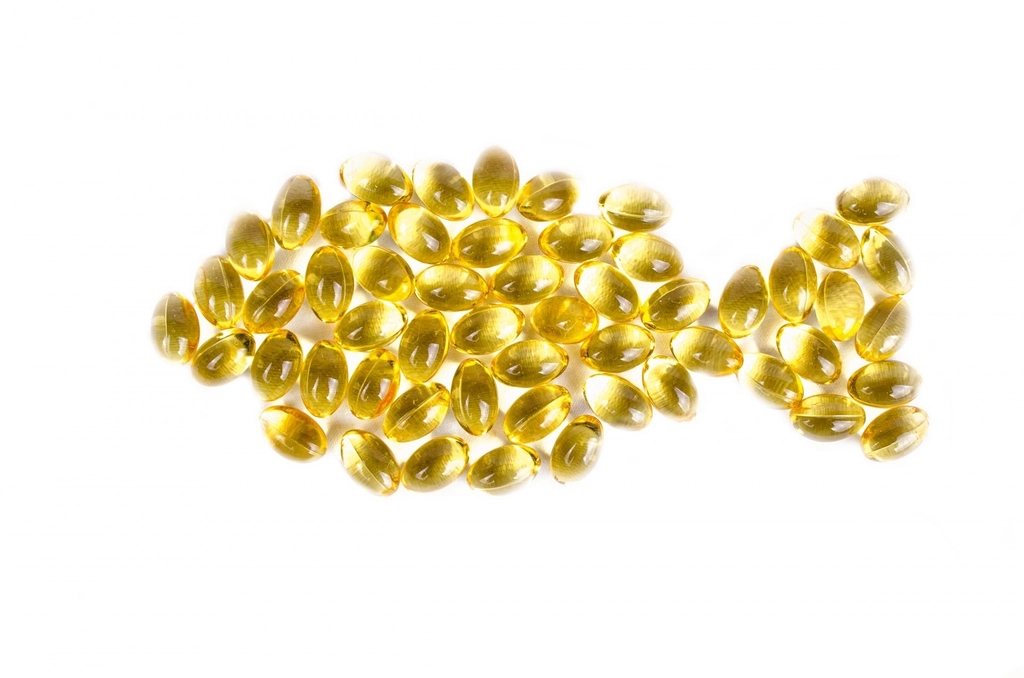
A UK-based study of 400,000 participants found that regular fish oil use was linked to a 13% higher risk of atrial fibrillation and a 5% higher risk of stroke.
Some benefits for those with heart disease

In people with existing cardiovascular conditions, omega-3 supplements were associated with reduced risk of progressing to heart attack or death.
Also read: Warning signs of skin cancer you should never ignore – Gordon Ramsay's scare is a wake-up call
Official guidelines discourage routine supplementation

In the UK, omega-3 supplements are not recommended for preventing heart disease unless prescribed. Health authorities emphasize food over pills.
Fatty fish is still recommended weekly

The NHS advises eating at least one portion of oily fish per week as a natural, effective way to obtain omega-3. Pregnant and breastfeeding women should limit intake.
Balanced diet beats supplements

Experts agree that getting nutrients through a healthy, varied diet is far better than relying on supplements—unless there are specific medical needs.
This article is based on information from The Guardian
Also read: New Pill Could Finally Control “Untreatable” High Blood Pressure
Also read: How to Choose the Right Walking Style for Your Fitness Goals
This article is made and published by Mie Hermansen, who may have used AI in the preparation.