
A lump or swelling in the hand or wrist is considered a tumor, but that does not necessarily mean it is cancerous.
According to the American Society for Surgery of the Hand (ASSH), most tumors in this area are benign, although some require treatment or further evaluation.
What is a tumor in the hand or wrist?
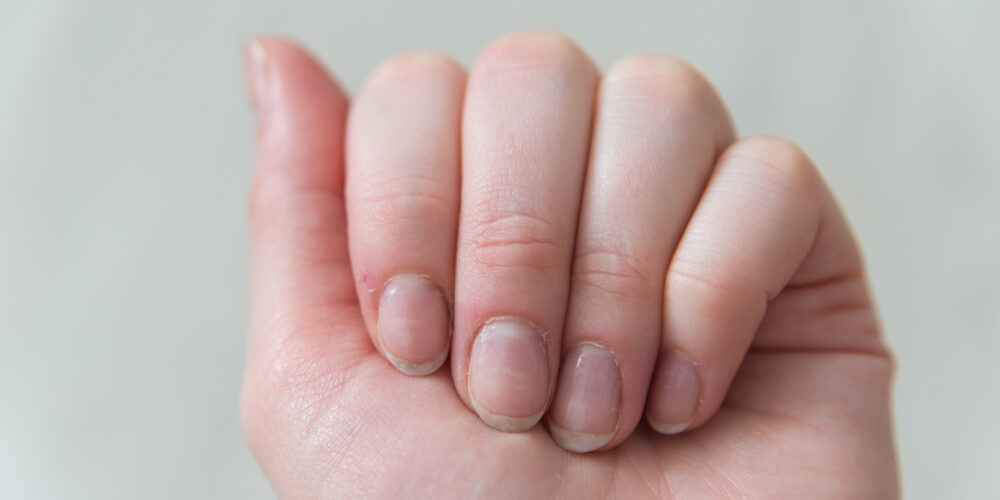
A tumor is an abnormal growth of tissue. It can develop in the skin, soft tissues, or bones, and the vast majority of cases are non-cancerous.
Ganglion cysts are the most common type

Ganglion cysts most commonly develop in the wrist, but they can also appear at the base of the fingers or around the finger joints.
Also read: They live longer than most – researchers have now found a possible explanation
Filled with fluid

These cysts typically contain fluid from a joint and often feel firm or rubbery to the touch.
Several treatment options

A ganglion cyst may not require treatment. However, it can be drained with a needle or removed surgically if necessary.
Giant cell tumor

Giant cell tumors of the tendon sheath are the second most common type of hand tumor.
Unlike ganglion cysts, these tumors are solid rather than fluid-filled.
Also read: Many people sleep with the window open – but it’s not always the best solution
The tumor grows slowly and is benign

Although this type of tumor is not cancerous, it can affect nearby bones, tendons, and joints as it grows.
New medication can reduce tumor size

Approved medications can help shrink certain giant cell tumors, although treatment should be determined by a specialist.
Epidermoid cysts develop beneath the skin

This type of cyst often forms in areas where the skin has previously been injured by a cut or puncture wound.
The cysts contain keratin

These cysts contain keratin, a soft, wax-like substance. Surgical removal is the most common treatment.
Also read: Men report erectile problems linked to hair loss drug
Some skin and nail tumors may be cancerous
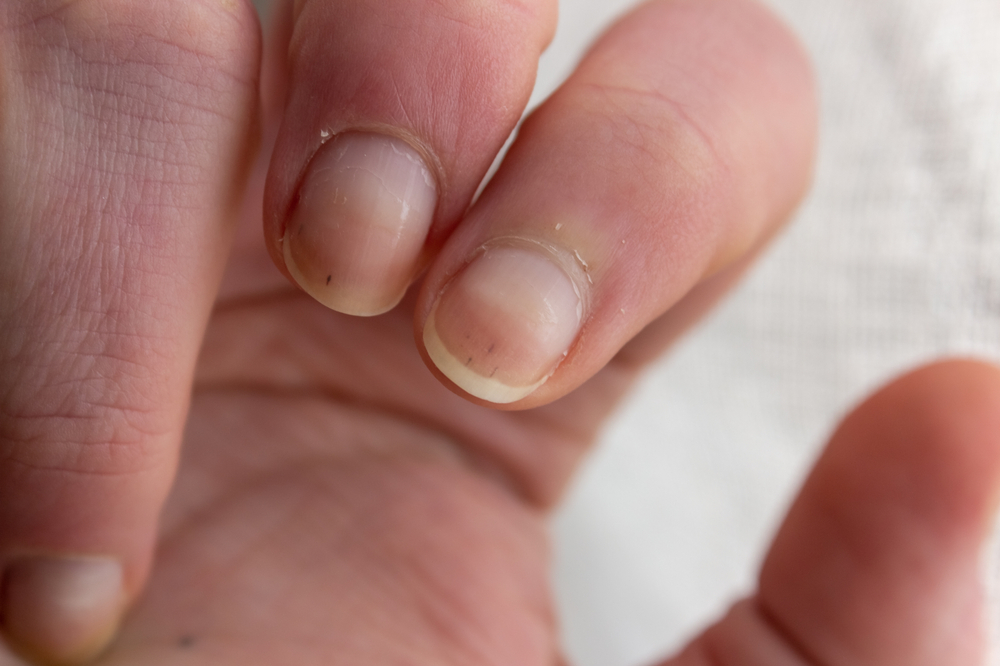
Melanoma and squamous cell carcinoma are among the most common cancers affecting the skin or the tissue beneath the fingernails.
Most bone tumors are not cancerous

The most common bone tumor in the hand is an enchondroma, which typically develops in the small bones of the fingers.
Rare sarcomas can develop in soft tissues

Sarcomas are rare cancerous tumors that often grow slowly, cause little or no pain, and develop deep within the tissues of the hand.
Other conditions can be mistaken for tumors

Splinters, Dupuytren’s disease, and abnormalities in blood vessels can create lumps that resemble tumors.
Also read: The surprising ways honey may affect your body
Surgery is often the most effective treatment

Surgery allows the tumor to be removed and examined more closely to confirm the diagnosis.
If a tumor changes in size, color, or causes pain, it should be re-evaluated by a surgeon.
Also read: Peanut butter’s surprising health perks
This article is made and published by Ida-Marie Palm Varbæk, who may have used AI in the preparation.