
Small body changes are easy to dismiss, but some can reveal much bigger health risks. A new Swedish study shows that specific changes in urine may be linked to a higher risk of developing dementia. Here are the signals researchers say you should pay attention to.
Foamy urine

An unusually foamy appearance in urine may indicate excess protein, which the study connected to an increased dementia risk.
Frequent urination

Needing to visit the bathroom often—without drinking more than usual—may point to kidney imbalance, which can also affect the brain.
Swollen feet and ankles
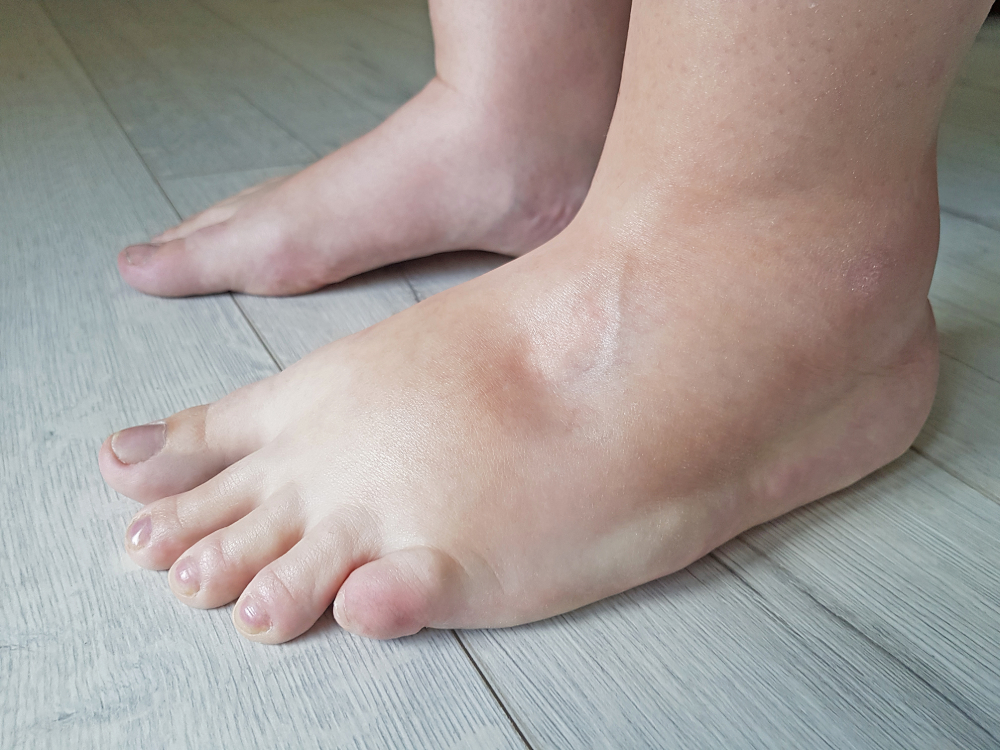
Fluid buildup in the lower body can signal kidney trouble. Researchers found this condition may also raise the risk of cognitive decline.
Also read: Science Reveals: The Ideal Age Gap for a Lasting Relationship
Puffy face
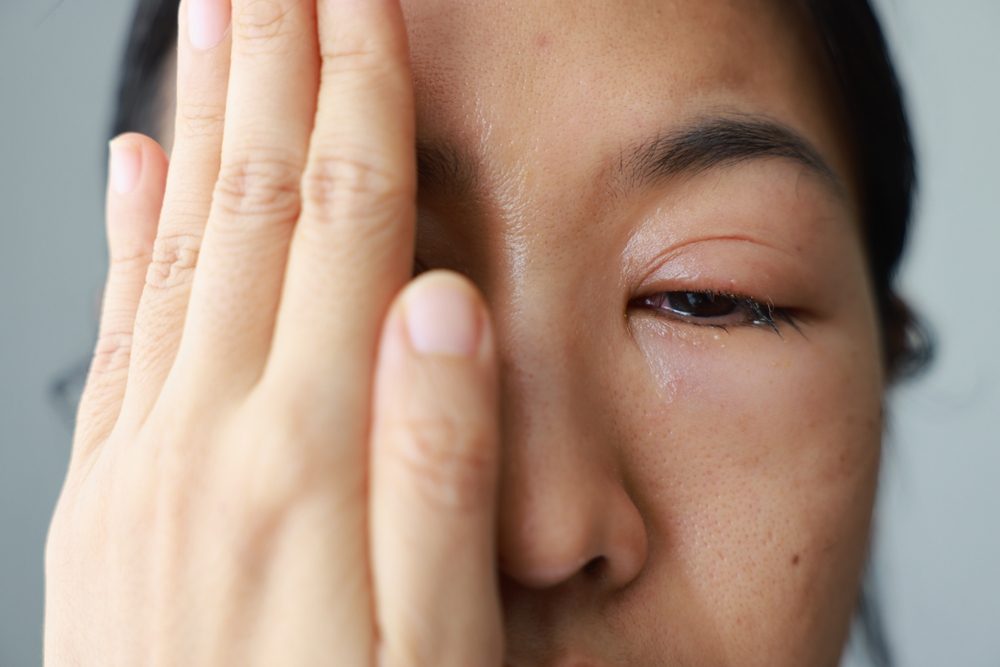
Noticeable swelling around the eyes or cheeks can be another sign of excess protein in urine, suggesting stress on the kidneys.
Moderate protein levels

Participants with moderately high amounts of albumin in their urine had a 25% greater chance of developing dementia compared to others.
Higher levels, higher risk
Those with very high albumin levels faced an even sharper rise in risk, with dementia odds climbing by 37%.
Vascular dementia link

The strongest association was seen with vascular dementia, the second most common form of the disease.
Also read: Dentist-Approved Foods for Healthy Teeth and Gums
Shared blood vessel vulnerability

Both the kidneys and the brain rely on delicate blood vessel networks. When damage occurs in one organ, the other often follows.
Warning signs to monitor

Foamy urine, swelling in the face or legs, and frequent bathroom visits are among the most visible signs of possible trouble.
The value of screening

Routine urine tests could help doctors detect these problems early, potentially slowing down disease progression.
A chance for prevention
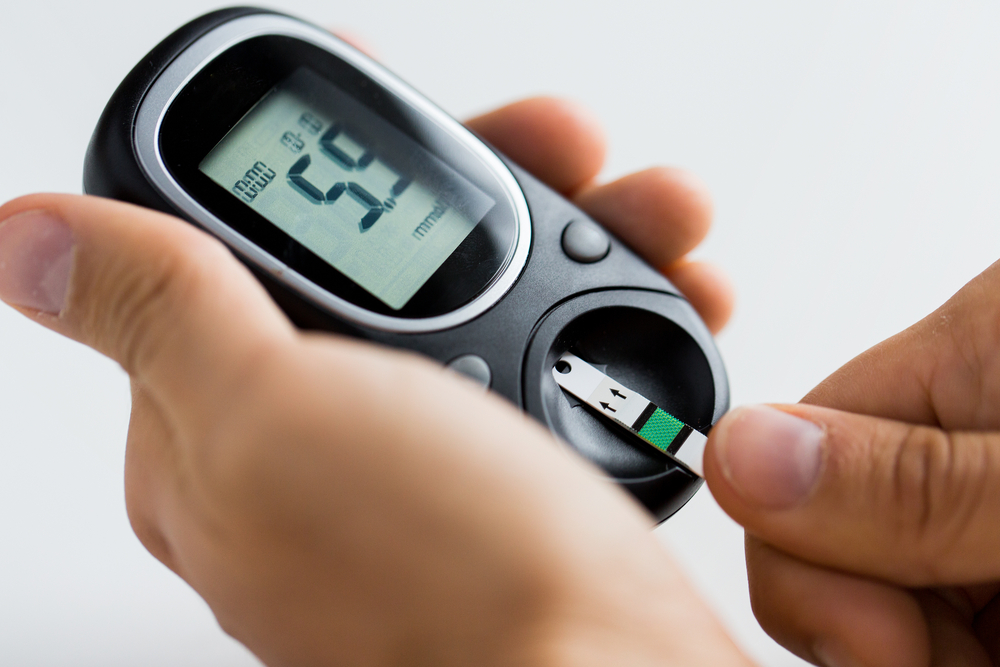
The study suggests that early intervention may delay or even prevent dementia—especially for those with diabetes, high blood pressure, or heart disease.
Also read: These Early Signs of Dementia Could Be Hiding in Your Wallet
Article based on information from Unilad and Karolinska Institutet.
Also read: Daily ginger tea: the science-backed benefits you need to know
This article is made and published by Mie Hermansen, who may have used AI in the preparation.