
After years of uncertainty, researchers in Japan have identified a clear biological cause behind Long COVID’s most persistent symptom: brain fog. The discovery could pave the way for accurate diagnosis and, for the first time, real treatment options. Here’s what scientists uncovered.
The puzzle of brain fog

Up to 80% of people with Long COVID experience brain fog — confusion, poor focus, and memory problems that can last months or even years.
Millions are affected worldwide

With hundreds of millions of COVID-19 cases globally, Long COVID’s cognitive effects pose an ongoing health and economic challenge.
Until now, the cause was invisible
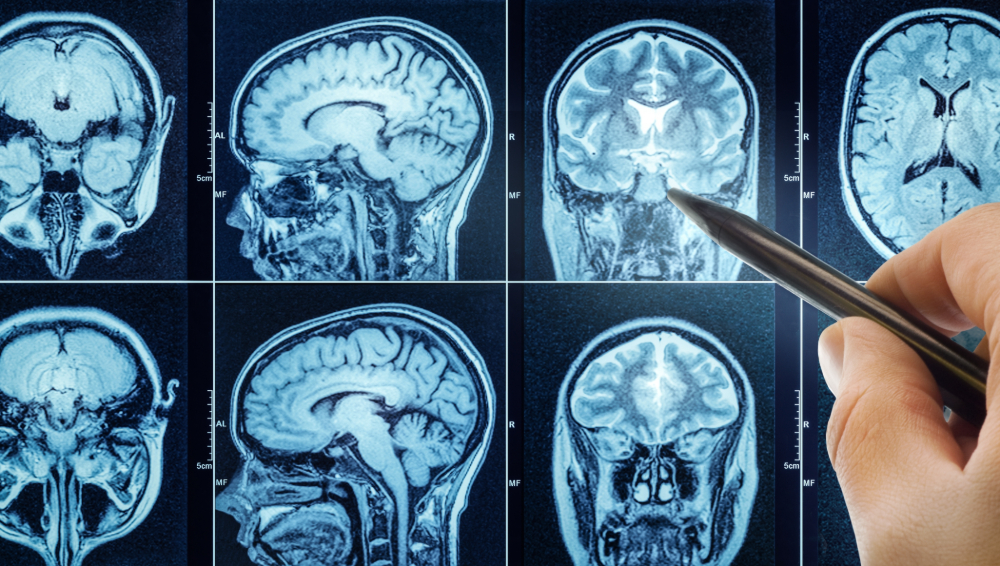
Previous scans revealed small changes in brain structure, but no one could explain why patients’ thinking and memory were so disrupted.
Also read: You don’t have to lose weight to prevent diabetes, scientists say
A new kind of brain scan changed everything
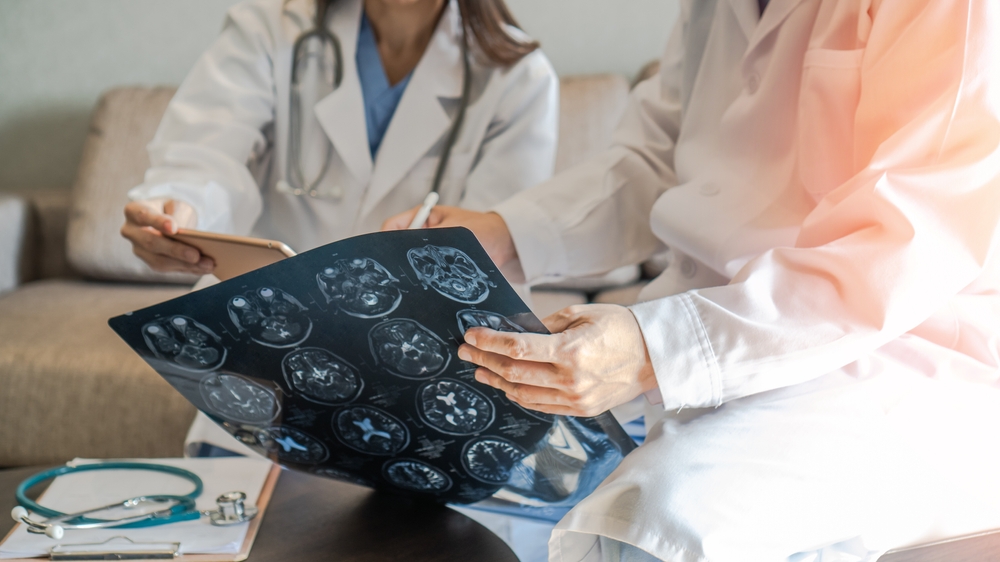
Scientists at Yokohama City University used a groundbreaking PET imaging method to visualize AMPA receptors — molecules that help brain cells communicate.
More receptors, more brain fog

The scans revealed unusually high AMPA receptor density in patients with Long COVID, directly tied to how severe their symptoms were.
A biological fingerprint of the disease
The findings show that brain fog isn’t “just in your head.” It’s a measurable, molecular condition with a clear biological signature.
Inflammation plays a major role
Higher AMPA levels were linked to inflammation markers in the blood, suggesting that the immune system may drive these brain changes.
Also read: How friendship can literally slow down aging, according to science
Memory and learning are directly affected
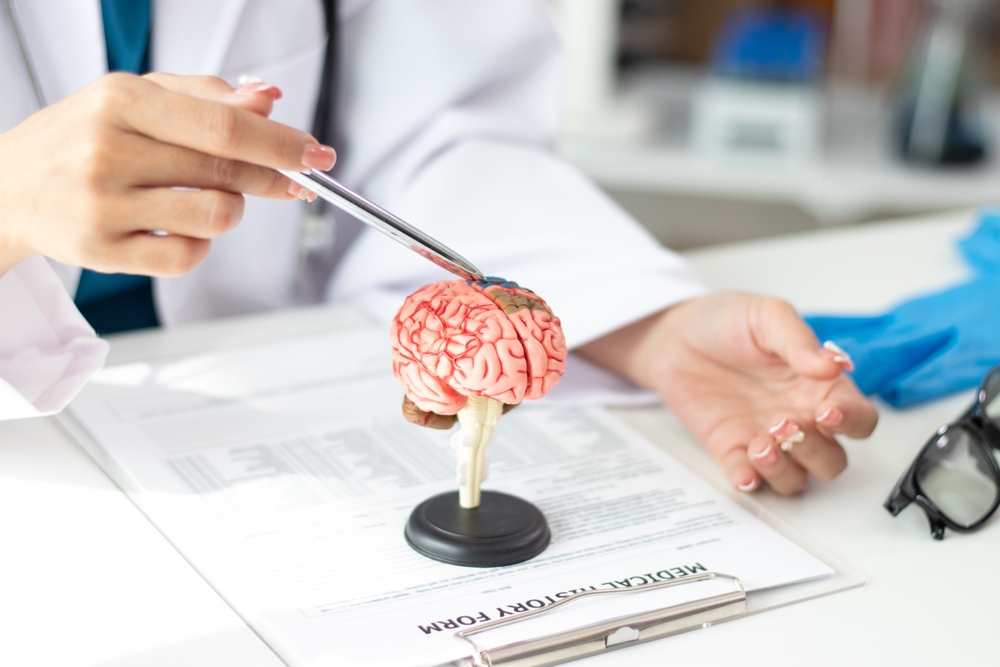
Because AMPA receptors control information flow between neurons, their overactivity may explain problems with attention, memory, and focus.
The brain can now be clearly distinguished
Researchers were able to identify Long COVID patients with 100% sensitivity and 91% specificity — a major breakthrough for diagnosis.
A new path for treatments

Targeting AMPA receptor activity could become a future therapy, potentially restoring normal brain function in affected individuals.
Proof that brain fog is real

The study provides scientific validation that Long COVID brain fog is not psychological but biological — a condition that deserves serious medical attention.
Also read: Science suggests a single vitamin could nearly halve the risk of dementia
This article is based on information from ScienceDaily
Also read: What happens to your body when you give up alcohol for a month
This article is made and published by Mie Hermansen, who may have used AI in the preparation.