
Taking a break from alcohol isn’t just about proving willpower — it’s about giving your body the reset it’s been craving. Here’s what really happens week by week when you stop drinking, and how quickly your body begins to recover.
The first 24 hours
Within the first day, your liver starts to flush out the remaining alcohol in your system. You might feel tired or restless at first, but your body is already beginning the process of repair.
Sleep starts to improve
After just a few nights, your sleep quality gets better. Without alcohol disrupting REM sleep, you wake up feeling more rested and alert.
Your skin begins to glow
When you stop dehydrating your body with alcohol, your skin benefits fast. Hydration levels rise, redness fades, and your complexion looks noticeably healthier.
Also read: How long does menopause last? Experts explain the truth
Energy levels rise
As your blood sugar stabilizes, the mid-afternoon crashes become less frequent. Your energy lasts longer, and daily tasks feel easier to manage.
Your stomach settles
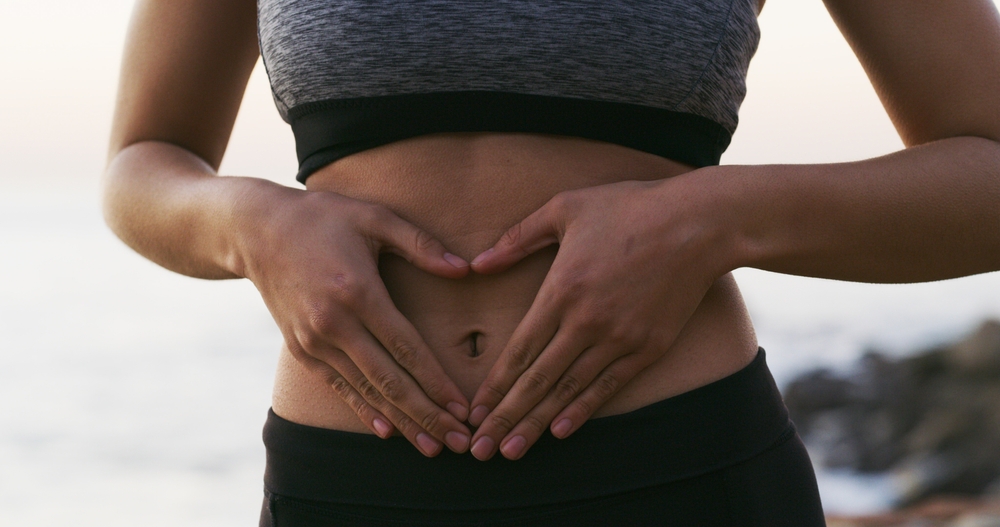
Alcohol irritates the stomach lining, but after a week or two, digestion begins to normalize. Bloating, acid reflux, and discomfort gradually fade away.
Your liver starts to heal
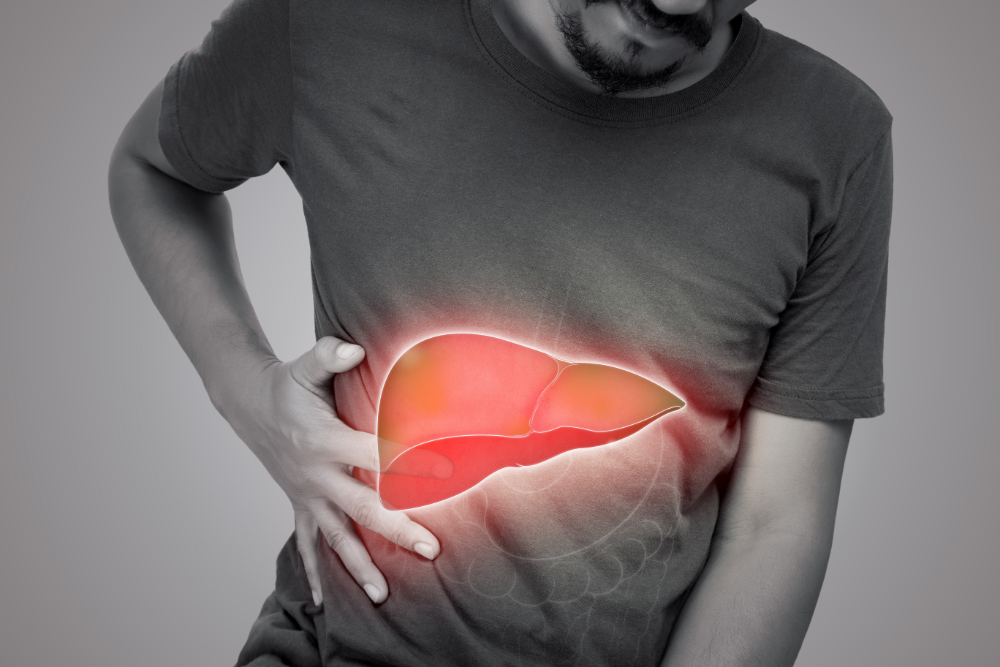
By the second week, your liver is already recovering. Enzyme levels such as ALT and GGT return closer to normal, and the organ becomes more efficient again.
Blood pressure begins to drop
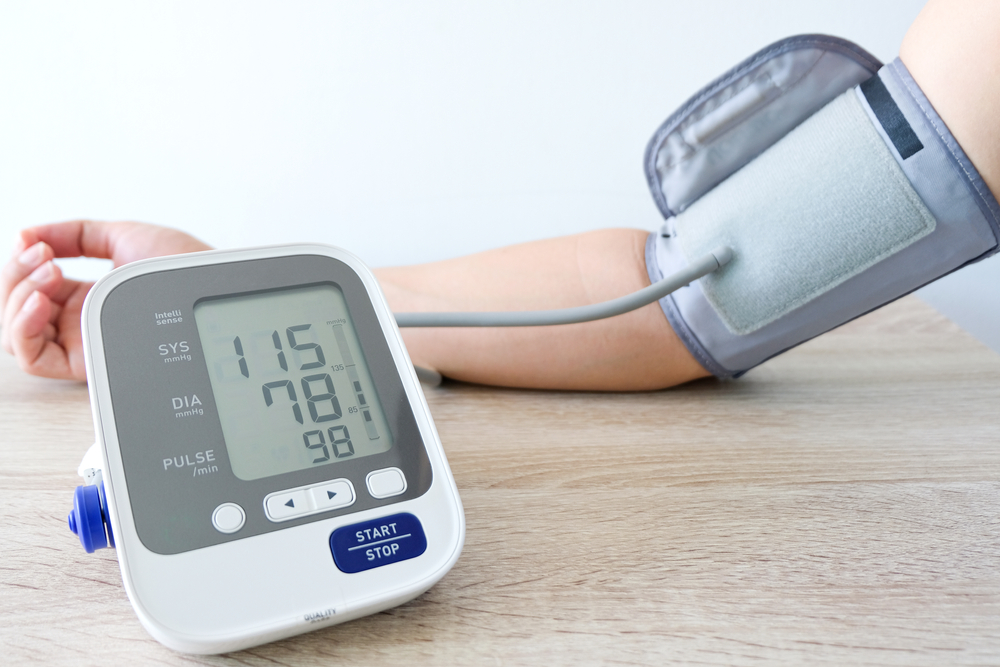
Cutting out alcohol helps your heart. As blood pressure and heart rate normalize, your cardiovascular system starts to work more smoothly.
Also read: How to Thrive at Work as an Introvert Person
Mental clarity returns
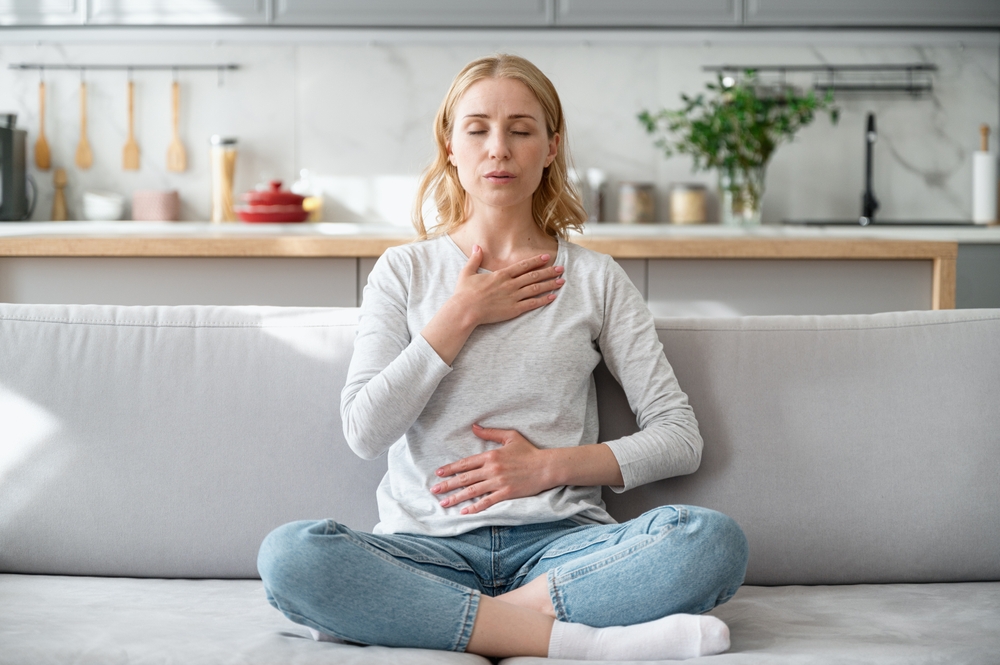
Around the third week, brain fog lifts. Focus sharpens, mood improves, and many people describe feeling calmer and more emotionally balanced.
You may start to lose weight
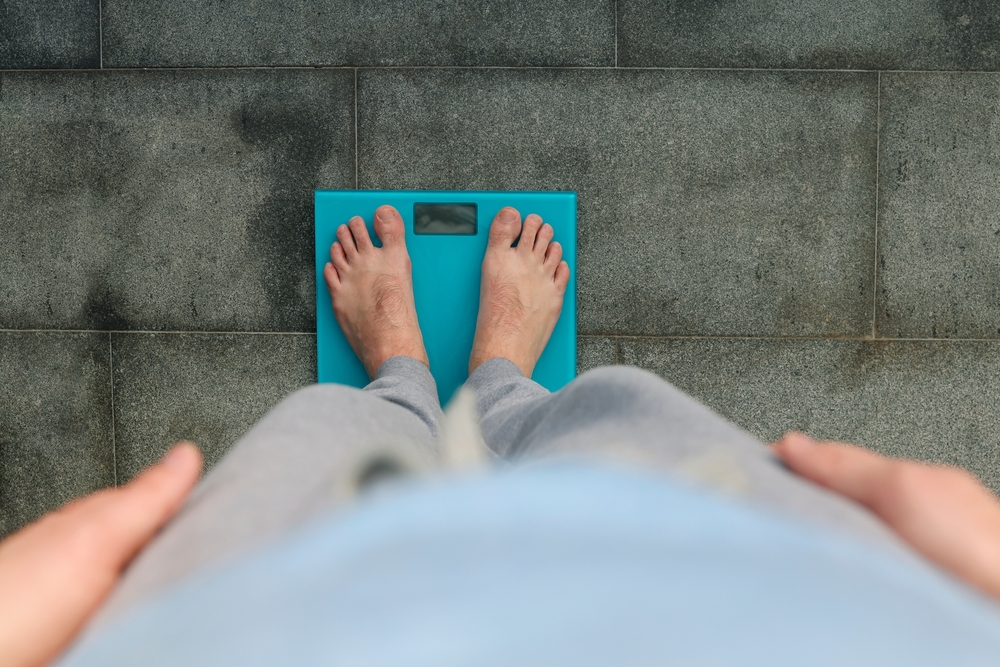
With no “liquid calories” from alcohol, your metabolism evens out. Some people lose a few kilos, while others simply feel less bloated and lighter overall.
The body resets from within
After a month, internal markers show real change. Liver function, cholesterol, and inflammation levels all improve, giving your organs a well-deserved rest.
A new relationship with alcohol
The biggest change isn’t physical — it’s mental. After a month off, many realize they don’t need alcohol to relax or have fun. That awareness can lead to long-term, healthier habits.
Also read: These everyday symptoms could mean you’re developing diabetes
The article is based on information from LADbible
Also read: Scientists Find That Lack of Sleep Can Make Your Brain One Year Older
This article is made and published by Mie Hermansen, who may have used AI in the preparation.