
Why are so many people gaining weight, even though we're not necessarily eating more than before?
A new, comprehensive study attempts to tie all the pieces together and debunk old myths about obesity.
Here are ten key points from the research that shed new light on the global obesity epidemic.
Energy balance doesn’t tell the whole story

The classic explanation, that we gain weight because we consume more calories than we burn, doesn’t hold up on its own.
Also read: These medical conditions are often mistaken for anxiety
Research shows that our calorie intake has remained relatively stable over the past decade, yet obesity rates continue to rise.
Refined carbs aren't the only culprit

The carbohydrate-insulin model, which blames sugar and white flour, also has limitations.
For example, it can’t explain why more newborns are now overweight, even though they’ve never eaten refined carbs.
Everyday chemicals may trigger fat storage

Hormone disrupting chemicals found in plastic, packaging, cosmetics, and cleaning products can interfere with the body’s signals and lead to increased fat storage.
Also read: These foods can improve your blood pressure – and they taste amazing
We’re exposed to these substances from the womb and throughout life.
Obesity begins at the cellular level
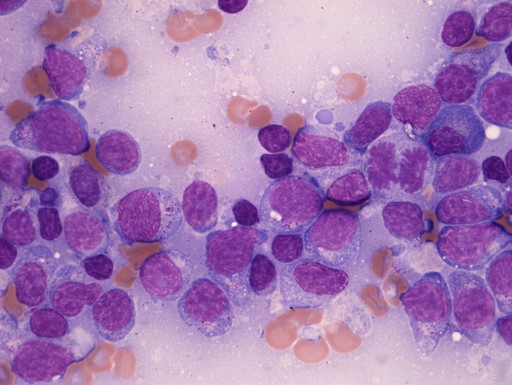
Researchers point to reactive oxygen species (ROS) as the biological trigger.
These molecules change how cells work, turning energy-burning cells into energy-storing ones, contributing directly to weight gain.
Gut bacteria play a bigger role than we thought
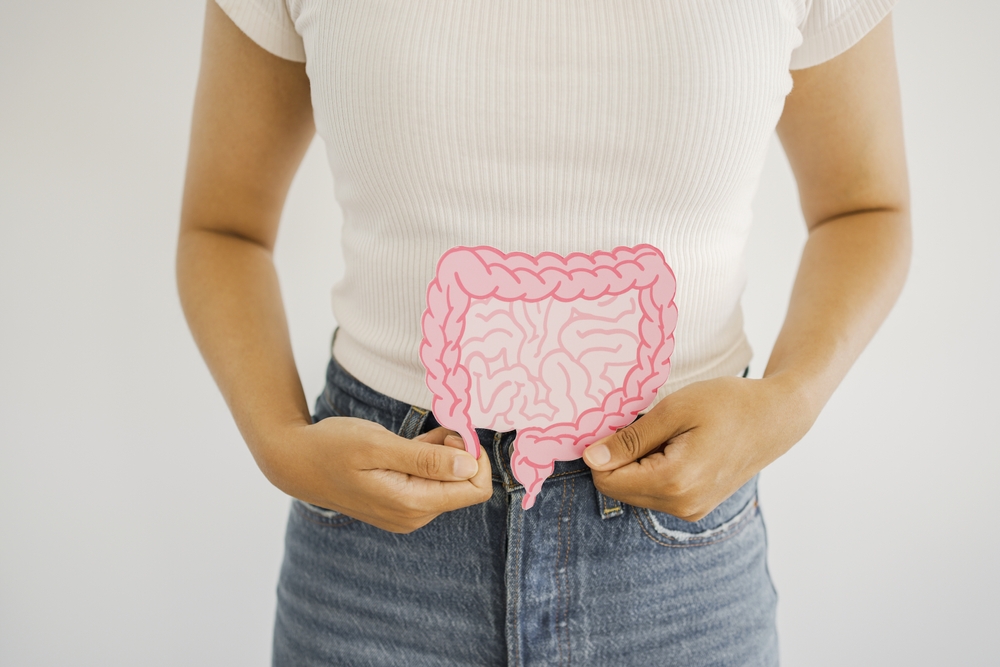
Our gut microbiome isn’t just crucial for digestion, it also affects how we absorb and store energy. An imbalance in gut bacteria may be a key factor in obesity.
Environmental changes over the last 50 years are the common thread

All major theories about obesity point to a shared cause: massive environmental changes over the past five decades.
The epidemic follows the rise of industrialized lifestyles, chemical exposure, and ultra-processed foods.
Social inequality impacts body weight

It’s not random who gains weight. Research shows a strong link between social disadvantage and obesity.
The more socially vulnerable someone is, the higher their risk, regardless of diet or exercise.
Also read: Psychology Says These Habits Are Linked to Higher Intelligence
The body treats stress like famine

From an evolutionary perspective, the body responds to modern stress and social struggle as if it were facing food shortages.
That triggers fat storage as a survival mechanism.
No single theory can explain it all

The four dominant models: Energy Balance (EBM), Carbohydrate-Insulin (CIM), Oxidative Stress (REDOX), and Obesogen (OBS), all have weaknesses.
The researchers behind this new study argue for a unified theory combining diet, chemicals, and biology.
Also read: Myths About Screens in Schools that Researchers Are Debunking
Obesity is not your fault

The study’s core message is clear: obesity isn’t about laziness, poor willpower, or lack of discipline.
It’s the result of complex biological, chemical, and social factors. In other words: gaining weight is not a personal failure.
This article is based on information from Forskning.no.
This article is made and published by Ida-Marie Palm Varbæk, who may have used AI in the preparation.