
A new study published in the European Heart Journal involving more than 100,000 participants suggests that several commonly used food preservatives may be linked to high blood pressure and an increased risk of cardiovascular disease.
However, the researchers emphasize that the findings do not prove a direct cause-and-effect relationship, according to Medical News Today.
Investigation of preservatives

Researchers analyzed data from more than 112,000 individuals to examine the relationship between food preservatives, high blood pressure, and cardiovascular disease.
A possible connection

The study concluded that several commonly used preservatives were associated with a higher prevalence of high blood pressure.
Also read: Doctor warns against sleeping position: It may damage nerves over time
More research needed

Because the study was observational, it cannot determine whether the preservatives directly cause these health conditions.
The researchers therefore call for further investigation.
Authorities urged to reassess safety evaluations

The research team believes that authorities such as the U.S. Food and Drug Administration (FDA) and the European Food Safety Authority (EFSA) should reconsider the safety assessments of these additives.
Preservatives are widespread in food products
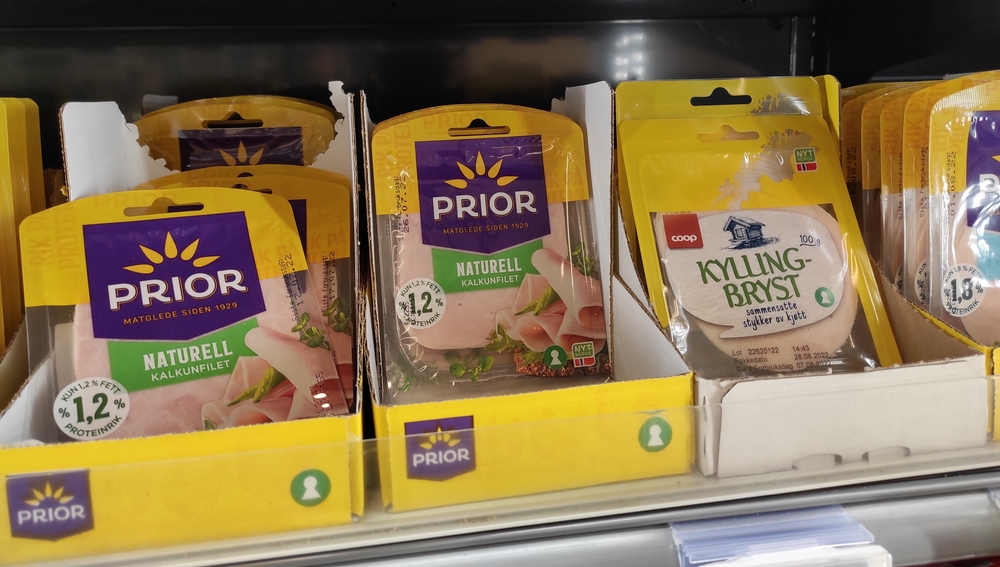
Approximately one-third of all foods purchased in the United States in 2019 contained at least one preservative.
Also read: Millions may be living with undiagnosed long COVID, new study shows
Previous studies found other risks

The same researchers have previously identified links between preservative consumption and a higher incidence of type 2 diabetes as well as certain forms of cancer.
Citric acid

Citric acid was the most commonly consumed preservative in the study and was consumed by 91.3 percent of participants.
High intake of citric acid

Individuals with a higher intake of citric acid had a 25 percent higher prevalence of high blood pressure.
Nitrites and nitrates

Sodium nitrite and potassium nitrate were primarily found in processed meat products within the participants’ diets.
Also read: Daily tomato-soy juice linked to lower inflammation in new study
Sorbates

A higher intake of sorbates, including potassium sorbate, was associated with a 39 percent higher prevalence of high blood pressure.
Sorbates help inhibit the growth of mold and bacteria in food products.
Ascorbic acid

Among the individual preservatives examined, ascorbic acid was the only substance that continued to show a statistical association with an increased prevalence of cardiovascular disease.
Diet quality did not explain the findings

The researchers found no evidence that the observed associations were solely the result of generally poorer dietary habits among people with a high intake of preservatives.
Also read: Health officials issue alert over symptoms linked to weight loss injections
Fewer ultra-processed foods

According to Medical News Today, nutrition scientist Federica Amati recommends reducing the consumption of ultra-processed foods to limit the amount of preservatives in the diet.
Fiber-rich foods highlighted
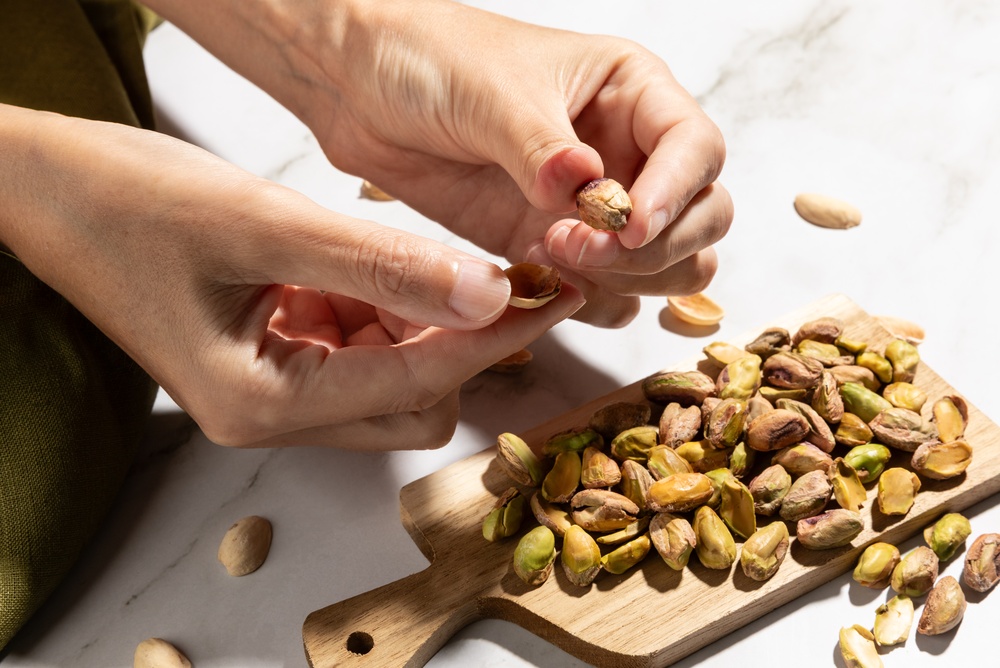
Fruits, vegetables, whole grains, nuts, seeds, herbs, and spices were highlighted as foods that naturally contain fewer additives while also providing dietary fiber.
Processed meat and soft drinks

According to Federica Amati, it may be beneficial to replace processed meat products and soft drinks with less processed alternatives such as white meat, water, or unsweetened tea.
Sources: Medical News Today and European Heart Journal.
Also read: New pill could couble survival time for cancer patients
This article is made and published by Ida-Marie Palm Varbæk, who may have used AI in the preparation.