
Not drinking enough water doesn’t just leave you thirsty and tired. New research shows that your fluid intake may directly affect how your body reacts to stress. Here’s why reaching for a glass of water might be more important than you think.
The body’s alarm system responds to low hydration
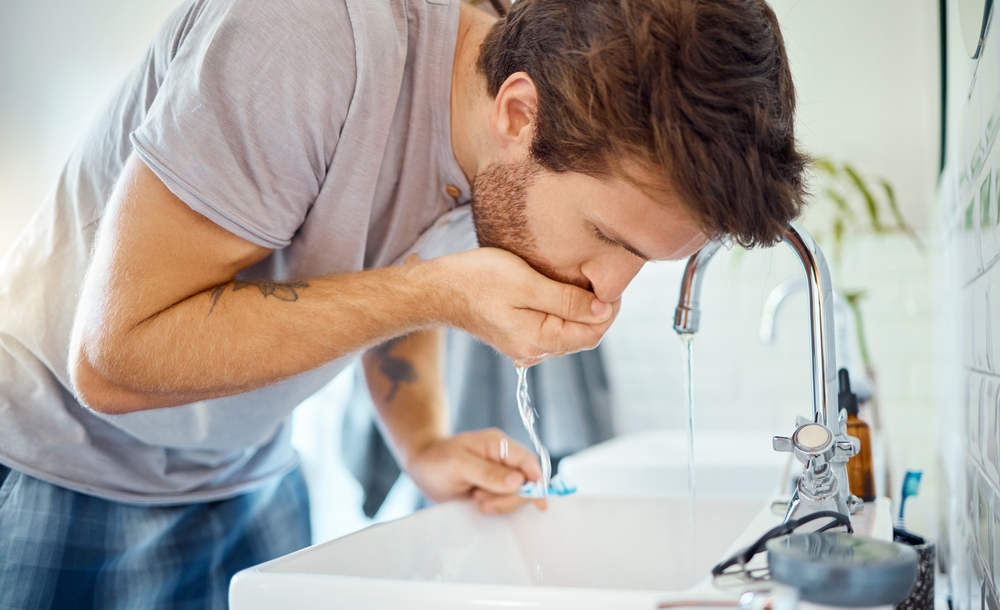
When fluids run low, the body releases hormones to protect itself – but they can also push stress levels higher.
More than just discomfort
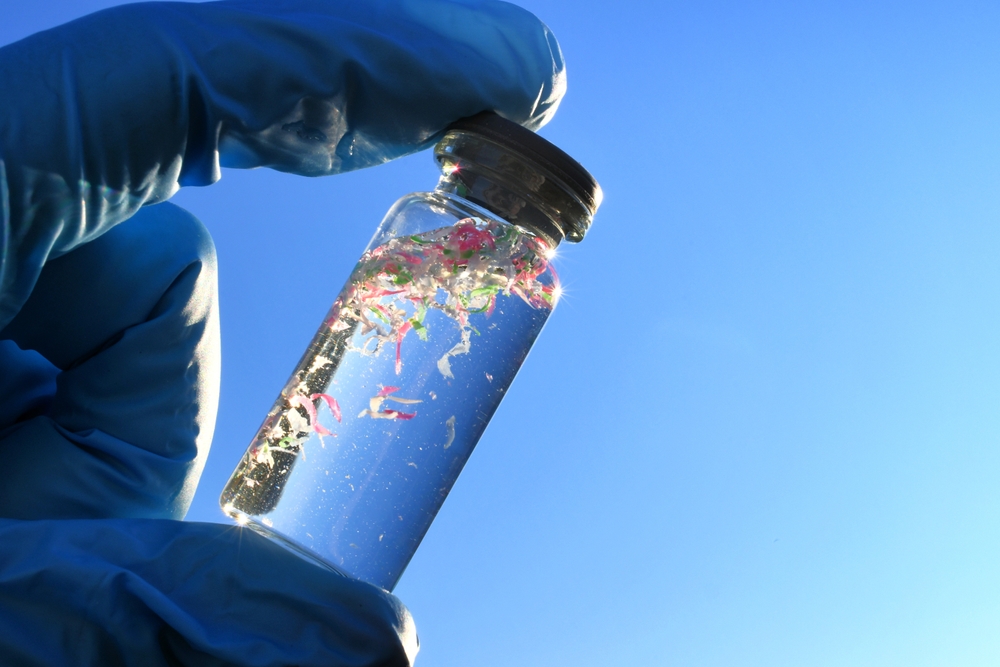
Fatigue, dizziness and headaches are well-known dehydration symptoms. But scientists are now pointing to deeper consequences.
Cortisol levels rise
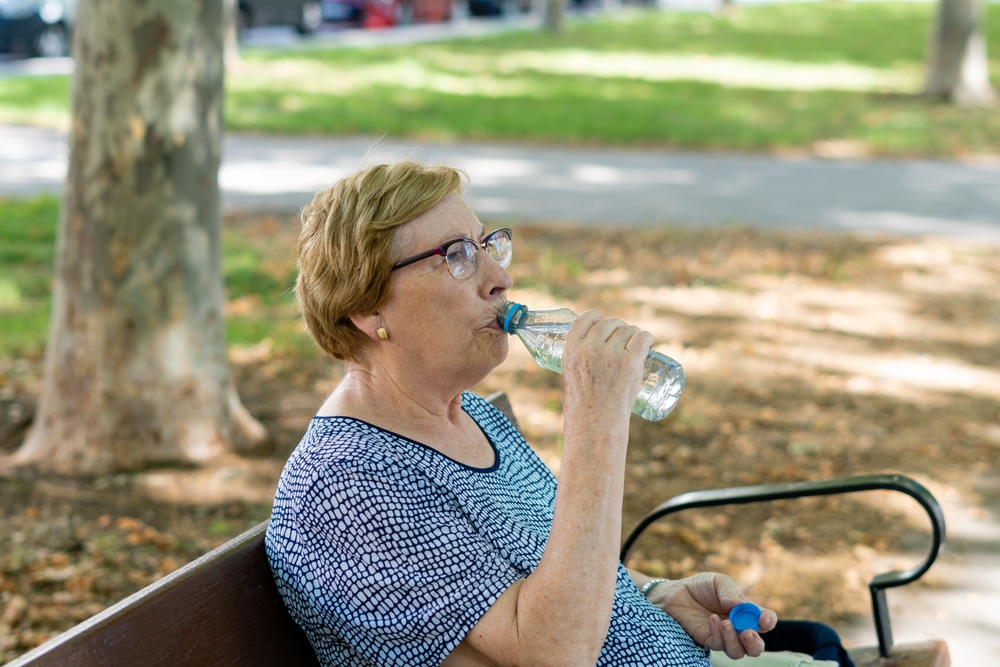
Low fluid intake can cause a significant increase in cortisol, the hormone that drives our fight-or-flight response.
Also read: Tingling Fingers? It Might Be a Hidden Sign of Vitamin Deficiency
Experiment revealed a clear difference
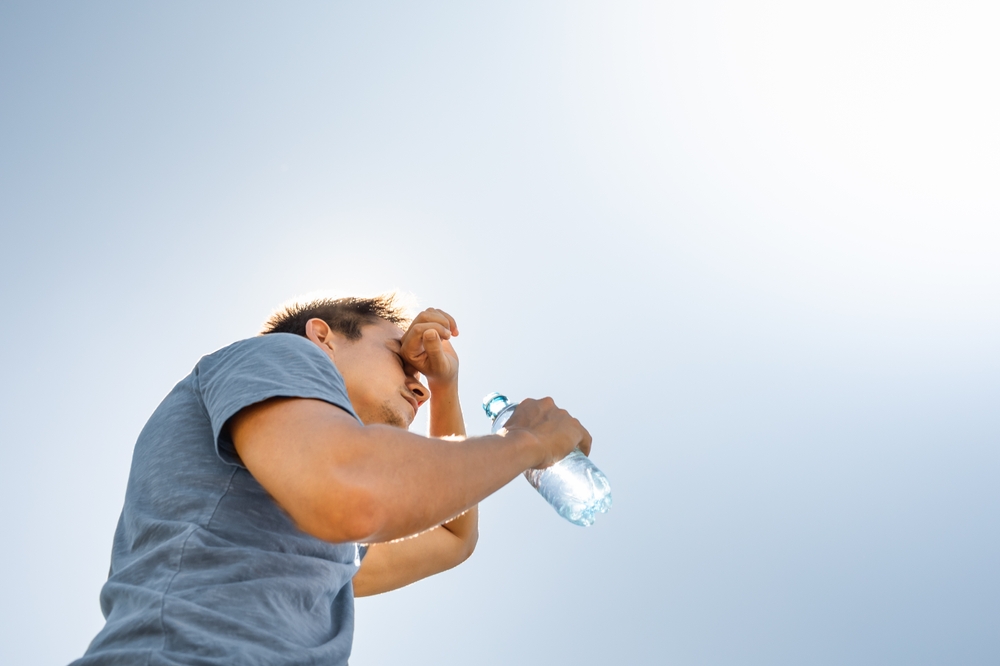
In a study, participants had to perform tasks in front of a panel. Those who were less hydrated showed a 55 percent higher cortisol spike than others.
Vasopressin adds to the effect
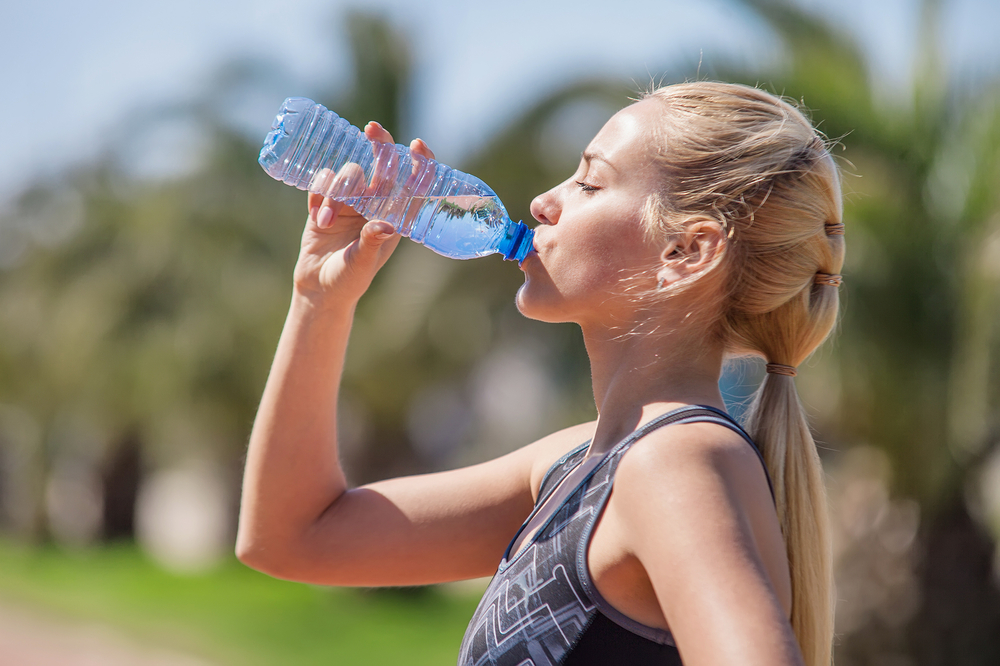
Dehydration triggers the release of vasopressin to retain water – but it also activates the brain’s stress center.
A double strain on the body

Dehydration burdens both kidneys and circulation, while the stress system takes an extra hit. Over time, this raises the risk of serious health issues.
International guidelines

Researchers highlight that women should aim for about 2 liters of water a day, while men should aim for around 2.5 liters.
Also read: 7 medications that don’t mix well with herbal te
Water as mental support
One researcher stresses that keeping a water bottle close at hand during stressful days can be a simple but effective health strategy.
A habit with long-term benefits

Regular hydration won’t remove deadlines, but it helps the body respond more steadily to daily challenges.
More studies to come

The findings are preliminary, but researchers emphasize the need for more work on the link between hydration and stress.
The article is based on information from Illustreret Videnskab
Also read: 6 myths about cholesterol you should stop believing, according to dietitians
Also read: Aging Accelerates After 50, Study Finds - Here’s How to Fight Back