
Antidepressants Can Disrupt Your Body’s Heat Balance

Certain antidepressants — especially SSRIs and tricyclics — can interfere with how your brain controls sweating. That means you could sweat too much or too little, both of which increase the risk of overheating during a heatwave.
Antipsychotics Can Numb Your Sense of Heat and Thirst

Medications used for conditions like schizophrenia and bipolar disorder can dull your body’s natural warning signs. You may not feel hot or thirsty, even when your body desperately needs hydration — a recipe for heat exhaustion.
Beta Blockers Can Interfere With Your Cooling System

These heart medications slow down your pulse and reduce blood flow to the skin, which is essential for releasing heat. As a result, even light activity on a sunny day can lead to dangerous overheating.
Diuretics May Secretly Dehydrate You

These water pills increase urination, which helps manage fluid retention — but combine that with summer sweating, and you risk becoming dehydrated faster than you think, without clear warning signs.
Also read: Eat Your Way to a Stronger Liver with These Tips
Blood Pressure Meds May Suppress Thirst Signals

Some medications for high blood pressure can reduce your brain’s ability to detect thirst. If you’re not careful, you could easily drink too little, putting yourself at risk of heat-related dehydration.
ADHD Medications Can Raise Body Temperature

Stimulants like those used for ADHD don’t just boost focus — they also boost your core temperature and energy levels. That extra heat can be dangerous when combined with hot weather or physical activity.
Insulin Works Faster in the Heat
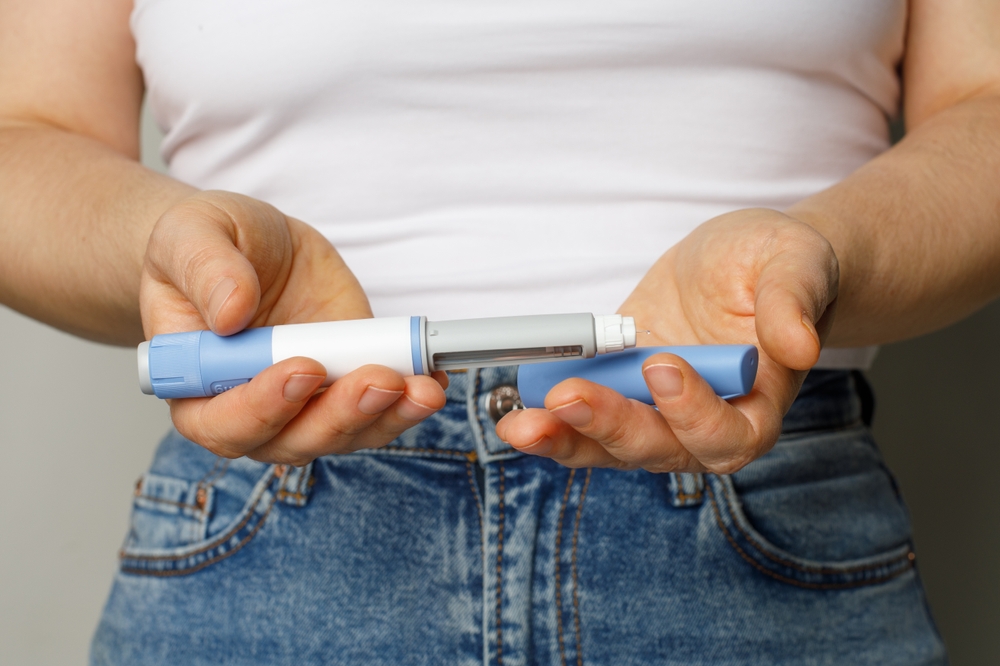
High temperatures dilate your blood vessels, which can cause insulin to absorb more quickly. That can lead to sudden blood sugar crashes — a condition often mistaken for simple fatigue in the heat.
Heat Can Break Down Your Insulin Supply

If insulin gets too warm, it can lose its potency. That means you may not get the full dose your body needs, leading to unbalanced blood sugar levels — a serious risk during travel or outdoor activities.
Also read: This Is How a Heatwave Affects Your Body Minute by Minute
Anticholinergic Drugs Can Block Sweating

Medications that block acetylcholine — used for issues like incontinence or neurological conditions — also block your body’s ability to sweat. That makes it harder to cool down and increases the risk of heatstroke.
Combining Medications Amplifies the Risk

If you take multiple medications that affect heat regulation, the risks don’t just add up — they multiply. Older adults and those with chronic illnesses are especially vulnerable, even on seemingly mild summer days.
This article is based on information from Nyheder24
Also read: 10 Easy Ways to Say Goodbye to Constipation for Good
Also read: Sip Your Way to a Healthier Blood Pressure with These 10 Drinks
This article is made and published by Mie Hermansen, who may have used AI in the preparation.