
What you put in your shopping cart can affect your liver over time.
Hepatologist Dr. Brian T. Lee of Hoag tells Parade which products he personally limits and what he chooses instead.
Sugary drinks
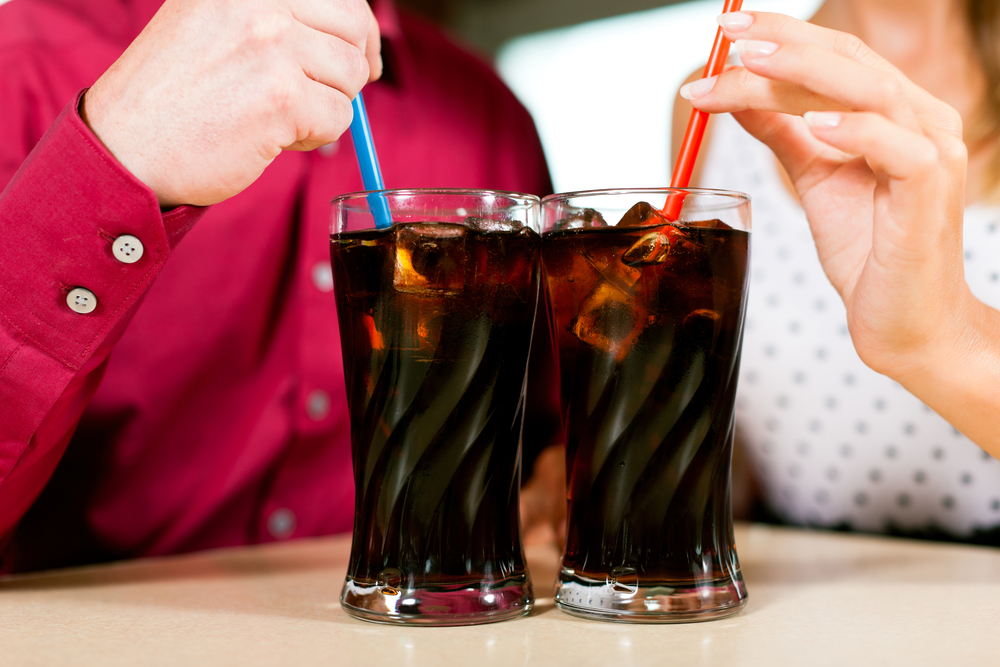
Dr. Lee particularly tries to limit drinks with added sugar.
These include regular soda, sweetened tea, lemonade and many sports drinks, which can provide large amounts of sugar and calories without offering the same sense of fullness as solid food.
Also read: How many Brazil nuts is too many? The selenium limit most people don't know
Soda

According to information cited by Parade, a 600 ml soda can contain around 220 calories and 55 grams of added sugar.
At the same time, Dr. Lee stresses that a single soda does not cause liver disease on its own. The problem arises particularly when it becomes a regular source of hydration.
Added sugar
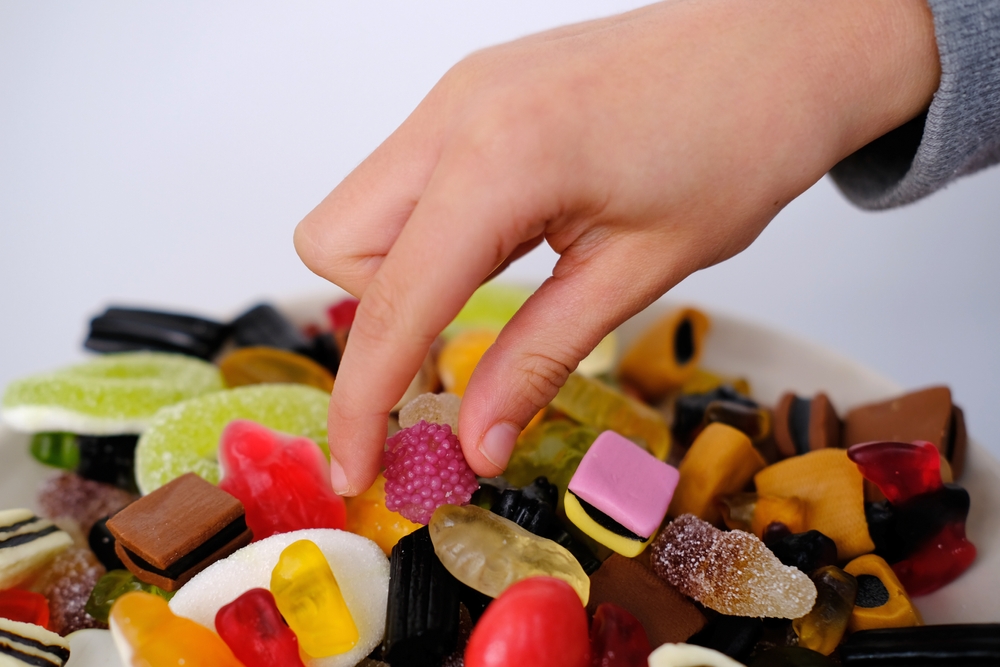
Drinks are not the only products that can contain large amounts of added sugar.
Dr. Lee also points to candy, breakfast cereals, sauces and flavored yogurt as products that may contain hidden added sugar.
Also read: How eating beets every day can affect your blood pressure and heart
Water

When it comes to quenching thirst, Dr. Lee highlights water as the simplest everyday choice.
It contains neither added sugar nor unnecessary calories, and its flavor can be varied by adding ingredients such as citrus fruits or mint.
Unsweetened iced tea
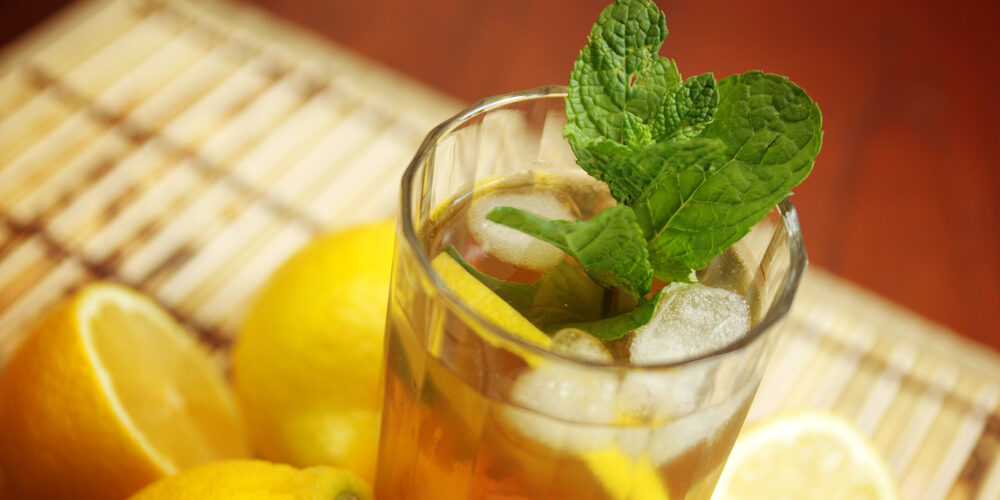
Unsweetened iced tea is another alternative recommended by Dr. Lee.
It provides flavor without the large amount of sugar that can be found in store-bought sweetened tea, making it a possible replacement for more sugary drinks.
Also read: Your balance can predict your risk of an early death
Black coffee

Dr. Lee also highlights black coffee. According to research he cites from Clinical Gastroenterology and Hepatology, regular coffee consumption is associated with less advanced liver scarring, as well as a lower risk of cirrhosis and liver cancer.
He stresses that this association does not prove that coffee prevents or treats liver disease.
Fried foods
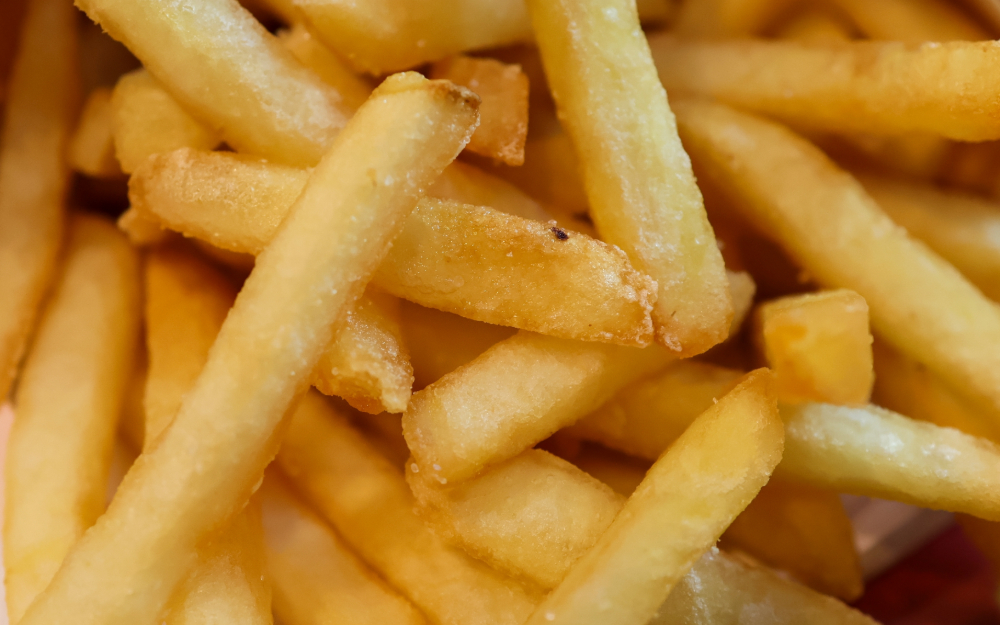
Fried foods are among the products Dr. Lee recommends limiting for the sake of liver health.
French fries are mentioned as an example of a food that can make it easy to consume large amounts of calories and saturated fat.
Also read: How eating chickpeas every day can affect your gut, cholesterol and blood sugar
Processed meat
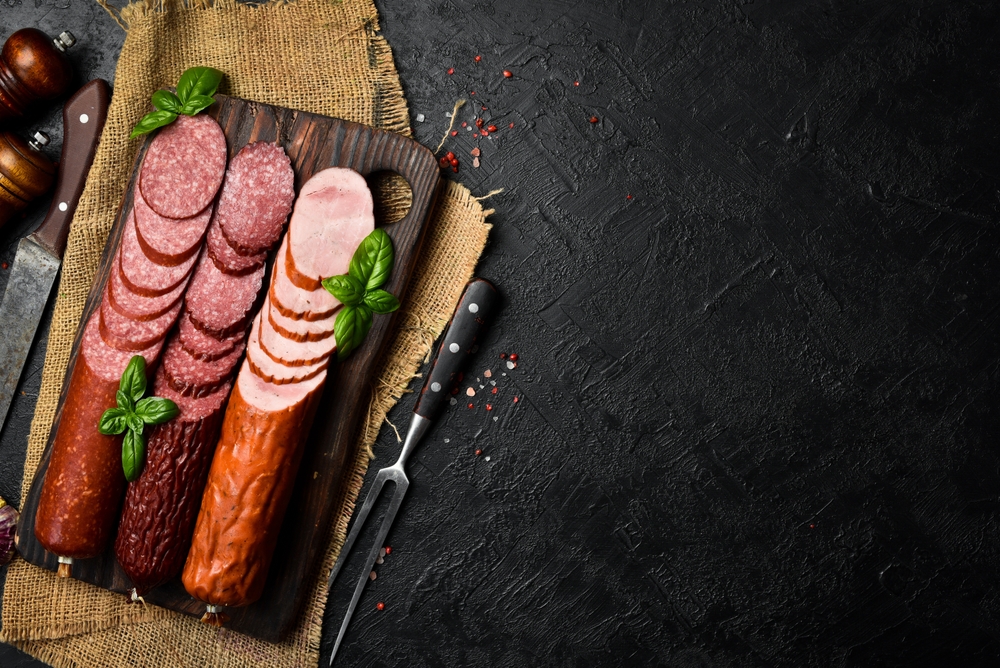
Processed meat is also on the list of foods that Dr. Lee says should ideally make up a smaller part of the diet.
More generally, he highlights highly processed products and foods high in saturated fat as things that should be limited.
Packaged desserts
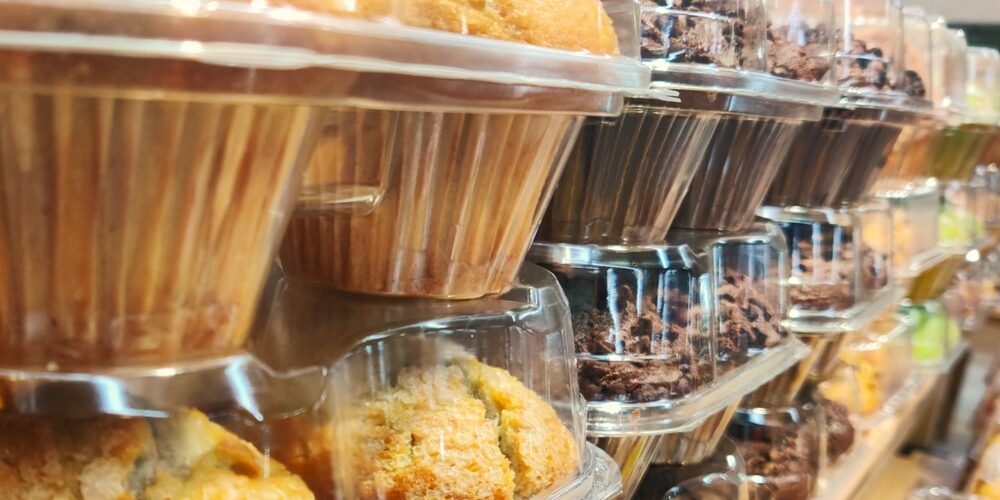
Packaged desserts are mentioned alongside fried foods and processed meat.
What these types of foods have in common is that they can make it easy to consume large amounts of calories without necessarily feeling equally full.
Also read: Researchers warn: Nearly 8 in 10 young adults have early signs of heart disease
Refined carbohydrates
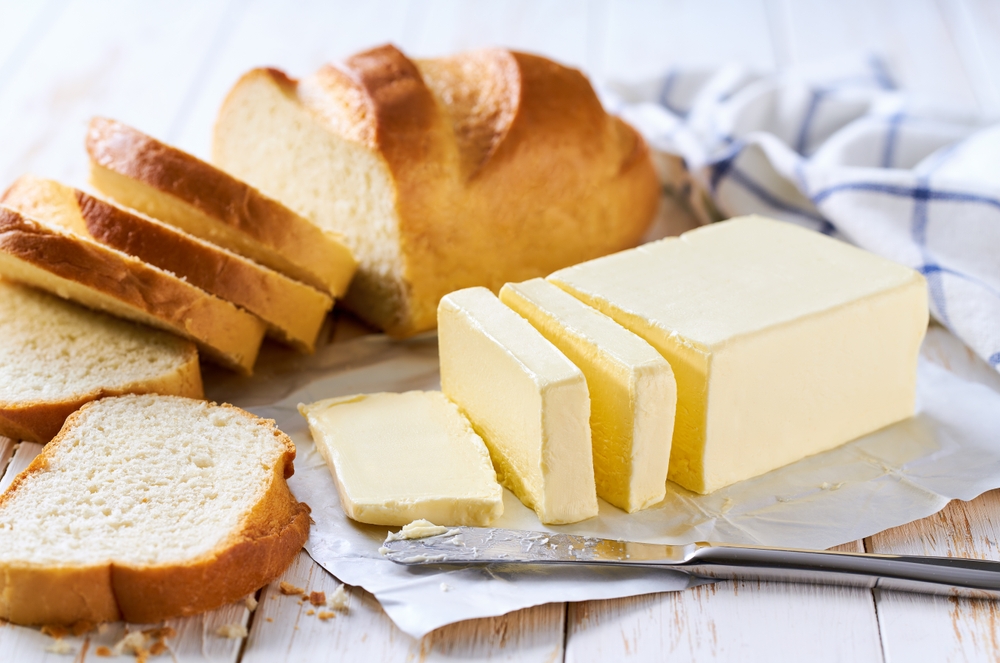
White bread, white rice and baked goods are among Dr. Lee’s examples of refined carbohydrates that can be easy to eat in large quantities.
He therefore recommends limiting them as part of a liver-friendly diet.
Alcohol

The liver is responsible for metabolizing alcohol, and Dr. Lee stresses that the risk of liver damage and disease increases with greater exposure to alcohol. Alcohol is therefore among the things he recommends limiting.
Vegetables and fruit
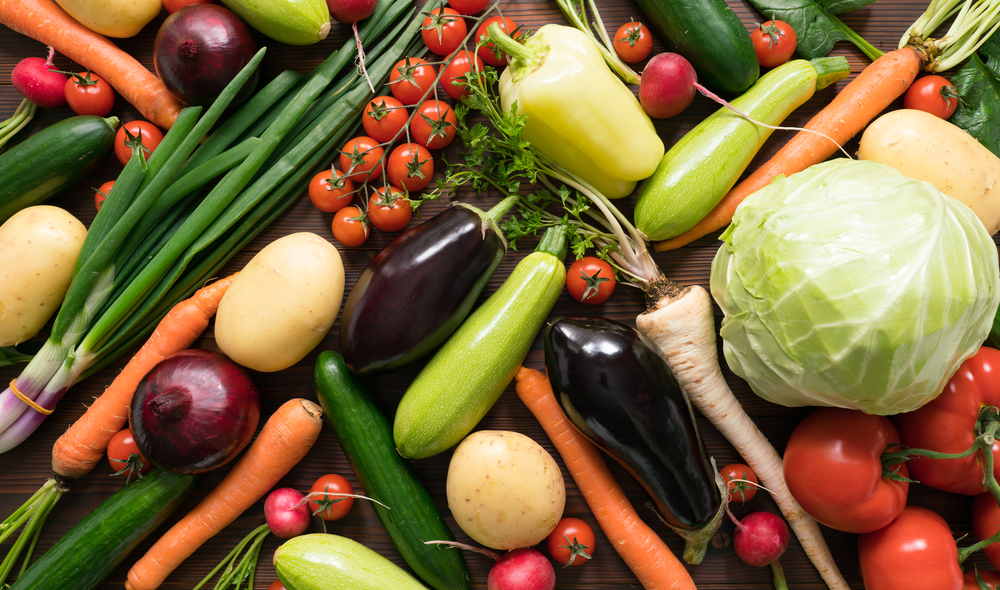
When Dr. Lee goes grocery shopping, he chooses fiber- and vitamin-rich vegetables and fruits, among other foods.
They also fit into the Mediterranean diet, which he highlights as a good overall model for a liver-friendly diet.
Whole grains and legumes
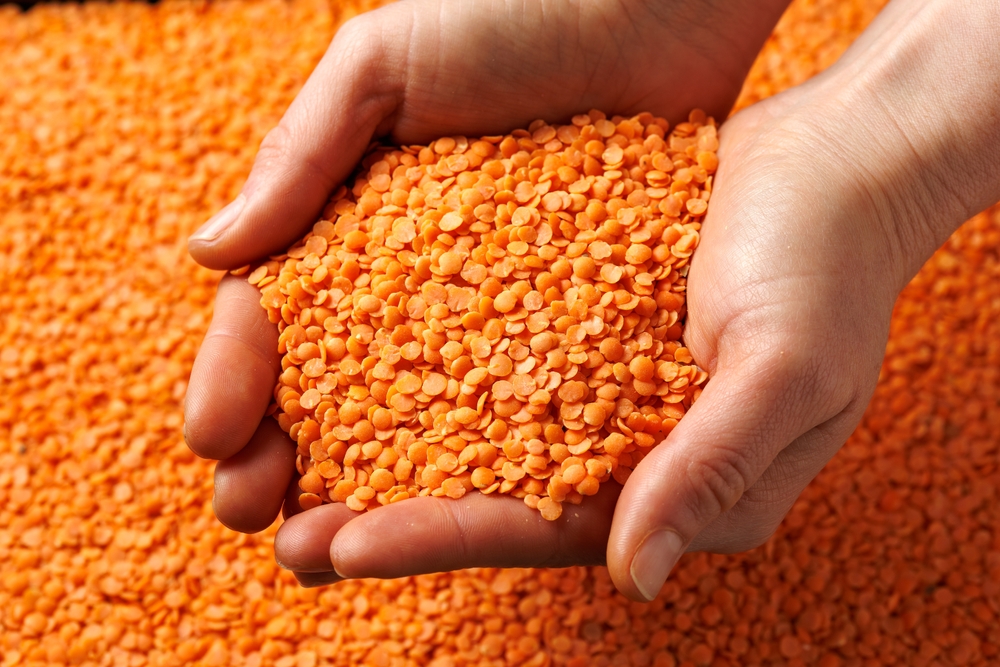
Whole grains and beans are also central to the diet Dr. Lee recommends.
The Mediterranean diet emphasizes these foods alongside vegetables, fruit and nuts.
Fish and olive oil
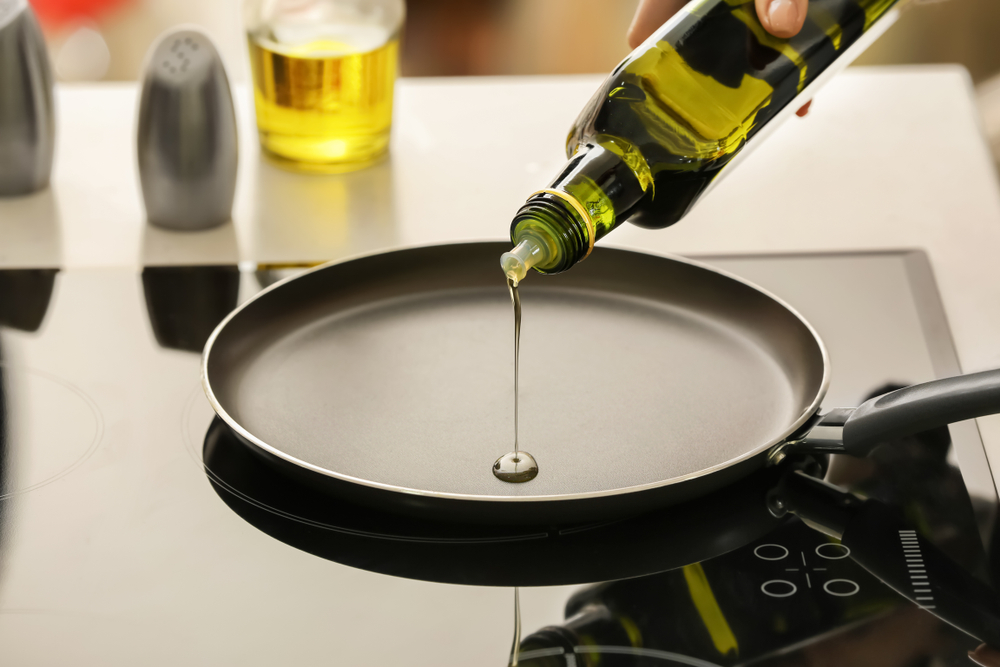
Fish and olive oil are also among the foods Dr. Lee highlights.
He also chooses sources of unsaturated fat such as avocado and describes the Mediterranean diet as a flexible framework rather than a rigid diet.
A sustainable diet
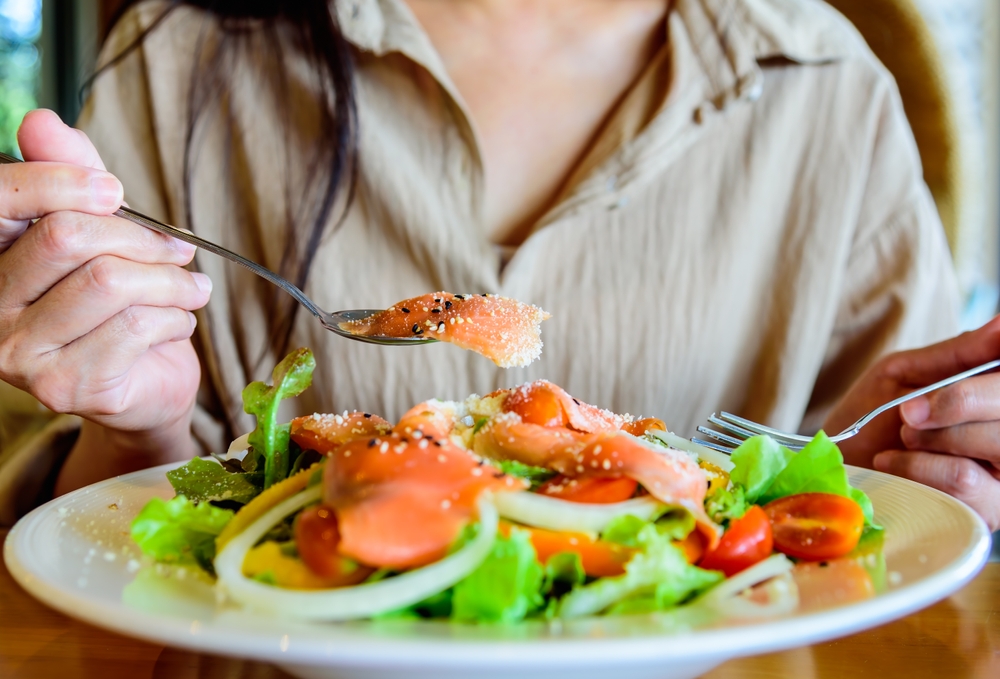
Dr. Lee’s main point is that a healthy diet for the liver does not necessarily mean following one specific diet.
According to him, the key is to choose nutrient-rich, minimally processed foods in a way that can be maintained over the long term.
This article is made and published by Ida-Marie Palm Varbæk, who may have used AI in the preparation.