
A healthy brain starts with what’s on your plate.
Certain foods can help reduce inflammation, protect neurons, and promote better blood flow to the brain.
Here are some essential points on how your diet can strengthen mental clarity and guard against cognitive decline.
Avoid foods high in saturated fat
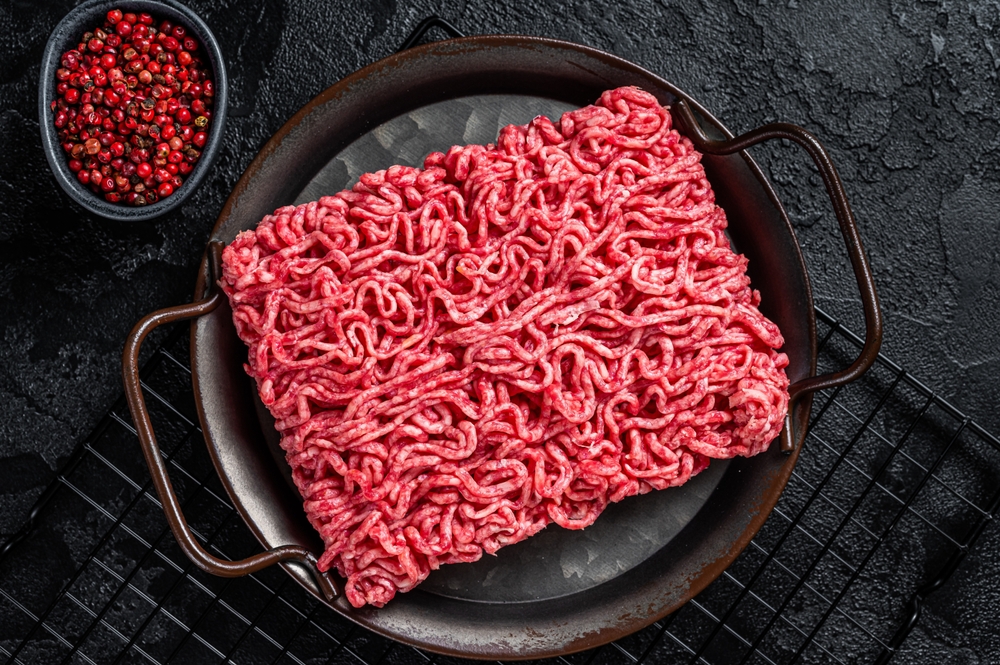
Fatty meats like beef are packed with saturated fat, which increases inflammation and can harm brain health over time.
Also read: Scientists may finally have an answer to Long COVID’s mysterious brain fog
Cut back on sugar and additives

Processed snacks loaded with sugar and artificial additives may contribute to the buildup of protein clumps linked to Alzheimer’s disease.
Choose the right fats for your brain
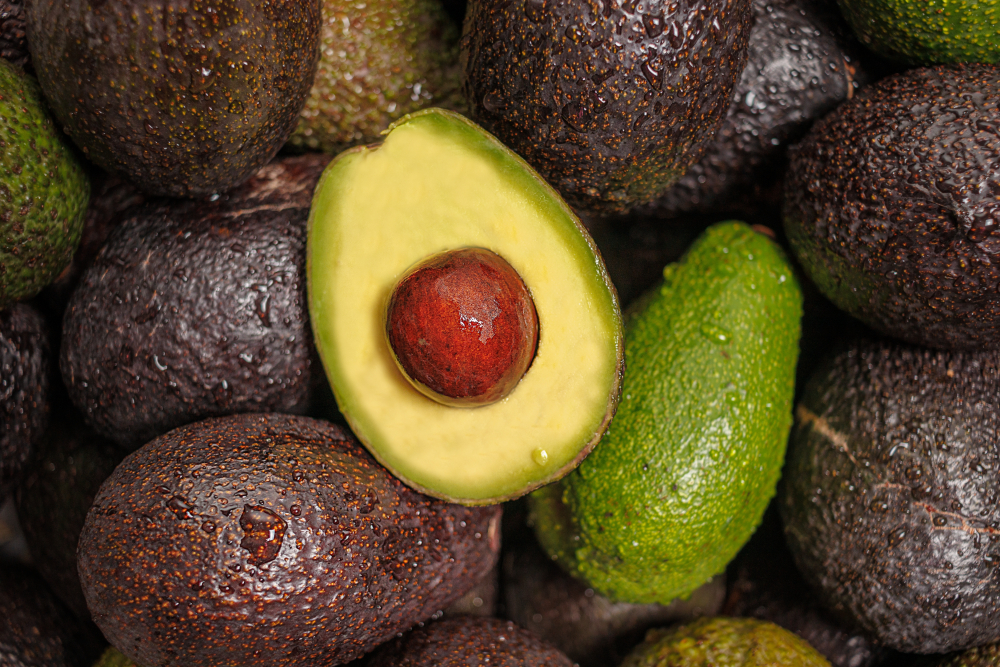
Plant-based fats help reduce inflammation and support healthy, flexible brain function.
Follow the principles of the MIND diet
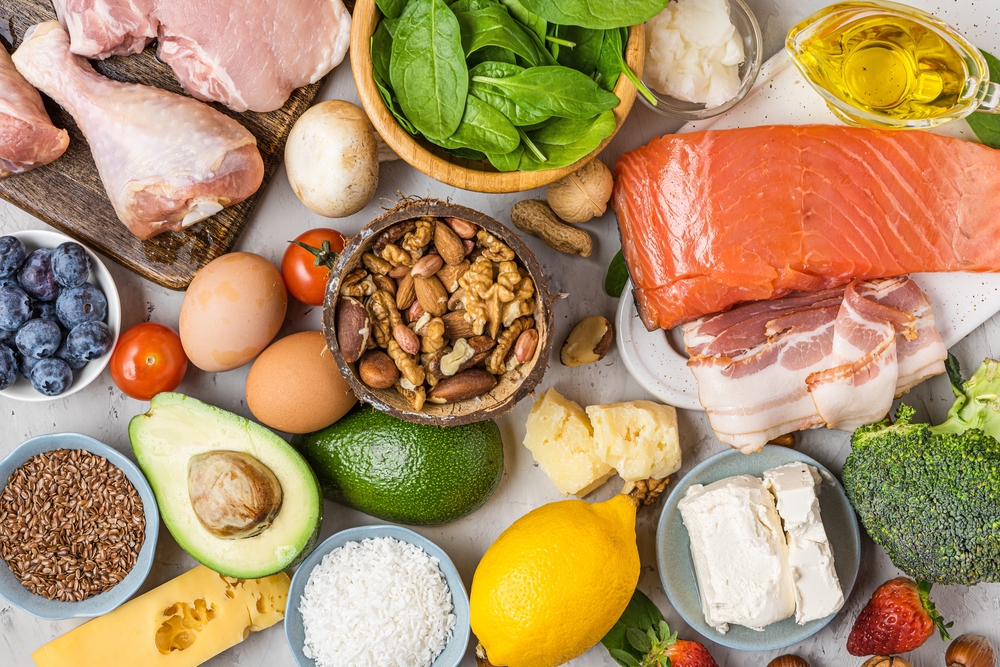
The MIND diet combines the best of the Mediterranean and DASH diets and has been shown to improve cognition through nutrient-rich, plant-based foods.
Eat berries regularly

Registered dietitian Maggie Moon recommends strawberries as a reliable source of antioxidants that enhance memory and focus.
Also read: You don’t have to lose weight to prevent diabetes, scientists say
Two servings of berries per week are ideal.
Make fiber part of your routine
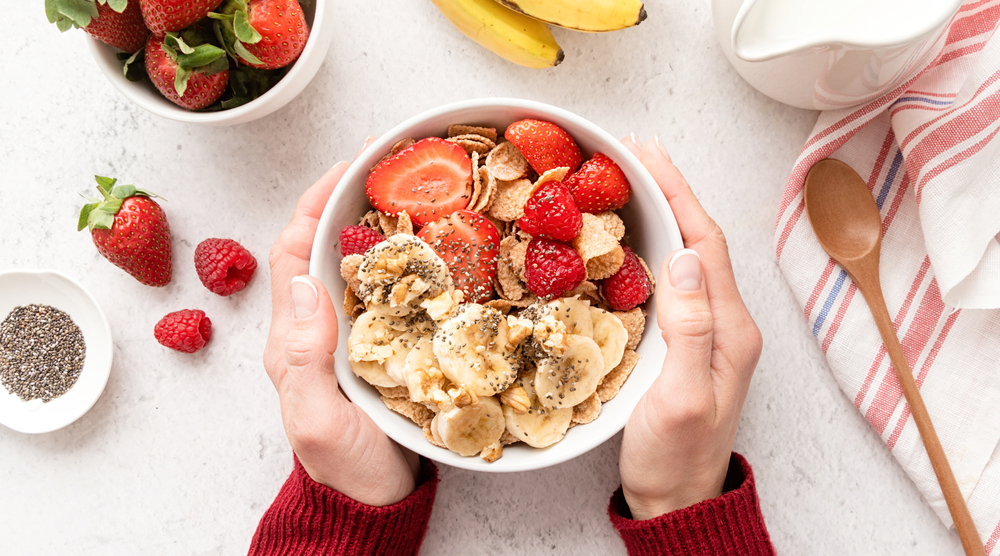
Fiber supports a healthy gut microbiome, which produces neurotransmitters that positively affect brain function.
Add beans to your meals

Black beans and other legumes are rich in fiber. Just half a cup of cooked beans provides over 7 grams and helps maintain gut and brain balance.
Try perilla oil for healthy fats

Perilla oil, popular in Korean cuisine, is rich in plant-based omega-3 fatty acids that promote blood flow to the brain and support new brain cell formation.
Also read: How friendship can literally slow down aging, according to science
Use olive oil as your go-to

While perilla oil is healthy, the MIND diet recommends olive oil for cooking due to its proven benefits for both heart and brain health.
Eat more whole grains
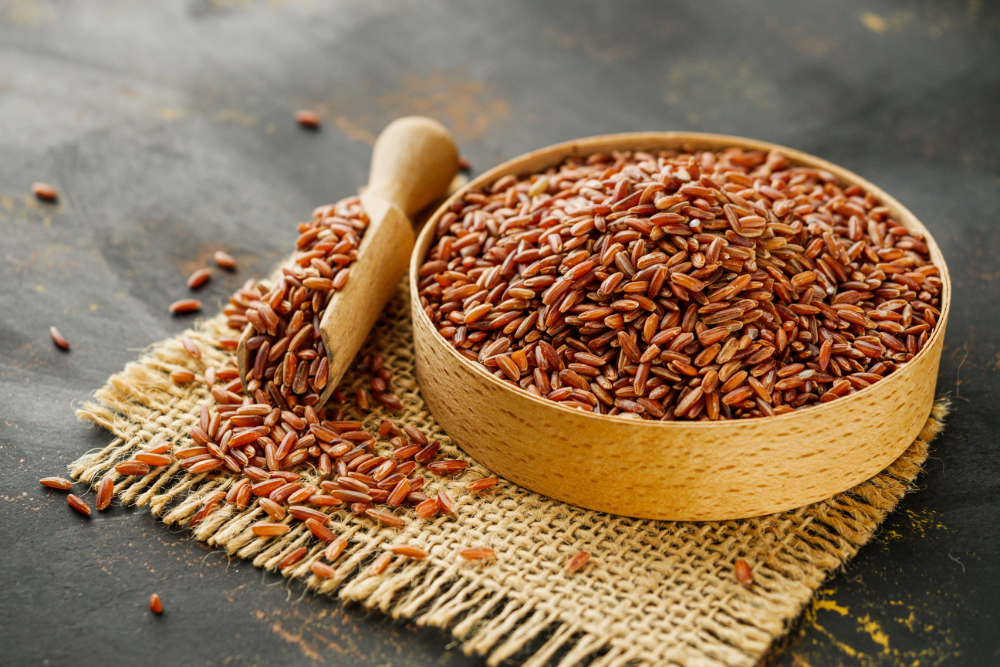
Whole grains like brown rice, oatmeal, and quinoa provide steady energy for the brain and support cognitive health.
Combine diet with exercise

Regular physical activity enhances brain health, reduces inflammation, and lowers the risk of Alzheimer’s. Both strength training and aerobic workouts are beneficial.
Article based on information from Health Digest.
Also read: Science suggests a single vitamin could nearly halve the risk of dementia
Also read: What happens to your body when you give up alcohol for a month
This article is made and published by Ida-Marie Palm Varbæk, who may have used AI in the preparation.